
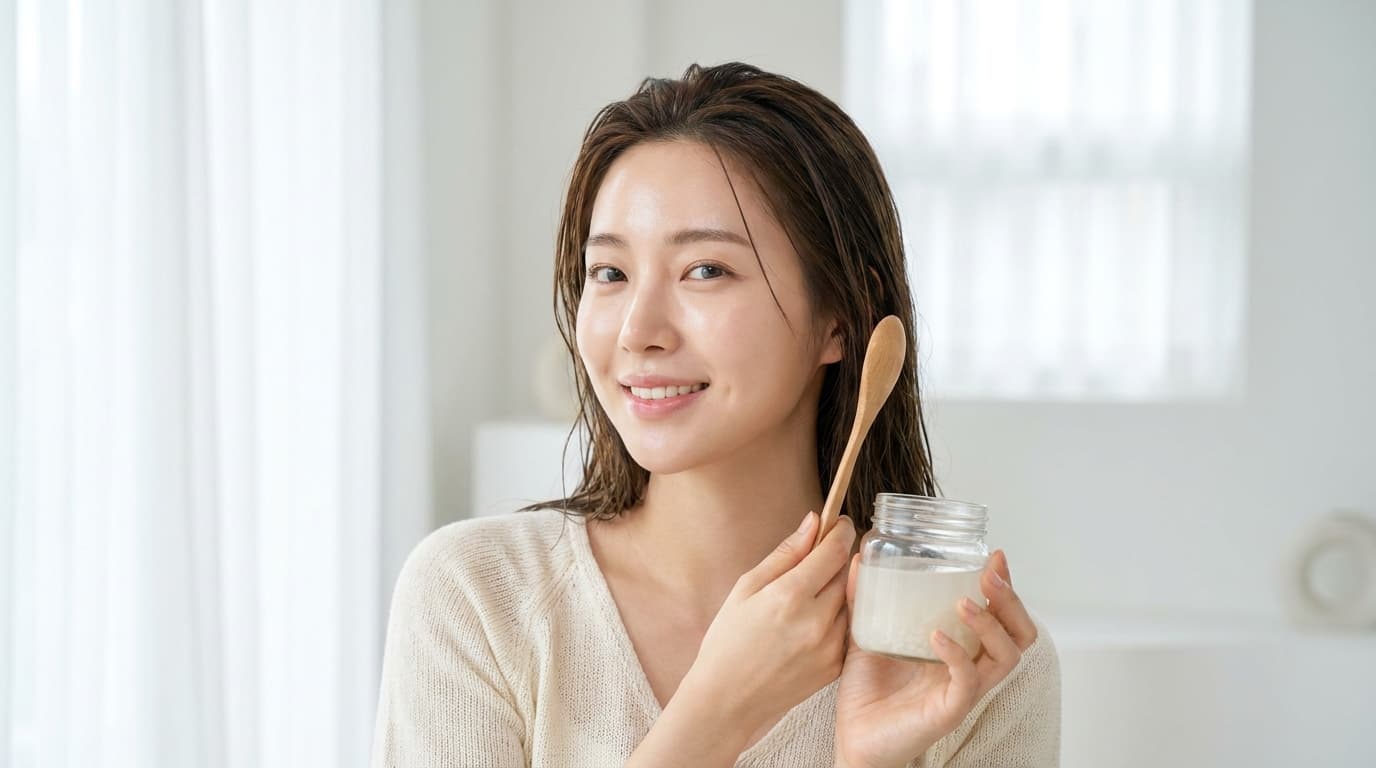
Rice water for hair growth isn't backed by strong clinical evidence, so it shouldn't be treated as a proven way to make follicles grow faster. It may temporarily smooth strands and reduce friction, which can mean less breakage and better length retention. If you'd like to try it, use plain, diluted rice water as a short rinse once a week and stop if your hair becomes dry, stiff, or irritated.
Quick Takeaways
- Rice water hasn't been clinically proven to accelerate hair growth. Most claims come from tradition, cosmetic observations, and personal experience.
- Its starches may coat the hair shaft, creating a smoother feel and reducing friction between strands.
- Less breakage can help you retain length, even though your follicles aren't necessarily growing hair faster.
- A simple soak is safer and more predictable than fermenting rice water at home.
- Start with a five-minute treatment once a week, then adjust based on how your hair responds.
Does Rice Water for Hair Growth Actually Work?
There aren't high-quality human clinical trials showing that a rice-water rinse makes hair follicles produce hair faster or creates new growth. That's the key distinction behind a lot of the dramatic before-and-after claims online.
Hair grows from follicles within the scalp, while rice water mainly sits on the outside of the hair shaft. The average scalp hair grows about half an inch, or 1.25 centimeters, per month, though genetics, hormones, age, nutrition, and health conditions can all affect that rate.
Rice water has a long history in Asian beauty practices, including associations with court women in Japan's Heian period and the Yao women of Huangluo, China. That history is genuinely interesting, but traditional use isn't the same as clinical proof.
Some laboratory and cosmetic research suggests rice-derived ingredients may decrease surface friction or improve hair's elasticity. Inositol, a carbohydrate found in rice, is also frequently credited with strengthening damaged strands. However, research on a formulated ingredient doesn't automatically tell us what a homemade bowl of soaked rice water will do.
Honestly, the most realistic benefit is length retention. If your ends snap less often, your hair may look longer and fuller over time even though its biological growth rate hasn't changed.
What Are the Benefits of a Rice-Water Rinse?
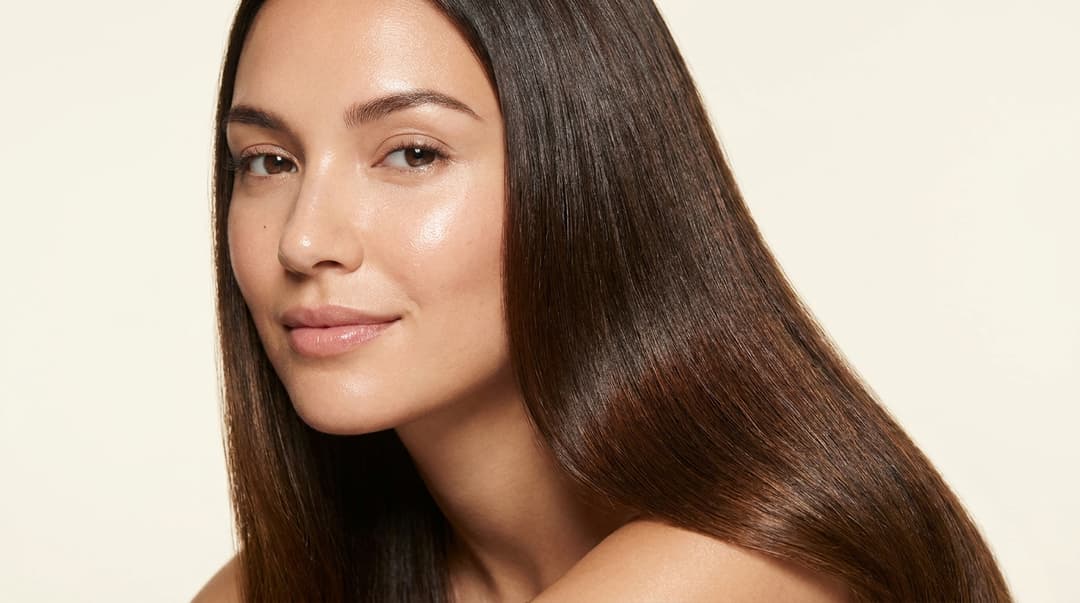
The effects depend on your hair's condition, texture, previous chemical treatments, and the concentration of your rinse. Still, you may notice a few cosmetic perks:
- Smoother-feeling strands: Starch can leave a light coating that temporarily makes the cuticle feel less rough.
- Reduced tangling: Lower friction may make knots easier to work through, especially when followed with conditioner.
- More shine: A smoother hair surface reflects light more evenly.
- Better length retention: Less friction and gentler detangling may help reduce mechanical breakage.
- A fuller feel: The coating can give fine or limp strands a slightly thicker, more substantial texture.
Rice also contains small amounts of amino acids, minerals, and antioxidants, but their presence doesn't guarantee meaningful penetration into the scalp or follicle. Your regular conditioner will generally provide more predictable conditioning because it's specifically formulated to cling to and soften hair.
I've found that rice rinses tend to feel best on hair that likes a little structure. Very dry, bleached, coarse, or tightly curled hair may need extra moisture afterward to avoid that crunchy feeling.
How Do You Make and Use Rice Water Safely?
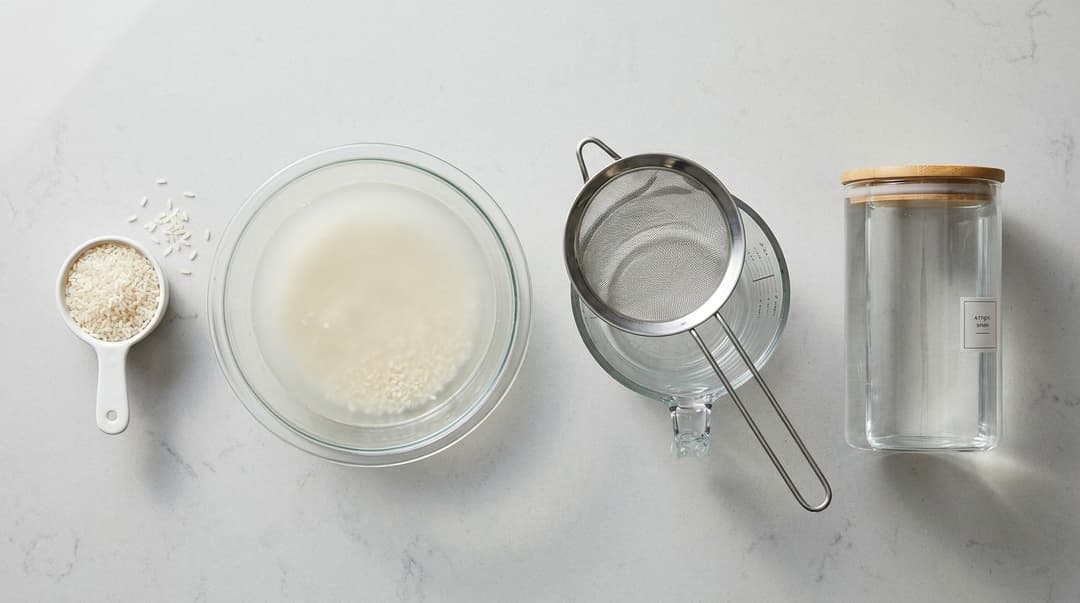
You don't need a complicated fermentation process. In fact, fermentation at home can create unpredictable acidity, odor, and microbial growth without offering a proven hair-growth advantage. A fresh soaked rinse is the easier option.
Here's a simple method for using rice water for hair growth claims without overwhelming your strands:
- Place half a cup of uncooked white rice in a clean bowl and rinse it briefly to remove surface dust or debris.
- Add two cups of clean water and let the rice soak for 30 minutes.
- Stir the mixture a few times, then strain the cloudy water into a clean container.
- Dilute the rice water with an equal amount of fresh water, especially for your first treatment.
- Shampoo your hair, then apply the rinse through the mid-lengths and ends. Apply it to the scalp only if your skin isn't sensitive.
- Leave it on for five to 10 minutes, rinse thoroughly, and follow with a moisturizing conditioner.
- Use the mixture immediately when possible, or refrigerate it in a sealed container for no more than three days. Throw it away if the smell, color, or texture changes.
Don't leave homemade rice water sitting in a warm shower or reuse a batch that has been repeatedly opened. Because it doesn't contain a cosmetic preservative system, it can spoil much faster than a store-bought hair product.
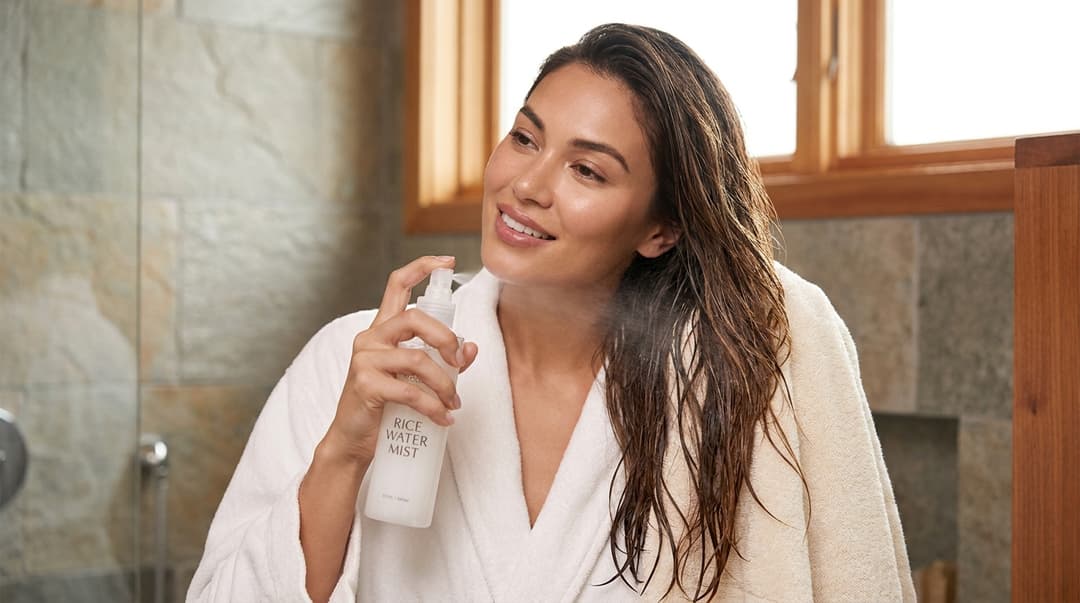
So, where does it fit into your routine? Use it after a gentle shampoo and before conditioner. If your hair feels coated after several treatments, wash with a clarifying shampoo, then take a break. A lightweight leave-in spray can add slip if your ends still tangle after rinsing.
How Often Should You Put Rice Water on Hair?
Start with once a week for five minutes. That's usually enough time to see whether your hair likes the treatment without piling on too much starchy residue.
If your strands stay soft and manageable, you can gradually extend the treatment to 10 minutes. I wouldn't use it daily, sleep in it, or leave it on for hours. More exposure doesn't mean more growth, and repeated coating can make some hair feel stiff or dull.
Use these signs to adjust your schedule:
- If your hair feels smooth and detangles easily, continue once weekly or every other week.
- If it feels dry, hard, tangled, or straw-like, stop for a few washes and focus on conditioner.
- If your roots become flat or waxy, use less rice water and keep it away from the scalp.
- If you notice itching, redness, flakes, or burning, rinse immediately and discontinue use.
Look, protein overload gets blamed for almost every bad DIY treatment online. Rice water is mostly starchy water, not a concentrated protein treatment. Still, buildup and stiffness are real possibilities, and how your hair feels is more useful than the label people give the reaction.
Can Rice Water Damage Hair or Irritate the Scalp?
Rice water isn't automatically gentle just because it's homemade. It can dry out some hair types, leave residue, worsen tangles, or irritate a sensitive scalp. Fermented batches can be especially unpredictable because their pH and microbial content aren't controlled like a professionally formulated product.
Consider skipping it if you have an active scalp rash, open sores, psoriasis flare, severe dandruff, or a known rice allergy. If you're sensitive, patch-test a small amount behind the ear or on the inner arm and wait 24 hours before applying it more widely.
Rice rinses also aren't a treatment for medical hair loss. Speak with a board-certified dermatologist if you notice:
- Sudden or patchy shedding
- A widening part or receding hairline
- Scalp pain, scarring, or persistent inflammation
- Hair loss after starting a medication
- Shedding that continues for more than three months
A dermatologist may check for causes such as iron deficiency, thyroid disorders, hormonal changes, traction, or hereditary hair loss. Those conditions need targeted care, not a kitchen rinse.
The Bottom Line
Rice water for hair growth is better viewed as an occasional cosmetic rinse than a proven growth treatment. It may make hair feel smoother, reduce friction, and support length retention by limiting breakage, but there's no solid evidence that it speeds follicle activity.
If you're curious, keep the experiment simple: use a fresh, diluted soak once a week, leave it on for five to 10 minutes, condition afterward, and pay attention to texture and scalp comfort. I've found that the best hair routines aren't the trendiest ones—they're the ones your hair can tolerate consistently.
Want more practical beauty advice without paying full price for everything? Sign up for Insider Beauty's weekly deals for editor-picked savings on hair care, skincare, and beauty essentials.
Want more tips and exclusive beauty deals delivered to your inbox? Pop your email in the box below and join thousands of insiders who save big every week.