
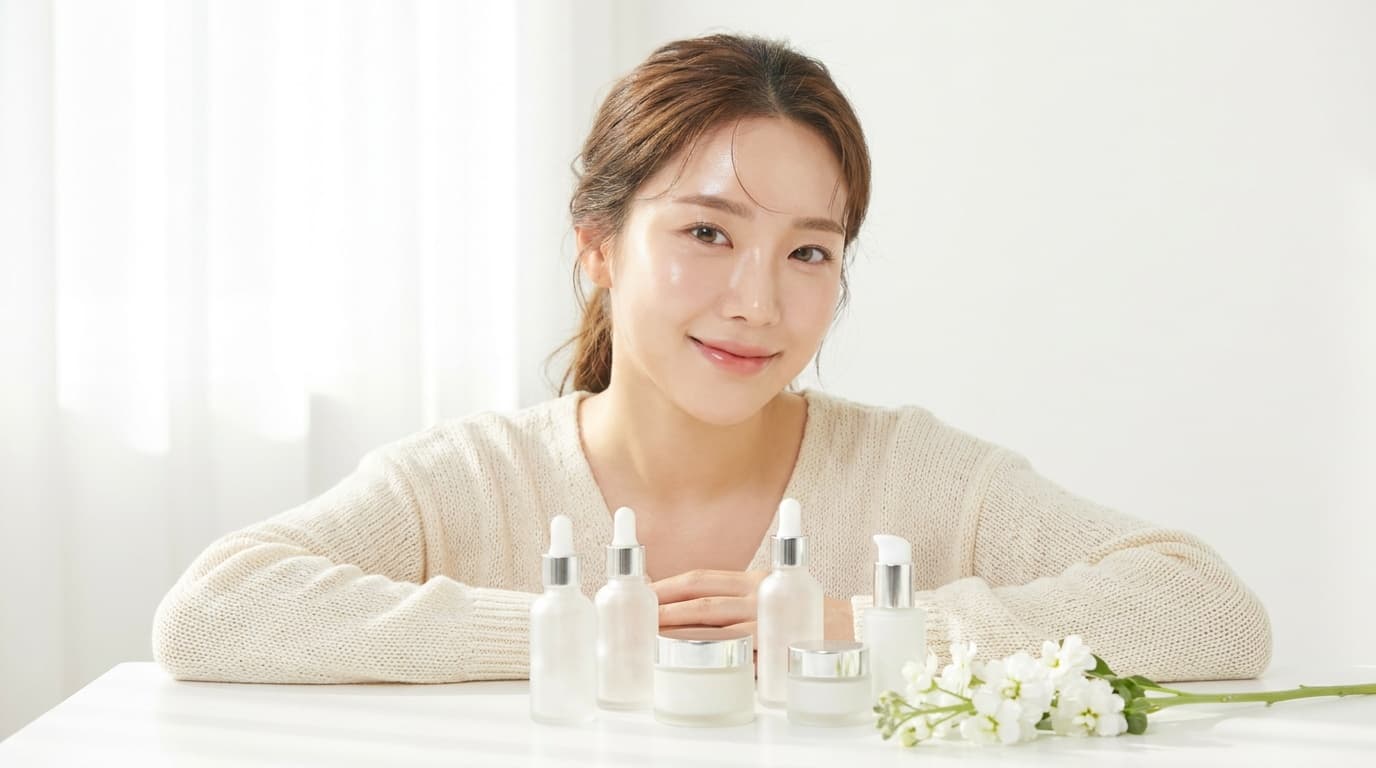
The best ingredients for anti-aging are retinoids, sunscreen, vitamin C, niacinamide, peptides, and exfoliating acids. These ingredients work because they target the big drivers of skin aging: collagen loss, sun damage, uneven pigment, dehydration, and slower cell turnover. Here's how to choose them and actually use them without wrecking your skin barrier.
Quick Takeaways
- Retinoids are the gold standard for fine lines, uneven texture, and collagen support.
- Daily sunscreen matters more than any serum if your goal is younger-looking skin.
- Vitamin C and niacinamide help brighten skin and defend against environmental damage.
- Peptides and hyaluronic acid support firmer, more hydrated skin, especially if you're dry or sensitive.
- You don't need a 10-step routine. A cleanser, moisturizer, sunscreen, and one or two treatment products can do a lot.
What are the best ingredients for anti-aging?
If you want the short answer, the best ingredients for anti-aging are the ones with the strongest research behind them: retinoids, broad-spectrum SPF, vitamin C, niacinamide, alpha hydroxy acids, peptides, and hyaluronic acid. I've found that most people do best when they stop chasing trendy actives and stick with a few proven ones consistently.
Skin aging happens for two main reasons:
- Intrinsic aging: The natural drop in collagen, elastin, and cell turnover that comes with time.
- Extrinsic aging: Outside stressors like UV rays, pollution, smoking, and poor sleep.
So, the smartest anti-aging routine does two things at once: prevent more damage and improve the changes you already see.
Why is sunscreen the most important anti-aging ingredient?
Honestly, sunscreen isn't the most exciting step, but it's the one that keeps your skin from backsliding. Up to 80% of visible facial aging is linked to UV exposure, including wrinkles, dark spots, rough texture, and loss of elasticity.
Here's why SPF belongs on every anti-aging list:
- It helps prevent collagen breakdown caused by UVA rays.
- It lowers the risk of sunspots and uneven tone.
- It protects the results you get from retinoids, acids, and brightening serums.
- It reduces daily inflammation, which can quietly speed up skin aging.
Look for a broad-spectrum sunscreen SPF 30 or higher every morning. Mineral sunscreen is often easier for sensitive skin, while chemical sunscreen can feel lighter on deeper skin tones or under makeup. A sunscreen lotion, gel, or tinted fluid all count, as long as you'll actually wear it.
How do retinoids help with wrinkles and collagen?
Retinoids are still the ingredient I recommend most for visible aging, and for good reason. They increase cell turnover, help normalize how skin sheds, and support collagen production over time. That translates to softer fine lines, smoother texture, fewer clogged pores, and more even tone.
Types of retinoids you might see include:
- Retinol: A gentler over-the-counter option for beginners.
- Retinal: Usually stronger than retinol and often works a bit faster.
- Adapalene: Great for acne-prone skin and may also help texture and early aging.
- Prescription retinoids: The strongest option for more significant photoaging.
If you're new to retinoids, start slow. Really slow. I've found that people often quit because they use too much too soon.
- Apply a pea-sized amount to dry skin at night.
- Start 2 nights a week for 2 weeks.
- Increase to every other night if your skin is tolerating it.
- Use moisturizer before or after if you tend to get dry.
- Wear sunscreen daily, because retinoids won't help much if UV damage keeps piling up.
A retinol serum or retinoid cream are the most common product types, and both can work well.
Which antioxidants are best for anti-aging?
Antioxidants help neutralize free radicals generated by UV light and pollution. They don't replace sunscreen, but they do add an extra layer of defense. For many people, this is where skin starts to look brighter and a little more alive.
The standout antioxidants include:
- Vitamin C: Helps brighten skin, support collagen, and fade post-sun discoloration. L-ascorbic acid is the best-studied form, often in the 10% to 20% range.
- Niacinamide: A multitasker that improves tone, supports the skin barrier, reduces redness, and can soften the look of pores and fine lines. Many formulas use 2% to 5%.
- Vitamin E and ferulic acid: Often paired with vitamin C to improve stability and antioxidant performance.
- Green tea polyphenols: Helpful for calming inflammation and oxidative stress, especially in sensitive skin.
So, if your skin is dull or blotchy, a vitamin C serum in the morning is a smart first move. If you're easily irritated, niacinamide may be the easier place to start.
Are peptides and hyaluronic acid worth using?
Yes, but with a little nuance. Peptides and hyaluronic acid aren't usually as transformative as retinoids for deep wrinkles, but they absolutely have a place in a good anti-aging routine.
Peptides are short chains of amino acids that can act as signaling molecules in skin. Some peptide formulas are designed to support firmness and improve the appearance of fine lines. The research isn't as robust across every peptide blend, but certain formulas can be helpful, especially when paired with moisturizers and retinoids.
Hyaluronic acid is a humectant, meaning it pulls water into the outer layer of skin. That won't rebuild collagen, but it can make skin look plumper and less crepey pretty quickly. Look, that immediate bounce is real, even if it's temporary.
These ingredients are especially useful if:
- Your skin feels tight, dry, or flaky
- You're using retinoids or acids and need hydration support
- You have sensitive skin and want lower-irritation anti-aging options
- You want smoother-looking makeup application
A hydrating serum and a barrier-repair moisturizer can make active ingredients much easier to tolerate.
Do exfoliating acids help with aging skin?
They can, as long as you don't overdo it. Alpha hydroxy acids, especially glycolic acid and lactic acid, help loosen dead skin cells on the surface. This can improve dullness, rough patches, mild discoloration, and fine lines caused by surface buildup.
Here's the difference:
- Glycolic acid: Penetrates deeply and works well for sun damage and texture, but can sting sensitive skin.
- Lactic acid: More gentle and hydrating, often better for dry or reactive skin.
- PHAs: A milder option if your barrier gets cranky fast.
I've found that exfoliating once or twice a week is usually enough for most people. More isn't better. Too much acid can lead to redness, burning, and a damaged barrier, which actually makes skin look older and more inflamed.
If you're already using a retinoid, keep exfoliation light. Alternate nights instead of stacking everything together.
How should you build an anti-aging routine that works?
The best ingredients for anti-aging only help if you use them consistently and in a routine your skin can tolerate. You really don't need a crowded shelf.
A simple anti-aging routine can look like this:
Morning
- Gentle cleanser
- Vitamin C serum or niacinamide serum
- Moisturizer
- Broad-spectrum SPF 30+
Night
- Cleanser
- Retinoid or retinol serum
- Moisturizer
Optional add-ons:
- Exfoliating acid 1 to 2 nights a week
- Peptide serum on non-retinoid nights
- Hyaluronic acid serum under moisturizer if you're dry
A few practical tips that make a difference fast:
- Patch test new actives on a small area for a few days.
- Introduce one ingredient at a time so you know what's helping or irritating you.
- Give products 8 to 12 weeks before judging results, especially retinoids.
- Use enough sunscreen. Most adults need about a nickel-sized amount for the face and neck.
- Don't chase high percentages if your skin is red, peeling, or stinging.
Which anti-aging ingredients should sensitive skin avoid?
Sensitive skin can still use the best ingredients for anti-aging, but the approach should be gentler. The most common troublemakers are strong retinoids, high-strength acids, and fragranced formulas with too many extras.
If your skin gets irritated easily:
- Start with niacinamide, peptides, and hyaluronic acid
- Choose retinol over stronger prescription-strength options at first
- Use lactic acid or PHAs instead of aggressive glycolic acid
- Buffer actives with moisturizer
- Avoid layering multiple strong exfoliants in one routine
So, the goal isn't to avoid anti-aging ingredients altogether. It's to use the right dose, the right frequency, and a routine that protects your skin barrier.
The Bottom Line
The best ingredients for anti-aging are sunscreen, retinoids, vitamin C, niacinamide, peptides, hyaluronic acid, and exfoliating acids used strategically. If you want the biggest payoff, start with daily SPF and a nighttime retinoid, then add antioxidants and hydrators based on your skin's needs.
Honestly, consistency beats complexity every time. A few evidence-backed products used regularly will do more for your skin than an expensive routine full of random actives.
If you want more smart beauty picks and editor-approved savings, sign up for Insider Beauty's weekly deals.
Want more tips and exclusive beauty deals delivered to your inbox? Pop your email in the box below and join thousands of insiders who save big every week.