

So, how often should you exfoliate your face? Most people should exfoliate one to three times per week, starting with once weekly and increasing only if their skin stays comfortable. Your ideal schedule depends on your skin type, the exfoliant's strength, and whether you use potentially irritating products such as retinoids.
Quick Takeaways
- Start once a week: This gives you time to see how your skin responds before increasing the frequency.
- Oily skin may tolerate more: Two or three weekly sessions can work, especially with a salicylic acid exfoliant.
- Dry or sensitive skin needs less: Once weekly or even every other week may be enough.
- Don't stack strong actives: Using exfoliating acids, retinoids, and benzoyl peroxide in the same routine can trigger irritation.
- Daily sunscreen is essential: Exfoliated skin can be more vulnerable to UV damage, particularly when you're using alpha hydroxy acids.
How Often Should You Exfoliate Your Face?

A good rule of thumb is one to three times per week, but more isn't automatically better. Exfoliation removes or loosens dead cells from the surface of your skin. Done thoughtfully, it can help smooth rough texture, brighten dullness, and keep pores looking clearer. Done too often, it can disrupt the skin barrier and leave your face red, tight, flaky, or suddenly sensitive.
Honestly, I've found that starting slowly is the best approach, even when a product's directions say it can be used every day. Begin once weekly for two to three weeks. If your skin isn't stinging, peeling, or feeling unusually dry, you can add a second weekly application.
Some gentle exfoliating toners and cleansers are formulated for frequent use, but the label isn't a personal prescription. Formula strength, pH, contact time, and your entire routine all affect how your skin responds.
What Is the Best Exfoliation Schedule by Skin Type?
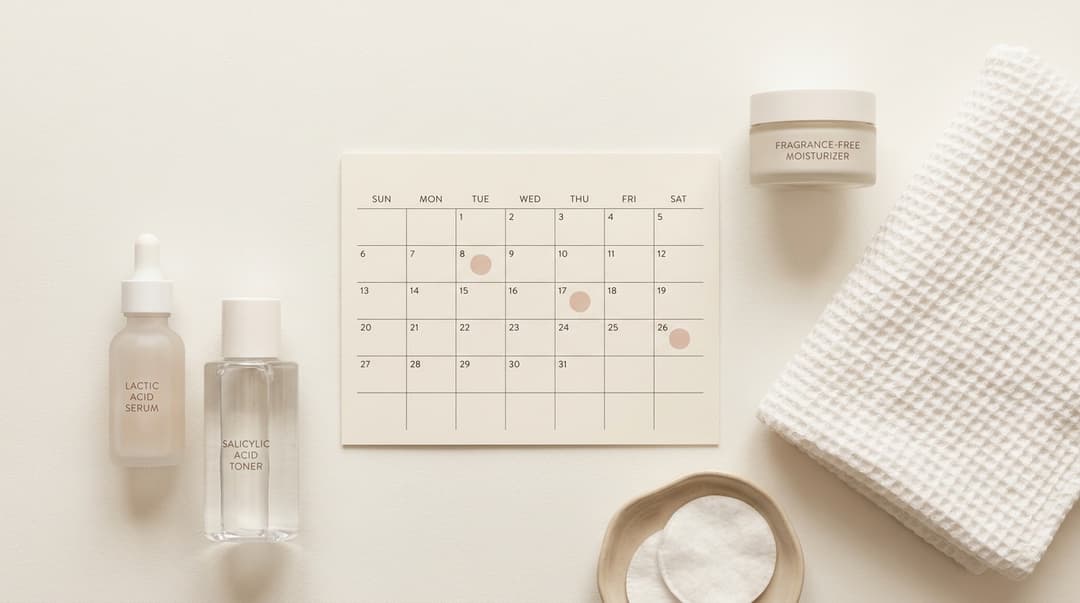
Your skin type offers a useful starting point, though it isn't the only factor. Seasonal weather, hormonal changes, medications, and treatments can all change your tolerance.
- Normal or combination skin: Try exfoliating one or two times per week. You can apply the product mainly to oilier areas if your cheeks tend to feel dry.
- Oily or acne-prone skin: Two or three times per week may be appropriate. A beta hydroxy acid such as salicylic acid is oil-soluble, allowing it to work inside congested pores.
- Dry skin: Stick with once weekly. A mild alpha hydroxy acid such as lactic acid may feel more comfortable than a harsh scrub, and some formulas also have humectant properties.
- Sensitive skin: Start once every one to two weeks with a low-strength formula. Patch-test first and avoid exfoliating during a flare.
- Mature skin: One or two times per week is usually plenty. Cell turnover slows with age, but mature skin may also be drier and more easily irritated.
Look, these are guidelines, not quotas. You don't need to reach three sessions a week to get results. If your face looks smooth and feels comfortable at once weekly, stay there.
People with eczema, rosacea, active dermatitis, open skin, or painful inflammatory acne should check with a board-certified dermatologist before adding an exfoliant. Professional peels and resurfacing treatments also require their own aftercare schedule.
Should You Use a Chemical or Physical Exfoliant?
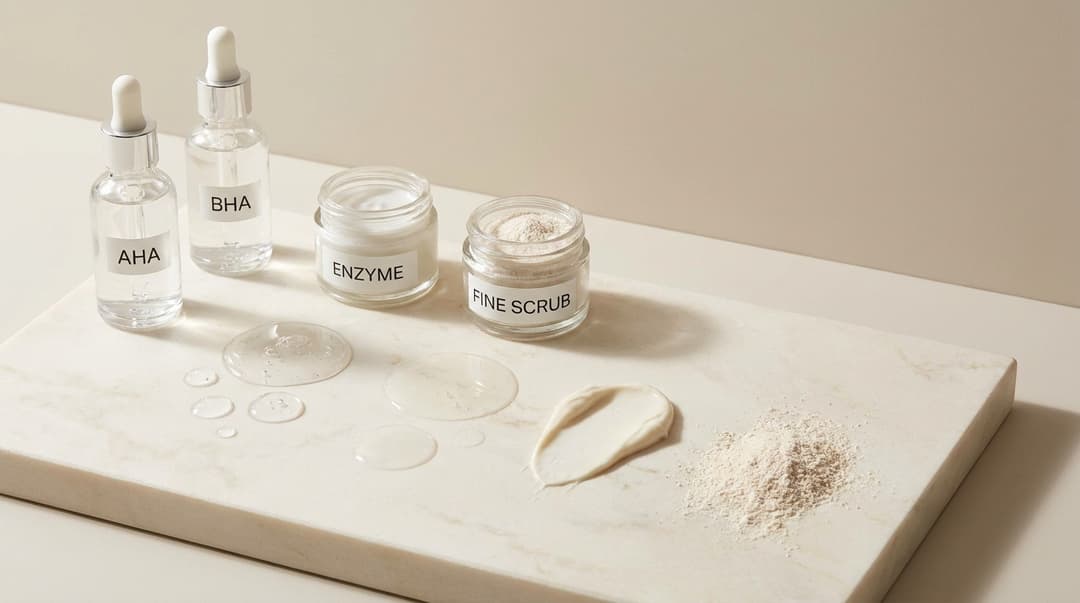
Both methods remove dead surface cells, but they work differently. Chemical exfoliants use acids or enzymes to loosen the bonds between dead cells. Physical exfoliants use friction to manually buff them away.
Three common product types include:
- Leave-on AHA or BHA exfoliant: Glycolic and lactic acids primarily target surface texture, while salicylic acid can help with oily pores and blackheads.
- Enzyme mask: Fruit-derived enzymes offer surface exfoliation and are often used for a shorter contact time, though they can still irritate sensitive skin.
- Fine-particle facial scrub: This physically polishes the skin. Choose smooth, fine particles and use very light pressure rather than scrubbing until your face feels squeaky.
I generally prefer a well-formulated chemical exfoliant because the application is more even and doesn't depend on how hard you rub. Still, a gentle scrub can work for some people. Skip coarse particles, rough cleansing tools, and DIY ingredients such as sugar or baking soda, which can be abrasive or interfere with the skin's natural pH.
You also don't need to use a scrub and an acid on the same day. Pick one method, assess your skin, and keep the rest of the routine simple.
How Can You Exfoliate Your Face Safely?

The safest routine is gentle, consistent, and honestly a little boring. That's a good thing when you're protecting your skin barrier.
- Patch-test the product. Apply a small amount near the jaw or behind the ear and wait 24 to 48 hours for signs of irritation.
- Use it at night to start. This makes it easier to keep the routine simple and avoid immediately layering makeup or multiple active ingredients.
- Follow the directions. Apply leave-on acids as instructed, and never leave a rinse-off peel on longer in hopes of getting faster results.
- Moisturize afterward. Choose a fragrance-free moisturizer containing ingredients such as ceramides, glycerin, or squalane to support the skin barrier.
- Wear broad-spectrum SPF 30 or higher. Apply it every morning and reapply when you're outdoors, since some exfoliating acids increase sun sensitivity.
- Increase slowly. Wait at least two to three weeks before moving from once to twice weekly, and change only one part of your routine at a time.
A mild, brief tingle can happen with some acid products, but strong burning isn't something to push through. Rinse the product off if the discomfort becomes intense or continues to worsen.
What Are the Signs You're Exfoliating Too Much?
Over-exfoliation can look like acne at first because an impaired barrier may produce tiny bumps and inflammation. The timing is a clue: if the problem started after adding an acid, scrub, peel, or exfoliating tool, take a break.
Watch for these warning signs:
- Persistent redness or warmth
- Burning when you apply plain moisturizer
- Tight, shiny, or papery-looking skin
- Flaking around the nose, mouth, or eyes
- Sudden sensitivity to products you normally tolerate
- More bumps, itching, or inflammation
If this happens, stop exfoliating for at least one to two weeks. Use a gentle cleanser, a bland moisturizer, and sunscreen while your skin settles. Avoid retinoids, benzoyl peroxide, vitamin C acids, and other potentially irritating actives during that reset.
When your skin feels normal again, restart at a lower frequency or choose a milder formula. Seek medical care if you develop swelling, blistering, severe pain, or irritation that doesn't improve.
If you already use a prescription or over-the-counter retinoid, you may only need exfoliation once weekly—or not at all. Try alternating nights rather than applying both products together. The same cautious approach applies to benzoyl peroxide and strong vitamin C formulas. Your skin doesn't earn bonus points for tolerating every active at once.
The Bottom Line
For most people asking how often should you exfoliate your face, one to three times per week is the practical answer. Start once weekly, adjust based on your skin type and product strength, and scale back at the first sign of burning, flaking, or persistent redness.
So, focus less on chasing a perfectly smooth feeling and more on keeping your skin calm, hydrated, and protected with SPF. Consistency beats intensity here.
Want smart skincare picks without paying full price? Sign up for Insider Beauty's weekly deals to get editor-curated offers delivered to your inbox.
Want more tips and exclusive beauty deals delivered to your inbox? Pop your email in the box below and join thousands of insiders who save big every week.