

Niacinamide benefits for skin are well backed by research: it helps strengthen the skin barrier, reduce oiliness, calm redness, and improve uneven tone. It’s one of the most versatile skincare ingredients because most skin types can use it daily, often with fewer side effects than stronger actives.
Quick Takeaways
- Niacinamide helps your skin barrier: It supports ceramide production, which can reduce dryness and irritation.
- It can balance oil: Studies suggest niacinamide may help decrease excess sebum over time.
- It improves tone and texture: Regular use can help fade post-acne marks and smooth rough-looking skin.
- It’s generally easy to pair: Niacinamide works well in serums, moisturizers, and toners, and it layers with many common ingredients.
- Most people do well with 2% to 5%: Higher percentages aren’t always better and can sometimes be irritating.
What are niacinamide benefits for skin?

Niacinamide, a form of vitamin B3, is one of those ingredients I come back to again and again in practice because it does a lot without being overly fussy. The main niacinamide benefits for skin include improving barrier function, softening the look of pores, reducing excess shine, brightening uneven pigmentation, and calming inflammation.
So, why does it work so well? Niacinamide supports the skin’s natural production of ceramides and free fatty acids, which are key parts of a healthy barrier. A stronger barrier means your skin holds onto water better and reacts less dramatically to irritants, weather changes, or overuse of harsh products.
I've found that people who say their skin is “sensitive but also breaking out” often do especially well with niacinamide. It’s one of the few ingredients that can help both concerns at the same time.
Is niacinamide good for acne, oil, and large pores?

Yes, niacinamide can be very helpful for oily and acne-prone skin. It doesn’t replace acne medications when breakouts are more severe, but it can absolutely support a routine.
Here’s how it helps:
- Oil control: Niacinamide may help regulate visible oiliness, so skin looks less greasy through the day.
- Pore appearance: It can make pores look smaller by reducing congestion and improving skin texture, though it doesn’t literally shrink pore size.
- Redness from breakouts: Its anti-inflammatory effects can calm the angry, blotchy look that often comes with acne.
- Post-acne marks: Niacinamide can help fade the brown or red marks left behind after pimples heal.
Honestly, this is why niacinamide serums are so popular. They’re easy to add to a routine and tend to play nicely with acne staples like salicylic acid or adapalene, as long as you’re not overdoing everything at once.
Does niacinamide help dark spots and uneven skin tone?
It can, especially for post-inflammatory hyperpigmentation—those lingering marks after acne, bug bites, or irritation. Niacinamide helps by interrupting the transfer of pigment from melanocytes to surrounding skin cells. In plain English, that means it can gradually make discoloration less obvious.
If dark spots are your main concern, consistency matters more than chasing the highest percentage. I usually tell patients to think in terms of 8 to 12 weeks of regular use, not 8 to 12 days. Skin brightening is usually a slow, kind of annoying process.
For tone correction, niacinamide works especially well in:
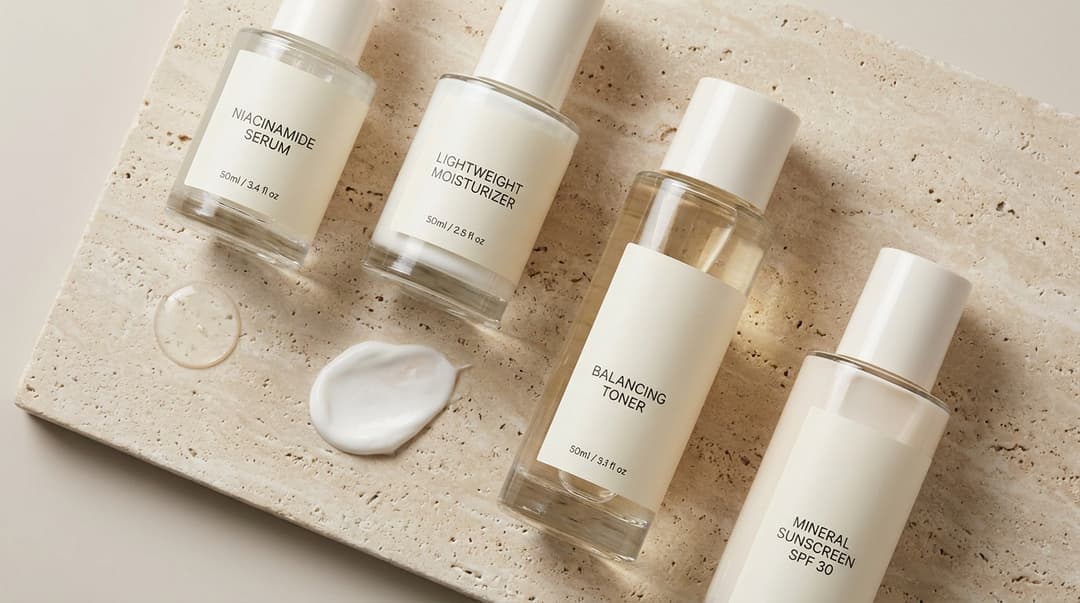
- Serums for targeted daily use
- Moisturizers if your skin gets easily irritated
- Toners or essences for lightweight layering
Look, if you’re dealing with melasma or deeper pigmentation, niacinamide may help, but it’s usually not enough on its own. You’ll get much better results when it’s paired with daily sunscreen.
How does niacinamide strengthen the skin barrier?
This is probably the most underrated of all niacinamide benefits for skin. Your skin barrier is the outer protective layer that keeps moisture in and irritants out. When that barrier gets disrupted, skin can feel tight, stingy, flaky, or weirdly shiny at the same time.
Niacinamide helps by supporting the production of ceramides, which are lipids your skin needs to stay resilient. A healthier barrier can lead to:
- Less water loss
- Fewer dry patches
- Reduced sensitivity
- Better tolerance of active ingredients like retinoids or exfoliating acids
I’ve found that people often think they need a stronger acne product when what they really need is barrier repair. Adding niacinamide through a basic moisturizer or serum can make the whole routine work better.
What percentage of niacinamide should you use?
More is not automatically better. For most people, 2% to 5% niacinamide is enough to see real benefits. That range is well tolerated and supported by research for concerns like barrier support, oil control, and mild discoloration.
Higher concentrations, like 10% or more, can work for some people, but they’re also more likely to cause:
- Flushing
- Itching
- Burning or tingling
- New irritation that gets mistaken for “purging”
So if you’re new to it, start lower. Your skin doesn’t care about hype the way marketing does.
How do you use niacinamide in a skincare routine?

Niacinamide is pretty flexible, which is part of its appeal. You can use it once or twice a day depending on the product and your skin’s tolerance.
Here’s a simple way to start:
- Cleanse with a gentle face wash.
- Apply a niacinamide serum or toner to dry skin.
- Follow with a moisturizer to lock in hydration.
- Use sunscreen every morning, especially if you’re treating dark spots.
- If using stronger actives, add them slowly so your barrier doesn’t get overwhelmed.
A few practical tips:
- For sensitive skin: Try niacinamide in a moisturizer instead of a concentrated serum.
- For oily skin: A lightweight serum or gel formula usually feels better.
- For dry skin: Pair it with glycerin, hyaluronic acid, or ceramide-rich creams.
- For acne-prone skin: Combine it with salicylic acid on alternate applications if your skin tolerates both.
There’s been a lot of chatter online about whether niacinamide can’t be used with vitamin C. In real-life skincare, most modern formulas can be used together just fine. If your skin is reactive, you can separate them—vitamin C in the morning, niacinamide at night—but you usually don’t have to.
Who should use niacinamide and who should be careful?
Most skin types can benefit from niacinamide, including:
- Oily skin
- Combination skin
- Sensitive skin
- Acne-prone skin
- Dry or barrier-damaged skin
- Skin with post-acne marks or uneven tone
Still, a few people do react to it, especially with very high-strength formulas. If your skin burns, flushes, or gets itchy after application, stop and reassess. It might be the niacinamide concentration, or it could be another ingredient in the formula.
A patch test is worth doing if you’re prone to eczema, rosacea, or contact dermatitis. Not glamorous, I know, but helpful.
The Bottom Line
The biggest niacinamide benefits for skin are better barrier function, less visible oil, calmer redness, and gradual improvement in uneven tone. It’s one of the most practical skincare ingredients because it works for many concerns at once and usually fits easily into both simple and advanced routines.
If you want one place to start today, choose a 2% to 5% niacinamide serum or moisturizer, use it consistently, and don’t skip sunscreen. That combo tends to give the best payoff without unnecessary irritation.
For more smart skincare tips and a few very good finds, sign up for Insider Beauty’s weekly deals.
Want more tips and exclusive beauty deals delivered to your inbox? Pop your email in the box below and join thousands of insiders who save big every week.