
Retinol for beginners works best when you start with a low strength, use it just 1 to 2 nights a week, and pair it with a gentle moisturizer and daily SPF. This approach helps your skin adjust while still getting the smoothing, brightening, and acne-supporting benefits retinol is known for. Here's exactly how to build a beginner-friendly routine without frying your barrier.
Quick Takeaways
- Start low and slow: Use a low-strength retinol 1 to 2 nights a week for the first few weeks.
- Use less than you think: A pea-sized amount is enough for your full face.
- Buffer with moisture: Pair retinol with a cream moisturizer to reduce dryness and flaking.
- Never skip sunscreen: Retinol can make skin more sun-sensitive, so use SPF 30 or higher every morning.
- Be patient: Most beginners see early texture changes in 6 to 8 weeks, with fuller results in 3 months or longer.
What is retinol and what does it do?

Retinol is a vitamin A derivative that helps speed up skin cell turnover and supports collagen production over time. In plain English, that means it can help with fine lines, rough texture, clogged pores, post-acne marks, and uneven tone.
So, why does everyone make such a big deal about it? Because retinol is one of the most researched skincare ingredients out there. I've found that beginners often expect overnight magic, but retinol is more of a steady worker. It improves skin gradually, and that's honestly part of why it lasts.
A good retinol for beginners guide should also mention the catch: the same process that improves skin can also cause dryness, redness, peeling, and stinging if you go too hard too fast.
How do beginners start using retinol?
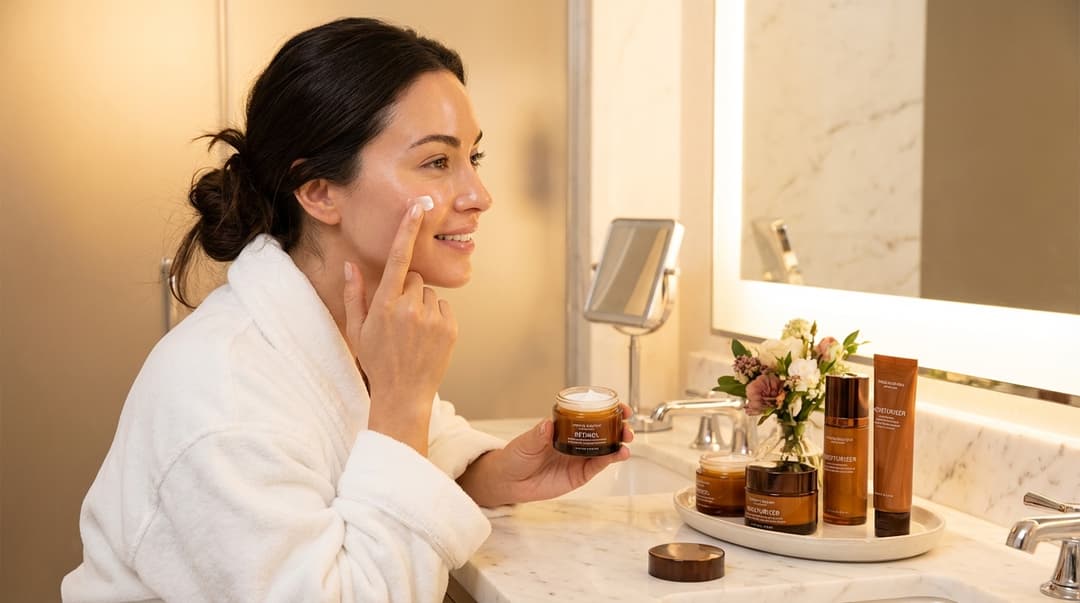
The safest way to start retinol is to keep both the strength and frequency low.
- Choose a low-strength retinol serum or cream.
- Apply it at night only.
- Start with 1 to 2 nights per week for the first 2 weeks.
- Increase to every third night if your skin feels comfortable.
- Work up to alternate nights, then nightly only if your skin truly tolerates it.
A pea-sized amount is enough for the whole face. More product won't get you faster results. Usually it just gets you more irritation, which, yeah, no thanks.
If your skin is reactive, try the "sandwich" method:
- Apply a thin layer of cream moisturizer
- Apply your retinol
- Finish with another layer of moisturizer
This can soften the impact without making retinol useless. I recommend this a lot for dry or sensitive skin types.
What strength retinol should beginners use?
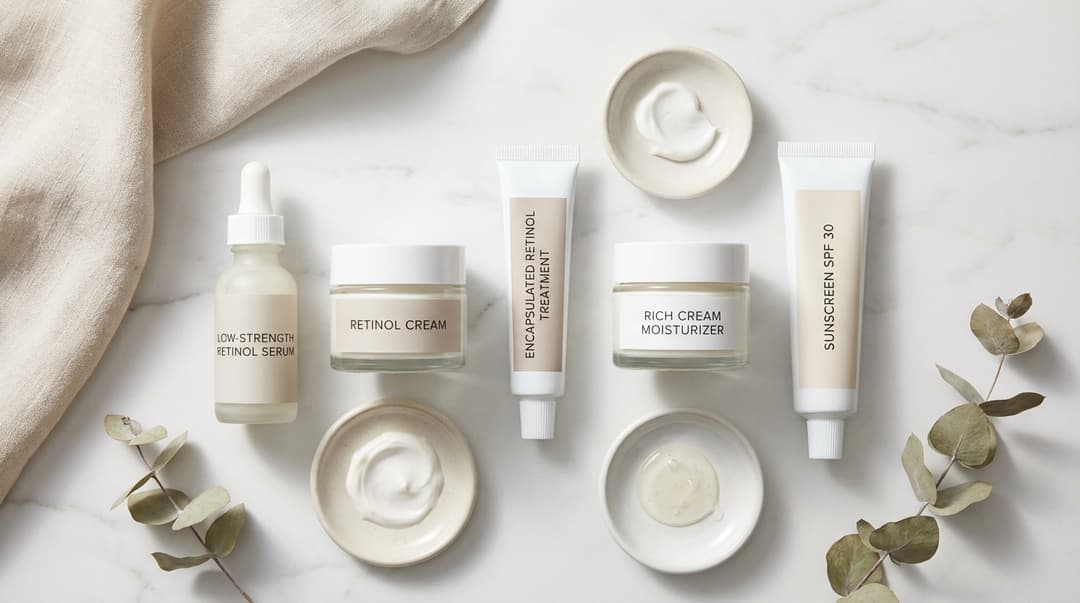
For most people, a beginner-friendly range is around 0.1% to 0.3% retinol. If your product doesn't list a percentage, look for language like "gentle," "starter," or "encapsulated retinol," which tends to release more slowly and feel less harsh.
Here are the easiest product types for beginners:
- Retinol cream: Usually better for dry or sensitive skin because it often includes moisturizing ingredients.
- Retinol serum: Nice for normal, combination, or oily skin, especially if you want a lighter texture.
- Encapsulated retinol treatment: A smart pick if you're worried about irritation and want a slower-release formula.
Look for supportive ingredients like ceramides, glycerin, hyaluronic acid, squalane, niacinamide, and panthenol. These help keep the skin barrier comfortable while retinol does its thing.
Honestly, I tend to be cautious with formulas packed with extra acids or strong fragrance. A retinol beginner doesn't need a product that's trying to do twelve things at once.
How do you build a beginner retinol routine?
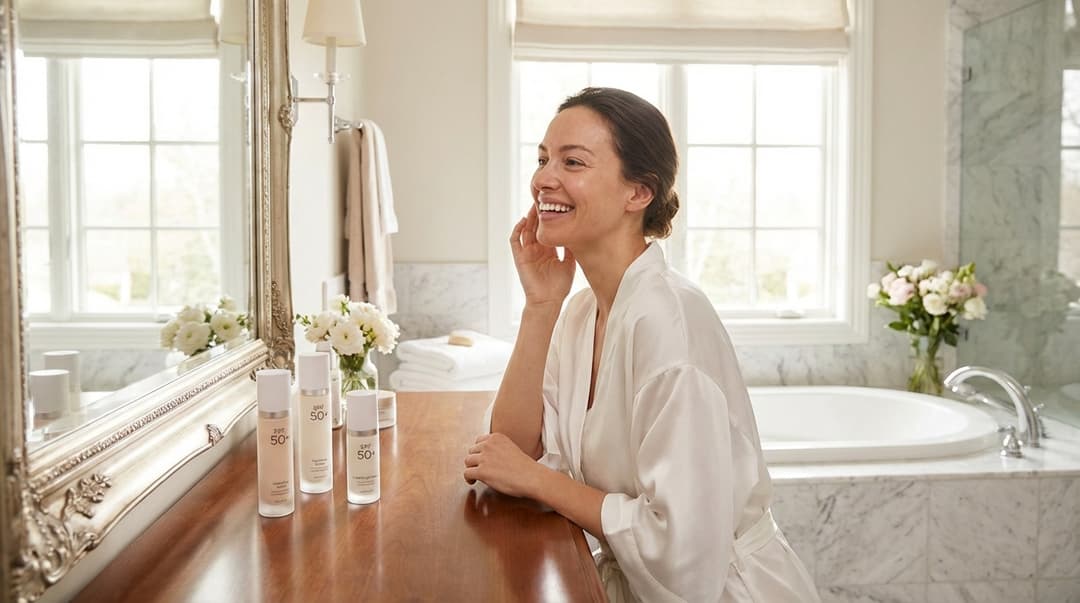
A simple routine is your best friend here. This is not the moment for layering every active ingredient you own.
Morning routine
- Gentle cleanser or just rinse with water
- Hydrating serum if you like one
- Moisturizer
- Broad-spectrum sunscreen SPF 30 or higher
Night routine on retinol days
- Gentle cleanser
- Moisturizer, if you're buffering
- Pea-sized amount of retinol
- Moisturizer
Night routine on non-retinol days
- Gentle cleanser
- Hydrating or barrier-supporting serum
- Moisturizer
Look, consistency matters more than intensity. If you use retinol once, irritate your face, then avoid it for two weeks, you're not really giving your skin a fair shot.
What should you avoid when using retinol?
This is where a lot of beginners get tripped up. Retinol doesn't always play nicely with every active, especially at first.
Try not to combine retinol in the same routine with:
- AHAs or BHAs like glycolic acid, lactic acid, or salicylic acid
- Benzoyl peroxide, unless a dermatologist tells you otherwise
- Strong physical scrubs
- Other retinoids
- Harsh cleansers with sulfates or high alcohol content
That doesn't mean you can never use exfoliating acids. It just means you probably shouldn't stack them on the same night while your skin is still adjusting.
Also, don't apply retinol to wet skin if you're irritation-prone. Damp skin can increase penetration, which sounds efficient but can feel pretty spicy.
And one more thing: if you're pregnant or breastfeeding, check with your doctor before using retinol or other vitamin A derivatives.
Is purging normal or is retinol irritating your skin?
A little adjustment phase can happen, but not every bad reaction is "purging." That's one of those skincare myths that gets stretched way too far.
Possible short-term adjustment signs:
- Mild dryness
- Light flaking
- Slight tightness
- A few small breakouts in areas where you usually get clogged pores
Signs you need to back off:
- Burning
- Ongoing redness
- Cracked or shiny skin
- Itching
- Peeling that feels severe
- Breakouts in unusual areas
If that second list sounds familiar, stop retinol for a few days and focus on barrier repair with a bland moisturizer. Once your skin calms down, restart at a lower frequency.
I've found that a lot of people blame retinol when the real issue is overdoing everything else around it. A gentle cleanser, fewer actives, and a boring moisturizer can save the day.
When will you see results from retinol?
Retinol takes time, so try not to judge it after one week.
A realistic timeline looks like this:
- Weeks 1 to 2: Skin may feel drier or a bit more reactive.
- Weeks 3 to 6: Early improvements in texture and clogged pores may start to show.
- Weeks 6 to 12: Tone can look more even, and post-acne marks may begin fading.
- 3 to 6 months: Fine lines and overall smoothness usually improve more noticeably.
The biggest mistake? Quitting too soon or increasing too fast. This retinol for beginners guide really comes down to patience, barrier care, and sunscreen.
How do you choose the best retinol for your skin type?
A few quick matchups can make shopping way less confusing.
- Dry skin: Choose a retinol cream with ceramides, squalane, or shea butter.
- Oily or acne-prone skin: Try a lightweight retinol serum with niacinamide and non-comedogenic hydrators.
- Sensitive skin: Look for encapsulated retinol or lower-strength formulas with panthenol and minimal fragrance.
- Combination skin: A simple serum plus a separate moisturizer gives you flexibility.
If your skin is very sensitive, you might even start with a retinoid alternative for a few weeks while you improve your barrier. Then add true retinol slowly. That's not cheating. That's just smart skincare.
The Bottom Line
The best retinol for beginners guide is actually pretty simple: start with a low-strength formula, use it only a couple nights a week, moisturize generously, and wear sunscreen every single morning. Retinol can help with texture, breakouts, and fine lines, but your skin will get there faster if you respect its limits.
So, keep it gentle and boring at first. That's usually what works.
If you want more ingredient-smart skincare tips and a heads-up on Insider Beauty's weekly deals, sign up for our newsletter and I'll send the good stuff your way.
Want more tips and exclusive beauty deals delivered to your inbox? Pop your email in the box below and join thousands of insiders who save big every week.