
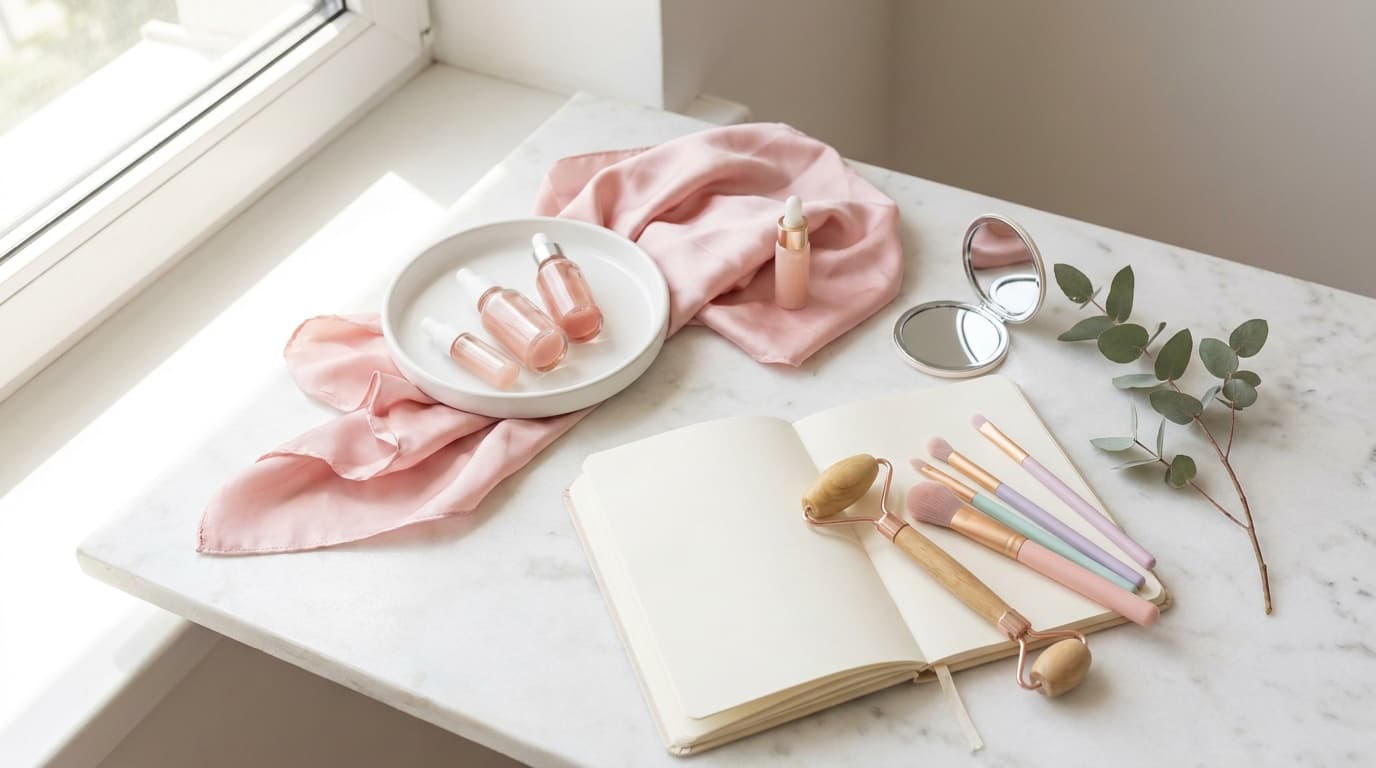
The beauty trends worth trying right now prioritize healthy skin, wearable color, thoughtful ingredients, and less waste. The strongest options include barrier-supporting skincare, soft-focus makeup, scalp care, refillable packaging, and multipurpose products. You can test any of them without replacing your whole routine or chasing every viral launch.
Quick Takeaways
- Skin health comes first: Ceramides, glycerin, squalane, and niacinamide can support hydration and a stronger-looking skin barrier.
- Makeup is softer and easier: Blurred lips, sheer complexion products, and diffused blush are more forgiving than heavily sculpted looks.
- Scalp care is becoming routine: Gentle exfoliation and lightweight hydration can help manage buildup without stripping the scalp.
- Low-waste formats are improving: Refills, concentrates, and multipurpose products can reduce packaging when you'll actually finish them.
- Slow experimentation works best: Add one trend at a time and give your skin at least a couple of weeks to respond.
Which Beauty Trends Are Worth Trying?
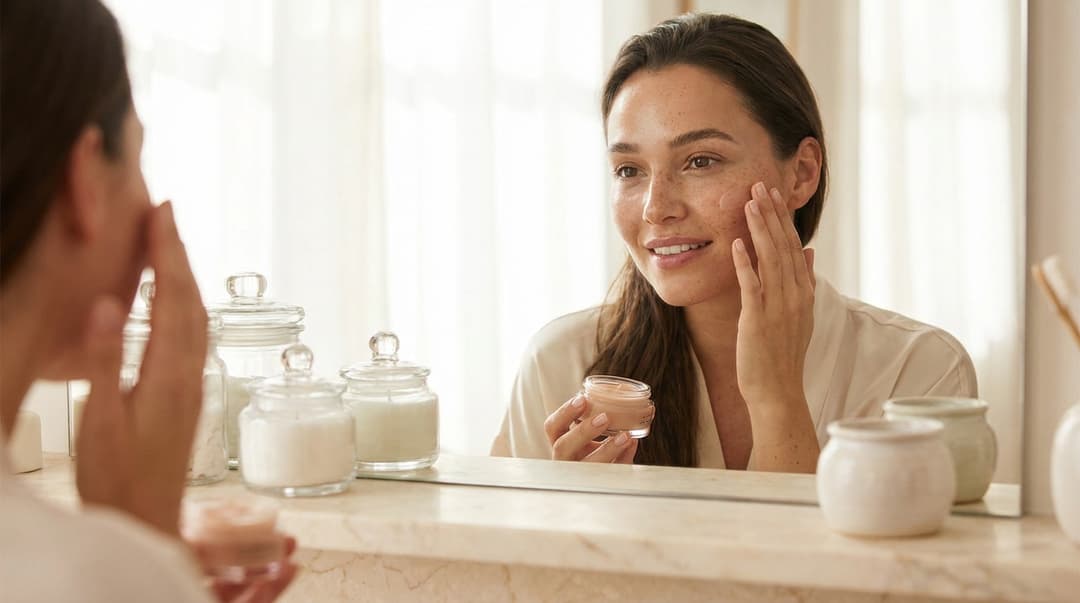
The best trends solve a real problem, fit into your current routine, and don't require a drawer full of nearly identical products. These nine options balance creativity with practicality.
- Barrier-supporting skincare: Look for moisturizers containing ceramides, glycerin, panthenol, fatty acids, or squalane. These ingredients help reduce moisture loss and support softer, calmer-looking skin. Apply moisturizer to slightly damp skin, especially after cleansing, and keep strong exfoliating acids to a few nights per week rather than layering everything at once.
- Sheer skin tints: A lightweight skin tint evens out tone while allowing freckles and natural texture to show through. Start with half a pump applied using clean fingers, then add coverage only where you need it. A tint isn't automatically sunscreen, though. Unless you apply the labeled amount evenly, use a separate broad-spectrum SPF 30 or higher underneath.
- Diffused blush: Blush is spreading beyond the apples of the cheeks for a soft, outdoorsy flush. A cream blush works especially well because you can tap it over the cheeks, blend the remaining pigment toward the temples, and even press a tiny amount onto the lips. I've found that using what's left on the brush or fingertips looks more believable than adding a fresh swipe near the hairline.
- Blurred lip color: Instead of a sharply outlined lip, pigment is concentrated near the center and gently softened around the edges. Dab on a lip stain or tinted balm, blot once, and blend with a fingertip. This technique fades gracefully, which is handy if constant touch-ups aren't your thing.
- Peptide lip care: Peptide lip treatments combine the comfort of a balm with ingredients intended to support a smoother appearance. Peptides can be nice supporting players, but humectants and occlusives do much of the immediate work. Look for glycerin, plant oils, shea butter, or petrolatum depending on your preferences and sensitivities.
- Skinimalist multipurpose products: One flexible formula can sometimes replace several single-use items. Tinted balms, cream color sticks, and fragrance-free face-and-body moisturizers are practical examples. Choose shades and textures you'll use regularly; a multipurpose label doesn't reduce waste if the formula sits untouched.
- Scalp-focused care: Scalp serums and pre-shampoo treatments are moving beyond salon routines. For mild oil or product buildup, try a rinse-off treatment with salicylic acid once weekly, following the label carefully. If your scalp is dry, skip aggressive scrubs and consider a lightweight, fragrance-free hydrating serum instead.
- Refillable beauty packaging: Refillable compacts, lip colors, and cleansers can lower packaging use, particularly when the refill contains substantially less material than the original container. Before buying, check whether refills are easy to order, cost less than the full product, and can be recycled locally. Otherwise, the pretty outer case may become extra clutter.
- Intentional shimmer: Fine, strategically placed shimmer is replacing all-over sparkle. Tap a small amount onto the inner corners of the eyes, center of the lids, or tops of the cheekbones. If environmental impact matters to you, look for cellulose-based glitter or responsibly sourced mineral pigments rather than loose plastic glitter.
What Ingredients Fit These Beauty Trends?
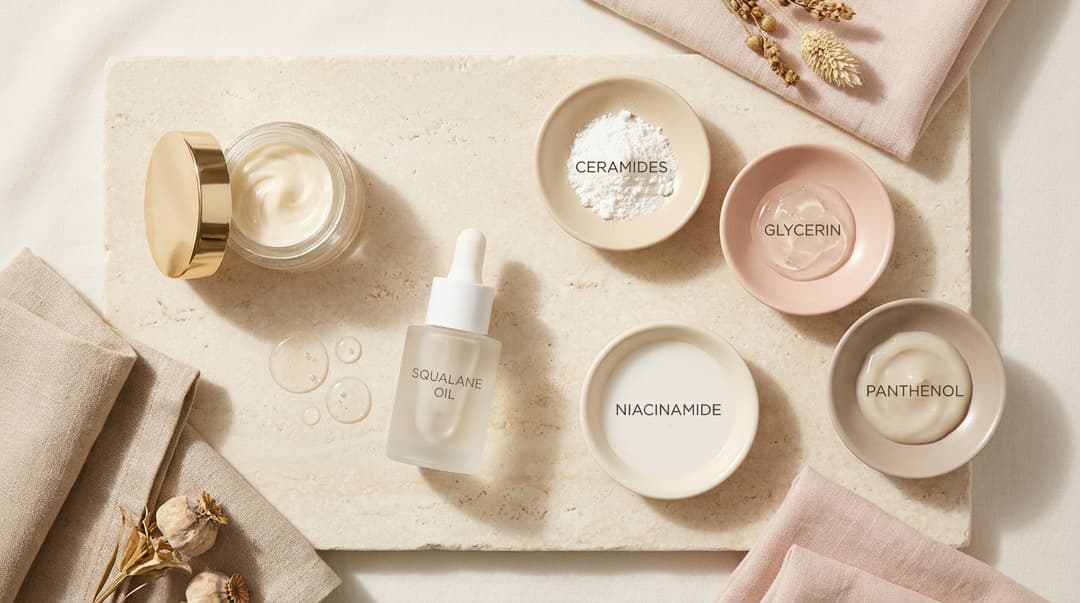
So, ingredient lists matter more than buzzy names on the front of a jar. A product marketed for barrier repair, for example, should contain ingredients that hydrate, soften, or reduce water loss.
Useful ingredients to watch for include:
- Glycerin: A humectant that attracts water and works across many skin types.
- Ceramides: Lipids naturally present in the skin barrier that can help support moisture retention.
- Niacinamide: A form of vitamin B3 that may support the barrier and improve the look of uneven tone. Sensitive skin may prefer lower concentrations.
- Squalane: A lightweight emollient that softens skin without feeling as heavy as some plant butters.
- Panthenol: Also called provitamin B5, it offers hydrating and soothing benefits.
- Salicylic acid: An oil-soluble exfoliant useful for clogged pores and scalp buildup, though overuse may cause dryness.
Look, more isn't always better. A 2% to 5% niacinamide formula may be plenty for many routines, while stronger products can feel irritating on reactive skin. Fragrance-free options are also worth considering if you're prone to sensitivity, although fragrance-free doesn't guarantee that a formula will suit everyone.
How Can Beauty Trends Create Less Waste?
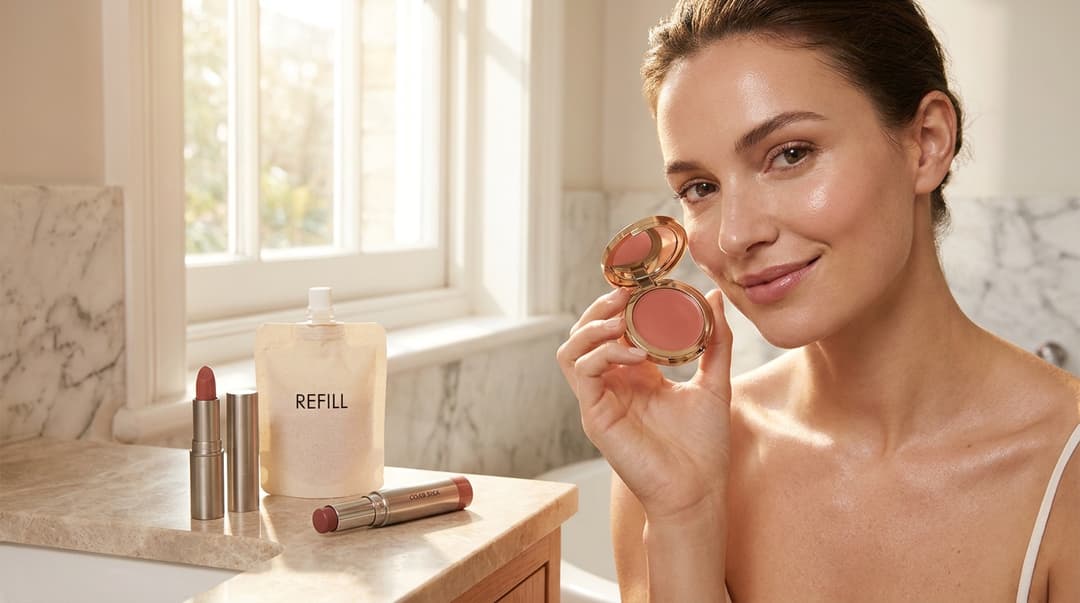
A sustainable routine isn't defined by buying products covered in leaves or packaged in beige cardboard. Using what you own, choosing versatile formulas, and replacing products only when needed usually has more impact than a total routine reset.
Try these low-waste habits today:
- Finish your current moisturizer or cleanser before purchasing a trend-driven replacement.
- Choose refills only when you can realistically reuse the original container several times.
- Buy smaller sizes when testing active ingredients or unfamiliar shades.
- Cut open non-rigid tubes carefully to use the remaining product, then store them away from water and contamination.
- Check local recycling rules because pumps, mirrors, mixed plastics, and small caps are often not accepted curbside.
Honestly, I've found that multipurpose color products are one of the easiest places to streamline. A cream pigment that works on cheeks and lips can simplify a makeup bag, but use clean fingers or a sanitized brush to keep the formula fresh.
How Do You Try a New Trend Safely?
New doesn't automatically mean irritating, but changing several products together makes reactions difficult to trace. Use this simple approach:
- Choose one trend that addresses a genuine need or feels fun enough to use regularly.
- Read the full ingredient list and check for known personal triggers, including fragrance or specific botanical extracts.
- Patch test skincare on a small area according to the product directions before applying it widely.
- Introduce the product gradually, especially if it contains retinoids, exfoliating acids, or strong acne ingredients.
- Track dryness, itching, burning, breakouts, or swelling and stop using the product if a reaction develops.
- Give basic skincare time to work, but don't push through persistent irritation in the name of adjustment.
If you have eczema, rosacea, severe acne, allergies, or an ongoing scalp condition, a dermatologist can help you separate a passing trend from an appropriate treatment. Makeup can usually be washed off; active skincare deserves a little more caution.
Which Beauty Trends Should You Skip?
Skip trends that require unsafe DIY chemistry, encourage daily over-exfoliation, or promise to permanently change your features without evidence. Undiluted essential oils, homemade sunscreen, abrasive facial scrubs, and stacking multiple strong acids can leave skin irritated rather than glowing.
Be cautious around these warning signs:
- Claims that a cosmetic product can detox the skin or remove toxins from the body
- Sunscreen recipes without standardized laboratory testing
- Products that hide ingredients behind vague proprietary language
- Before-and-after photos shown under noticeably different lighting
- Packaging marketed as sustainable without refill, recycling, or material details
You also don't need to follow a trend that clashes with your taste. If matte lipstick makes you happy or a full-coverage foundation works beautifully for you, keep wearing it. Beauty should offer options, not another set of rules.
The Bottom Line
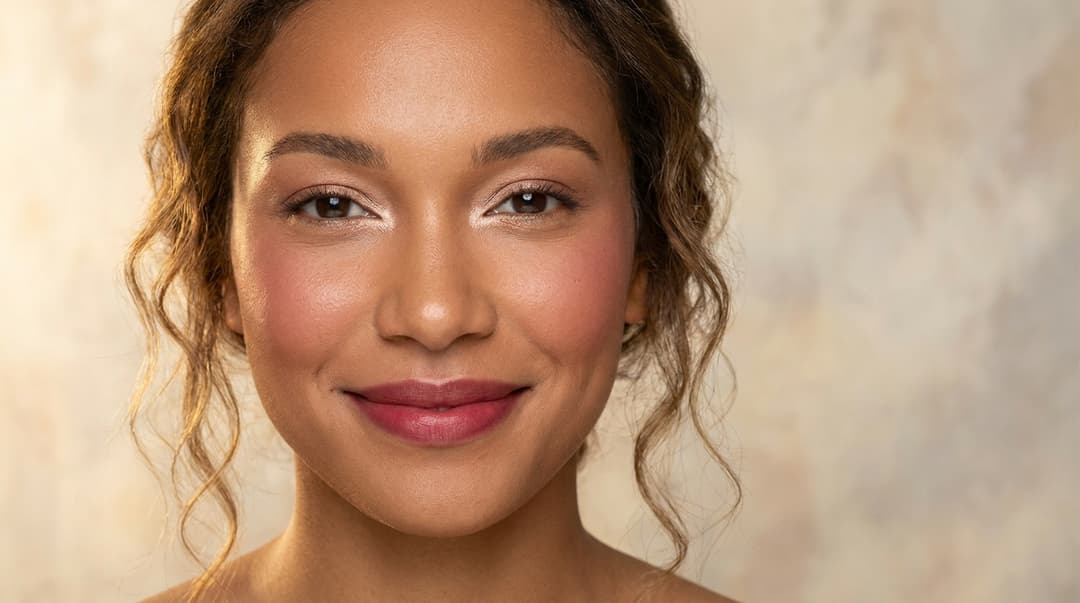
The beauty trends worth trying are barrier-friendly skincare, sheer skin tints, diffused blush, blurred lips, peptide lip care, multipurpose color, scalp treatments, refillable packaging, and intentional shimmer. Pick one, use what you already own where possible, and pay attention to ingredient function rather than marketing hype.
A good trend should make your routine easier, more enjoyable, or a little less wasteful. It shouldn't pressure you to replace products that already work. For thoughtful product finds and lower-cost ways to experiment, sign up for Insider Beauty's weekly deals.
Want more tips and exclusive beauty deals delivered to your inbox? Pop your email in the box below and join thousands of insiders who save big every week.