

The best way to learn how to prevent razor bumps when shaving is to soften the hair first, use a sharp blade with the grain, and avoid shaving too closely. This reduces the chance that freshly cut hairs will curl back into the skin and trigger inflammation. A few small changes before, during, and after shaving can make a noticeable difference.
Quick Takeaways
- Hydrate the hair: Shave after a warm shower or hold a warm, damp cloth against the area for two to three minutes.
- Use lubrication: Apply a fragrance-free shaving gel or cream and let it sit for at least one minute.
- Follow hair growth: Shave with the grain using light pressure and as few passes as possible.
- Protect the skin barrier: Rinse, pat dry, and apply a gentle, noncomedogenic moisturizer after shaving.
- Prevent trapped hairs: Once irritation has settled, a salicylic acid exfoliant may help keep follicles clear.
Why Do Razor Bumps Happen?
Razor bumps, medically called pseudofolliculitis barbae, form when a shaved hair curves back into the skin or grows sideways through the follicle wall. Your immune system treats that trapped hair like a foreign object, producing red or skin-colored bumps, tenderness, itching, and sometimes pus.
They aren't quite the same as razor burn. Razor burn is surface irritation caused by friction, pressure, or repeated blade passes. Razor bumps involve ingrown hairs, although you can certainly have both at once.
People with coarse, tightly curled hair are more prone to pseudofolliculitis because the curved hair shaft can reenter the skin more easily. It's especially common in the beard and neck areas, but it can also affect the bikini line, underarms, and legs. Repeated inflammation may leave post-inflammatory hyperpigmentation, particularly in deeper skin tones.
Look, getting an extremely close shave can feel satisfying, but that baby-smooth finish is often part of the problem. Cutting hair below the skin's surface makes it easier for the sharp tip to become trapped as it grows.
How Should You Prep Your Skin Before Shaving?
Good preparation softens the hair and reduces the force needed to cut it. No, warm water doesn't literally open your pores, but it does hydrate the hair shaft and make shaving more comfortable.
Use this routine to prepare:
- Wash the area with warm water and a gentle cleanser to remove oil, sweat, and product buildup.
- Shave near the end of a shower, or apply a warm, damp washcloth for two to three minutes.
- Apply a generous layer of fragrance-free shaving cream or gel.
- Let the product sit for at least one minute so it has time to soften the hair.
- Check the direction of hair growth before picking up the razor, since it may change across the neck or bikini line.
Avoid scrubbing aggressively right before shaving. A rough physical scrub can create tiny abrasions, making the skin more vulnerable to stinging and inflammation. If you use a chemical exfoliant, don't apply it immediately before shaving when your skin is already sensitive.
I've found that rushed prep is one of the most common reasons people keep developing bumps even after buying a nicer razor. When figuring out how to prevent razor bumps when shaving, giving the hair time to soften matters just as much as the blade itself.
What Shaving Technique Prevents Razor Bumps?
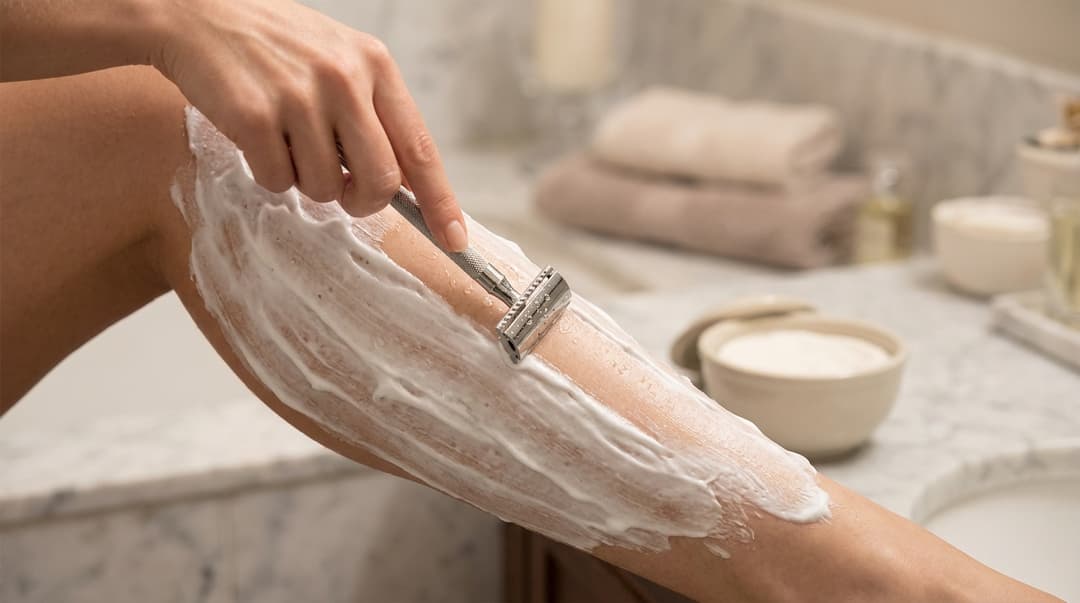
Your goal is to cut the hair cleanly without pulling it, cutting it beneath the skin, or repeatedly scraping the same area.
- Shave with the grain: Move the razor in the direction the hair naturally grows. Going against the grain produces a closer shave, but it increases the risk of ingrown hairs.
- Use light pressure: Let the blade do the work. Pressing harder doesn't improve a dull blade and can remove more of the skin's protective outer layer.
- Take short strokes: Short, controlled movements are less likely to tug the hair or travel across areas where growth direction changes.
- Limit your passes: Ideally, pass over each area once. If you need a second pass, reapply shaving gel first.
- Don't stretch the skin: Stretching allows hair to retract below the surface after it's cut, which encourages bumps.
- Rinse the blade often: Rinse after every few strokes so hair and shaving cream don't interfere with the cut.
A sharp, clean single-blade razor may be better for bump-prone skin than a razor with several blades, since multi-blade designs can lift and cut hair below the surface. An electric trimmer that leaves about 1 millimeter of stubble is another useful option if your skin reacts to close shaving.
Replace a disposable blade after roughly five to seven shaves, or sooner if it drags, looks damaged, or has rust. Store it somewhere dry rather than leaving it in a wet shower, and don't share razors. Sharing can spread bacteria and blood-borne infections.
Honestly, the right shave may not be the absolute closest shave. A tiny amount of visible stubble is often a worthwhile trade-off for calmer skin.
What Should You Apply After Shaving?
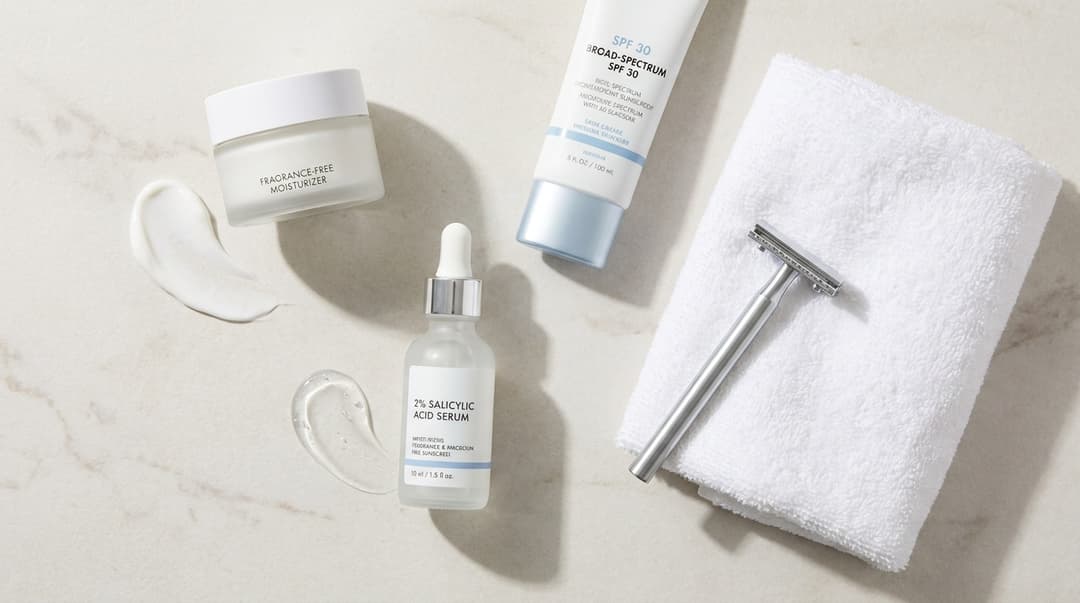
After shaving, rinse the area with cool or lukewarm water to remove loose hair and product residue. Pat the skin dry instead of rubbing it, then apply a light, fragrance-free moisturizer while the skin is still slightly damp.
Skip alcohol-heavy aftershaves if they burn or leave your skin tight. That sting isn't proof that a product is disinfecting effectively; it usually means the skin barrier is irritated. Fragrance and essential oils can also cause irritation or allergic contact dermatitis in some people.
Once your skin is calm, consider a 0.5% to 2% salicylic acid exfoliant two or three times a week. Salicylic acid is oil-soluble, so it can enter the follicle and help loosen dead skin around trapped hairs. Start slowly, especially on the neck, underarms, or bikini area. Using it immediately after shaving may sting.
If salicylic acid doesn't suit your skin, a gentle glycolic or lactic acid product may help reduce surface buildup. Don't stack several exfoliating acids, retinoids, and scrubs at once. More exfoliation isn't necessarily better, and overdoing it can create the exact inflammation you're trying to prevent.
For exposed areas, finish with a broad-spectrum SPF 30 or higher during the day. Sunscreen won't stop an ingrown hair, but it can reduce the darkening of marks left behind by inflammation.
How Do You Treat Existing Razor Bumps?
If bumps have already appeared, pause close shaving for several days if you can. Switching temporarily to an electric trimmer can prevent additional hairs from becoming trapped while the area heals.
Try these steps:
- Apply a warm compress for five to ten minutes to soften the skin and reduce discomfort.
- Use a gentle salicylic acid product every other day if the skin isn't raw or broken.
- Apply a bland, noncomedogenic moisturizer to support the skin barrier.
- Avoid squeezing, scratching, or digging out the hair with tweezers.
- Resume shaving only after tenderness and active inflammation have improved.
Don't pluck an ingrown hair from the root. If the tip is clearly visible at the surface, a clinician may release it with sterile technique, but digging at home raises the risk of infection and scarring.
A thin layer of over-the-counter 1% hydrocortisone may calm significant inflammation for a day or two, but it shouldn't become a daily facial treatment. Steroid overuse can thin the skin and trigger acne-like eruptions. Ask a dermatologist first if you have sensitive skin, a chronic rash, or bumps near the genital area.
See a board-certified dermatologist if bumps are painful, repeatedly filled with pus, causing thick scars, or leaving persistent dark spots. Prescription retinoids, anti-inflammatory medicines, treatment for bacterial folliculitis, or laser hair reduction may be appropriate. Laser treatment can be very effective for recurrent pseudofolliculitis, but the device and settings must be chosen carefully for your skin tone.
The Bottom Line

So, how to prevent razor bumps when shaving comes down to three essentials: soften the hair, avoid an overly close cut, and keep inflammation under control afterward. Shave with the grain, use light pressure, replace dull blades, and give your skin recovery time between shaves.
I've found that technique usually matters more than owning an elaborate shaving kit. Start by changing one or two habits today—letting shaving gel sit longer and stopping after one pass are good options. If bumps keep returning despite careful shaving, a dermatologist can help rule out folliculitis and create a treatment plan that won't worsen irritation or discoloration.
For more dermatologist-backed skin tips and product savings, sign up for Insider Beauty's weekly deals.
Want more tips and exclusive beauty deals delivered to your inbox? Pop your email in the box below and join thousands of insiders who save big every week.