

The best bridal skincare timeline before the wedding starts 6 to 12 months ahead, giving your skin time to adjust to ingredients and professional treatments. Focus on a consistent routine built around gentle cleansing, barrier-supporting moisture, and daily SPF, then stop experimenting as the date gets closer. If you have only a few weeks, keep things simple rather than trying to transform your skin overnight.
Quick Takeaways
- Start 6 to 12 months ahead: This gives you time to address acne, pigmentation, dryness, or sensitivity without rushing.
- Build around three essentials: Use a gentle cleanser, barrier-supporting moisturizer, and broad-spectrum sunscreen.
- Introduce active ingredients slowly: Add only one new formula at a time and patch-test it first.
- Schedule treatments conservatively: Peels, lasers, injectables, and facials need enough recovery time.
- Stop experimenting near the wedding: During the final two weeks, familiar and soothing beats trendy and aggressive.
When Should You Start a Bridal Skincare Timeline?
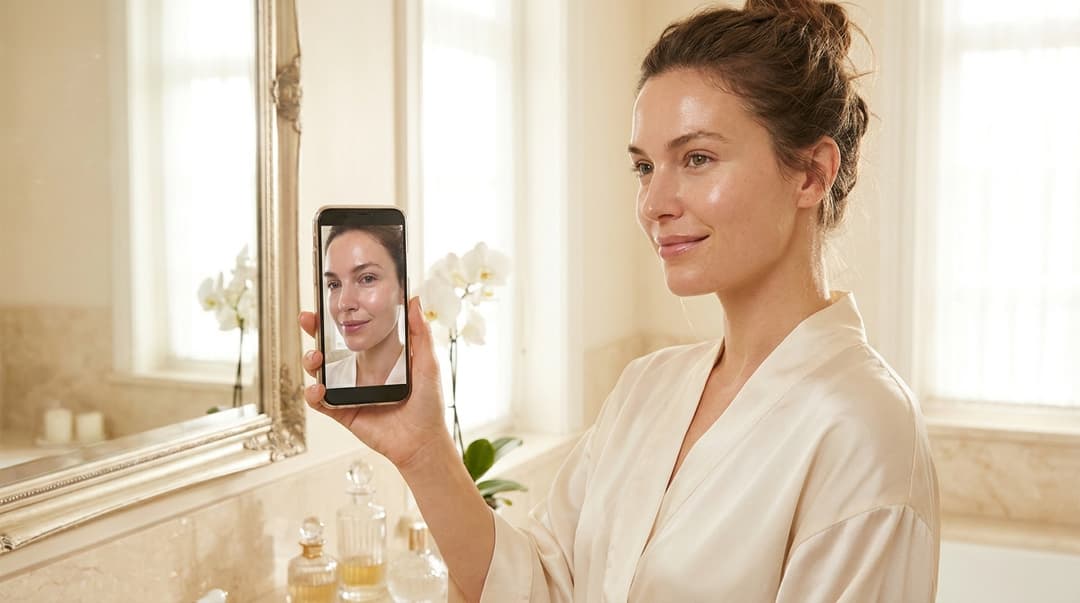
Ideally, begin your bridal skincare timeline before the wedding about 12 months out. That may sound early, but concerns such as persistent acne, post-breakout marks, melasma, or rosacea usually need several months of consistent care. Skin also needs time to reveal whether an ingredient is helping or causing irritation.
If you have six months, that's still a useful window. With three months or less, prioritize barrier health and sun protection rather than starting multiple strong actives. Even with only one week, you can support calmer-looking skin by sleeping well, avoiding picking, and sticking with products you already tolerate.
Take clear photos in the same lighting before changing your routine. I've found that weekly photos are more reliable than checking the mirror five times a day, especially when progress is gradual.
You should also book a dermatologist early if you have painful cystic acne, recurring rashes, severe redness, or pigmentation that isn't improving. A professional can create a treatment plan and tell you whether prescriptions or in-office procedures are appropriate.
What Should You Do 12 to 6 Months Before?
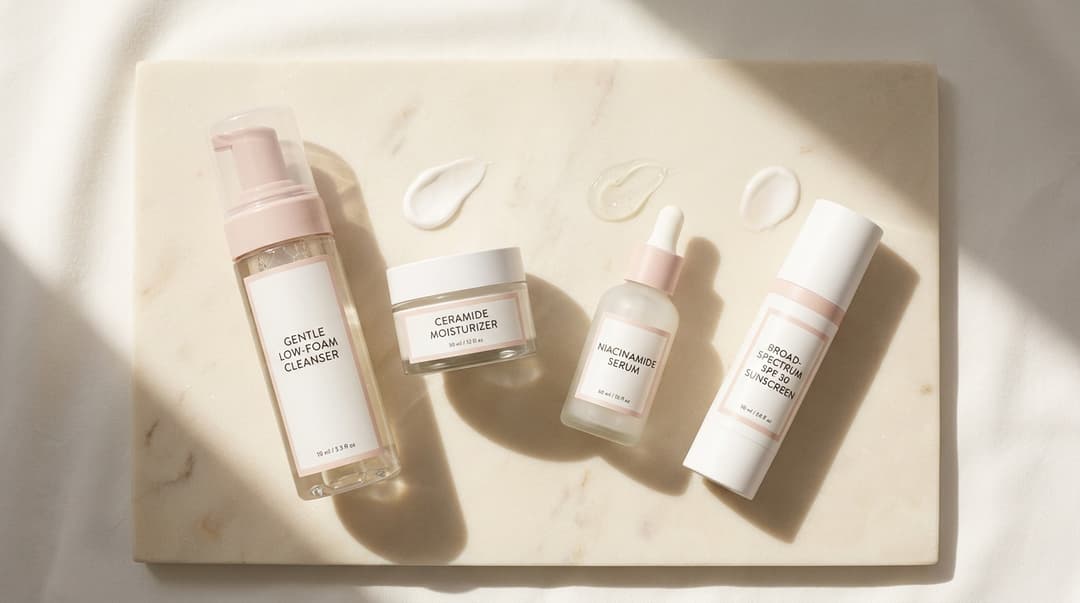
This stage is about creating a dependable baseline. You don't need a 10-step routine. Honestly, too many formulas can make it harder to identify the cause of clogged pores, dryness, or stinging.
Build your daily routine in this order:
- Cleanse gently: Choose a low-foam cleanser that removes makeup and sunscreen without leaving skin tight. Ingredients such as glycerin and oat derivatives can help reduce that stripped feeling.
- Support the barrier: Apply a moisturizer containing ceramides, squalane, glycerin, or hyaluronic acid. These ingredients help limit water loss and can improve flaky texture.
- Protect every morning: Use broad-spectrum SPF 30 or higher, including on cloudy days. Sun protection helps prevent dark spots from deepening and protects progress from other treatments.
Once those basics feel comfortable for several weeks, consider one targeted ingredient. Niacinamide may support the barrier and help with uneven tone, while azelaic acid can be useful for blemishes, redness, and post-acne marks. Vitamin C offers antioxidant support, although low-pH formulas may sting sensitive skin.
A retinoid may improve acne and uneven texture over time, but it should be introduced gradually and with professional guidance if needed. Avoid retinoids during pregnancy, and speak with your healthcare provider if you're pregnant, breastfeeding, or trying to conceive.
This is also the safest period to consult qualified professionals about procedures. Laser treatments, deeper chemical peels, microneedling, or injectables may require multiple appointments and substantial healing time. Exact timing depends on your skin tone, medical history, and the procedure, so don't rely on a generic social media calendar.
How Should Your Routine Change 6 to 3 Months Before?
Between six and three months, evaluate what's actually working. The goal isn't poreless skin—that's not biologically realistic—but fewer surprise reactions, better hydration, and steady management of your main concerns.
Keep these habits consistent:
- Apply enough sunscreen: Use roughly two finger lengths for the face and neck, then reapply during prolonged outdoor exposure.
- Introduce one change at a time: Wait at least two to four weeks before adding another new formula unless a dermatologist advises otherwise.
- Patch-test first: Apply a small amount to a discreet area for several days before using it across your face.
- Clean makeup tools weekly: Brushes and sponges can collect oil, old makeup, and microbes.
- Avoid picking: Hydrocolloid patches can cover individual blemishes and reduce the temptation to squeeze them.
So, this part of the bridal skincare timeline before the wedding is when you can fine-tune frequency. If an exfoliating acid leaves you shiny, sore, or persistently flaky, use it less often or stop. Tingling isn't proof that a product works, and visible peeling isn't required for smoother skin.
Look, natural ingredients aren't automatically gentler. Essential oils, citrus extracts, and heavy fragrance can irritate some complexions, even when they're marketed as clean. I tend to favor transparent ingredient lists, fragrance-free options for reactive skin, and recyclable or refillable packaging when the formula itself is a good fit. Don't switch a well-tolerated product solely because another jar looks more eco-friendly.
What Should You Do During the Final Month?
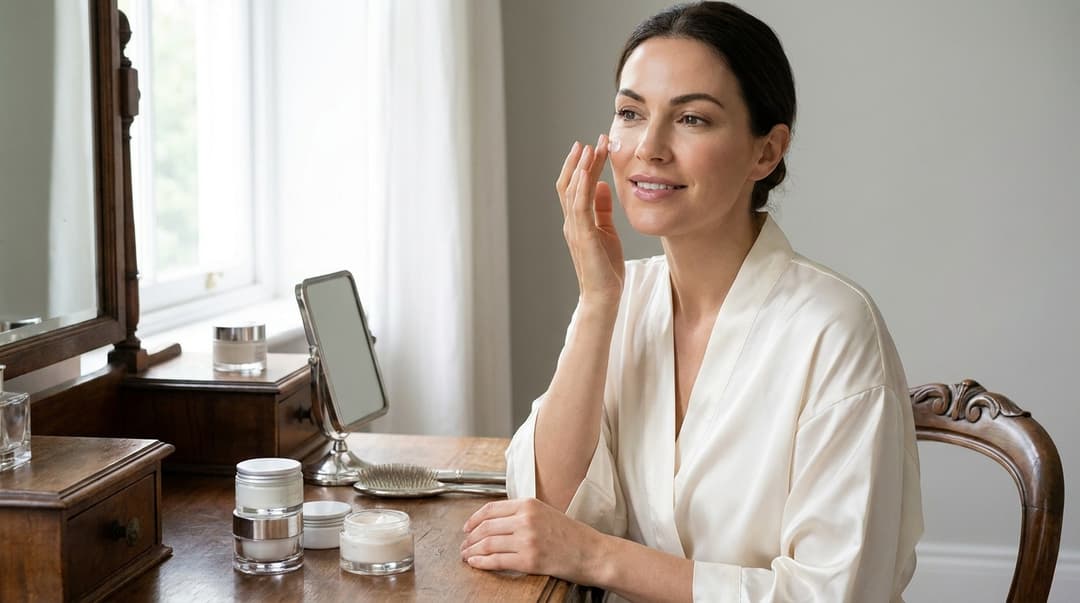
At four weeks out, maintain rather than overhaul. Continue your cleanser, moisturizer, sunscreen, and any established treatment that isn't causing irritation. This isn't the moment for a high-strength peel, a new retinoid, or an intense at-home device.
If you want a professional facial, schedule it about two to four weeks before the wedding and choose one you've had successfully before. Ask for a hydration-focused service without aggressive extractions or unfamiliar active ingredients. Anyone prone to cold sores, eczema, or post-inflammatory pigmentation should discuss treatment risks with a dermatologist first.
Around two weeks out, wash pillowcases regularly, keep hair products away from breakout-prone areas, and check that your makeup works over your skincare. A moisturizer or sunscreen that pills beneath foundation can create texture even when your skin is perfectly healthy. Do a complete makeup trial under lighting similar to the ceremony and photography setup.
Hydration matters, but drinking extreme amounts of water won't erase acne or fine lines. Eat regular balanced meals, limit anything you already know triggers flushing or stomach upset, and protect your sleep where you can. Wedding planning is chaotic, I know, but skin often looks calmer when the rest of you gets a breather too.
What Should You Avoid the Week Before the Wedding?
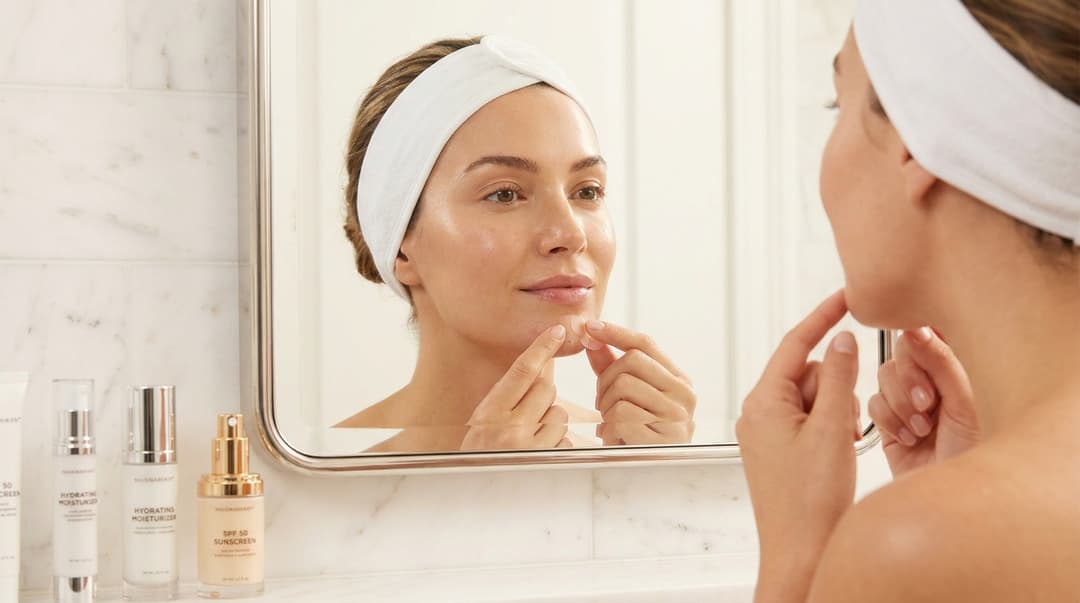
During the final seven days, think calm, familiar, and boring—in the best way. Don't use a product for the first time simply because it's labeled brightening, detoxifying, or bridal.
Avoid these last-minute risks:
- Strong at-home chemical peels or abrasive scrubs
- Unfamiliar facials, lasers, microneedling, or extractions
- Picking, squeezing, or trying to dry out a blemish with alcohol
- Facial waxing over skin recently treated with retinoids or strong acids
- Fragranced masks if your skin is reactive
- Sleeping in makeup after pre-wedding events
For a surprise blemish, use a cool compress briefly to reduce the appearance of swelling and cover the spot with a hydrocolloid patch overnight. A dermatologist may be able to treat a large, painful cyst, but don't attempt to inject, lance, or drain it yourself.
The night before, cleanse gently and apply your usual moisturizer. Skip the all-night mask unless you've tested it several times. On the wedding morning, use light layers of familiar skincare, allow each layer to settle, and finish with sunscreen. Your makeup artist can adjust coverage; they can't easily undo a fresh irritation reaction.
The Bottom Line
A successful bridal skincare timeline before the wedding is built on consistency, not perfection. Start 6 to 12 months ahead when possible, focus on a gentle cleanser, supportive moisturizer, and SPF 30 or higher, and give targeted ingredients enough time to work.
As the wedding approaches, scale back experimentation and protect the skin barrier you've worked to support. A real complexion may still have pores, lines, or an occasional blemish, and that's completely normal. Calm, comfortable skin photographs beautifully—and feels a lot better through a long day.
For ingredient-conscious beauty finds and lower-waste shopping picks, sign up for Insider Beauty's weekly deals. We'll send the good stuff without crowding your inbox.
Want more tips and exclusive beauty deals delivered to your inbox? Pop your email in the box below and join thousands of insiders who save big every week.