

Learning how to switch your skincare for winter starts with three changes: cleanse more gently, moisturize more strategically, and reduce anything that leaves skin dry or irritated. Cold air, indoor heating, and low humidity can increase water loss from the skin, so your winter routine should focus on protecting the moisture barrier while still covering essentials like sunscreen.
I punti essenziali
- Use a gentler cleanser: A creamy, low-foaming formula is less likely to leave skin feeling tight.
- Choose a richer moisturizer: Look for humectants, emollients, and occlusives that attract water, soften skin, and slow moisture loss.
- Scale back strong actives: Reduce frequency before dropping retinoids or exfoliating acids completely.
- Apply products to slightly damp skin: This helps your moisturizer hold on to hydration.
- Keep wearing sunscreen: Broad-spectrum SPF 30 or higher matters in winter, even when it’s cloudy.
When Should You Change Your Winter Skincare Routine?

Start adjusting your routine when temperatures and humidity begin to drop, or as soon as your skin feels tighter than usual. You don’t need to wait for flaking, cracking, or redness. For many people, that means making changes in late fall and keeping them in place until early spring.
Common signs that your skin needs more support include stinging when you apply basic products, makeup clinging to dry patches, increased sensitivity, dullness, and a tight feeling after cleansing. Lips, hands, and the skin around the nose often show dryness first.
Look, your routine doesn’t have to change overnight. I’ve found that swapping one product at a time makes it much easier to tell what’s helping and what might be causing irritation. Give each change several days unless a product burns, causes swelling, or triggers a rash—in that case, stop using it.
How to Switch Your Skincare for Winter Step by Step
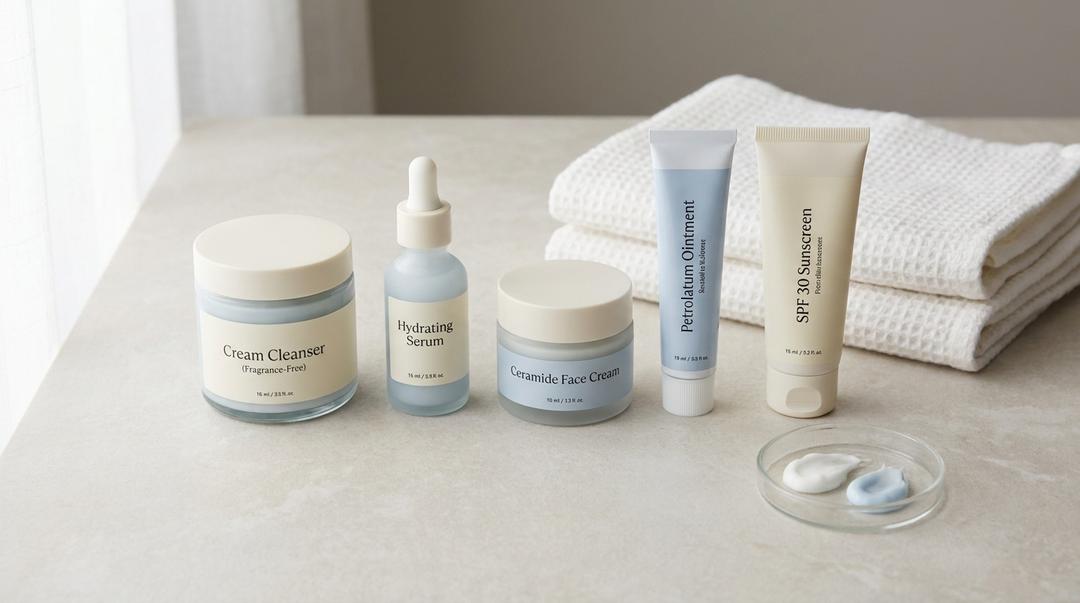
If you’re wondering how to switch your skincare for winter without buying an entirely new shelf of products, begin with these seven practical adjustments:
- Shorten your cleansing routine. Cleanse once at night to remove sunscreen, makeup, and debris. In the morning, dry or sensitive skin may only need a lukewarm-water rinse.
- Replace harsh foam with a cream cleanser. Choose a fragrance-free, low-foaming formula that removes buildup without leaving your face squeaky. That squeaky feeling usually means the cleanse was more aggressive than your skin needed.
- Apply hydrating products while skin is damp. After cleansing, gently pat your face so it’s no longer dripping, then apply moisturizer within a minute or two. Damp skin gives humectants such as glycerin and hyaluronic acid water to bind to.
- Move to a richer moisturizer. A lotion may still work during the day, but a cream containing ceramides, fatty acids, squalane, or shea butter can provide more protection overnight.
- Reduce exfoliation gradually. If you normally use an exfoliating acid four nights a week, try one or two nights instead. Don’t add scrubs to remove visible flakes; friction can make an already stressed barrier feel worse.
- Seal very dry areas when needed. Apply a thin layer of petrolatum-based ointment over moisturizer on flaky spots, lips, or around the nose. If you’re acne-prone or prone to milia, test this on a small area first.
- Protect exposed skin every morning. Finish with broad-spectrum SPF 30 or higher on your face, neck, ears, and hands. Reapply during extended outdoor time, especially around snow, which can reflect UV radiation.
Make these changes based on how your skin feels rather than following a rigid calendar. Oily and acne-prone skin can become dehydrated in winter too, but it may respond better to light layers than one very heavy cream.
Which Cleanser Is Best for Dry Winter Skin?
A cream cleanser or hydrating gel cleanser is usually the best winter option because it removes everyday grime without stripping as much surface oil. Look for glycerin, ceramides, colloidal oatmeal, or squalane, and consider avoiding strong fragrance if your skin is already sensitive.
Use lukewarm water rather than hot water. Hot water feels amazing when it’s freezing outside—I get it—but it can wash away some of the lipids that help keep the skin barrier comfortable. Keep face washing brief, and try to limit showers to around 10 minutes when dryness is an issue.
Double cleansing isn’t automatically necessary every night. If you wear water-resistant sunscreen or makeup, use an oil-based first cleanse followed by a gentle cleanser. Otherwise, one thorough cleanse may be enough.
What Moisturizer Ingredients Work Best in Winter?

The most effective winter moisturizers combine three ingredient groups that perform different jobs:
- Humectants: Glycerin, hyaluronic acid, and urea attract water to the upper layers of skin.
- Emollients: Squalane, shea butter, and fatty acids fill spaces between skin cells, making rough skin feel smoother.
- Occlusives: Petrolatum, dimethicone, and mineral oil create a light seal that reduces water loss.
A ceramide-rich face cream is a solid choice for dryness because ceramides are lipids naturally found in the skin barrier. Apply it morning and night, and add a second thin layer to areas that still feel tight.
Honestly, more product isn’t always better. A pea- to nickel-sized amount is often enough for the face, depending on the formula. Press it in gently instead of rubbing for ages, particularly if your cheeks are red or irritated.
If your home is very dry, a clean humidifier can also help. Aim for comfortable indoor humidity, generally around 30% to 50%, and clean the device according to its instructions so it doesn’t collect mold or bacteria.
Should You Change Retinoids, Acids, and SPF in Winter?
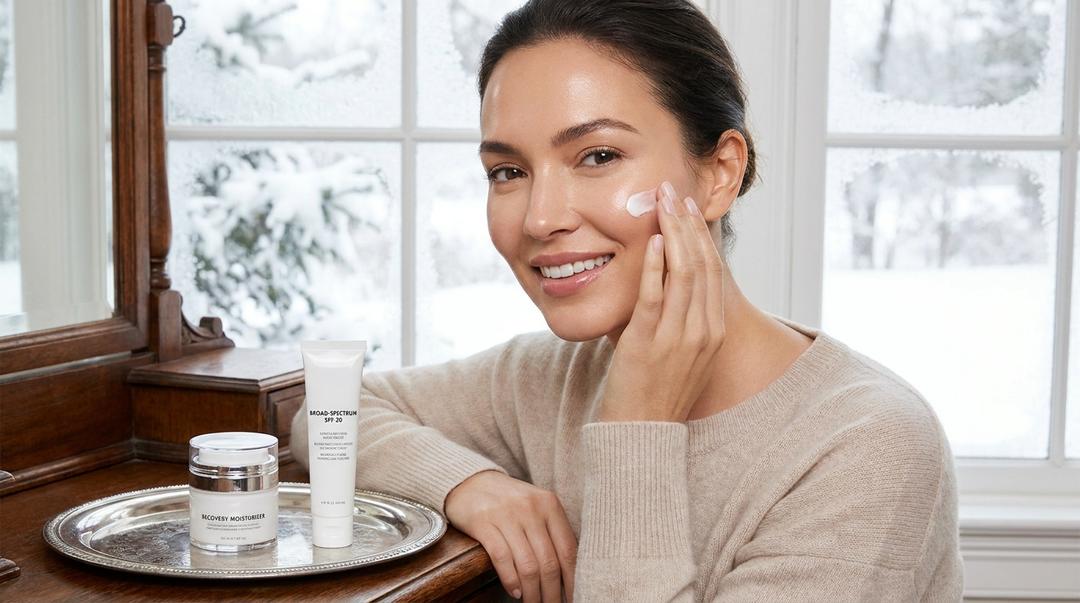
You may need to use retinoids and exfoliating acids less often during winter, but you don’t necessarily have to stop them. Try spacing active nights apart and using a plain moisturizer on recovery nights. For a retinoid, applying moisturizer before and after can buffer the formula if your skin tolerates that method.
Avoid stacking several potentially irritating products in the same routine. A strong exfoliating acid, retinoid, and benzoyl peroxide used together can be a lot for winter skin. Introduce one active at a time, and don’t apply it over cracked or visibly inflamed areas.
Also, be cautious about applying a heavy occlusive ointment directly over strong actives. Occlusion may increase penetration and make irritation more likely for some people. Use the ointment on non-active nights or only on dry areas where you didn’t apply the active.
And yes, sunscreen stays. UVA rays are present throughout the year and can pass through clouds and windows. Choose broad-spectrum SPF 30 or higher; a moisturizing sunscreen can double as your daytime hydration layer if it feels comfortable and you apply enough.
Persistent cracking, bleeding, intense itching, or burning may signal eczema, contact dermatitis, or another condition that needs professional care. A board-certified dermatologist can help you adjust treatment without guessing.
Il nostro consiglio
Once you know how to switch your skincare for winter, the routine is pretty simple: cleanse gently, moisturize damp skin, use strong actives less often if irritation appears, and apply SPF every morning. You probably don’t need to replace everything you own—start with a cream cleanser, a barrier-supporting moisturizer, or an ointment for stubborn dry patches.
So, pay attention to comfort. Skin that feels calm, flexible, and hydrated is a better guide than a trend or a complicated 10-step routine. Small seasonal changes made early can help prevent the cycle of dryness, over-exfoliation, and even more irritation.
Want smart beauty buys without paying full price? Sign up for Insider Beauty’s weekly deals for editor-picked skincare offers and practical product recommendations delivered to your inbox.
Vuoi altri consigli e offerte beauty esclusive nella tua casella di posta? Inserisci l’e-mail qui sotto e unisciti alle migliaia di lettori che ogni settimana trovano occasioni per risparmiare.