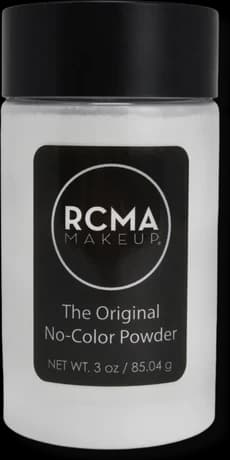
powder
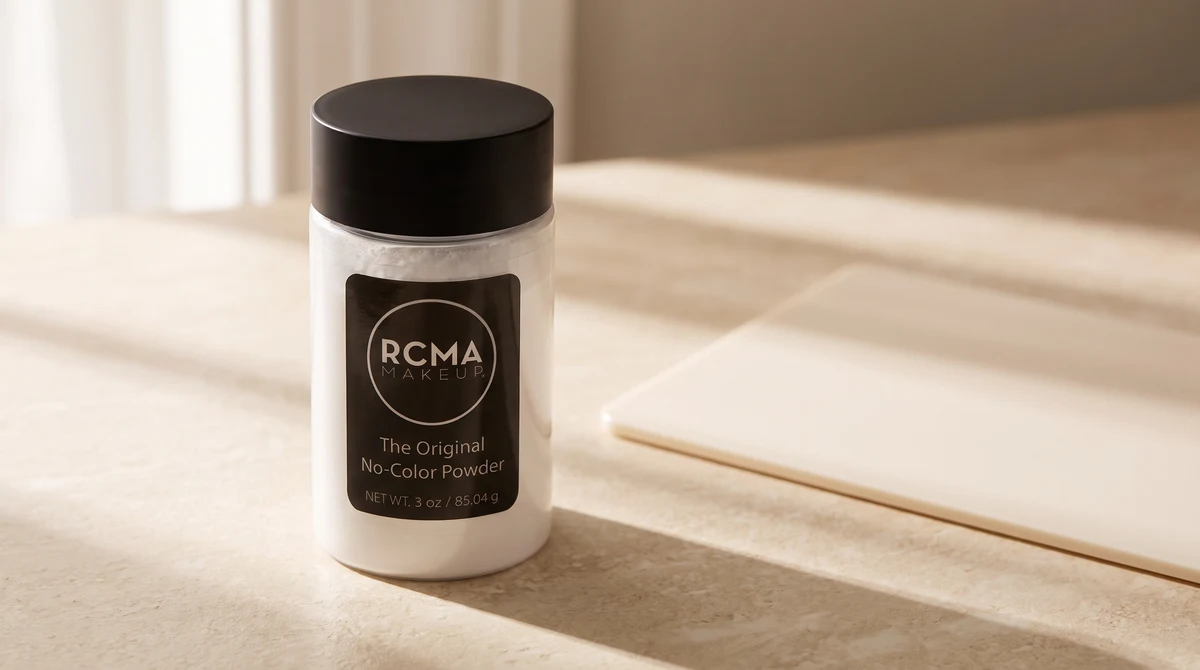
The Original No-Color Powder
$14.00
Choose where you shop. See who qualifies before you copy a code.
We’ll list an offer here once we can confirm its terms for shoppers in the United States. An empty list doesn’t mean the brand has no offers.
We haven’t confirmed an official store for this country yet.
Clear about what we’ve checked. “Listed by the brand” means we found the offer on its official site. “Accepted in our test basket” means we also saw it apply to the basket described in the details. We recheck sources daily and hide expired offers or any we haven’t reconfirmed within 48 hours.
Check the store country, sign-in requirement, minimum spend and excluded products. Remove any other promotion, then check the saving appears in your order total before paying. Welcome offers usually require a first purchase or a new rewards membership.
Tell us about an offer that didn’t workRCMA's Original No-Color Powder is the clearest reason to shop the brand: $14 buys 3 oz of a setting powder with just talc and silica on its published ingredient list. Choose it when you want an inexpensive powder without added pigment or perfume. Choose the $28 Premiere Pressed Powder instead if a talc-free formula and a compact matter more than the amount you get.
The cream foundations deserve a different buying decision. They suit someone willing to warm a little product, work with a brush or sponge and spend time finding a shade. A $23 pot is appealing, but a poor match is still a poor purchase. RCMA's sample option is more useful here than another claim about professional makeup.
Prices below are the regular US brand-site prices checked on 15 October 2026, before tax and shipping. Net sizes were cross-checked against RCMA, Beautylish and Camera Ready Cosmetics. Our assessments use those published specifications and directions; we have not conducted hands-on wear or flash-photography tests.
The review cards below may show prices from earlier checks. Use the dated prices and sizes in this table for the current comparison.
| Product | US price and size | Buying view |
|---|---|---|
| Original No-Color Powder | $14 / 3 oz | Best value if you want no added pigment |
| Translucent Powder | $14 / 3 oz | Adds a little warmth; check the tint |
| Color Process cream foundation, single pot | $23 / 0.5 oz | Worth sampling before buying a full pot |
| Premiere Pressed Powders | $28 / 8.5 g | Talc-free compact for a different brief |
The name is literal in one useful respect. RCMA lists no added pigment in Original No-Color Powder, and its ingredient list contains talc and silica. The brand also says it contains no perfume. Beautylish lists the standard bottle as 3 oz, putting the $14 price at about $4.67 per ounce.
That is a strong proposition for someone who regularly sets foundation and goes through powder. It is less persuasive if you use one small brushful a week and would prefer a compact in your bag. A big bottle makes the unit price attractive; it does not make the loose format convenient for every application.
RCMA recommends applying with a puff or brush, allowing the powder to set and brushing off the excess. Start by deciding where your base needs setting. A controlled amount around the nose is a different application from a heavy layer under both eyes. You do not need to use more simply because the bottle is inexpensive.
The qualification is photography. RCMA markets this powder as avoiding flashback, but we have not verified that across foundations, application amounts or lighting setups. For a photographed event, try the whole makeup combination beforehand. The absence of colored pigment does not establish how every finished makeup look will photograph.
RCMA Translucent Powder costs the same $14 and comes in the same 3 oz size listed by Beautylish. Its published formula adds iron oxides to the talc-and-silica base. RCMA describes the result as a slight warmth from added flesh-colored pigment.
This matters because “translucent” and “no color” often get treated as interchangeable shopping terms. Within RCMA's range, they identify different products. If your foundation already matches well and you want to avoid adding warmth, Original No-Color is the more logical starting point. If you actively want a warm tint, Translucent is worth considering.
The drawback is that a single tint is not an individual shade match. The product description does not establish that it will disappear on every undertone or depth. Look at it over the foundation you actually wear, including the boundary around the jaw, rather than assessing a loose pile of powder in its container.
There is no price advantage to picking one over the other, so color should settle this choice. Buying Translucent because its name sounds more universal than No-Color would miss the relevant difference.
The single cream foundation pots contain half an ounce. We checked the Light Pale Tones listing, where Ivory and Porcelain cost $23; those two shades are one group within a wider foundation range, not the entire selection.
RCMA directs users to remove a small amount, warm it on a mixing palette or the back of the hand and apply with fingers, a brush or a sponge. The ingredient list includes castor seed oil and several waxes. This is a cream you work into a thin layer, so someone expecting the immediate spread of a liquid skin tint should approach it with different expectations.
Its appeal is control. You can decide where to keep the application light and where to add coverage. The brand describes a range from sheer to full coverage, though we have not measured that in use. If you enjoy adjusting application rather than relying on one pump to cover everything, the format makes sense.
Shade selection is the harder part. Series names and numbers are not a reliable substitute for seeing a match against your skin. RCMA lists foundation samples at $2, making a small comparison of plausible shades a sensible first purchase. Check the selected shade and sample availability before ordering.
RCMA's foundation collection also says its updated packaging contains the same formula. An older-looking pot is not, by itself, evidence of a different formula. Compare the exact product and ingredient label if that is the reason you are replacing an existing match.
For a different way to add targeted coverage, our Tarte guide compares the finishes of original and Creamy Shape Tape concealers.
Premiere Pressed Powders are a separate talc-free line. The $28 compact contains 8.5 g, as confirmed by Camera Ready Cosmetics. Its published ingredients include synthetic fluorphlogopite, aluminum starch octenylsuccinate, boron nitride and mica, with cocoa seed butter farther down the list.
RCMA describes the finish as luminous and lightweight. That positions it differently from buying the biggest possible bottle of basic setting powder. The compact is the more practical format to consider for controlled touch-ups away from your dressing table, while the higher price and much smaller quantity are substantial trade-offs.
There are four named options: No Color, Amber, Topaz and Amethyst. RCMA positions No Color for light to medium skin, Amber as a warm highlight, Topaz as a brown tint for medium to dark skin and Amethyst as a lavender brightening option. These are color choices, not four interchangeable ways of buying a transparent powder.
Do not confuse Premiere with RCMA's separately listed older No-Color Pressed Powder. That product's published ingredients include talc. The word “pressed” alone does not tell you which formula you are buying.
Original No-Color is our first shortlist choice for regular powder users who prioritize quantity and no added tint. Translucent makes sense when warmth is intentional. Premiere is the option to investigate when you want a compact or specifically prefer a talc-free formula, with its shade selection and higher cost taken into account.
For comparisons beyond RCMA, our Laura Mercier powder alternatives guide puts the loose powder alongside other options. Use the dated prices in the table above for RCMA; the comparison article has its own research date. The useful question is whether you want the same powder format and finish, rather than whether two containers both say “setting powder.”
No. Original No-Color Powder lists talc and silica. Premiere Pressed Powders are a separate talc-free range; check the full product name before buying.
Original No-Color has no added pigment. Translucent Powder adds iron oxides and is described by RCMA as giving a slight warmth. Both standard loose powders were $14 for 3 oz on 15 October 2026.
The Color Process foundation assessed here is a cream in a half-ounce pot. RCMA recommends warming a small amount before application. The brand also sells other foundation formats, so check the full product name.
RCMA makes a no-flashback claim for Original No-Color Powder, but we have not independently tested it. Try your complete makeup look under the lighting you expect to use before relying on it for an event.