

A bridal skincare timeline before the wedding should begin 6 to 12 months ahead, especially if you want to treat acne, pigmentation, redness, or texture. That gives your skin several renewal cycles to respond—and enough recovery time if a product or procedure causes irritation. If you have less time, don't panic: a simple, consistent routine can still make a visible difference.
Quick Takeaways
- Start 6 to 12 months out: This is the best window for addressing persistent concerns and testing professional treatments.
- Build around three basics: Use a gentle cleanser, moisturizer, and broad-spectrum SPF 30 or higher every day.
- Add only one active at a time: Give each new formula at least two to four weeks before introducing another.
- Stop experimenting one month before: Avoid unfamiliar products, aggressive facials, and first-time procedures close to the wedding.
- Keep wedding week boring: Calm, hydrated skin usually photographs better than freshly exfoliated or irritated skin.
When Should You Start Wedding Skincare?
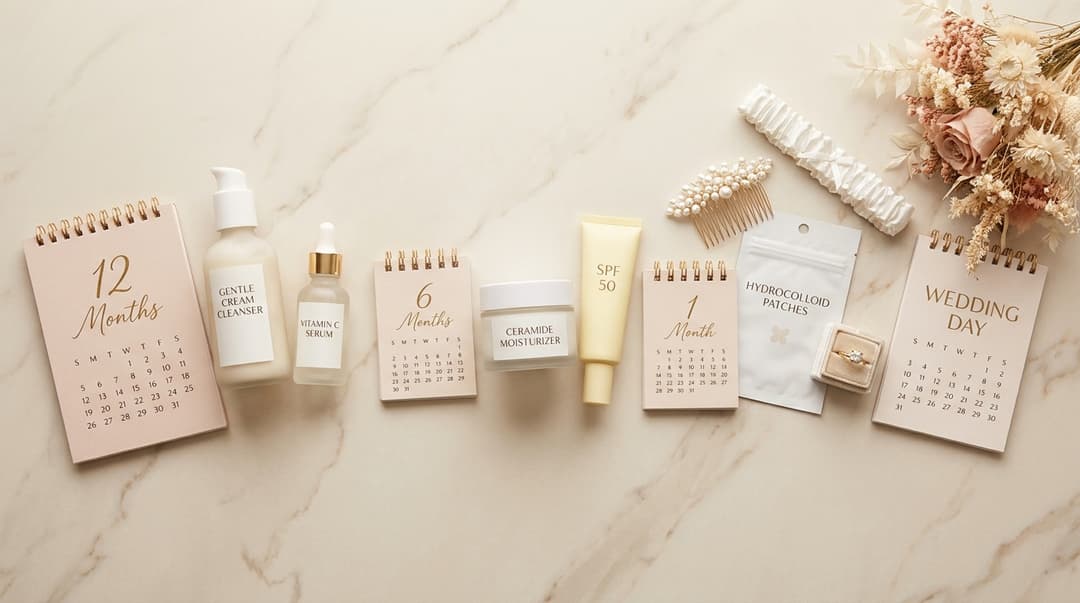
Ideally, start your bridal skincare timeline before the wedding about 12 months in advance. Six months is still a useful runway, while three months is enough to improve hydration, protect the skin barrier, and create more consistent tone.
Here is the basic schedule:
- 12 to 6 months before: Establish your daily routine, see a board-certified dermatologist for ongoing concerns, and discuss procedures.
- 6 to 3 months before: Introduce targeted ingredients and complete treatment series when appropriate.
- 3 months to 4 weeks before: Maintain results, schedule familiar treatments, and avoid aggressive changes.
- 4 to 2 weeks before: Focus on hydration and barrier support; make only minor adjustments.
- Final week: Skip extractions, peels, waxing on reactive areas, and new products.
- Wedding day: Cleanse gently, moisturize lightly, apply sunscreen, and leave enough time before makeup.
Look, you don't need a 10-step routine. I've found that brides and grooms often get better results from four well-chosen products used consistently than from a crowded shelf of trendy actives.
What Should You Do 12 to 6 Months Before?
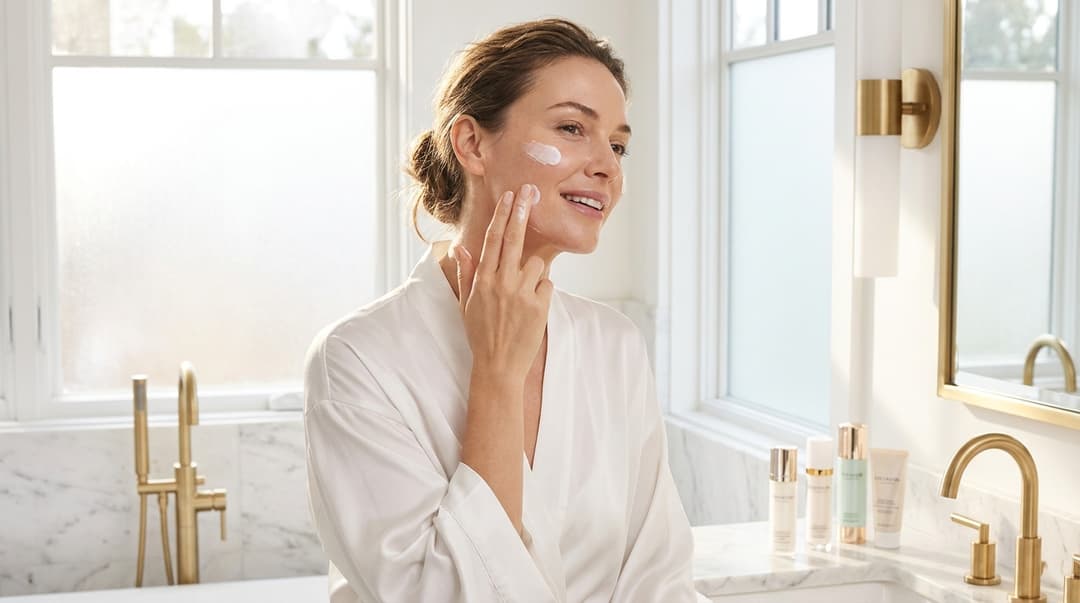
This is the time to identify what you actually want to improve. Acne, post-acne marks, melasma, rosacea, eczema, and scarring need different plans, so avoid treating every concern with the same exfoliating acid.
Book a dermatologist appointment if you have painful breakouts, persistent redness, itchy patches, sudden pigment changes, or scarring. Prescription treatments often require several months, and some can cause temporary dryness or purging. A dermatologist can also help you decide whether procedures such as vascular lasers, pigment-targeting lasers, microneedling, or chemical peels are appropriate for your skin tone and medical history.
Build your routine around these essentials:
- Gentle cleanser: Choose a non-stripping formula that removes sunscreen and makeup without leaving skin tight.
- Barrier-supporting moisturizer: Ingredients such as ceramides, glycerin, and hyaluronic acid can reduce water loss and improve comfort.
- Broad-spectrum sunscreen: Apply SPF 30 or higher every morning, including on cloudy days, and reapply when outdoors.
Daily sun protection matters because ultraviolet and visible light can worsen discoloration and prolong post-acne marks. Use roughly two finger lengths of sunscreen for the face and neck, and don't forget the chest, ears, and hands if they'll be visible.
Honestly, sunscreen is the least glamorous part of wedding prep, but it's one of the most reliable. No facial can fully compensate for months of unprotected sun exposure.
How Should You Adjust Skincare 6 to 3 Months Before?
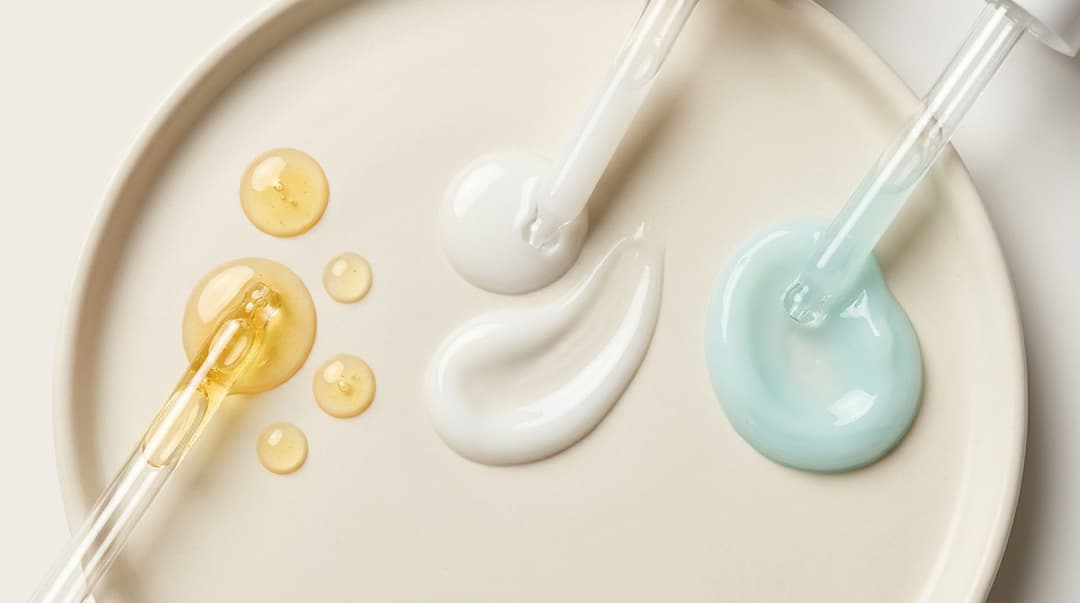
Once your basic routine feels comfortable, add targeted ingredients one at a time. Introducing several actives together makes it nearly impossible to identify what's causing burning, flaking, or breakouts.
Depending on your goals, your dermatologist may suggest:
- For acne and texture: A retinoid can support cell turnover and help keep pores clear. Start two or three nights per week, then increase only if your skin tolerates it.
- For uneven tone: Vitamin C, azelaic acid, or niacinamide may help brighten discoloration and reduce inflammation.
- For clogged pores: Salicylic acid can be useful, but daily use isn't necessary for everyone.
Retinoids aren't recommended during pregnancy. If you're pregnant, breastfeeding, trying to conceive, or undergoing fertility treatment, review every prescription, supplement, and over-the-counter active with your obstetrician and dermatologist.
So this is also the safest window for a series of professional treatments, if they're medically appropriate. Results from peels, lasers, or microneedling are gradual, and recovery varies. Choose a board-certified dermatologist or appropriately credentialed clinician who has experience treating your skin tone. A bargain procedure isn't a bargain if it leaves prolonged redness or hyperpigmentation.
If you're considering injectables for the first time, schedule a consultation several months ahead rather than right before the ceremony. That lets you see how you respond and whether you even like the effect. Injectable treatments aren't essential for good wedding skin, by the way.
What Should You Do 3 Months to 4 Weeks Before?
At this point, consistency beats intensity. Continue products that are working, take progress photos in similar lighting, and resist the urge to double up because the wedding suddenly feels close.
This part of the bridal skincare timeline before the wedding should focus on maintaining results:
- Keep using sunscreen every morning.
- Wash makeup brushes and pillowcases regularly.
- Remove makeup before bed, even after late events.
- Avoid picking blemishes, which increases inflammation and the risk of dark marks.
- Schedule only treatments you've already tolerated well.
If you want a facial, try the exact facial at least once several months beforehand. Facials can temporarily boost hydration, but extractions, strong acids, fragrances, and steam may aggravate sensitive or acne-prone skin. Ask exactly what will be applied rather than choosing a vague bridal package.
Four weeks before the wedding, stop adding new actives. I also wouldn't schedule a first-time laser, medium-depth peel, or aggressive microneedling session in this window. Even when performed correctly, swelling, peeling, bruising, acne flares, and pigment changes can happen.
What Should You Do During Wedding Week?

Keep wedding-week skincare almost comically simple. Use your familiar cleanser, moisturizer, and sunscreen, and continue a tolerated active only if it never causes dryness. If your skin feels tight or stingy, pause exfoliants and focus on moisturizer.
For an unexpected pimple, don't squeeze it. Apply a hydrocolloid patch overnight to protect the area from picking. A dermatologist may be able to treat a large, painful cyst with a carefully administered corticosteroid injection, but this requires an in-person evaluation and can carry risks, including skin thinning or indentation.
Avoid these last-minute triggers:
- New masks, scrubs, self-tanners, or fragranced products
- At-home chemical peels or extraction tools
- Excess alcohol and very salty meals if they make you flush or feel puffy
- Facial waxing immediately before the wedding, particularly if you use a retinoid
- Sleeping in makeup after the rehearsal dinner
On the morning of the wedding, cleanse only if needed, apply a light layer of moisturizer, and use sunscreen that you've already tested under makeup. Allow each layer to settle before the next. Heavy occlusive creams may cause makeup to slide, while skipping moisturizer can emphasize flaky areas.
And please don't lose sleep chasing perfect skin. One short night won't ruin your complexion, but several nights of poor sleep can make irritation and under-eye puffiness more noticeable.
What Bridal Skincare Mistakes Should You Avoid?
The biggest mistake is trying to correct months of skin concerns in a few days. More exfoliation doesn't produce faster renewal; it often damages the barrier, leading to redness, burning, and breakouts.
Other common mistakes include assuming natural products can't irritate skin, using undiluted essential oils, copying someone else's prescription routine, and failing to patch-test products. Apply a small amount to a discreet area for several days before using it across your face, although patch-testing can't predict every reaction.
Also, don't let social media convince you that normal pores, fine lines, or texture need to disappear. Real skin has texture. The goal is healthy, comfortable skin—not a filtered finish that doesn't exist off-screen.
The Bottom Line
The best bridal skincare timeline before the wedding starts 6 to 12 months ahead with a gentle cleanser, moisturizer, daily SPF, and targeted treatment for your specific concerns. Introduce changes slowly, work with a dermatologist for persistent conditions or procedures, and stop experimenting at least four weeks before the ceremony.
Healthy skin comes from consistency, not panic. Keep the final week simple, hydrate normally, sleep when you can, and let your makeup artist handle the rest.
For more dermatologist-informed beauty advice and smart product savings, sign up for Insider Beauty's weekly deals.
Want more tips and exclusive beauty deals delivered to your inbox? Pop your email in the box below and join thousands of insiders who save big every week.