
The answer to when to throw away expired makeup is simple: toss it once it passes its printed expiration date or Period After Opening timeline, or sooner if its smell, color, texture, or performance changes. Mascara generally lasts about three months after opening, while liquid foundation and lipstick can often stay usable for six to 24 months, depending on the formula and packaging. When in doubt, especially with an eye product, replacing it is safer than trying to stretch it.
Quick Takeaways
- Check the PAO symbol: The open-jar icon marked 3M, 6M, 12M, or 24M tells you how many months a product should be used after opening.
- Replace mascara every three months: Its moist formula and repeated contact with lashes make contamination a bigger concern.
- Trust visible changes: Toss makeup that smells odd, separates, changes color, dries out, or starts irritating your skin.
- Storage affects shelf life: Heat, humidity, sunlight, dirty brushes, and added water can make products deteriorate faster.
- Write down opening dates: A tiny label on the container takes the guesswork out of when to throw away expired makeup.
When to Throw Away Expired Makeup
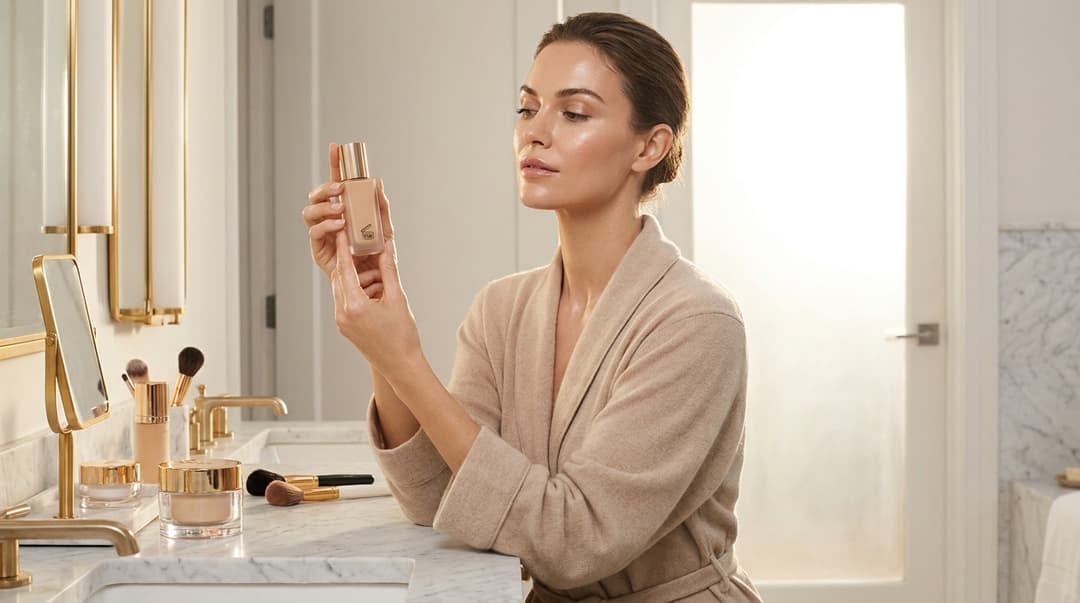
Start with the date or symbol printed on the packaging. Some products have a traditional expiration date, while many cosmetics use a Period After Opening symbol, also called a PAO. It looks like a small open jar with a number and the letter M. A 12M symbol means the manufacturer recommends using the product within 12 months of opening.
In the US, most cosmetics aren't required to display a universal expiration date, so you may not find one on every tube or compact. That doesn't mean the formula lasts indefinitely. Preservatives can become less effective, oils may oxidize, and pigments or emulsions can break down over time.
Throw a product away immediately if it has been involved in an eye or skin infection. Don't keep using the same mascara after conjunctivitis, for example, even if the tube is only a few weeks old. You also shouldn't share eye or lip products, since applicators can transfer microorganisms between people.
Look, I know tossing a half-full product feels wasteful. I've held onto a pricey foundation longer than I should have because there was so much left. But once it started smelling faintly waxy and separating even after a good shake, it was done.
How Long Does Makeup Last After Opening?
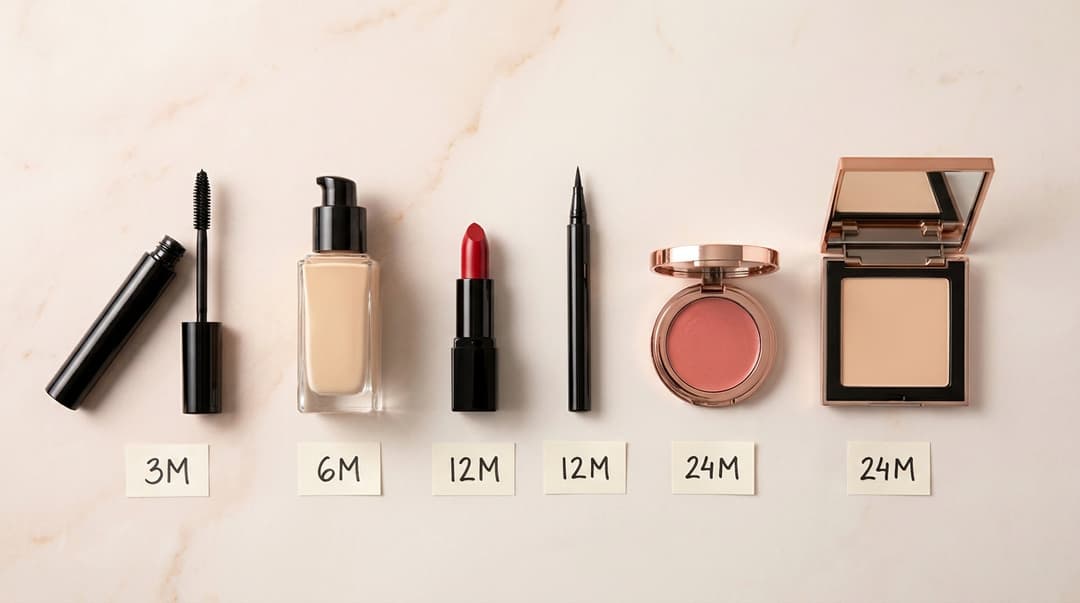
These are practical shelf-life estimates, not guarantees. Always follow the shortest timeline shown on the product, and replace anything that changes before then.
- Mascara: About three months. Replace it sooner if it becomes dry, clumpy, flaky, or unusually scented.
- Liquid foundation: Roughly six to 12 months. Pump bottles usually limit exposure better than jars or open-neck bottles.
- Lipstick: Around 12 to 24 months. Toss it if the surface develops an odd film or the scent becomes stale, waxy, or rancid.
- Liquid eyeliner: About three to six months, particularly when the applicator repeatedly touches the eye area.
- Powder makeup: Often 12 to 24 months when kept dry and used with clean tools.
- Cream blush or shadow: Usually six to 12 months because water-rich and creamy formulas are generally more hospitable to microbial growth than dry powders.
Unopened makeup may last longer, but that depends on the formula, seal, and storage conditions. A product kept for years in a hot bathroom or sunny car isn't automatically fresh just because it was never opened.
Makeup containing sunscreen needs extra attention. Follow its printed expiration date because the SPF claim depends on the product remaining stable. If there isn't a date, check the manufacturer's guidance rather than assuming the makeup's usual PAO applies to its sun protection.
What Are the Signs That Makeup Has Expired?
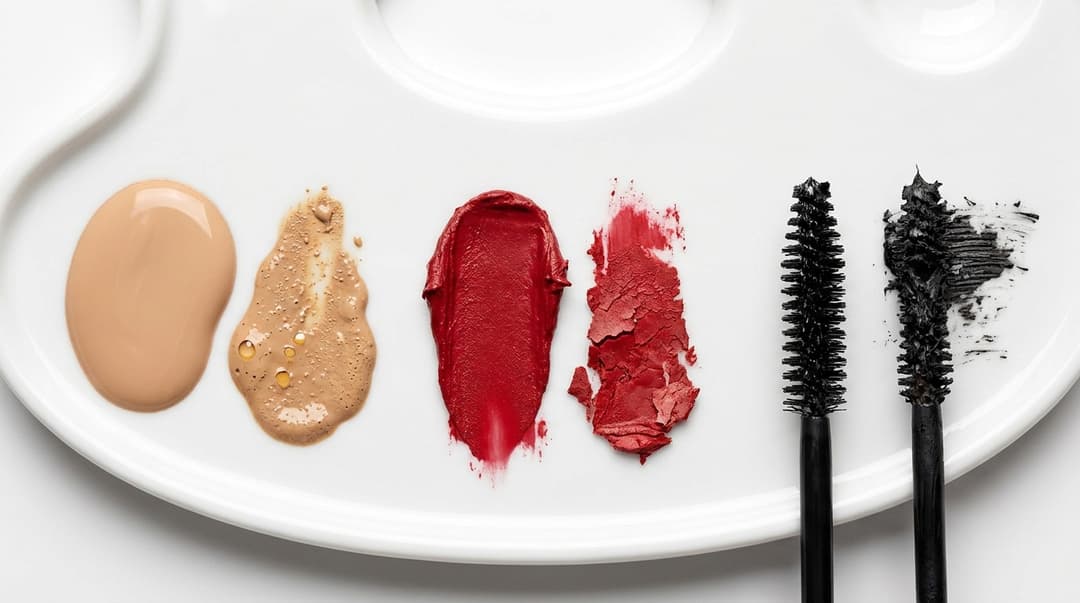
Your senses can catch problems that a calendar misses. Check your products in bright light and compare their current texture and scent with how they looked when new.
- The smell has changed. Sour, crayon-like, musty, or rancid odors can signal that oils or other ingredients have deteriorated.
- The color looks different. Unexpected darkening, fading, yellowing, or spotting is a reason to stop using the product.
- The texture is off. Look for stubborn separation, graininess, curdling, unusual thickness, or a dried-out formula.
- The product performs differently. Excessive flaking, patchiness, pilling, or poor blending can mean the formula is no longer stable.
- The packaging is swollen or leaking. Pressure, leakage, cracks, or a damaged seal may expose the formula to air and contamination.
- Your skin reacts. New burning, itching, redness, watering eyes, or swelling means you should remove the product and stop using it.
Honestly, don't try to rescue old mascara by adding water, contact lens solution, oil, or saliva. Introducing liquid can dilute the preservative system and add contamination. Pumping the mascara wand is another nope; it pushes extra air into the tube and can dry the formula faster.
Can Expired Makeup Harm Your Skin?
Expired makeup won't automatically cause a problem the moment it reaches a date, but the risk of irritation, contamination, and poor performance increases as a formula deteriorates. Water-based products are particularly dependent on an effective preservative system because bacteria, yeast, and mold need available water to grow.
Eye makeup deserves the strictest approach. Mascara and liquid liner sit close to sensitive tissue, and their applicators repeatedly move between the skin and container. Using a contaminated product may contribute to redness, swelling, or infection.
Old oils and waxes can oxidize, creating unpleasant odors and potentially irritating compounds. Foundation that has separated may also apply unevenly, and dried mascara can flake into the eyes. Even when an expired product doesn't cause a reaction, it may no longer deliver the finish, wear time, or color you paid for.
If you develop persistent eye pain, swelling, discharge, vision changes, or a significant skin reaction, stop using the product and contact a healthcare professional. Cleaning the packaging won't make a compromised formula safe again.
How Can You Track and Extend Makeup Shelf Life?
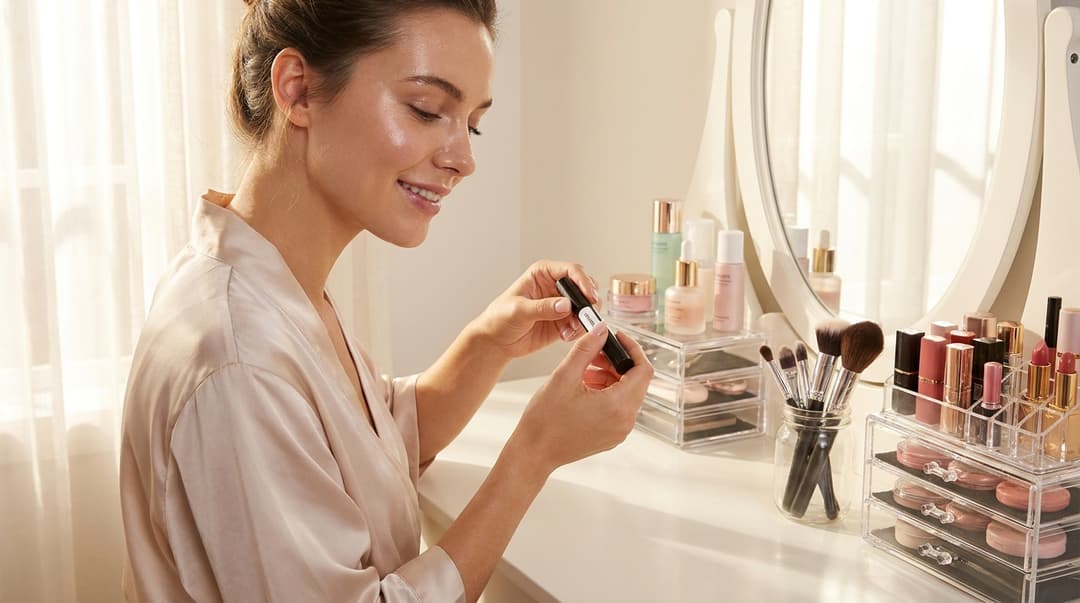
Good storage can't make makeup last forever, but it can help the formula remain stable throughout its intended use period. Here's what I've found easiest to maintain in a real-life, slightly chaotic beauty drawer:
- Label the opening date: Use a fine-tip permanent marker or a small sticker on the bottom of the container.
- Keep makeup cool and dry: A bedroom drawer is generally better than a steamy bathroom shelf or hot car.
- Close lids tightly: This limits exposure to air, moisture, and debris.
- Wash applicators regularly: Clean reusable brushes and sponges at least weekly if you use them often, then let them dry completely.
- Use clean hands: Avoid dipping unwashed fingers into cream products or jars.
- Don't add other ingredients: Water, oil, or skincare products can interfere with the formula's preservative balance.
- Buy sizes you'll finish: A smaller foundation or mascara can be more economical if a full-size product usually expires first.
So, set a five-minute timer today and check the three products most likely to be overlooked: mascara, liquid foundation, and lipstick. Find the PAO symbol, inspect the formula, and add an opening-date sticker to anything you're keeping. That quick reset makes future decisions much easier.
The Bottom Line
Knowing when to throw away expired makeup means using both the label and your senses. Follow the printed expiration date or PAO symbol, replace mascara around every three months, and discard any product that develops a strange smell, color, texture, or reaction.
You don't need to purge your entire makeup bag just because a compact is old, but you also don't need to negotiate with a suspicious tube of mascara. When the formula seems questionable, let it go.
For more practical beauty advice and genuinely good price drops, sign up for Insider Beauty's weekly deals.
Want more tips and exclusive beauty deals delivered to your inbox? Pop your email in the box below and join thousands of insiders who save big every week.