
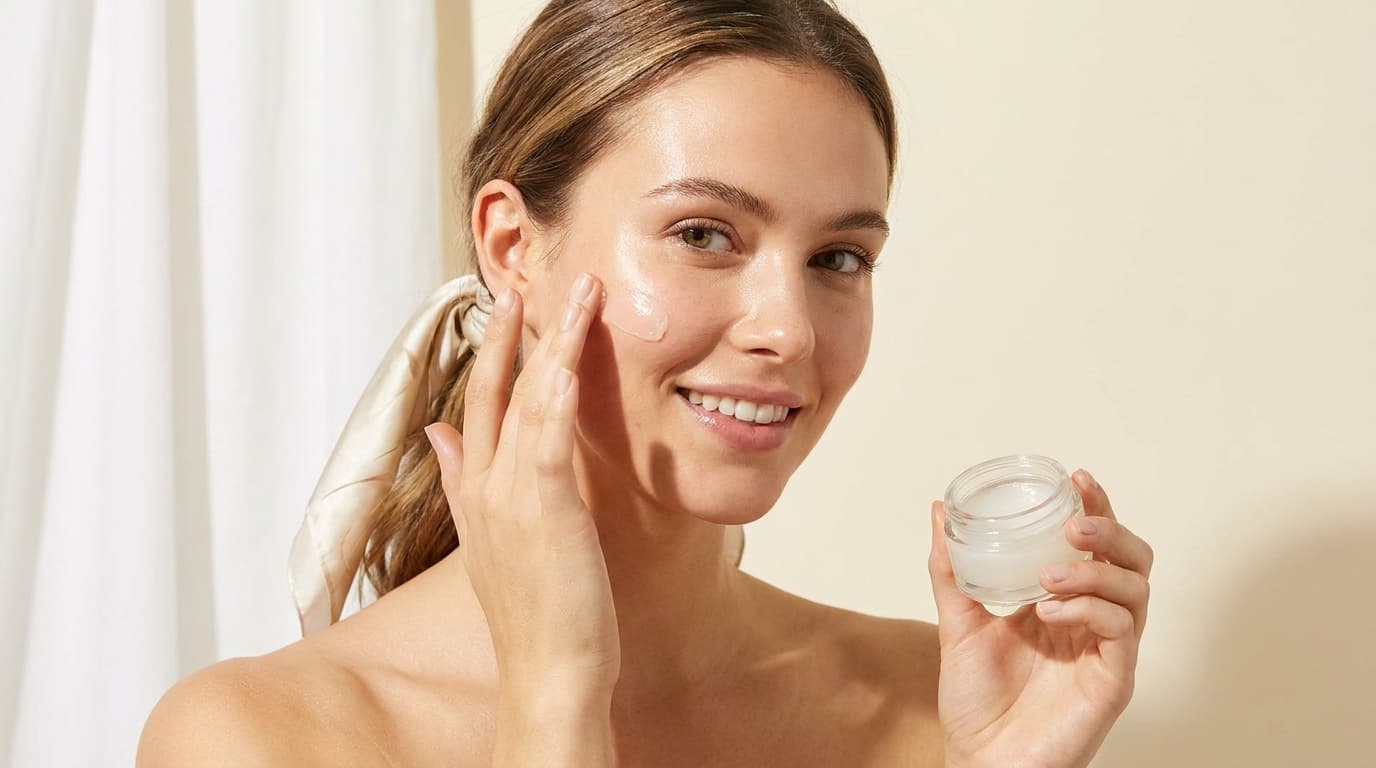
The slugging skincare trend explained simply: it means applying a thin layer of an occlusive ointment as the final step of your nighttime routine. This creates a protective seal that reduces water loss, helping dry or compromised skin retain moisture while you sleep. Here’s how to try it safely, who should skip it, and which products work best.
Quick Takeaways
- Slugging seals in moisture: It doesn’t hydrate skin by itself, so apply it over hydrating and moisturizing products.
- Petrolatum ointment is the classic choice: A fragrance-free healing balm can also work if it contains mostly occlusive ingredients.
- A thin layer is enough: You don’t need to cover your face in a thick, glossy coating.
- Dry and sensitive skin often benefits most: Oily, acne-prone, or infection-prone skin may need a more targeted approach.
- Be cautious with strong actives: Slugging over retinoids or exfoliating acids can intensify irritation.
Slugging Skincare Trend Explained: What Is It?
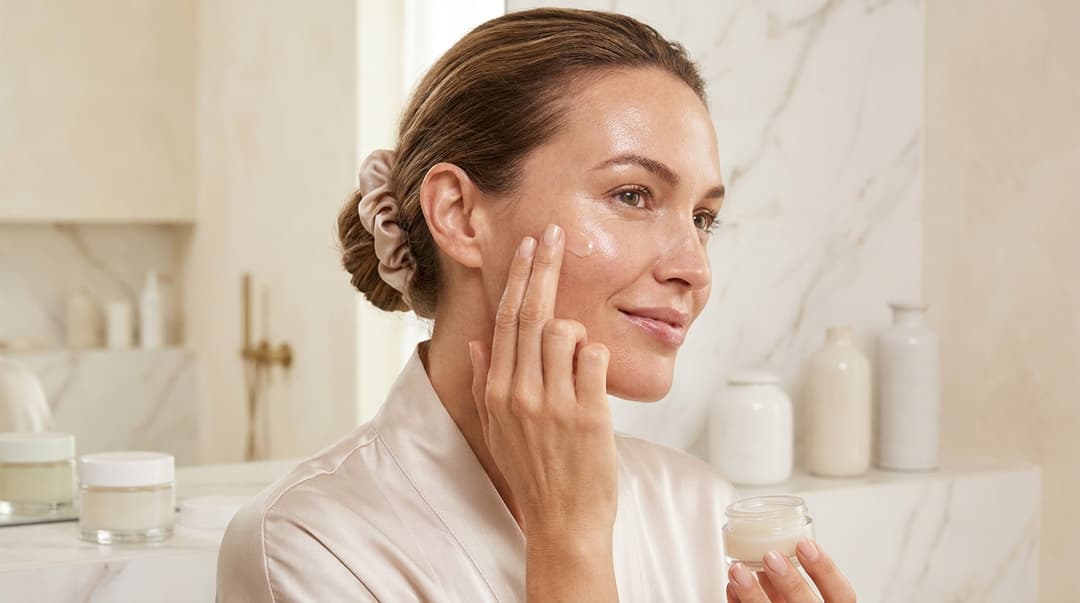
Slugging is a nighttime skincare technique that involves spreading an occlusive product, usually petrolatum, over your moisturizer. The name comes from the shiny finish it leaves on the skin, which looks a little slug-like. Cute? Debatable. Effective for the right person? Definitely possible.
The practice itself isn’t new. Dermatologists have recommended petrolatum for dry, irritated skin and wound care for decades. What’s newer is the social-media-friendly name and the idea of using it as a full-face routine step.
For anyone wanting the slugging skincare trend explained in one line, here it is: slugging traps the water and skincare products already on your skin so they’re less likely to evaporate overnight. It supports the skin barrier, but it isn’t a replacement for moisturizer.
Honestly, I first assumed slugging would feel unbearably sticky. I’ve found that using a truly tiny amount makes the experience much more comfortable, especially when I concentrate it around my mouth and other flaky areas rather than coating every inch of my face.
How Does Slugging Work on the Skin Barrier?
Your skin barrier is the outermost layer of skin. It helps keep water in while blocking irritants, allergens, and microorganisms from getting through. Cold weather, over-cleansing, low humidity, exfoliation, and certain acne treatments can all weaken that barrier.
Petrolatum is an occlusive, meaning it forms a physical film over the skin. Research has shown that petrolatum can reduce transepidermal water loss by more than 98% when applied effectively. That makes it one of the most reliable occlusive skincare ingredients available.
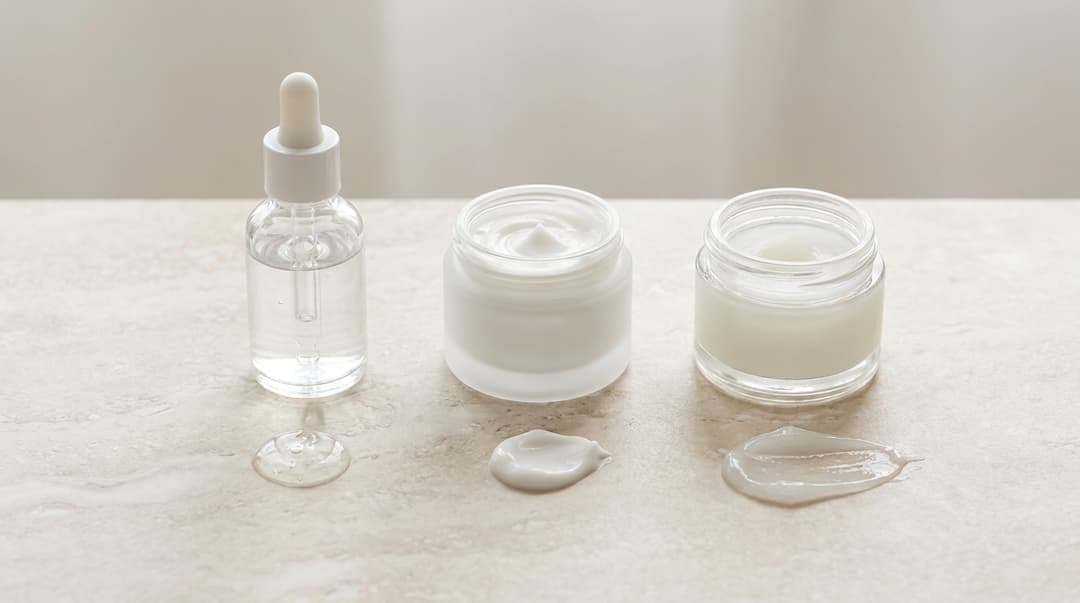
There are three useful moisturizer categories to know:
- Humectants: Ingredients such as glycerin and hyaluronic acid attract water to the upper layers of skin.
- Emollients: Ingredients such as ceramides and squalane soften skin and fill gaps between surface cells.
- Occlusives: Ingredients such as petrolatum and mineral oil create a seal that slows water loss.
A balanced slugging routine often uses all three. The humectant adds hydration, the emollient supports softness, and the occlusive keeps everything from escaping. So, if you apply petrolatum to completely dry skin without moisturizer underneath, you may not get the plush, hydrated result you expected.
How Do You Slug Your Face Safely?
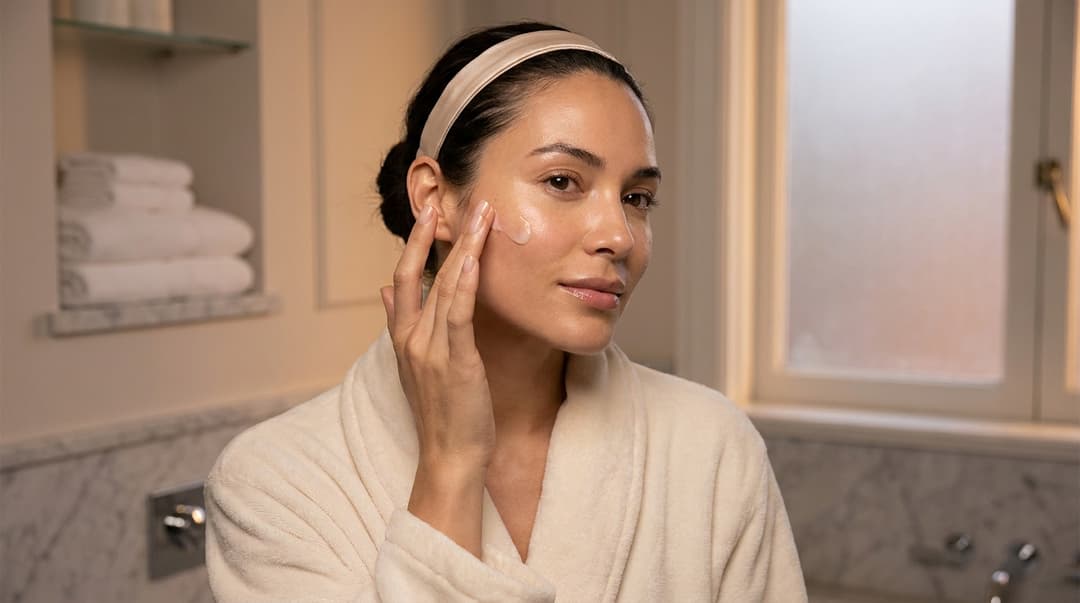
Slugging works best at night because the occlusive layer can look shiny and may not sit well under sunscreen or makeup. Try it on an evening when you’re not using potentially irritating active ingredients.
- Cleanse gently. Wash with a mild, non-exfoliating cleanser to remove sunscreen, makeup, excess oil, and debris. Pat your face dry without rubbing.
- Apply hydration. While skin is slightly damp, apply a simple humectant serum if you use one. Skip this step if your moisturizer already provides enough hydration.
- Add moisturizer. Smooth on a fragrance-free moisturizer containing ingredients such as glycerin, ceramides, or squalane.
- Wait briefly. Give your moisturizer a minute or two to settle. Your skin can remain dewy, but it shouldn’t be dripping wet.
- Seal with an occlusive. Warm a pea- to blueberry-sized amount of petrolatum ointment between your fingertips, then press a very thin layer over your face.
- Wash normally in the morning. Use lukewarm water or a gentle cleanser, depending on how your skin feels, and follow with moisturizer and broad-spectrum SPF 30 or higher.
Look, more isn’t better here. A thick coating may feel messy, transfer onto your pillowcase, and trap more sweat. The goal is a light seal, not frosting. Pull your hair back and consider using a pillowcase you don’t mind washing frequently.
Who Should Try Slugging—and Who Should Avoid It?
Slugging can be especially useful for people dealing with dryness, flaking, tightness, or a temporarily compromised moisture barrier. It may also help protect exposed areas during cold, windy weather or in heavily air-conditioned rooms.
You might benefit if you have:
- Chronically dry skin
- Seasonal flaking
- Irritation from over-cleansing
- Dry patches around the mouth or nose
- A fragrance sensitivity that limits moisturizer options
That said, full-face slugging isn’t ideal for everyone. Although properly refined cosmetic petrolatum isn’t considered inherently comedogenic, an occlusive layer can trap sweat, oil, and irritating products against the skin. If you’re very oily or prone to clogged pores, start by applying it only to dry patches.
Avoid slugging over skin with an active infection, weeping rash, or unexplained inflammation. People with acne, rosacea, eczema, or perioral dermatitis should check with a board-certified dermatologist if symptoms are persistent or severe. Stop if you notice worsening bumps, itching, burning, or redness.
Which Products and Common Mistakes Matter Most?
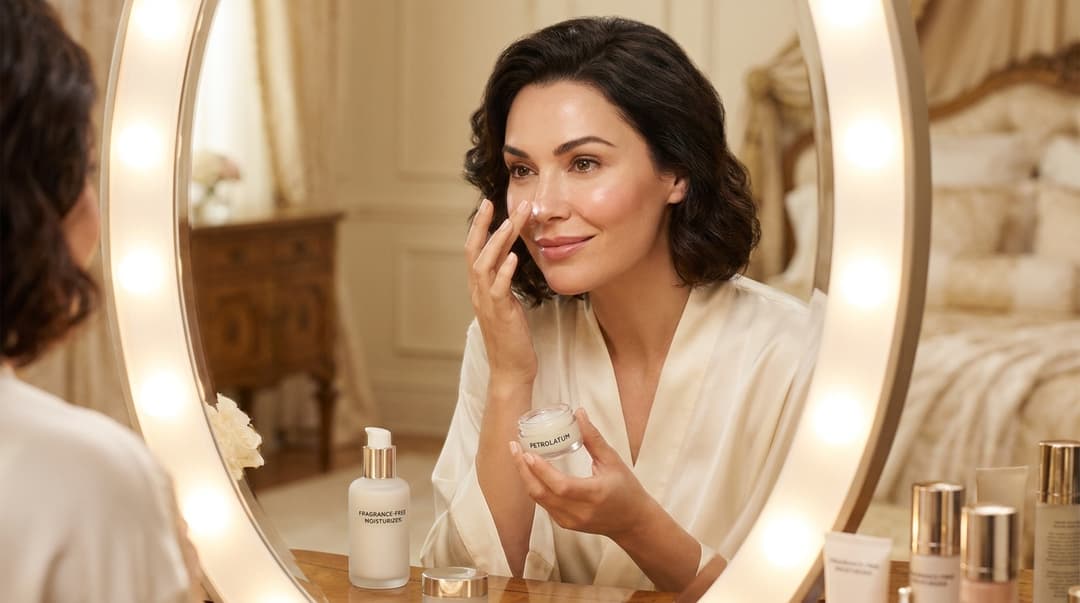
You don’t need a complicated routine. The most useful product types are a gentle cleanser, fragrance-free moisturizer, and plain petrolatum ointment. If you prefer a healing balm, check the ingredient list for fragrance, essential oils, or lanolin, which can bother some sensitive skin types.
These are the mistakes I see most often:
- Using too much ointment: Start with less than you think you need and add a touch more only where skin feels dry.
- Applying it over irritating actives: Occlusion can increase the penetration and irritation potential of retinoids, alpha hydroxy acids, beta hydroxy acids, and some acne treatments.
- Slugging without cleansing: Sealing makeup, sunscreen, or daily grime under an ointment can contribute to irritation and breakouts.
- Expecting petrolatum to add water: Apply moisturizer first because an occlusive mainly prevents existing moisture from escaping.
- Trying it every night immediately: Begin once or twice a week, then increase based on how your skin responds.
- Ignoring patch testing: Test the complete routine on a small area near the jaw for several nights before applying it everywhere.
If your T-zone gets congested but your cheeks are flaky, try targeted slugging. Apply the ointment only to dry areas, around the lips, or beside the nose. I tend to prefer this method because it gives the barrier-supporting benefits without making the entire face feel heavy.
The Bottom Line
With the slugging skincare trend explained, the main idea is pretty straightforward: apply a thin occlusive layer over moisturizer to reduce overnight water loss. It can make dry, flaky skin feel softer and better protected, but it works best when you use a small amount, avoid strong actives underneath, and adjust the frequency to your skin.
Start with one or two nights a week and watch for changes over the next several days. If your skin feels calmer and more comfortable, you can continue. If it becomes congested, itchy, or unusually red, pause and return to a basic cleanser-and-moisturizer routine.
Want more practical skincare advice without paying full price for every experiment? Sign up for Insider Beauty’s weekly deals for editor-approved offers and smart beauty finds delivered to your inbox.
Want more tips and exclusive beauty deals delivered to your inbox? Pop your email in the box below and join thousands of insiders who save big every week.