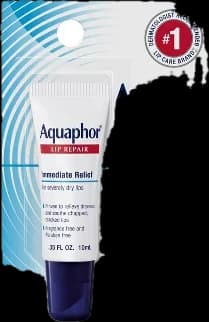
lip balm
Immediate Relief Lip Repair Balm
$4.79
Choose where you shop. See who qualifies before you copy a code.
We’ll list an offer here once we can confirm its terms for shoppers in the United States. An empty list doesn’t mean the brand has no offers.
We haven’t confirmed an official store for this country yet.
Clear about what we’ve checked. “Listed by the brand” means we found the offer on its official site. “Accepted in our test basket” means we also saw it apply to the basket described in the details. We recheck sources daily and hide expired offers or any we haven’t reconfirmed within 48 hours.
Check the store country, sign-in requirement, minimum spend and excluded products. Remove any other promotion, then check the saving appears in your order total before paying. Welcome offers usually require a first purchase or a new rewards membership.
Tell us about an offer that didn’t work
Aquaphor is easiest to shop when you look beyond the blue-and-white logo. The familiar Healing Ointment, the wide balm stick and the small Lip Repair tube do not all contain the same formula. I’d choose the original-style ointment for a practical jar to keep at home, then pay extra for another format only if it makes application easier where I actually need it.
This is a brand whose appeal is largely functional. A large jar can be good value without being a particularly elegant thing to use before getting dressed. A pocket product can cost much more per ounce and still make sense because it is the one you remember to carry. Those tradeoffs matter more than finding the most elaborate version of Aquaphor.
Aquaphor belongs to Beiersdorf. Its brand history dates development in the company’s US laboratories to 1924, with early products supplied to medical professionals in large containers. Direct consumer tubes followed in 1982. Advanced Therapy Healing Ointment arrived in 1991 as an addition to the original ointment, and Lip Repair followed in 2011.
That history helps explain why the name can be misleading when used casually. “Aquaphor” may mean a particular tube someone has used for years, while the person receiving the recommendation is looking at an entirely different lip or body product.
I would shop by the full product name and the intended use. The packaging is recognizable, but recognition alone cannot tell you which formula is inside. This guide focuses on selected US products, where the familiar ointment’s active ingredient and directions can be checked against its drug label.
The US Healing Ointment label on DailyMed, revised in December 2025, lists 41% petrolatum. Other ingredients include lanolin alcohol, panthenol and glycerin. Its uses include temporary protection of minor cuts, scrapes and burns, and relief of chapped skin and lips.
The manufacturer’s 14 oz product page describes a preservative-free and fragrance-free ointment for dry areas such as hands and feet. I’d put that jar on the bathroom shelf if those are recurring needs. A large container is less persuasive if you only want something to tuck beside your keys.
The format asks for a little patience. This is an ointment, so I would choose when to apply it around the practical demands of the day, rather than expecting the experience of a light hand lotion. For someone who wants a cream for regular all-over use, our CeraVe brand guide offers a different set of formats to compare.
Keep it out of the eyes, and do not use it on deep or puncture wounds, animal bites or serious burns. Stop and ask a doctor if the condition worsens, persists beyond seven days or clears and returns within a few days.
Healing Balm Stick contains 30% petrolatum and includes avocado oil and shea butter. It is a separate skin-protectant formula, rather than the 41% ointment simply pressed into a different container. The broad twist-up format is the reason I’d consider it: you can apply directly without scooping from a jar.
That convenience makes the most sense for a bag or a targeted area where you prefer direct application. I would be less inclined to choose it as the economical way to cover larger areas regularly. At the checked Target price, 0.65 oz costs $9.79, whereas the jar provides 14 oz for $16.49. You are paying for a very different way to use the product.
A lower petrolatum percentage does not, by itself, rank the whole formula’s performance. I would not call one version stronger simply by comparing the numbers. Decide whether you want an ointment or a solid stick, then consider the rest of the ingredients and the directions for that exact product.
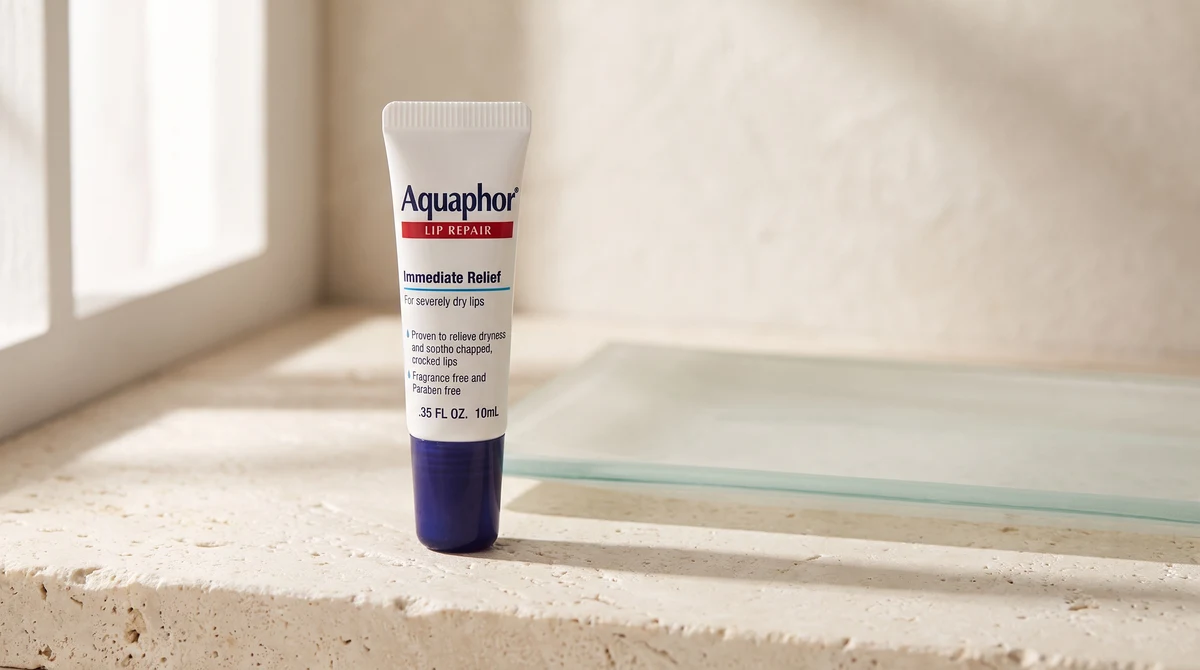
The standard Lip Repair squeeze tube is another formula again. Its first listed ingredient is octyldodecanol, and the brand highlights shea butter. The full ingredient list at CVS includes castor oil, glycerin, panthenol and beeswax, without petrolatum or lanolin alcohol listed.
That is a meaningful distinction if someone has recommended “Aquaphor for lips” without specifying which one. Healing Ointment’s labeled uses include chapped lips, while this is a dedicated lip product with a different ingredient list and a small applicator tube. My choice would depend on which formula I want and whether I already own the ointment, rather than assuming the lip-specific name automatically makes it better.
The plain Lip Repair tube here does not carry SPF. Aquaphor sells separately named sunscreen lip products, so look for the SPF number when that is what you need. Our dry-lip balm guide compares other textures and formats if the standard tube is not your preference.
Ointment Body Spray applies a water-free formula as a mist and can spray upside down. That makes it a more interesting format for arms, legs and areas that are awkward to reach than another small jar would be.
There is a useful historical review of the application experience. In Allure on 18 September 2017, Jessica Chia described softer-feeling, gleaming arms and legs without the thickness she associated with traditional ointment. She also found it made her hair look greasy. I’d keep the purchase focused on its intended body use, rather than pursuing that failed hair experiment.
The manufacturer lists butane among the spray’s ingredients. Follow the can’s handling instructions. The spray is an option for people who specifically want that delivery format; it would not be my default replacement for a straightforward tube.
If you want a cream or lotion rather than an ointment, our Vanicream guide separates its face-and-body moisturisers from Daily Facial Moisturizer.
These are Target’s displayed US prices checked on 21 October 2026, before tax. The stick had a newly reduced price; it should not be treated as a permanent price promise.
| Product | Size | US price checked 21 October 2026 |
|---|---|---|
| Healing Ointment Advanced Therapy jar | 14 oz | $16.49 |
| Healing Balm Stick | 0.65 oz | $9.79; previously $10.49 |
| Immediate Relief Lip Repair Balm | 0.35 fl oz | $4.79 |
The review cards below may show prices from earlier checks. Use the dated prices and sizes in this table for the current comparison.
The jar works out at about $1.18 per ounce, and the stick at about $15.06 per ounce. That gap is large enough to make the decision easy if your only concern is quantity. In practice, I’d reserve the stick premium for someone who values its application enough to use it more consistently. For a bedside or bathroom purchase, the jar has the clearer value argument.
Its US label includes temporary protection of minor cuts, scrapes and burns, and relief of chapped or cracked skin and lips. Follow the package directions and warnings.
The US Healing Ointment contains lanolin alcohol. Check the exact product, because formulas differ across the brand.
No. The selected US Healing Balm Stick contains 30% petrolatum and includes avocado oil and shea butter. Healing Ointment contains 41% petrolatum with a different ingredient list.
The plain Immediate Relief Lip Repair squeeze tube discussed here does not have SPF. Aquaphor sells separate sunscreen lip products with SPF labeling. Choose the exact version you intend to buy.