
Olaplex is a bond-building hair treatment designed to strengthen hair that has been weakened by bleach, chemical color, heat, and mechanical stress. This Olaplex treatment explained guide covers how its signature ingredient works, who may benefit, and why it isn't the same thing as a conditioner or protein mask.
Quick Takeaways
- Key ingredient: Olaplex treatments use bis-aminopropyl diglycol dimaleate, a patented bond-building ingredient.
- Best for: Bleached, highlighted, chemically straightened, frequently heat-styled, or noticeably fragile hair.
- What it does: It helps reinforce damaged hair structure, which may reduce breakage and improve manageability.
- What it doesn't do: It can't permanently seal split ends, replace lost moisture, or biologically heal hair.
- How to use it: Apply the at-home pre-shampoo treatment to damp hair, leave it on for at least 10 minutes, then shampoo and condition.
What Is an Olaplex Treatment?
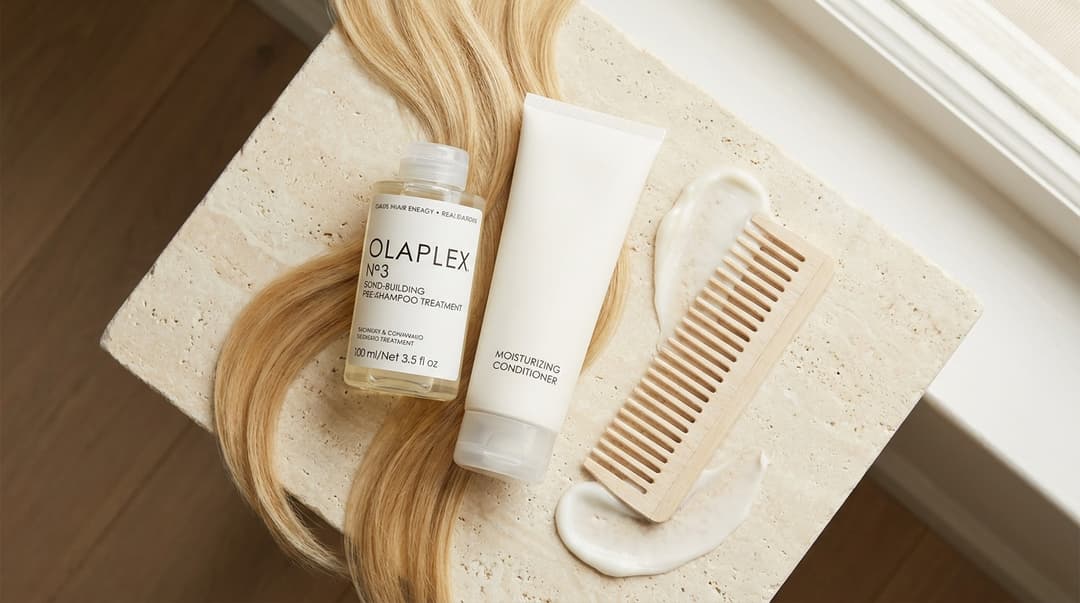
An Olaplex treatment is a bond-building treatment, not a traditional moisturizing mask. It was originally developed for professional use during bleaching and coloring services, but at-home formulas are now used between salon appointments to help maintain compromised hair.
Hair is made primarily from keratin, a protein supported by several types of chemical bonds. Disulfide bonds are especially relevant because they help give hair its strength, shape, and resilience. Bleach, permanent color, chemical straighteners, UV exposure, high heat, and rough handling can all contribute to structural damage.
The hero ingredient in the original bond-building system is bis-aminopropyl diglycol dimaleate. According to the brand, this molecule helps reconnect or protect bonds within the hair fiber before damage turns into more obvious breakage.
Look, hair is technically a dead fiber once it leaves the scalp, so no product can heal it in the same way skin heals a cut. A better way to describe the result is cosmetic and structural reinforcement. Hair may feel stronger, look smoother, and tolerate styling better, but you'll still need ongoing care.
How Does Olaplex Bond-Building Technology Work?
The simple explanation is that Olaplex targets internal hair damage rather than only coating the outside of the strand. Its patented ingredient is intended to interact with reactive sulfur groups involved in damaged disulfide bonds, helping stabilize the hair's internal structure.
That makes it different from three other common product types:
- Moisturizing conditioners: Use ingredients such as fatty alcohols, oils, humectants, and conditioning agents to soften hair and improve slip.
- Protein masks: Deposit hydrolyzed proteins or amino acids that may temporarily reinforce porous areas and make hair feel fuller.
- Clarifying shampoos: Remove oil, mineral deposits, polymers, and styling residue but don't rebuild damaged bonds.
These products aren't interchangeable. Bond-building hair care doesn't necessarily provide enough softness for dry hair, while a rich conditioner may make hair feel silky without addressing deeper structural weakness. I've found that damaged hair usually does best with both: a bond treatment for strength and a moisturizing conditioner for flexibility.
The exact reaction behind Olaplex is proprietary, and publicly available independent research on the finished products is more limited than the brand's own testing. So, while the chemistry is plausible and many stylists report less breakage, I'd be wary of claims that any treatment can restore hair to a completely virgin state.
Who Should Use an Olaplex Treatment?

Olaplex tends to make the most noticeable difference on chemically or mechanically damaged hair. You may be a good candidate if your hair snaps during brushing, feels unusually stretchy when wet, tangles more than it used to, or has lost resilience after repeated salon services.
It may be especially useful for:
- Bleached, highlighted, or balayaged hair
- Permanently colored or chemically straightened hair
- Hair exposed to frequent flat-ironing, curling, or blow-drying
- Fragile lengths that break before they can grow longer
- High-porosity hair that feels rough and difficult to detangle
Healthy, minimally processed hair can still use a bond treatment, but the results may be subtle. If your main concern is simple dryness, dullness, or frizz, a hydrating mask or leave-in conditioner may give you a faster cosmetic payoff.
Fine hair can use Olaplex too. Just apply a modest amount and rinse thoroughly so you don't weigh down the roots. For curls and coils, remember that bond repair doesn't replace water, conditioning lipids, or styling products that support softness and definition.
Honestly, more isn't always better. If your hair already feels strong and flexible, you probably don't need every product in a bond-building range. Buying one targeted treatment is easier on your budget and helps reduce unnecessary packaging and product waste.
How Do You Use Olaplex at Home?
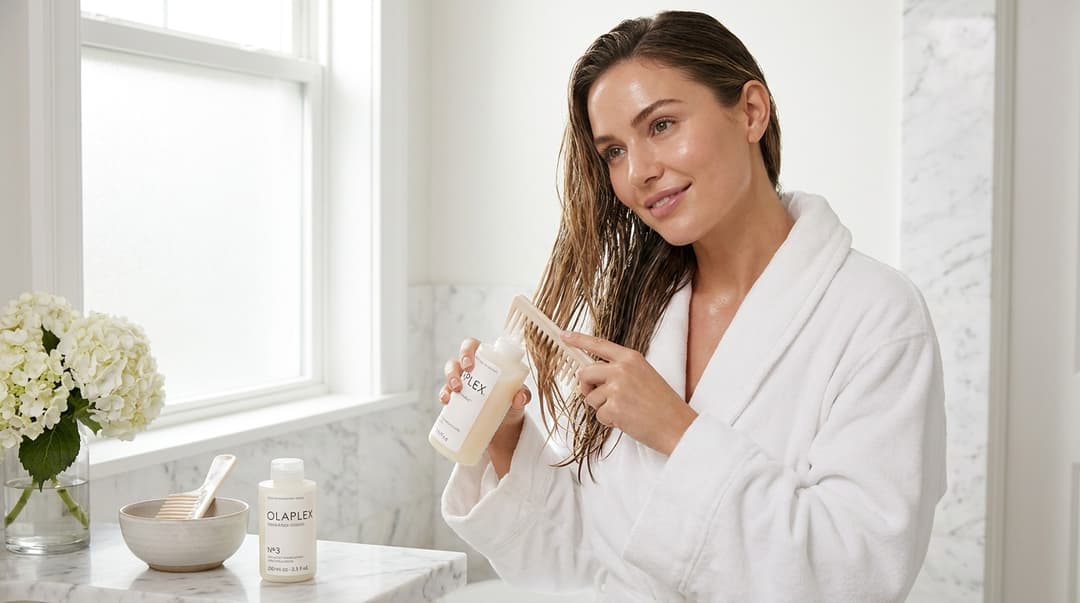
For most people, the pre-shampoo at-home treatment is the clearest place to start. Always check the current package directions because formulas and instructions can change.
- Dampen your hair. Hair should be moist rather than dripping wet. Gently squeeze out excess water so the treatment isn't diluted.
- Apply the treatment evenly. Work it through the mid-lengths and ends, then cover other damaged areas. Use enough to saturate the hair without letting product drip everywhere.
- Distribute with care. Use your fingers or a wide-tooth comb, starting at the ends. Avoid aggressive brushing while hair is wet and vulnerable.
- Wait at least 10 minutes. Leaving it on slightly longer may fit your routine, but overnight use generally isn't necessary unless the label specifically recommends it.
- Rinse completely. Use lukewarm water rather than very hot water, which can make already-dry hair feel rougher.
- Shampoo your scalp and lengths. Choose a gentle shampoo for regular washes. Use a clarifying shampoo only when you genuinely have buildup or hard-water residue.
- Finish with conditioner. A moisturizing conditioner helps restore slip and softness because the bond treatment isn't meant to replace conditioning.
For a lower-waste routine, apply the treatment section by section instead of using a huge handful. You'll get more even coverage and won't send as much expensive formula down the drain. I also like squeezing water from my hair with a towel before applying—it makes a surprisingly big difference.
Salon bond-building treatments are more concentrated and may be mixed into color or lightener by a licensed professional. Don't try to recreate salon chemistry at home by adding random products to bleach. Altering a chemical service can affect processing, lift, and scalp safety.
How Often Should You Use It, and What Mistakes Should You Avoid?
A practical starting point is once a week for visibly damaged hair. Hair experiencing severe breakage may benefit from two applications a week for a short period, while relatively healthy hair may only need treatment every two to four weeks. Follow the label and adjust based on how your hair responds.
Common mistakes include:
- Skipping conditioner: Bond builders reinforce, but they don't always provide enough moisture or detangling slip.
- Applying too much: Extra product doesn't guarantee extra repair and may leave fine hair feeling coated.
- Expecting split ends to disappear: Products can temporarily smooth frayed ends, but trimming is the only reliable way to remove them.
- Continuing damaging habits: Daily high heat and overlapping bleach can outpace what any treatment can do.
- Ignoring the ingredient list: Some formulas may contain fragrance or other ingredients that don't suit every scalp or sensitivity.
Use heat protectant, lower tool temperatures when possible, and avoid repeatedly passing a flat iron over the same section. Gentle detangling and regular trims matter too. An Olaplex treatment explained without those basics would only tell half the story.
If a product causes burning, persistent itching, swelling, or a rash, rinse it off and stop using it. Anyone with a history of scalp reactions should review the current ingredient list and speak with a dermatologist when needed.
The Bottom Line

Olaplex can be a useful treatment for hair weakened by bleach, color, chemical processing, heat, or repeated manipulation. Its patented bond-building ingredient is designed to reinforce internal hair structure, but you'll still need shampoo, conditioner, sensible heat habits, and occasional trims for a balanced routine.
So, the most realistic Olaplex treatment explained answer is this: it may help reduce breakage and make damaged hair feel stronger, but it can't permanently mend split ends or return processed hair to an untouched state. Start with one pre-shampoo treatment, use it weekly, and pay attention to what your hair actually needs rather than buying the entire shelf.
Want cleaner formulas and fewer full-price beauty buys? Sign up for Insider Beauty's weekly deals for curated hair-care offers and ingredient-conscious picks.
Want more tips and exclusive beauty deals delivered to your inbox? Pop your email in the box below and join thousands of insiders who save big every week.