
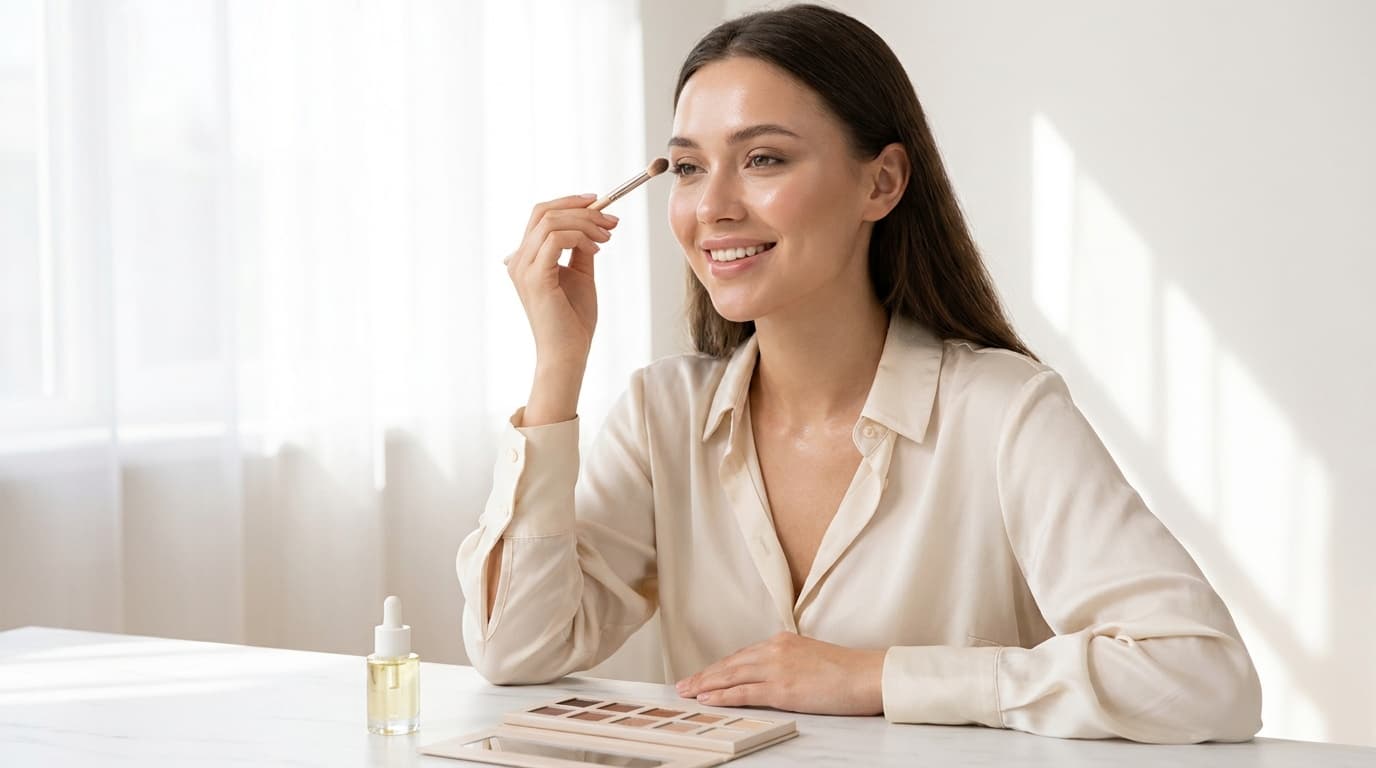
The best makeup tips for hooded eyes are to place color above your natural crease, keep eyeliner thin, and choose formulas designed to resist transfer. These techniques keep your makeup visible when your eyes are open while helping shadow, liner, and mascara stay fresh longer. Here's exactly how to make them work.
Quick Takeaways
- Apply makeup with your eyes open: This lets you see which areas remain visible beneath the hood.
- Create a slightly higher crease: Blend matte shadow just above your natural fold for more visible definition.
- Use thin, lifted eyeliner: A narrow line preserves lid space and makes the eyes look more open.
- Prep strategically: A lightweight eye primer can reduce creasing and transfer without making lids feel heavy.
- Choose intentional ingredients: Fragrance-free formulas, responsibly sourced pigments, and plastic-free shimmer are thoughtful options for the delicate eye area.
What Are Hooded Eyes and Why Does Makeup Transfer?
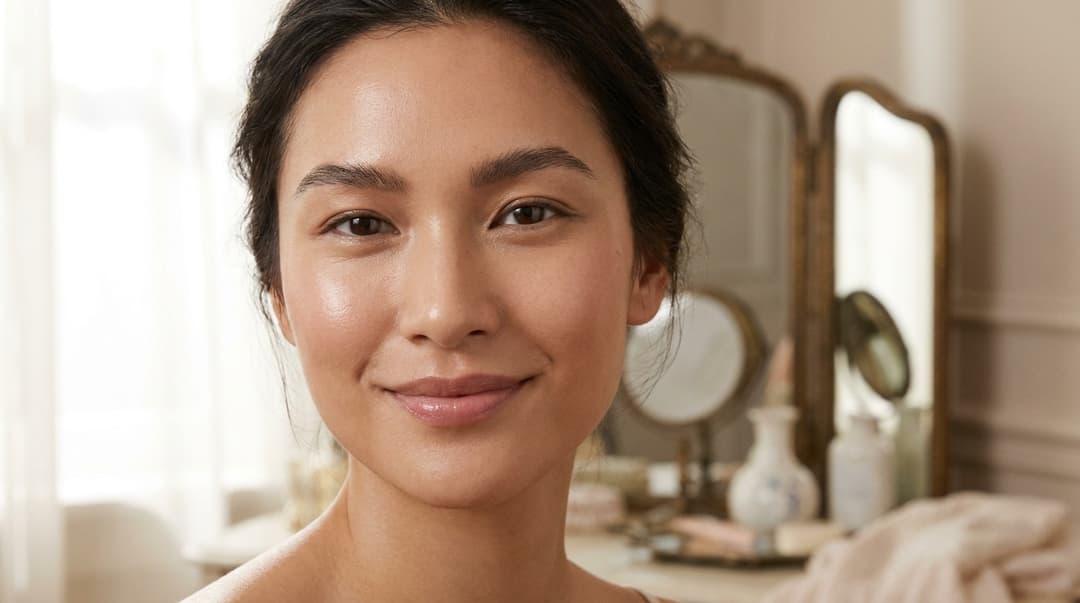
Hooded eyes have a fold of skin that partially or fully covers the natural eyelid crease. You may have very little visible mobile lid when looking straight ahead, or the outer corner of your lid may disappear beneath the fold. Hooded eyes can be genetic, develop gradually with age, or become more noticeable when the eye area is puffy.
The extra skin-to-skin contact is why eye makeup often transfers. Natural oils, heat, blinking, and creamy formulas can move pigment from the lash line onto the upper lid. A dramatic wing may also look bent or hidden when your eyes are open, even if it appears perfectly straight when they are closed.
Look, none of this means you need to correct your eye shape. The goal is simply to put pigment where it will actually be seen and use thinner layers where rubbing tends to happen.
To identify hooded eyes, face a mirror with your head level and your brows relaxed. If the crease is hidden or your upper lid overlaps most of the mobile lid, these techniques will likely work well for you. One eye may also be more hooded than the other, which is completely normal.
How Do You Prep Hooded Eyelids?
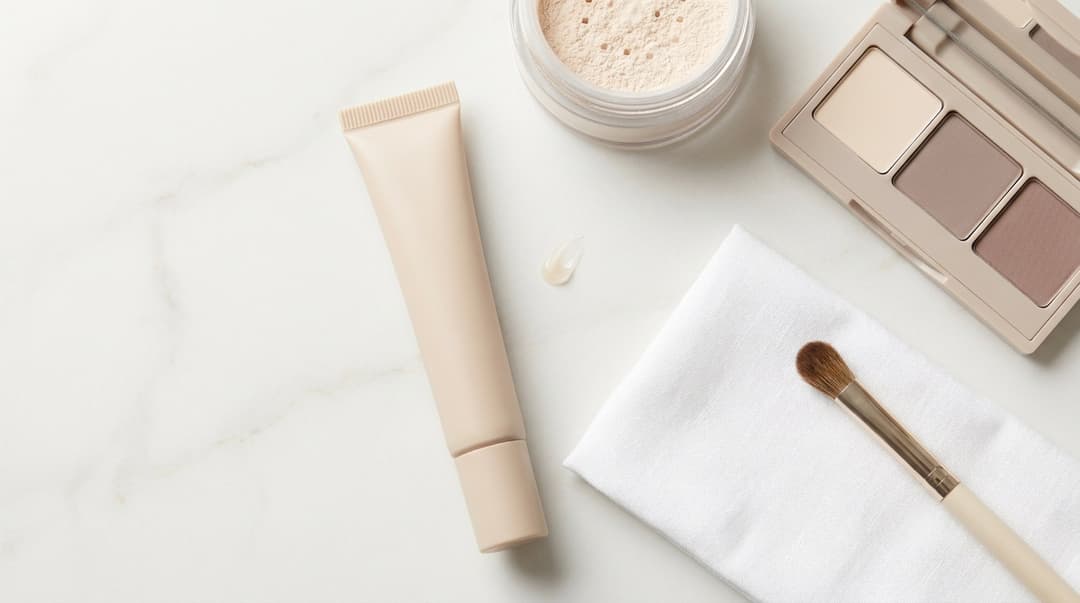
Good preparation matters because too many creamy skincare layers can make eye makeup slide. Keep rich eye cream around the orbital bone rather than directly on the mobile lid, especially during the day. Give sunscreen and skincare a few minutes to settle before starting your makeup.
A thin layer of eye primer can create a more even surface and help control oil. Look for lightweight film-forming ingredients such as pullulan or trimethylsiloxysilicate if longevity is your priority. Silica, kaolin, and starches can absorb excess oil, though very dry or mature lids may prefer a flexible formula with glycerin or squalane.
I've found that using less primer is usually better on hooded lids. A rice-grain amount split between both eyes is often enough. Thick primer can collect in the fold and make powder shadow look textured.
Follow this quick prep routine:
- Blot the eyelids gently with a clean tissue to remove excess skincare and oil.
- Smooth a very thin layer of primer from the lash line to slightly above the crease.
- Wait about 30 seconds for it to become tacky rather than wet.
- Set only the fold with a small amount of translucent powder if your lids are oily.
- Leave the mobile lid slightly tacky when you want shimmer or satin shadow to grip.
Honestly, fragrance-free eye products are a smart choice if you're sensitive. Fragrance doesn't improve performance, and both natural essential oils and synthetic fragrance blends may bother reactive eyes. Preservatives, on the other hand, help keep water-based formulas safe, so preservative-free isn't automatically better.
How Do You Apply Eyeshadow to Hooded Eyes?
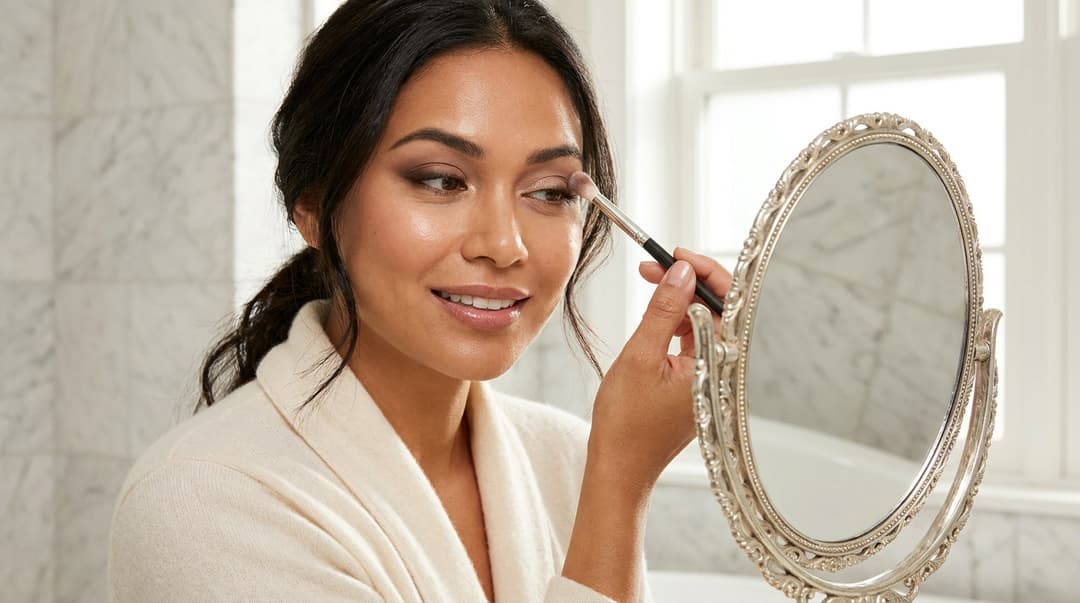
The most useful eyeshadow technique is to build a false crease slightly above the natural fold. Keep your eyes open and look straight into a mirror while mapping the shape. If you apply everything with your eyes closed, carefully blended color can disappear as soon as you open them.
Here are step-by-step makeup tips for hooded eyes using powder eyeshadow:
- Sweep a light matte shade over the lid to create an even base.
- Look straight ahead and place a medium matte shade just above the visible fold.
- Blend upward and outward with a small, fluffy brush, stopping below the brow bone.
- Deepen the outer third with a slightly darker shade, keeping the shape lifted toward the tail of the brow.
- Press satin or finely milled shimmer onto the visible center of the mobile lid with a fingertip or flat brush.
- Add a pale satin highlight at the inner corner if you want a brighter effect.
- Check both eyes while looking forward, then adjust the placement rather than forcing perfect symmetry with your eyes closed.
Matte shades are helpful for creating depth because they don't reflect light onto the hood. Shimmer can still look gorgeous, though. Keep it below the new crease or concentrate it on the center and inner lid. Fine shimmer generally sits more smoothly than chunky glitter and is less likely to fall into the eyes.
From an ingredient perspective, look for iron oxides for color and either responsibly sourced mica or synthetic fluorphlogopite for sheen. If vegan makeup matters to you, check for carmine, a red pigment derived from insects. For a lower-waste choice, consider refillable powder shadow pans and avoid loose glitter made from polyethylene terephthalate, also known as PET plastic.
So, brush size matters too. A large blending brush can spread color too close to the brow and make the eye look heavy. A smaller tapered brush gives you more control, particularly when the space between your crease and brow is limited.
What Eyeliner and Mascara Work Best?
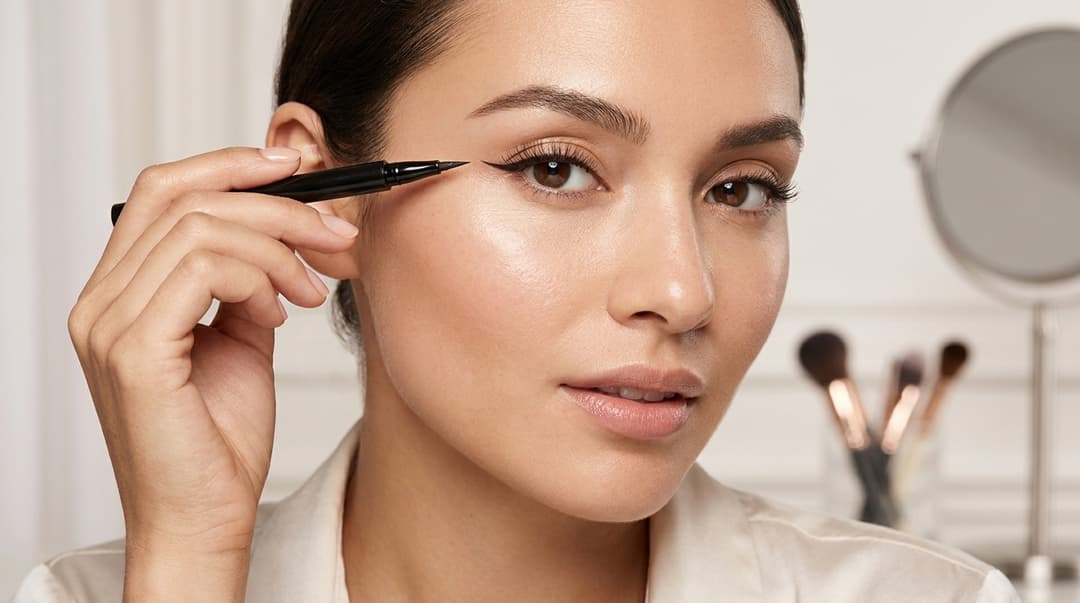
Thin eyeliner usually flatters hooded eyes because it defines the lashes without covering valuable lid space. Start at the center or outer third of the lash line instead of drawing a thick band across the entire eye. Tightlining the upper waterline can also make lashes look fuller, but skip it if your eyes are easily irritated or your eye-care professional has advised against it.
For a visible wing, use the batwing technique:
- Look straight into the mirror with your eyes relaxed.
- Draw a small upward flick from the outer corner at roughly a 40- to 45-degree angle.
- Connect the tip back toward the lash line while your eye remains open.
- Fill the small stepped or triangular shape.
- Close your eye and smooth only the obvious gaps.
The line may look slightly geometric when your eye is closed, but it appears straight when open. A quick-setting gel or liquid liner with strong film formers will generally transfer less than a soft pencil. Let each layer dry before blinking normally.
Curling the lashes creates visible space between the lash line and hood. Concentrate mascara at the roots, then comb upward rather than loading the tips with heavy product. Tubing mascara is especially useful because its polymers form tiny sleeves around the lashes and tend to resist smudging from skin contact. Most tubing formulas also remove with warm water and gentle pressure, which can mean less rubbing around the eyes.
I've found that applying mascara mainly to the outer upper lashes gives a soft lifted effect without making the eyes feel crowded. If lashes touch your brow bone, use one thin coat and comb out excess before it dries.
Which Hooded-Eye Makeup Mistakes Should You Avoid?
Small placement changes often make a bigger difference than buying more products. Watch for these common issues:
- Closing your eyes for the entire application: Check your work with relaxed, open eyes so the color remains visible.
- Drawing very thick liner: This can cover the mobile lid and make the eyes appear smaller.
- Blending dark shadow downward: Keep deeper pigment at the outer corner and angle it toward the brow tail.
- Applying rich eye cream immediately before makeup: Emollient layers can break down primer, liner, and mascara.
- Using too much product: Thick layers crease faster where the lid folds and may emphasize texture.
- Pulling the eyelid taut: Liner can change shape when the skin is released. Apply it while your face is relaxed instead.
- Chasing identical eyes: Map each eye separately since one hood may sit lower than the other.
So don't feel pressured to follow every viral eye look exactly. Adapt the placement to your anatomy. Take a quick photo looking straight ahead, too; it can reveal whether your liner angles and false creases look balanced better than a magnifying mirror can.
The Bottom Line
The most reliable makeup tips for hooded eyes come down to visibility, thin layers, and transfer-resistant textures. Prep lightly, map your crease with your eyes open, keep liner narrow, and lift the outer corners with shadow and lashes. A fragrance-free eye primer, finely milled powder eyeshadow, and tubing mascara are three practical product types that can simplify the whole routine.
Makeup should work with your features, not hide them. Experiment with one adjustment at a time, and you'll quickly see which placement feels easiest and wears best on your lids.
For more ingredient-conscious beauty advice and genuinely good finds, sign up for Insider Beauty's weekly deals.
Want more tips and exclusive beauty deals delivered to your inbox? Pop your email in the box below and join thousands of insiders who save big every week.