
The best way to repair damaged hair at home is to cut back on heat and chemical stress, use bond-building and protein-moisture balancing treatments, and handle your hair more gently day to day. This works because most hair damage comes from a weakened cuticle and broken internal bonds, so the fix is really about protecting what you have while helping hair feel stronger and smoother. Here's exactly how to do it.
Quick Takeaways
- Repair damaged hair at home by focusing on three things: less breakage, more moisture, and better daily habits.
- Bond-building treatments, deep conditioners, and leave-in conditioners are the most useful product types for at-home repair.
- Heat styling, bleach, tight hairstyles, and rough brushing are the biggest reasons hair keeps getting worse.
- Trim split ends when needed, because no product can fully fuse a split end back together for good.
- Consistency matters more than using a dozen products. A simple routine done every wash day works best.
What does damaged hair look like?

Damaged hair usually has a pretty obvious vibe. It feels rough, tangles easily, looks dull, and snaps instead of stretching. You might also notice frizz that won't calm down, ends that look white or split, and strands that feel gummy when wet.
Look, hair damage happens when the outer layer of the hair shaft, called the cuticle, gets lifted or chipped away. Once that protective layer is worn down, moisture escapes more easily and the inner structure is more exposed to breakage.
Common signs of damaged hair:
- Dryness that comes back right after conditioning
- Split ends and mid-length breakage
- Excessive tangling
- Frizz and puffiness
- Lack of shine
- Hair that feels stretchy or mushy when wet
- Hair that snaps during brushing or styling
If your hair feels soft but weak, you may need more protein or bond support. If it feels stiff and brittle, you likely need more moisture and lubrication.
What causes hair damage in the first place?
Honestly, most people don't have just one cause. It's usually a stack of little things.
The biggest culprits are:
- Heat styling from flat irons, curling irons, and high-heat blow-drying
- Bleach and permanent color that weaken the protein structure of hair
- Overwashing or harsh shampoos that strip away protective oils
- Rough detangling especially when hair is wet and fragile
- Sun, chlorine, and hard water which can leave hair dry and rough
- Tight hairstyles that create tension and breakage around the hairline and crown
- Skipping trims until split ends travel upward
I've found that people often blame one bad salon visit, but daily habits usually keep the damage going. So if you want to know how to repair damaged hair at home, the first step is stopping the cycle.
How to repair damaged hair at home step by step
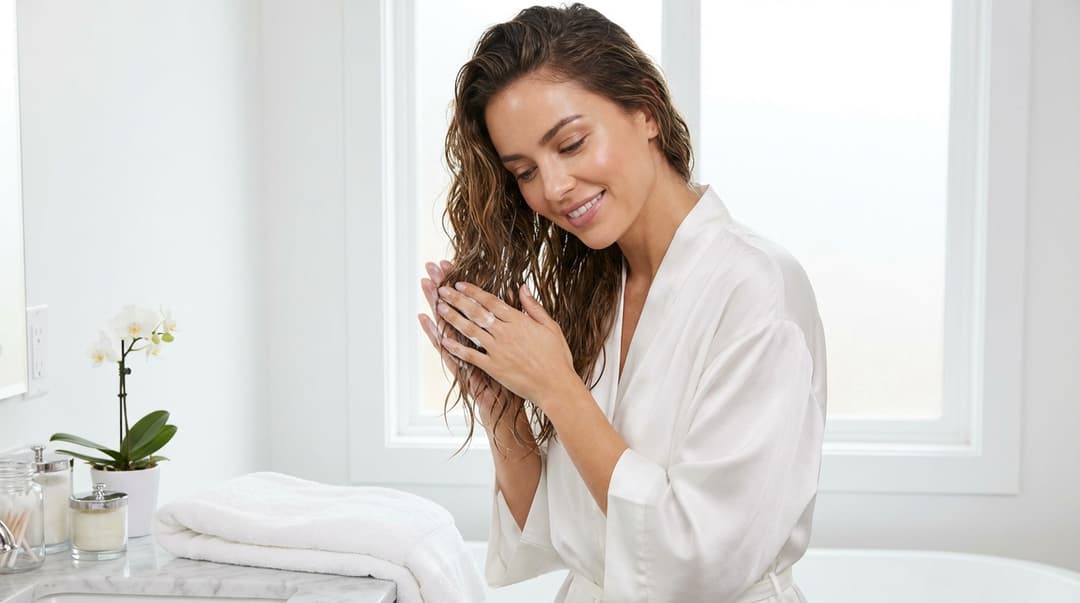
So, here's the part that actually helps. You do not need a 12-step routine. You need a few smart moves repeated consistently.
- Use a gentle shampoo 2 to 3 times a week
- Apply a deep conditioner every wash day
- Use a bond-building treatment 1 to 2 times a week
- Detangle with a wide-tooth comb starting at the ends
- Apply leave-in conditioner on damp hair
- Use heat protectant every single time you style with heat
- Air-dry partly before blow-drying when possible
- Sleep on a silk or satin pillowcase
- Trim obvious split ends every 8 to 12 weeks
- Avoid tight ponytails and rough towel-drying
That basic routine covers most cases of mild to moderate damage.
Which products actually help damaged hair?
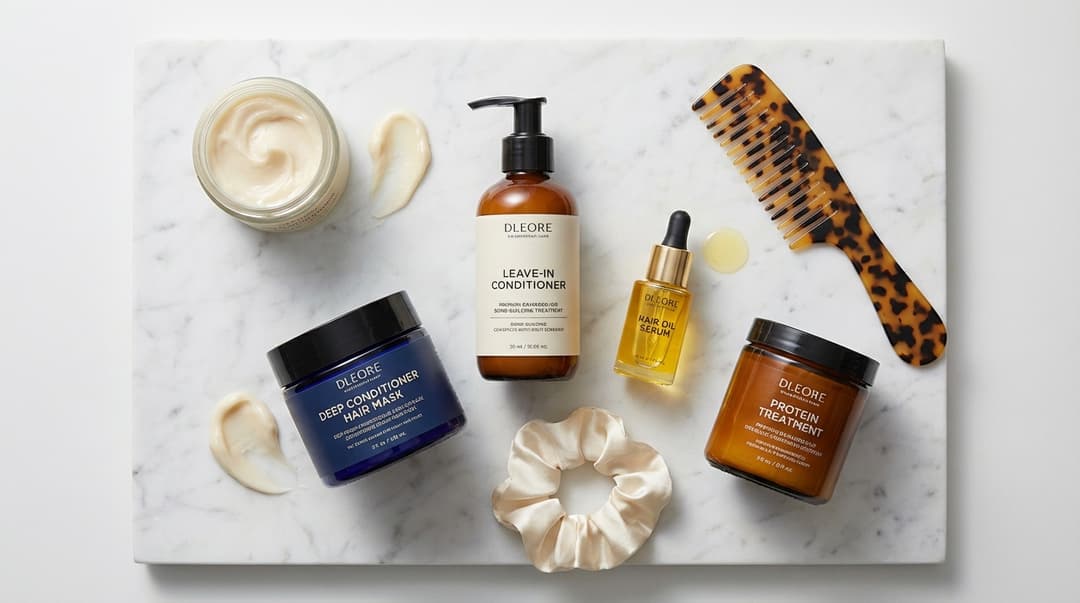
When you're trying to repair damaged hair at home, product type matters more than hype. A few categories really do pull their weight.
- Bond-building treatments: These help support weakened hair bonds, especially after bleaching or heat damage. They won't make hair brand-new, but they can improve strength, softness, and elasticity over time.
- Deep conditioners or hair masks: These add moisture, smooth the cuticle, and make hair feel less rough. Look for formulas with fatty alcohols, amino acids, ceramides, and humectants.
- Leave-in conditioners: These protect hair between washes, reduce friction, and make detangling easier. They're especially helpful if your hair knots easily.
- Hair oils or serums: These don't repair internal damage, but they can seal in softness, reduce frizz, and add shine. I like using a tiny amount on the ends.
- Protein treatments: These can temporarily reinforce weak strands, but don't overdo them. Too much protein can leave hair feeling hard or straw-like.
Ingredients worth looking for:
- Hydrolyzed proteins
- Amino acids
- Ceramides
- Glycerin
- Panthenol
- Dimethicone or lightweight silicones for slip and protection
A quick reality check: no product can permanently glue a split end back together. Products can smooth, coat, strengthen, and protect, which absolutely helps, but a trim is still the real fix for frayed ends.
How often should you wash and treat damaged hair?
This is one of the most common questions, and the answer depends on your hair type. But in general, damaged hair does better with less stripping and more conditioning.
A good starting point:
- Fine damaged hair: wash every 2 to 3 days with a lightweight conditioner
- Medium to thick damaged hair: wash 2 times a week and deep condition each time
- Curly or coily damaged hair: wash every 5 to 7 days and use rich leave-ins plus a weekly mask
Treatment schedule that works for a lot of people:
- Deep conditioner: Every wash day
- Bond-building treatment: 1 to 2 times a week
- Protein treatment: Every 2 to 4 weeks if hair feels weak or overly stretchy
- Clarifying shampoo: About once a month if you use lots of styling products or have hard water buildup
If your hair starts feeling coated, limp, or weirdly dry even after conditioning, product buildup may be the issue. A gentle clarifying wash can help reset things.
Can you fix heat-damaged or bleached hair without cutting it?
You can improve it a lot, but not all damage can be fully reversed. That's the honest answer.
Heat-damaged hair often responds well to a break from hot tools, regular deep conditioning, and bond-building treatments. Bleached hair can also feel much better with the right routine, but if it's severely overprocessed, some of that roughness and breakage is permanent until it grows out.
Here's when a trim is non-negotiable:
- The ends split into multiple branches
- Hair keeps knotting at the same spots
- The bottom few inches feel thin and stringy
- Breakage is traveling upward
I've found that even a small trim makes the rest of your routine work better. Hair looks fuller, tangles less, and styling gets easier almost immediately.
What daily habits prevent more hair damage?

Honestly, prevention is where the real payoff is. You can use the best mask in the world, but if you're blasting 450-degree heat every morning, progress will be slow.
Try these habits:
- Turn down the heat: Keep hot tools on the lowest setting that gets the job done.
- Use a microfiber towel or T-shirt: Regular towels can rough up the cuticle.
- Brush gently: Start from the ends and work upward.
- Protect hair in the sun and pool: Wear a hat or rinse hair before and after swimming.
- Don't sleep with wet hair in a tight bun: That's a sneaky breakage trap.
- Rotate hairstyles: Give high-tension styles a break.
- Add slip before detangling: Leave-in conditioner makes a huge difference.
If you're wondering how to repair damaged hair at home fast, this is the not-so-glamorous truth: the little habits matter just as much as treatments.
When should you see a stylist or dermatologist?
At-home care can do a lot, but sometimes you need backup.
See a stylist if:
- Your hair is breaking off in clumps
- You have severe bleach damage
- Your ends are splitting faster than usual
- You need a corrective cut to stop further breakage
See a dermatologist if:
- You're losing more hair than normal from the root
- Your scalp is itchy, flaky, painful, or inflamed
- Hair thinning is sudden or patchy
Damage along the shaft is different from shedding at the root. If the problem seems like hair loss rather than breakage, that's a different issue.
The Bottom Line
You can absolutely repair damaged hair at home by combining gentle washing, regular deep conditioning, bond-building treatments, heat protection, and better everyday handling. The goal isn't to make damaged hair magically brand-new overnight. It's to strengthen weak areas, smooth the cuticle, prevent more breakage, and slowly grow in healthier hair.
So start simple: use a gentle shampoo, add a deep conditioner, try a bond-building treatment, and back off the heat for a few weeks. Your hair may not transform in one wash, but with consistency, it can look shinier, feel softer, and break a whole lot less.
If you want more smart beauty tips and the best product deals sent straight to your inbox, sign up for Insider Beauty's weekly deals.
Want more tips and exclusive beauty deals delivered to your inbox? Pop your email in the box below and join thousands of insiders who save big every week.