
A hair glossing treatment at home is one of the easiest ways to add shine, smooth frizz, and refresh faded color without committing to permanent dye. It works by coating the hair cuticle with glossing agents, conditioning ingredients, and sometimes low-level pigment, so your hair looks healthier and feels silkier after just one session.
Quick Takeaways
- A hair glossing treatment at home boosts shine fast: Most formulas smooth the cuticle and make hair look glossier in 10 to 20 minutes.
- There are clear and tinted options: Clear gloss adds shine, while tinted gloss can refresh brunettes, blondes, reds, or black hair.
- Ingredient choice matters: Look for conditioning ingredients like fatty alcohols, plant oils, amino acids, and hydrolyzed proteins.
- It won't permanently change your color: A gloss is temporary and usually fades gradually over several washes.
- Application technique makes a difference: Even saturation, the right timing, and rinsing with cool water help you get better results.
What is a hair glossing treatment at home?
A hair glossing treatment at home is a temporary shine treatment you apply yourself, usually after shampooing. Depending on the formula, it can be clear, tinted, or acidic, and it's designed to smooth the outer layer of the hair so light reflects better.
So, what does that actually mean for your hair? Usually this:
- More shine
- Less frizz and roughness
- Softer texture
- A subtle color refresh if you use a tinted formula
- Better-looking ends between salon visits
I've found that glossing is especially nice when hair looks a little tired but doesn't need a full color session. If your strands feel dull from heat styling, hard water, or too much dry shampoo, a gloss can make them look more polished really quickly.
What does a hair gloss do for dull or color-treated hair?
A good hair glossing treatment at home helps flatten the raised cuticle layer, which is often why hair looks rough, dry, or faded. When the cuticle lies smoother, hair reflects light more evenly, and that's where the glossy finish comes from.
Here are the main benefits:
- Adds shine by smoothing the hair surface.
- Refreshes tone if you choose a tinted gloss, especially for faded color-treated hair.
- Cuts down frizz by coating rough areas of the strand.
- Makes hair feel softer thanks to conditioning agents.
- Improves manageability so detangling and styling are easier.
Honestly, I like glosses because they can make hair look expensive without doing a ton. They're not magic, and they won't repair severe breakage, but they do create that healthy-looking finish people usually want.
How to do a hair glossing treatment at home step by step
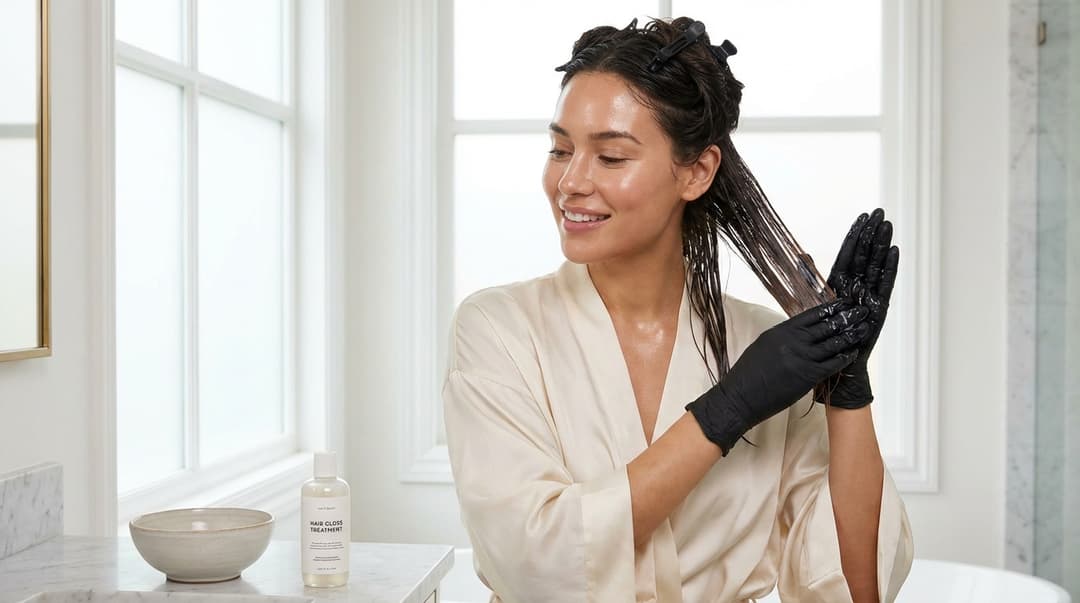
If you want the best results, keep it simple and follow the instructions on your specific product. Most glosses are pretty beginner-friendly.
- Shampoo your hair to remove buildup, oil, and styling residue.
- Gently squeeze out excess water so hair is damp, not dripping.
- Section your hair into 2 to 4 parts for even application.
- Apply the gloss from mid-lengths to ends first, then work through the rest of the hair.
- Comb it through with a wide-tooth comb or your fingers for even saturation.
- Leave it on for the recommended time, usually 10 to 20 minutes.
- Rinse thoroughly with lukewarm to cool water.
- Style as usual, ideally with minimal heat right after.
A few practical tips I've learned the hard way:
- Wear gloves if you're using a tinted gloss.
- Put a little balm or lightweight oil around your hairline to reduce staining.
- Don't leave it on way longer than directed, thinking more time equals better results. It usually doesn't.
- Use an old towel just in case.
What products work best for hair glossing treatment at home?
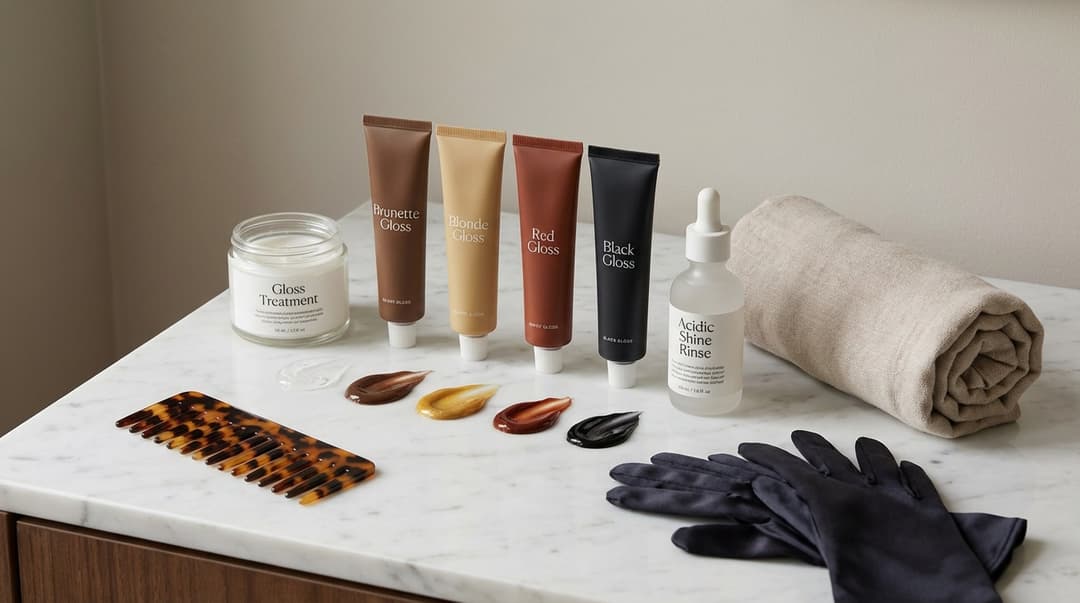
You don't need a salon-only product to get good results. The best choice depends on your hair goals and current condition.
Here are the most common product types:
- Clear gloss treatment: Best for adding shine and softness without changing your shade.
- Tinted gloss or color-depositing gloss: Best for reviving faded color, toning brassiness, or enriching warmth or depth.
- Acidic shine rinse or acidic glaze: Best for smoothing the cuticle and boosting shine, especially on color-treated or porous hair.
When checking the ingredient list, I usually look for a mix of conditioning and strengthening ingredients like:
- Fatty alcohols such as cetyl alcohol or cetearyl alcohol for softness
- Hydrolyzed proteins or amino acids for light reinforcement
- Plant oils like argan, camellia, or coconut in smaller amounts for slip and shine
- Glycerin or panthenol for moisture support
- Lactic acid or other mild acids in acidic gloss formulas to help smooth the cuticle
Look, if your hair is very fine, avoid super heavy formulas loaded with butters and oils near the top of the ingredient list. They can make hair glossy, sure, but also limp. If your hair is coarse or high-porosity, richer glosses often feel better.
How often should you use a hair gloss at home?
Most people do well with a hair glossing treatment at home every 2 to 4 weeks. That timing gives you the shine benefits without overdoing protein, pigment, or heavy conditioning ingredients.
A simple guide:
- Fine or oily hair: Every 3 to 4 weeks
- Color-treated hair: Every 2 to 3 weeks if fade is noticeable
- Dry, frizzy, or porous hair: Every 2 to 4 weeks, depending on formula richness
- Blonde hair using toning gloss: Only as needed to avoid over-toning or dullness
Honestly, more isn't always better. If your hair starts feeling coated, flat, or weirdly stiff, take a break and use a clarifying shampoo before your next gloss.
Is hair glossing treatment at home safe for all hair types?
Usually, yes. A hair glossing treatment at home can work for straight, wavy, curly, and coily hair, as well as natural, color-treated, and chemically processed hair. The key is choosing the right formula and doing a patch and strand test first.
A few things to keep in mind:
- For curly and coily hair: Focus on slip and moisture so the gloss doesn't interfere with your pattern or leave hair feeling filmy.
- For bleached or highlighted hair: Use tinted gloss carefully. Porous hair grabs pigment fast.
- For sensitive scalps: Pick low-fragrance formulas and avoid applying directly to the scalp unless the product says it's intended for that.
- For damaged hair: Think of gloss as a cosmetic smoother, not a repair treatment. Pair it with bond-building or protein care if needed.
I've found that strand testing matters most with blondes, reds, and gray blending. Hair can take tone unevenly when it's porous, and that's not always obvious until after you rinse.
What mistakes make at-home hair gloss less effective?
A lot of disappointing results come down to technique, not the product itself. So if your gloss didn't wow you, one of these might be the reason.
- Applying to dirty hair: Buildup blocks even coverage.
- Using the wrong shade: A tinted gloss that's too dark, too ashy, or too warm can throw off your color.
- Skipping a strand test: Especially risky on bleached, porous, or gray hair.
- Overusing heavy formulas: This can leave hair flat instead of bouncy and shiny.
- Not fully saturating the hair: Patchy application means uneven shine or tone.
- Using too much heat afterward: High heat can dry out the cuticle you just tried to smooth.
One more thing: hard water can dull the result fast. If your hair always feels rough no matter what you use, a chelating or clarifying wash once in a while may help more than another gloss.
How to make your gloss last longer
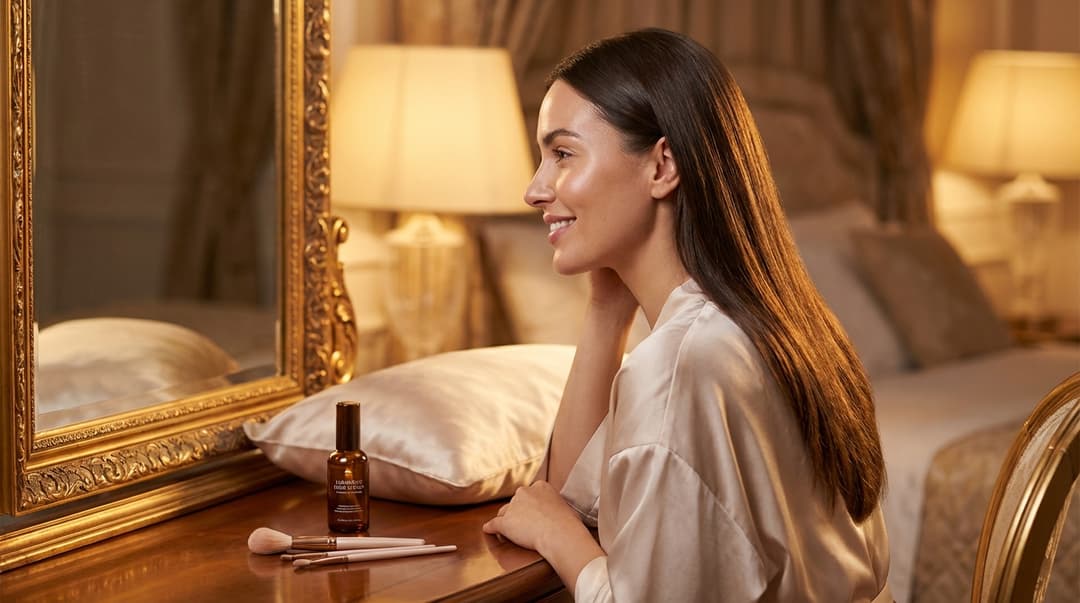
Once you've done your treatment, a few habits can stretch the results.
- Wash less often if you can, since gloss fades with shampooing.
- Use a sulfate-free cleanser most of the time.
- Rinse with cool or lukewarm water instead of hot water.
- Apply heat protectant before blow-drying or hot tools.
- Use a lightweight leave-in or serum on the ends to keep the cuticle looking smooth.
So, yes, maintenance matters. I also like sleeping on a smoother pillowcase and brushing gently from the ends up. Tiny stuff, but it helps keep that sleek finish around a bit longer.
The Bottom Line
A hair glossing treatment at home is a smart, low-commitment way to get shinier, softer, fresher-looking hair in under 20 minutes. Choose a clear gloss for pure shine, a tinted gloss for color refresh, or an acidic glaze for cuticle smoothing, and pay attention to ingredients, timing, and even application.
If your hair's been looking dull, frizzy, or a little faded, this is one of those treatments that's actually worth trying at home. And if you want more ingredient-smart beauty tips and easy savings, sign up for Insider Beauty's weekly deals.
Want more tips and exclusive beauty deals delivered to your inbox? Pop your email in the box below and join thousands of insiders who save big every week.