
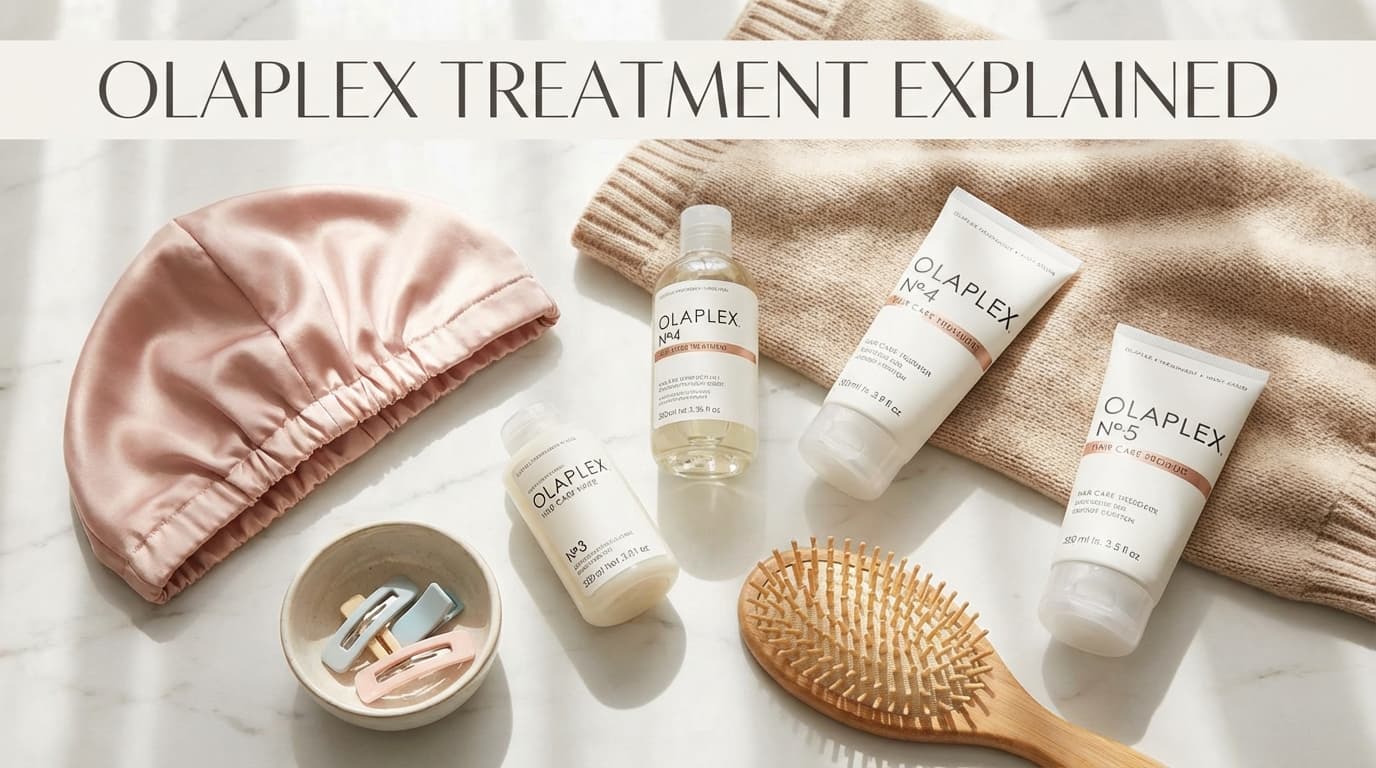
Olaplex treatment is a bond-building system that helps repair broken disulfide bonds inside the hair shaft, making damaged hair feel stronger and smoother. It works by using a patented molecule (Bis-Aminopropyl Diglycol Dimaleate) that reconnects these bonds during or after chemical services and at home. Here’s exactly how Olaplex works, how to use it, and who will see the best results.
So let’s get Olaplex treatment explained in a way that actually makes sense. We’ll talk about the science in normal-person language, which products do what, and how to know if it’s worth your money.
Quick Takeaways
- Olaplex treatment repairs broken hair bonds, especially from bleach, color, and heat damage
- It works inside the hair, not just on the surface like a regular conditioner or mask
- Professional Olaplex is stronger than at-home versions, but both help improve strength and reduce breakage
- Best results show over 4–6 weeks, with consistent use 1–3 times per week depending on damage
- Not everyone needs it – it’s most helpful for chemically treated, lightened, or very heat-damaged hair
What Is an Olaplex Treatment, Really?
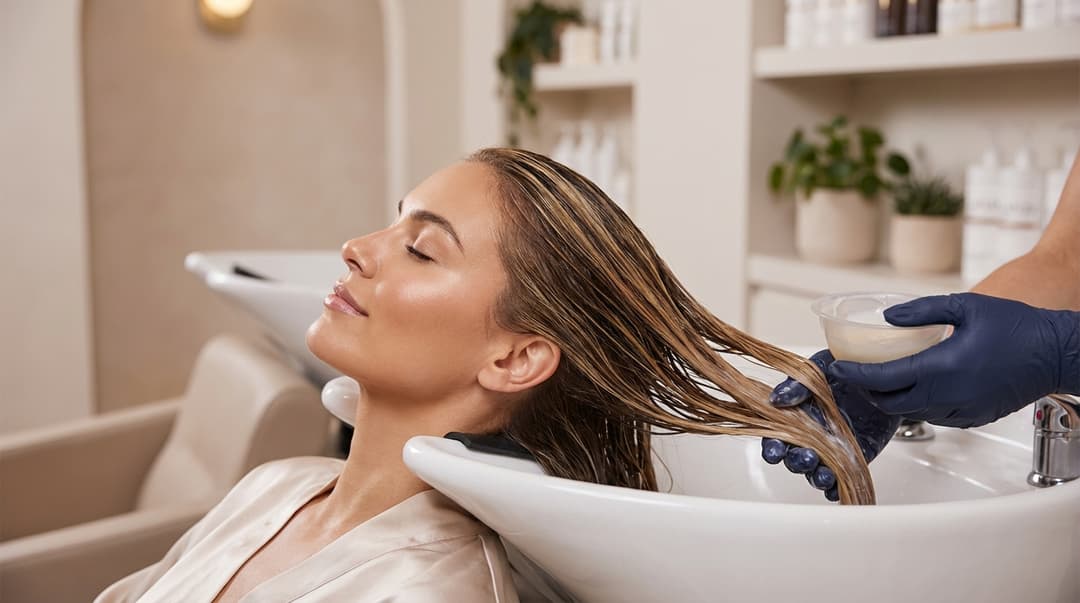
When people say "Olaplex treatment," they usually mean one of two things:
- An in-salon Olaplex service done during or after coloring/bleaching
- An at-home Olaplex treatment you use before shampoo (like the famous bond-building pre-shampoo)
The core idea is the same: rebuild broken hair bonds. Hair is made of keratin proteins connected by different types of bonds. One of the strongest is the disulfide bond. Bleach, color, and high heat can snap these bonds, which leads to:
- Breakage and split ends
- Rough, dull texture
- Frizz that won’t calm down
- Hair that won’t hold a curl or style
Olaplex’s patented ingredient helps reconnect some of those broken disulfide bonds, so the hair’s structure is closer to what it was before the damage. It doesn’t magically give you new hair, but it does improve the integrity of the hair you have.
Honestly, the first time I used an Olaplex-style treatment after a full head of highlights, my hair didn’t feel like “virgin hair,” but it definitely felt less like straw and more like hair again.
How Does Olaplex Work? The Science in Normal Words
Let’s get this Olaplex treatment explained in simple steps.
The key ingredient in Olaplex is Bis-Aminopropyl Diglycol Dimaleate (I know, a mouthful). Very simplified:
- Chemical services and heat break disulfide bonds in the hair
- Those broken bonds can pair with oxygen and turn into sulfonic acid, which weakens the hair
- The Olaplex molecule looks for those broken bonds and links to them, helping reconnect the bond before it turns into permanent damage
So instead of just coating the outside of the hair like a silicone serum or rich hair mask, Olaplex works inside the cortex, where structural damage happens.
This is also why:
- You don’t feel instant extreme softness like a deep conditioner – it’s more about strength and less about slip
- Results are cumulative – the more consistently you use it (within reason), the better your hair behaves over time
Think of it like physical therapy for your hair, not a one-time spa day.
Salon vs At-Home Olaplex: What’s the Difference?
Look, not all Olaplex treatments are created equal. The professional ones are more concentrated and meant to be used by stylists, while the at-home versions are gentler and designed for maintenance.
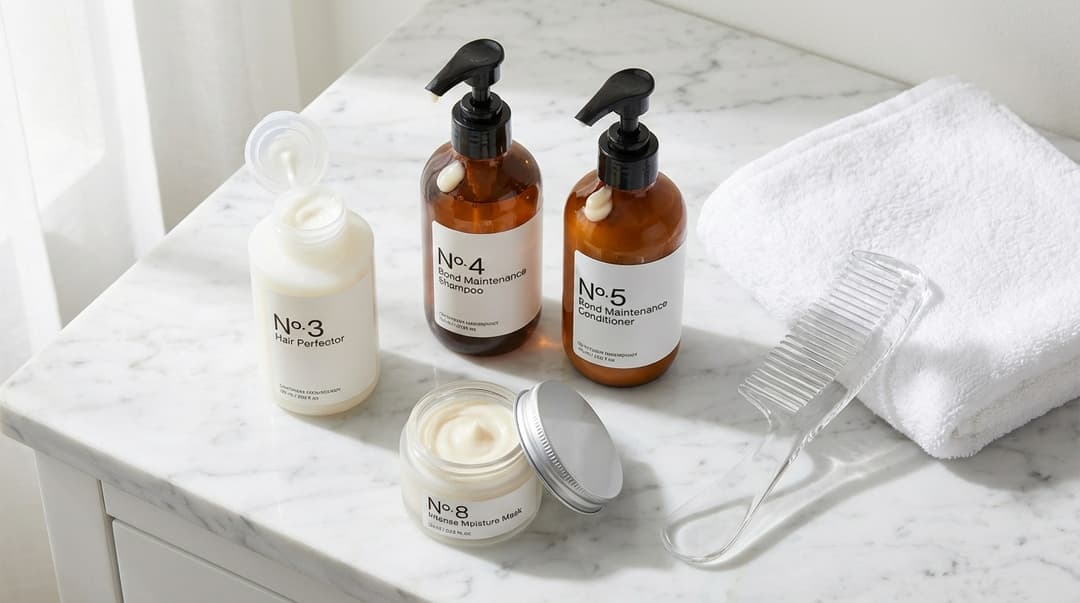
Here’s the Olaplex treatment explained by type:
- In-Salon Bond Builder: Mixed directly into bleach or color, or applied as a standalone treatment at the sink. Strongest formula, best for heavily processed hair.
- At-Home Bond-Building Treatment (pre-shampoo): The famous step you apply to dry hair before washing. Great for ongoing repair and maintenance.
- Bond-Building Shampoo: Cleanses while lightly reinforcing bonds; good for regular use.
- Bond-Building Conditioner or Mask: Adds moisture, some protein, and bond support; improves softness and manageability.
So if you’ve just done a big color change, ask your stylist for the in-salon Olaplex service first, then maintain at home with a pre-shampoo treatment and a bond-building shampoo/conditioner.
Who Actually Needs an Olaplex Treatment?
Not everyone needs bond builders. Some hair responds better to hydration than bond repair. Here’s who usually benefits most:
You’re a good candidate if:
- You bleach or highlight your hair (especially blondes and balayage addicts)
- You color your hair frequently, especially with permanent dyes
- You use hot tools most days at high heat
- Your hair snaps when you brush, or you see a lot of short broken pieces
- Your curls have gone limp and won’t bounce back after chemical services
You might not need it as much if:
- Your hair is virgin, low-porosity, and rarely heat-styled
- Your main issue is dryness, not breakage – you may need more hydrating masks and leave-ins instead
- Your hair is very fine and easily weighed down – you might want to use bond builders less often
I’ve found that the people most wowed by Olaplex are bleached blondes, people who’ve gone from dark to light, and those who flat iron daily.
How to Use an At-Home Olaplex Treatment Step-by-Step
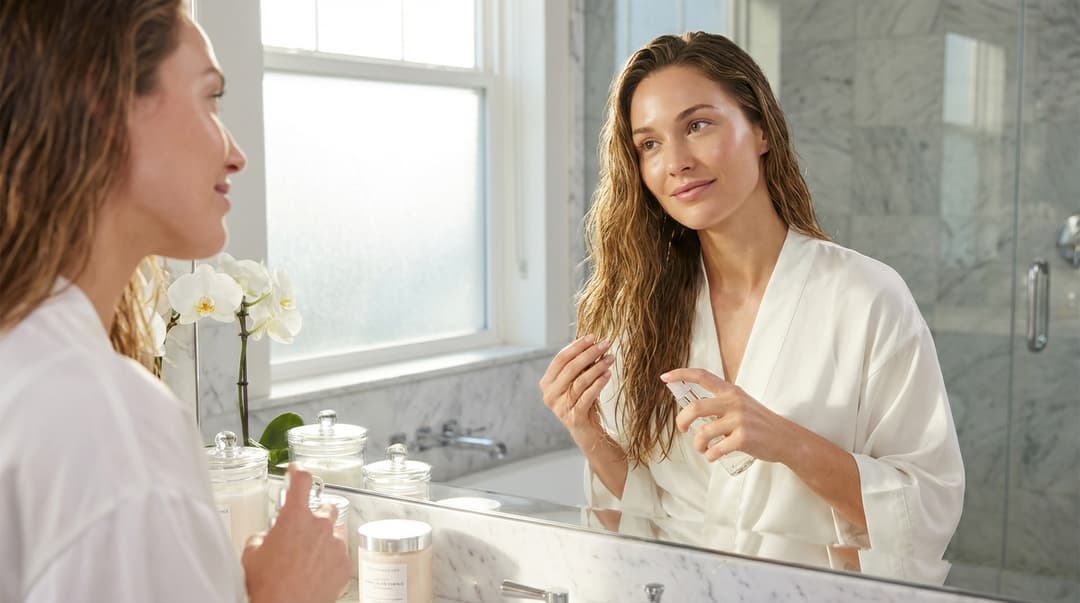
Here’s a simple routine to get the most out of an at-home Olaplex-style treatment.
Start with dry, unwashed hair
Apply the bond-building treatment on dry hair. Dry hair absorbs these treatments better because it’s not already swollen with water.
Apply generously from mid-lengths to ends
Focus on the most damaged areas: usually the mid-lengths and ends. Comb through with a wide-tooth comb to distribute evenly.
Leave it on long enough, but not all day
Most bond builders work well within 10–45 minutes. Longer doesn’t always mean better; after a point, it’s just sitting there. Check the instructions on your specific product.
Rinse, then shampoo
This is key. Olaplex-type treatments are not conditioners. You need to rinse thoroughly, then follow with a gentle shampoo to remove residue.
Follow with conditioner or a mask
After shampoo, use a hydrating conditioner or deep treatment mask. Bond repair handles strength; conditioner handles moisture and slip.
Dry gently and avoid super high heat
After a repair treatment, don’t sabotage your work with max-heat straightening. Use a heat protectant spray or cream, and keep tools below ~375°F (190°C) when you can.
For most people with damage, using an at-home Olaplex treatment 1–2 times per week is plenty. Severely compromised hair might benefit from 2–3 times weekly for a short period, then taper down.
Olaplex vs Deep Conditioner vs Protein Treatment
So many people mix these up, so here’s the Olaplex treatment explained next to other common treatments.
Olaplex / Bond Builders:
- Target: Internal disulfide bonds
- Benefit: Strength, reduced breakage, improved elasticity
- Feel: Not always super slippery or instantly soft
Deep Conditioner / Hair Mask:
- Target: Moisture and surface smoothness
- Benefit: Softness, shine, easier detangling
- Often contains: Butters, oils, humectants, some silicones
Protein Treatment:
- Target: Protein gaps and weak spots in the cuticle/cortex
- Benefit: Firmness, structure, sometimes more volume
- Can make hair feel stiff if overused
The sweet spot for damaged hair is usually a combo:
- Bond builder 1–2x per week
- Deep conditioning mask 1x per week
- Occasional light protein (especially if hair feels mushy or stretchy when wet)
I’ve found that when people complain Olaplex “did nothing,” they either expected instant mask-like softness, or their hair actually needed moisture more than bond repair.
How Often Should You Do an Olaplex Treatment?
Frequency really depends on how damaged your hair is and which product you’re using.
Heavily bleached or compromised hair:
- In-salon bond builder with every chemical service
- At-home bond treatment 2x per week for the first month, then 1x per week
Moderately damaged, color-treated hair:
- In-salon treatment for big color changes or every few appointments
- At-home bond treatment 1x per week
Mildly damaged or heat-styled hair:
- At-home bond treatment every 1–2 weeks for maintenance
Watch how your hair responds:
- If it starts feeling stiff or a bit coated, pull back on bond builders and focus on moisture
- If it still feels fragile and stretchy when wet, you may benefit from consistent bond repair plus some protein
Common Myths About Olaplex Treatments
Let’s clear up a few things I hear all the time in DMs.
“Olaplex will fix split ends.”
- It can reduce future breakage, but existing split ends need a trim. No product can permanently glue a split end back together.
“One treatment will reverse years of damage.”
- You may see an improvement after one use, but bond repair is cumulative, not a one-and-done miracle.
“If my hair is dry, I just need more Olaplex.”
- Dry hair usually needs hydrating masks, leave-in conditioners, and oils/serums. Bond builders address structure, not hydration.
“You can’t overdo bond builders.”
- You can overdo almost anything. If your hair starts feeling weirdly stiff or coated, ease up and bring moisture back into the routine.
How to Build a Simple Bond-Friendly Hair Routine
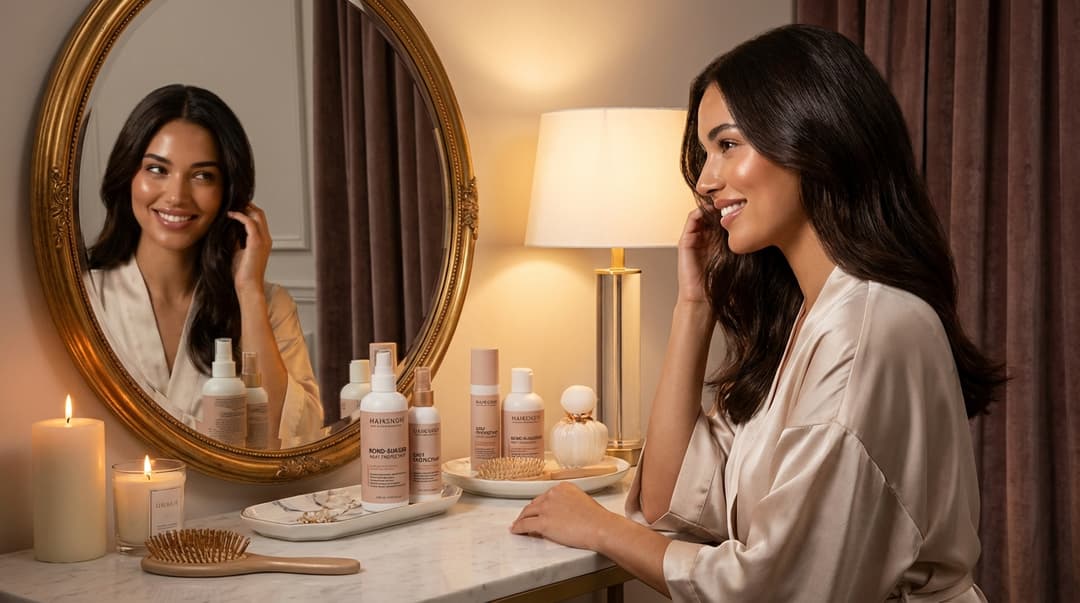
If you want to start with Olaplex or any bond-building treatment today, here’s a simple routine you can try.
Weekly Repair Night
- Apply an at-home bond-building treatment to dry hair
- Leave on 20–30 minutes
- Rinse, then shampoo
- Follow with a moisturizing conditioner or mask
Gentle Wash Days
- Use a sulfate-free or mild shampoo most of the time
- Condition every wash; use a richer mask once a week if you’re very dry
Daily/Styling Protection
- Always use a heat protectant before blow-drying or ironing
- Finish with a light hair oil or serum on mid-lengths and ends for shine and frizz control
Every 8–12 Weeks
- Get a dusting or trim to remove split ends
- If you color or bleach, ask your stylist about adding a professional bond builder to your formula
This combo of bond repair, moisture, and basic trimming is honestly what makes the biggest difference long term.
The Bottom Line
Olaplex treatment, explained simply, is a bond-building system that helps repair internal hair bonds weakened by bleach, color, and heat, making hair stronger and less prone to breakage. It’s not a magic wand, but used consistently alongside a good shampoo, conditioner, and heat protectant, it can seriously improve how damaged hair looks and feels.
If your hair is chemically treated, highlighted, or just constantly fried by hot tools, a smart bond-building routine is worth considering. Start with a weekly at-home treatment, listen to how your hair responds, and adjust from there.
If you like beauty breakdowns like this and want deals on actually-good hair and skincare, you can sign up for Insider Beauty’s weekly deals newsletter to get editor-vetted discounts and product recs straight to your inbox.
Want more tips and exclusive beauty deals delivered to your inbox? Pop your email in the box below and join thousands of insiders who save big every week.