
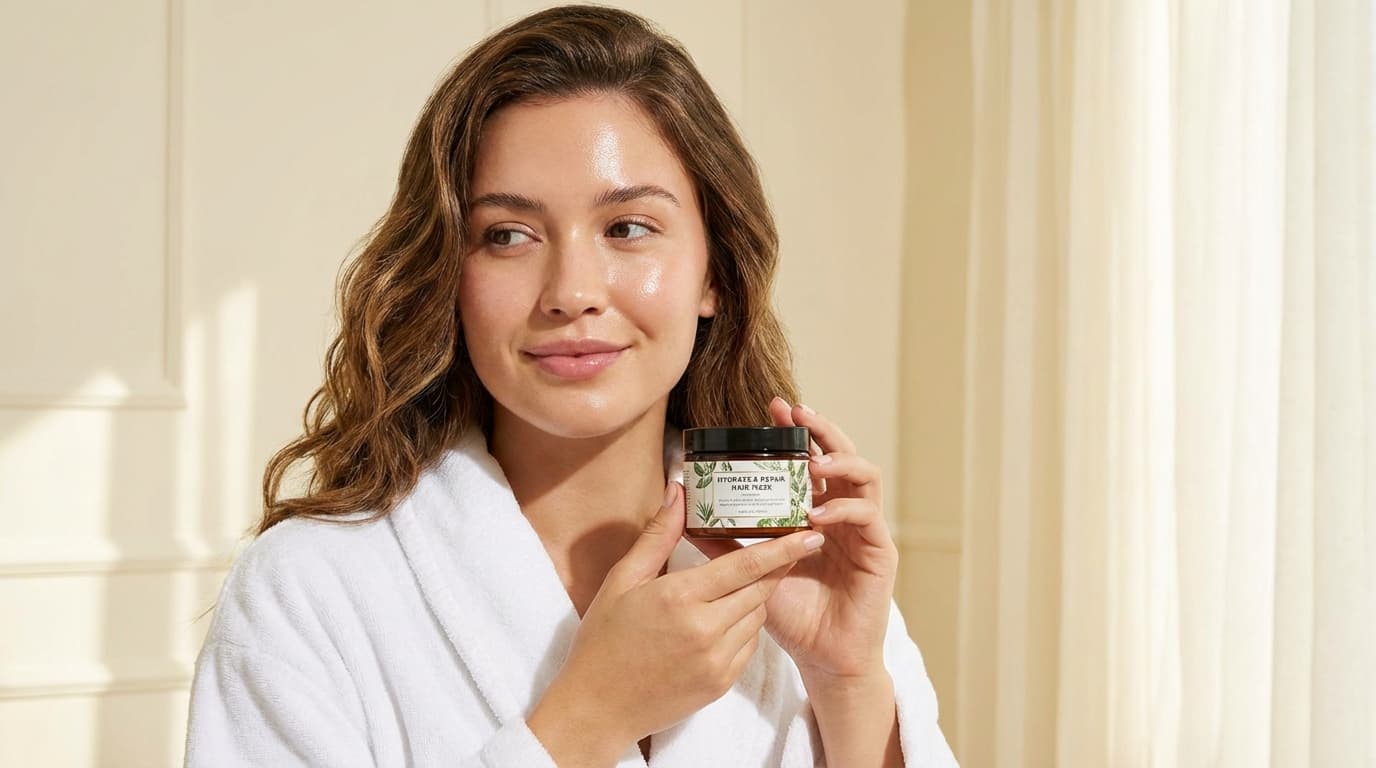
The best hair masks for dry hair are rich in fatty alcohols, oils or butters, and humectants like glycerin, plus conditioning agents that actually bind to the hair. They work because they replace lost moisture, smooth the cuticle, and reduce breakage so hair feels softer and looks shinier. Here's exactly how to choose the right mask for your hair type and use it for maximum results.
As a dermatologist, I see dry, brittle hair all day long—usually from coloring, heat styling, or just genetics. The good news: the right hair mask, used once or twice a week, can dramatically improve dryness in 4–6 weeks. Let’s walk through what to look for, what to avoid, and how to make your mask work harder for you.
Quick Takeaways
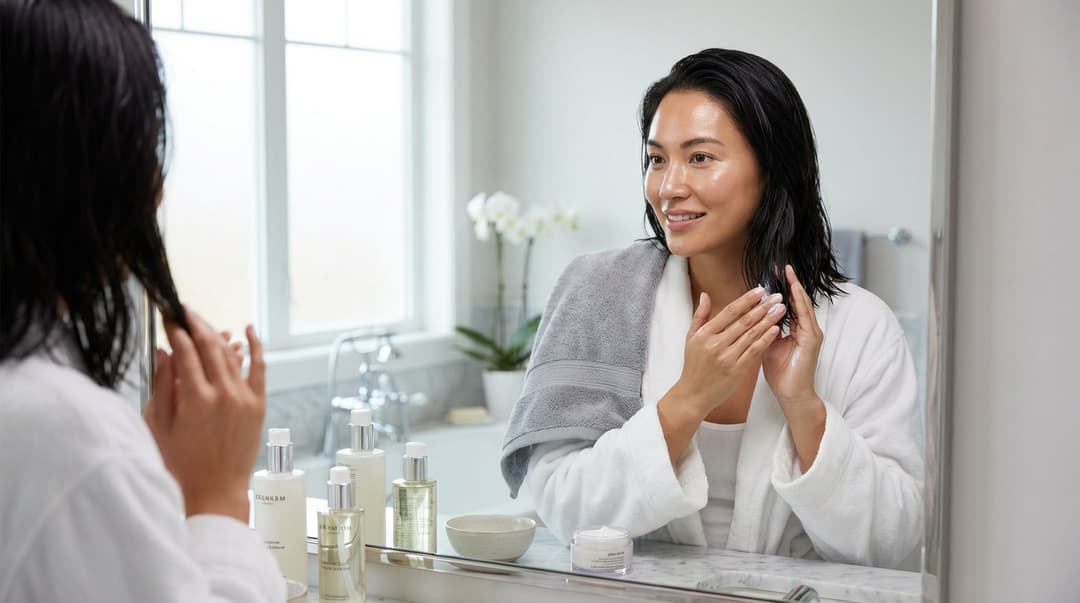
- The best hair masks for dry hair combine humectants (like glycerin), emollients (like shea butter), and conditioning agents (like behentrimonium chloride)
- Choose your mask based on why your hair is dry: chemical damage, heat, curls/coils, or fine hair that gets weighed down
- Use a hair mask 1–2 times per week, on damp hair, for 10–30 minutes, focusing on mid-lengths and ends
- Avoid masks loaded with strong sulfates, high alcohol content, or heavy protein if your hair feels stiff and brittle
- Little tweaks—like using a shower cap or gentle heat—can make the same mask work 2–3x better
What Makes a Hair Mask Good For Dry Hair?
The best hair masks for dry hair all have a few things in common. They:
- Add moisture (water + humectants)
- Seal that moisture in (oils, butters, silicones)
- Smooth and protect the cuticle (conditioning agents)
Look for these key ingredient categories on the label:
- Humectants (moisture magnets)
- Glycerin
- Propanediol
- Hyaluronic acid
- Aloe vera
- Emollients (softeners and smoothers)
- Shea butter, mango butter, cocoa butter
- Coconut, argan, jojoba, olive, sunflower or avocado oil
- Fatty alcohols like cetyl alcohol, cetearyl alcohol, stearyl alcohol (these are good hydrating alcohols, not drying)
- Conditioning agents (slip + protection)
- Behentrimonium chloride or methosulfate
- Cetrimonium chloride
- Polyquaterniums
- Optional repair boosters
- Hydrolyzed proteins (wheat, soy, silk, keratin)
- Ceramides
Honestly, if the first 5–7 ingredients include water, a fatty alcohol, a conditioning agent, and an oil or butter, you’re usually in good shape.
Best Hair Masks For Dry Hair By Hair Type
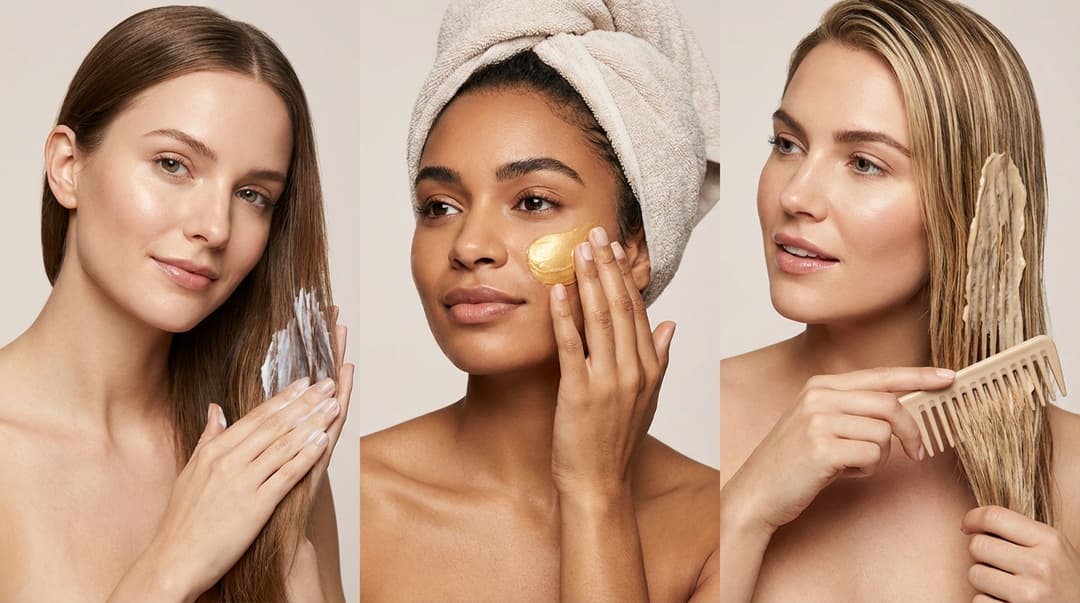
So, "best" isn’t one-size-fits-all. The best hair mask for dry hair will depend a lot on your hair type and what damaged it in the first place.
1. For Fine, Dry Hair That Gets Greasy Fast
If your hair is dry but easily weighed down, go for lightweight, creamy masks instead of thick butters.
Look for:
- Water as the first ingredient
- Lightweight oils (argan, jojoba, grapeseed, sunflower)
- Glycerin or aloe
- Silicones like dimethicone or amodimethicone for slip (if you tolerate them)
Avoid:
- Heavy butters (shea, cocoa) high on the list
- Coconut oil as the main oil if your hair feels limp with it
How to use it:
- Apply from mid-lengths to ends only, skip the roots
- Leave on 5–10 minutes max
- Rinse very thoroughly
- Use once a week to start
I’ve found that my patients with fine hair do best with what’s basically a “super conditioner” rather than a thick, mask-in-a-jar situation.
2. For Thick, Coarse, or Curly Dry Hair
Curly and coily hair tends to be naturally drier because scalp oils don’t travel easily down the hair shaft. You’ll usually do best with a rich, buttery mask.
Look for:
- Shea butter, mango butter, or cocoa butter high in the ingredient list
- Oils like coconut, castor, avocado, or olive
- Fatty alcohols (cetyl, stearyl, cetearyl)
- Behentrimonium chloride or cetrimonium chloride
These masks are often labeled:
- “Deep moisture mask”
- “Intense hydration treatment”
- “Deep conditioning mask for curls”
Use it:
- Once or twice a week, depending on how dry your hair feels
- On damp, not soaking hair
- For 20–30 minutes under a shower cap
So many of my curly-haired patients tell me their hair transformed once they committed to a weekly deep conditioning mask instead of just a regular conditioner.
3. For Color-Treated or Bleached Hair
Chemically processed hair often needs both moisture and strength.
Look for:
- A mix of humectants (glycerin, aloe) and emollients (oils/butters)
- Hydrolyzed proteins (wheat, soy, silk, keratin) in the middle of the ingredient list
- Words like “bond repair”, “strengthening”, or “for damaged hair”
Be careful with protein:
- Too much protein can make hair feel stiff, straw-like, and snappy
- If your hair already feels hard and brittle, choose a moisture-focused mask instead
I usually recommend patients alternate:
- Week 1: Moisture-heavy mask
- Week 2: Moisture + light protein mask
That balance tends to work really well for bleached blondes and those who color often.
4. For Heat-Damaged, Frizzy Hair
If you blow-dry, flat iron, or curl often, you want a mask that smooths the cuticle and adds slip.
Look for:
- Silicones (dimethicone, amodimethicone) if you’re not avoiding them
- Oils like argan, camellia, or silicone alternatives
- Conditioning agents + fatty alcohols
These masks are often called:
- “Smoothing hair mask”
- “Anti-frizz deep treatment”
They won’t reverse heat damage (nothing really can), but they can:
- Reduce friction and breakage
- Make hair look shinier and smoother
- Help your styling tools glide instead of tug
Types Of Hair Masks For Dry Hair (And When To Use Each)
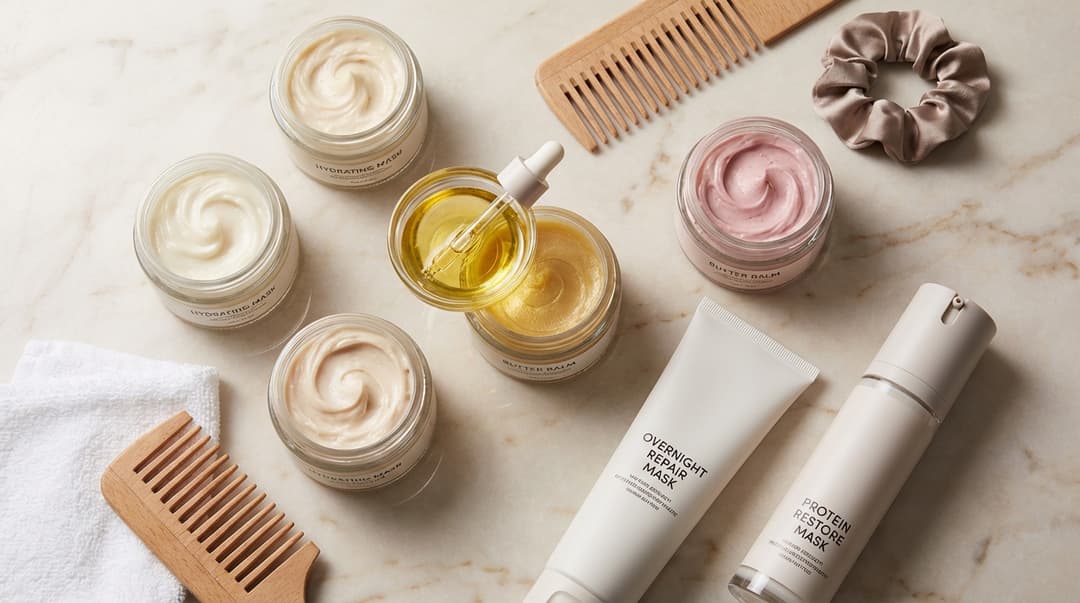
When people ask about the best hair masks for dry hair, they’re usually choosing between a few main product types:
Cream masks in jars or tubes
- Great for: Most dry hair types
- Texture: Thick conditioner-like cream
- Use: Weekly or biweekly deep conditioning
Overnight hair masks
- Great for: Very dry, coarse, or curly hair
- Texture: Rich but not too greasy, meant to stay on for hours
- Use: 1–2 times a week, on mid-lengths and ends, with a towel over your pillow
Oil-based masks / hot oil treatments
- Great for: Extremely dry ends, protective styles, or very coarse hair
- Texture: Oil or oil-gel
- Use: Pre-shampoo treatment, especially if you have a dry scalp or lots of frizz
Protein repair masks
- Great for: Over-processed, breaking hair
- Texture: Can feel slightly stiffer when dry
- Use: Every 2–4 weeks, not more often unless directed by a stylist
Honestly, I like people to have one main moisturizing mask and then optionally a protein mask they rotate in once a month if they color or bleach.
How To Use A Hair Mask For Dry Hair (Step-By-Step)
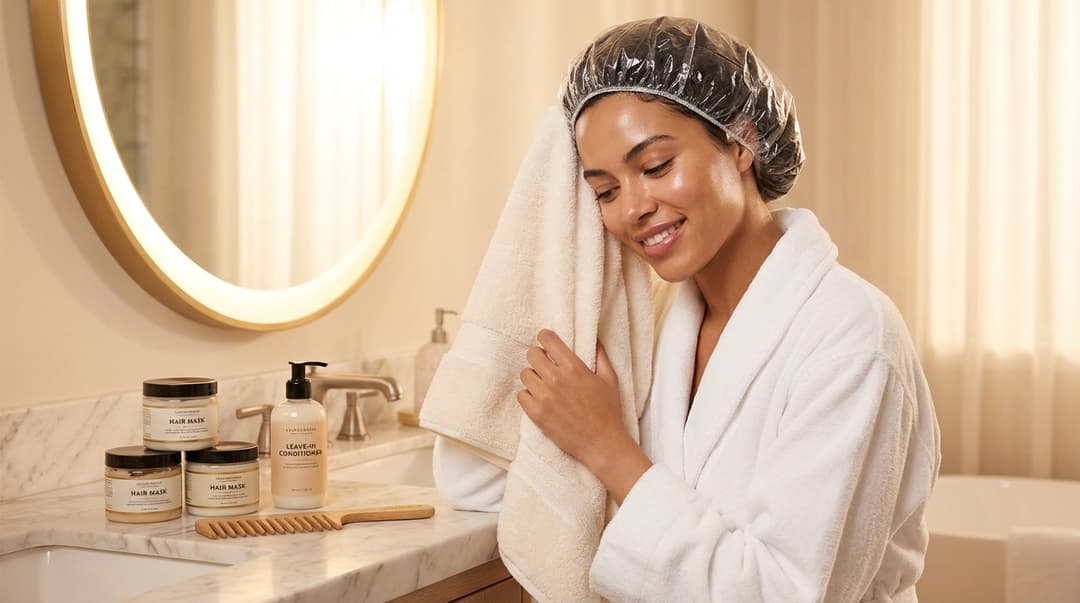
Using even the best hair mask for dry hair the wrong way will give you “meh” results. Here’s how to actually get your money’s worth.
Start with clean, shampooed hair
Hair needs to be clean so the mask can actually penetrate. Use a gentle, sulfate-free shampoo if you’re very dry or curly.Squeeze out excess water
Hair should be damp, not dripping. Too much water will just dilute the mask.Apply from mid-lengths to ends
That’s where hair is oldest and driest. If your scalp is dry, you can lightly tap a small amount near the roots, but avoid coating the scalp heavily.Comb through with a wide-tooth comb
This helps distribute the mask evenly and reduces tangles.Leave it on for 10–30 minutes
- Fine hair: 5–10 minutes
- Normal/dry: 10–20 minutes
- Very dry/coarse/curly: 20–30 minutes
Add gentle heat if you can
Put on a shower cap, then wrap a warm towel or use a low-heat cap. Heat helps the conditioning agents bind better.Rinse thoroughly with lukewarm water
Rinse until hair feels slick but not coated or sticky. Cool water at the end can help a bit with shine.Follow with a leave-in conditioner or cream
Especially if your hair is very dry or curly, sealing the moisture in with a leave-in makes a big difference.
Most people do well using a hair mask once a week. If your hair is extremely dry or you’re recovering from a bleach job, you can go up to twice a week for a month, then taper down.
Ingredients To Avoid In Masks For Dry Hair
Look, not every “hydrating” mask is actually friendly to dry hair long-term. Watch out for:
High levels of drying alcohols
- SD alcohol, alcohol denat., isopropyl alcohol high on the list can be too stripping for already dry hair
Strong sulfates in the same line-up
- Sodium lauryl sulfate (SLS) or sodium laureth sulfate (SLES) in your regular shampoo can undo a lot of your mask’s work if you’re very dry or curly
Too much protein if your hair is brittle
- If “hydrolyzed protein” ingredients show up several times and your hair feels stiff and snappy, press pause on protein masks for a bit
Heavy fragrance or essential oils if you’re sensitive
- Can irritate the scalp and cause itching or flaking, which makes people over-wash and dry out their hair more
I don’t think everyone needs to be scared of silicones or every alcohol. It’s about balance and how your hair actually feels after 4–6 weeks of use.
Simple Weekly Routine For Dry Hair Using A Mask
If you’re overwhelmed, here’s a very doable starting point that works for most of my dry-hair patients:
- Wash 2–3 times per week with a gentle shampoo
- Replace conditioner with a hair mask once a week
- Air-dry when you can, or use a heat protectant and low heat
- Use a leave-in conditioner or cream on damp hair after every wash
- Trim your ends every 8–12 weeks to prevent split ends from traveling up the hair shaft
Stick with this for at least a month. Hair doesn’t transform overnight, but you should see:
- Less frizz
- Easier detangling
- Softer feel when dry
- Fewer little broken hairs around your face and part line
The Bottom Line
The best hair masks for dry hair are the ones that match your hair type and your damage type: lightweight creams for fine hair, rich buttery masks for curls and coils, and balanced moisture-plus-protein formulas for color-treated or heat-damaged hair. Focus on ingredients like fatty alcohols, oils, butters, glycerin, and conditioning agents—and use your mask consistently once or twice a week.
If you treat a good mask like a weekly treatment instead of a random “when I remember” thing, you’ll usually see softer, shinier, more manageable hair within 4–6 weeks.
If you like getting dermatologist-backed picks and deals on hair and skin products, you can sign up for Insider Beauty’s weekly deals and let us send the best stuff (and the best discounts) straight to your inbox.
Want more tips and exclusive beauty deals delivered to your inbox? Pop your email in the box below and join thousands of insiders who save big every week.