

Hair oiling benefits are real, but they depend on using the right oil, amount, and technique for your hair type. Done properly, hair oiling can help reduce friction, soften dry strands, support the scalp barrier, and make hair look shinier and less frizzy. Here's exactly how to do it without ending up greasy or irritated.
Quick Takeaways
- Hair oiling benefits include smoother hair, less breakage, more shine, and relief for a dry scalp.
- Pre-shampoo oiling works best for most people because it helps protect hair during washing.
- A few drops to 1 tablespoon is usually enough, depending on hair length and density.
- Not every scalp loves oil: If you have dandruff, seborrheic dermatitis, or very oily roots, focus more on the mid-lengths and ends.
- The best hair oil is the one that matches your goal, like coconut oil for reducing protein loss or jojoba oil for a lighter scalp feel.
What are the benefits of hair oiling?

The main hair oiling benefits are reduced breakage, improved softness, added shine, and less frizz. Oils work by coating the hair shaft, which lowers friction between strands and helps limit water-related swelling during washing and styling. I've found that people often expect oil to "grow" hair faster, but that's not really how it works. What it can do is help hair stay in better condition, so you retain length more easily.
Here are the biggest upsides:
- Less breakage: Lubricated hair experiences less friction from brushing, detangling, and styling.
- More shine: Oils smooth the cuticle, so hair reflects light better.
- Softer texture: Dry, rough hair usually feels more pliable after oiling.
- Scalp comfort: Some oils can help reduce tightness and dryness on the scalp.
- Frizz control: A light layer of oil can help seal down lifted cuticles, especially in humid weather.
There is also some science behind this. Coconut oil is one of the most studied hair oils and has been shown to reduce protein loss in hair when used before or after washing. That matters because repeated protein loss can weaken strands over time.
Is hair oiling good for hair growth?
Hair oiling can support healthier-looking, more resilient hair, but it doesn't directly speed up hair growth in the follicle the way medical treatments do. So, yes, hair oiling benefits can make your hair seem fuller and longer over time because there's less snapping and splitting, but oil itself is not a proven hair growth drug.
Look, this is where social media can get a little messy. Scalp massage may increase circulation temporarily, and that feels nice, but circulation alone isn't the same thing as treating hair loss. If you're dealing with sudden shedding, widening parts, bald patches, or thinning around the temples, it's worth seeing a dermatologist rather than trying to oil your way through it.
That said, if your issue is dryness, breakage, or rough texture, oiling can absolutely help your hair hold up better.
Which oils are best for hair oiling?
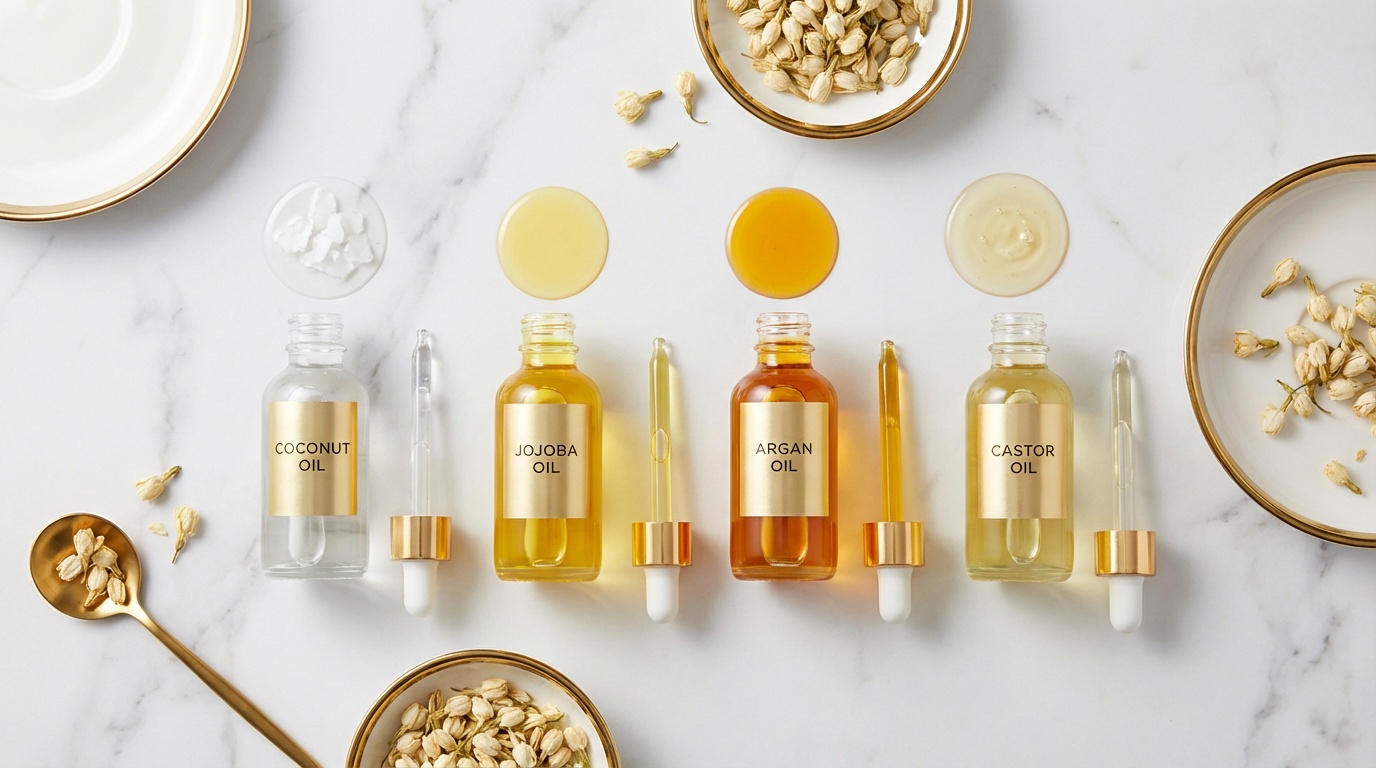
The best oil depends on your hair texture, scalp type, and goal. You do not need a fancy blend with 17 ingredients. Honestly, simple formulas often work just fine.
- Coconut oil: Best for pre-shampoo treatment and reducing protein loss. Great for thicker, drier hair, but it can feel heavy on fine hair.
- Jojoba oil: Lightweight and scalp-friendly. A nice option if you want a softer feel without a greasy finish.
- Argan oil: Best as a finishing oil for shine and frizz. Works well on dry ends and styled hair.
You might also see castor oil recommended everywhere. I've found that castor oil is very thick and can be tough to wash out. It may be better mixed into another oil rather than used alone, especially if you have fine or low-density hair.
If your scalp is sensitive, choose a plain carrier oil and skip heavy fragrance or essential oils. Natural doesn't always mean non-irritating.
How do you oil your hair correctly?
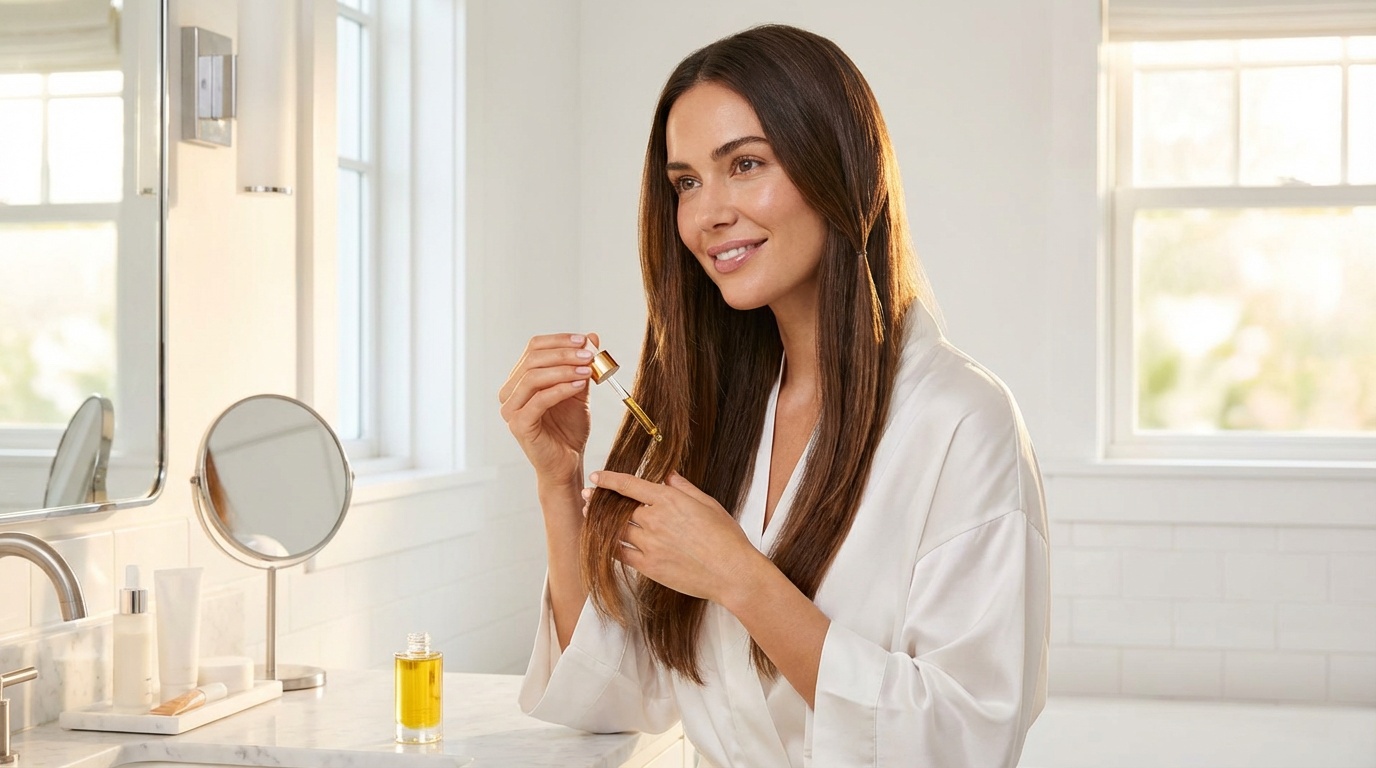
For most people, the best method is pre-shampoo hair oiling once or twice a week. That gives you the protective benefits without leaving buildup on the scalp.
- Start with dry or slightly damp hair.
- Pour a small amount of oil into your palm.
- Apply it first to the mid-lengths and ends.
- If your scalp is dry, use a little on the scalp and massage gently for 1 to 2 minutes.
- Leave it on for at least 30 minutes.
- Shampoo thoroughly, and cleanse twice if needed.
- Follow with conditioner on the lengths.
A few practical tips make a big difference:
- Use less than you think: Fine hair may need just a few drops; thick or curly hair may need 1 to 2 teaspoons.
- Focus on damaged areas: Ends, bleached sections, and heat-styled pieces usually need the most help.
- Don't scratch your scalp: Massage with fingertip pads, not nails.
- Wash it out properly: Residue can make hair limp and irritate some scalps.
So, if you've tried hair oiling before and hated it, there's a good chance you were simply using too much.
How long should you leave oil in your hair?
Thirty minutes to 2 hours is enough for most hair oiling routines. Overnight oiling is popular, but it's not always better.
Leaving oil on too long can:
- Attract dirt and sweat
- Flatten fine hair
- Trigger itch or follicle irritation in some people
- Rub onto pillowcases and facial skin, which can lead to breakouts
If you want to leave it overnight occasionally, keep the amount light and protect your pillow. But for the average person, a short pre-wash treatment works just as well and is a lot less annoying.
Who should avoid putting oil on the scalp?
Not every scalp benefits from direct oil application. This is one of the most overlooked parts of the hair oiling conversation.
You may want to avoid or limit scalp oiling if you have:
- Seborrheic dermatitis: Oils can sometimes worsen flaking because yeast on the scalp may thrive in oily conditions.
- Very oily scalp: Extra oil can make roots greasy faster and contribute to buildup.
- Scalp acne or folliculitis: Thick oils may trap debris and worsen bumps.
- Psoriasis flare-ups: Some oils may sting irritated skin, so go gently and patch test.
If any of those sound familiar, try oiling only the mid-lengths and ends instead. You can still get many of the hair oiling benefits without coating the scalp.
How often should you oil your hair?
The sweet spot is usually 1 to 2 times per week, but it really depends on your hair type.
- Fine hair: Once a week or even every other week is often enough.
- Thick or coarse hair: Once or twice weekly usually works well.
- Curly or coily hair: You may benefit from a weekly pre-shampoo oil plus a tiny amount of lightweight oil on the ends between wash days.
- Color-treated or heat-damaged hair: Weekly oiling can help with softness and manageability.
Honestly, more isn't always better. If your hair starts feeling heavy, stringy, or dull, cut back. Healthy hair should feel soft and flexible, not coated.
Common hair oiling mistakes to avoid
A lot of the bad experiences with oiling come down to technique. Here are the mistakes I see most often:
- Using way too much oil
- Choosing a heavy oil for fine hair
- Applying oil to an already greasy scalp
- Leaving it on for too long
- Not shampooing thoroughly afterward
- Expecting oil to treat real hair loss
- Using fragranced oils on a sensitive scalp
Look, hair oiling should make your routine easier, not create a whole new problem. If your scalp feels itchy or your hair looks limp, adjust the formula, amount, or frequency.
The Bottom Line
Hair oiling benefits include less breakage, smoother texture, shinier strands, and better protection against dryness, especially when you use oil as a pre-shampoo treatment. The key is matching the oil to your hair type, using a modest amount, and not assuming your scalp needs the same thing as your ends. I've found that a simple, once-weekly routine is usually enough to make hair feel noticeably softer without the greasy aftermath.
If you want more smart beauty advice and a few really good finds for your routine, sign up for Insider Beauty's weekly deals.
Want more tips and exclusive beauty deals delivered to your inbox? Pop your email in the box below and join thousands of insiders who save big every week.