
The best way to grow hair faster naturally is to support healthy growth at the scalp, reduce breakage through your lengths, and give your body the nutrients it needs to make strong hair. Hair growth is partly genetic, but daily habits can absolutely help you keep more length and create the best conditions for faster, healthier growth. Here's exactly how to do it.
Quick Takeaways
- Focus on scalp health: A clean, balanced scalp gives hair follicles a better environment to grow.
- Eat enough protein, iron, zinc, and omega-3s: Hair is built from nutrients, so low intake can slow growth.
- Prevent breakage: Gentle detangling, less heat, and protective styling help you actually retain length.
- Use the right product types: A scalp serum, lightweight hair oil, and sulfate-free shampoo can support healthier hair.
- Be consistent: Hair grows slowly, usually around half an inch per month, so small habits matter over time.
How fast does hair grow naturally?
Most hair grows about 0.3 to 0.5 millimeters per day, which works out to roughly half an inch per month or 6 inches per year. That said, if you're trying to figure out how to grow hair faster naturally, the real goal is usually two things: support growth at the root and stop snapping off the ends.
Honestly, I've found that a lot of people think their hair isn't growing, when it's actually growing just fine, but breakage is canceling out the progress. Dry ends, tight styles, bleaching, and too much heat can make it feel like your hair is stuck at the same length forever.
What helps hair grow faster naturally?
If you want a clear answer, these are the habits that make the biggest difference:
- Keep your scalp clean and balanced.
- Massage your scalp regularly.
- Eat enough protein and key minerals.
- Reduce heat styling and chemical damage.
- Protect your hair while sleeping.
- Trim split ends before they travel upward.
- Use gentle, nourishing hair products consistently.
So, none of this is super flashy, but it works because healthy hair growth is really about creating the right environment and keeping the hair you already grow.
How to improve scalp health for hair growth
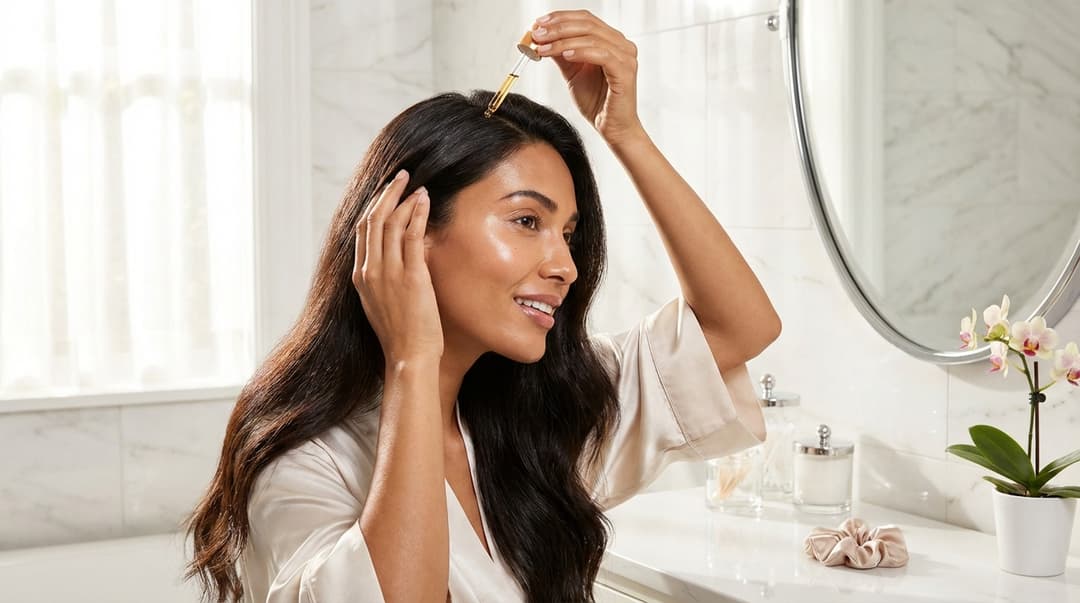
Your scalp is basically the soil for your hair. If it's irritated, clogged, overly oily, or flaky, hair growth can suffer. A healthy scalp supports stronger follicles and less shedding.
Try these scalp-friendly habits:
- Wash often enough for your scalp type: If your scalp gets oily quickly, waiting too long between washes can lead to buildup. If you're dry, you may need fewer wash days.
- Use a sulfate-free shampoo: This product type can help cleanse without stripping your scalp barrier too aggressively.
- Exfoliate gently once a week: A scalp scrub or chemical scalp exfoliant can remove dead skin, oil, and product residue.
- Add a scalp serum: Look for formulas with peptides, caffeine, niacinamide, or rosemary extract.
- Massage for 4 to 5 minutes daily: This may help increase circulation and can feel really relaxing too.
Look, rosemary oil gets talked about a lot, and for good reason. Some early research suggests it may support hair growth similarly to more conventional options over time, though results vary. If you try it, always dilute it in a carrier oil and patch test first. Essential oils can be irritating, especially on sensitive scalps.
What to eat to grow hair faster naturally

Hair is made mostly of protein, so if you're under-eating or missing key nutrients, your hair often shows it before anything else. This is one of the most overlooked parts of how to grow hair faster naturally.
Here are the nutrients to pay attention to:
- Protein: Hair strands are built from keratin, a protein. Include eggs, Greek yogurt, beans, lentils, tofu, fish, or chicken.
- Iron: Low iron is linked with shedding in many people. Good sources include spinach, lentils, red meat, pumpkin seeds, and fortified foods.
- Zinc: Supports tissue growth and repair. You'll find it in shellfish, beans, seeds, and whole grains.
- Omega-3 fats: These help support scalp and skin health. Try chia seeds, walnuts, flaxseeds, and fatty fish.
- Vitamin D and B vitamins: Low levels can play a role in hair thinning for some people.
I've found that food-first usually works best unless a doctor tells you otherwise. Random hair gummies aren't always the answer, and some supplements can actually throw things off if you don't need them. If your shedding is sudden or extreme, ask for bloodwork before loading up on supplements.
How to prevent breakage and keep your length

This is where a lot of natural hair growth plans fall apart. You can stimulate your scalp all day, but if your ends are breaking off, you won't see the payoff.
Here are simple ways to protect your hair today:
- Detangle gently, starting from the ends and working upward.
- Swap rough towels for a microfiber towel or soft cotton T-shirt.
- Sleep on a silk or satin pillowcase to reduce friction.
- Limit flat irons, curling wands, and high-heat blow drying.
- Use a heat protectant every single time you style with heat.
- Choose loose protective styles instead of tight ponytails or buns.
- Trim split ends every 8 to 12 weeks if needed.
Honestly, the pillowcase tip sounds small, but I've noticed less frizz and fewer snapped ends when I stick with it. Same with loose hairstyles. Constant tension around the hairline can lead to breakage and, over time, traction-related thinning.
Which natural hair products actually help?
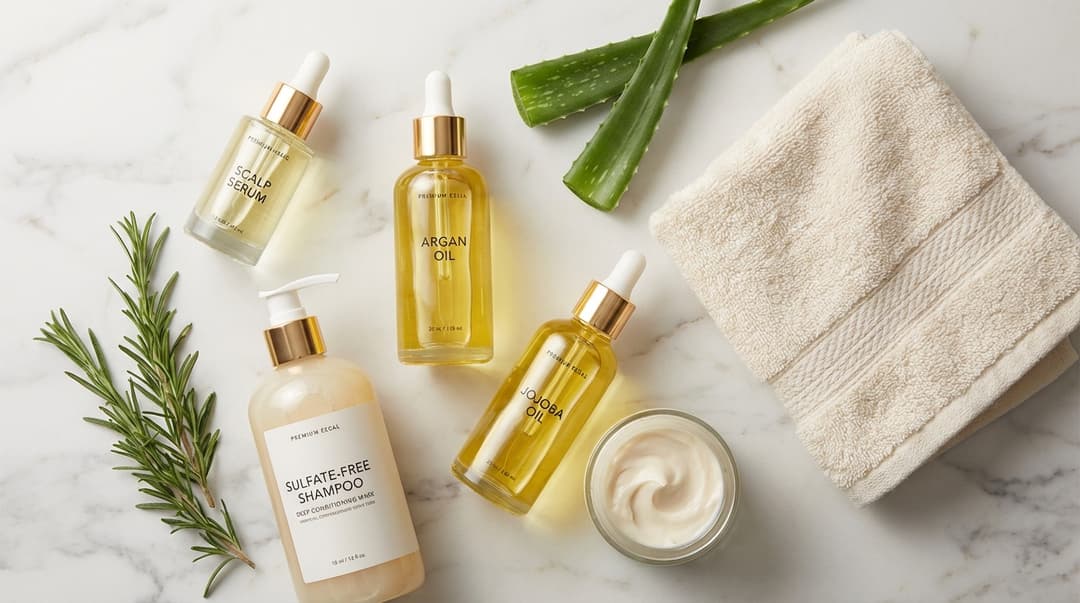
You don't need a bathroom shelf packed with trendy formulas. A few well-chosen product types can support healthier growth and length retention.
The most useful ones are:
- Scalp serum: Helps target the root area with ingredients like peptides, caffeine, or botanical extracts.
- Lightweight hair oil: Good for sealing moisture into the mid-lengths and ends. Jojoba, argan, and grapeseed oil tend to feel lighter than heavier oils.
- Deep conditioning mask: Helps soften dry, brittle hair and improve elasticity.
So, ingredient-wise, I like seeing niacinamide, panthenol, aloe vera, peptides, rosemary extract, and glycerin in scalp or hair formulas. For oils, lighter plant oils usually work better for most hair types than super heavy ones, especially if your scalp gets congested easily.
One little caution: putting thick oil on your scalp every day isn't automatically better. Too much can trap buildup, irritate the scalp, and make washing harder. If you're using oil on the scalp, keep it light and wash thoroughly.
What habits can slow hair growth?
Sometimes the fastest way to improve hair growth is to stop doing the stuff that's quietly sabotaging it.
Common habits that can get in the way include:
- Crash dieting or not eating enough: Hair growth isn't a priority for the body when energy is low.
- Overwashing with harsh cleansers: This can disrupt the scalp barrier and increase dryness.
- Ignoring buildup: Dry shampoo, styling products, and oil can clog the scalp if they sit too long.
- Too much bleach or chemical processing: This weakens the hair shaft and increases breakage.
- Constant tight styles: Tension can stress the follicles, especially around the edges.
- Chronic stress: Stress can push more hairs into the shedding phase.
If your hair suddenly starts thinning, your part looks wider, or you're losing clumps in the shower, that's worth checking out. Hormonal shifts, thyroid issues, postpartum changes, illness, and nutrient deficiencies can all affect growth and shedding.
How long does it take to see results?
If you're working on how to grow hair faster naturally, give it at least 8 to 12 weeks to notice early changes like less shedding, a healthier scalp, or stronger-feeling hair. Visible length takes longer. Since hair usually grows about half an inch a month, most people need 3 to 6 months of consistent habits to really see progress.
Look, consistency beats intensity here. A daily 5-minute scalp massage, enough protein, and better breakage prevention will usually do more than a random once-a-week DIY mask.
The Bottom Line
If you want to grow hair faster naturally, focus on the basics that actually move the needle: a healthy scalp, enough protein and minerals, less breakage, and gentle products that support your hair instead of stressing it out. Hair growth takes patience, but with steady habits, you'll give your strands the best shot at growing longer, stronger, and looking healthier along the way.
If you want more ingredient-conscious beauty tips and smart product picks, sign up for Insider Beauty's weekly deals and get the good stuff sent straight to your inbox.
Want more tips and exclusive beauty deals delivered to your inbox? Pop your email in the box below and join thousands of insiders who save big every week.