
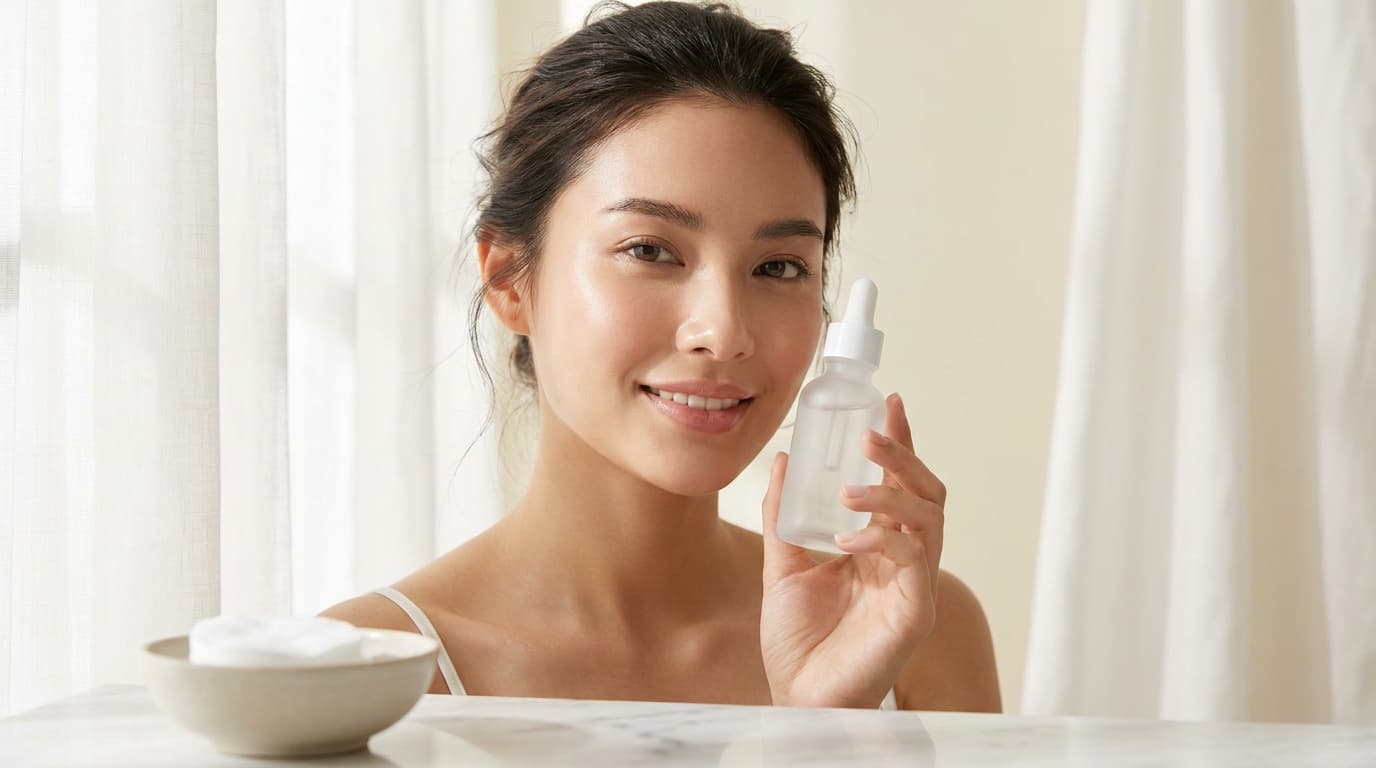
The fastest way to fade acne scars is to combine daily sunscreen, targeted brightening ingredients, and gentle skin renewal while preventing new breakouts. This works because most acne marks fade faster when you reduce inflammation, block UV-triggered darkening, and support steady cell turnover. Here's exactly how to fade acne scars fast without wrecking your skin barrier.
Quick Takeaways
- Wear SPF 30 or higher every single day: Sun exposure can make post-acne marks last much longer.
- Use proven ingredients: Niacinamide, azelaic acid, retinoids, vitamin C, and AHAs can help fade discoloration and smooth texture.
- Treat the right type of scar: Dark marks, red marks, and indented scars don't respond to the exact same routine.
- Go slow with exfoliation: Overdoing acids or scrubs can make acne scars look worse by triggering irritation.
- Be consistent for 8 to 12 weeks: I've found that steady, boring routines usually beat aggressive ones.
What type of acne scar do you have?
Before you try to figure out how to fade acne scars fast, you need to know what you're dealing with. Honestly, this is where a lot of people get stuck.
There are a few common types:
- Post-inflammatory hyperpigmentation (PIH): Flat brown, tan, or deep gray marks left after a breakout. These are especially common in medium to deep skin tones.
- Post-inflammatory erythema (PIE): Flat pink or red marks, more common in lighter skin tones.
- Atrophic scars: Indented scars like ice pick, boxcar, and rolling scars.
- Raised scars: Less common with acne, but they can happen.
Flat marks usually respond well to skincare at home. Indented acne scars are harder to fade quickly with products alone and often need in-office treatments like microneedling, lasers, or chemical peels.
So if your "scar" is flat and discolored, you can absolutely improve it with the right routine. If it's pitted, your best results will likely come from a mix of skincare and a dermatologist's help.
What fades acne scars the fastest at home?
If you want the short answer on how to fade acne scars fast, focus on three things:
- Protect the skin from UV damage
- Use ingredients that target pigment and inflammation
- Increase skin turnover without causing irritation
Here's the routine I suggest most often.
Morning routine
- Gentle cleanser: Skip harsh foaming washes that leave your skin squeaky. That tight feeling usually means your barrier is stressed.
- Antioxidant or brightening serum: A vitamin C serum or niacinamide serum can help brighten leftover marks and support a more even tone.
- Moisturizer: Look for ceramides, glycerin, or squalane.
- Broad-spectrum sunscreen SPF 30 or higher: This is non-negotiable if you're serious about fading acne marks.
Night routine
- Gentle cleanser
- Treatment step: Choose one main active, like azelaic acid, a retinoid, or a mild AHA exfoliant a few nights a week.
- Moisturizer: Especially if you're using actives.
Look, the fastest routine is not the most intense one. It's the one you can actually stick with without getting flaky, angry skin.
Best ingredients to fade acne scars fast
Certain ingredients have the best track record for fading post-acne marks. If you're building a routine, start here.
Niacinamide
Niacinamide helps calm inflammation, strengthen the skin barrier, and reduce the look of dark marks over time. It's one of the easiest ingredients to add because most skin types tolerate it well.
I've found that niacinamide is especially nice if your skin is both acne-prone and sensitive, which is kind of an annoying combo but super common.
Azelaic acid
Azelaic acid is one of my favorite clean-ish, low-drama ingredients for acne marks. It can help with breakouts, redness, and hyperpigmentation at the same time. That's rare.
It's especially useful for:
- Red marks after acne
- Brown post-acne spots
- Skin that can't handle stronger acids every night
Retinoids
Retinoids speed up cell turnover and can improve both discoloration and shallow textural irregularities over time. They also help prevent new acne, which matters because fading old marks is a lot easier when you're not creating new ones every week.
Start low and go slow. Two to three nights a week is enough at first.
Vitamin C
A vitamin C serum can help brighten uneven tone and support antioxidant protection during the day. If your skin gets easily irritated, go for a gentler formula and don't layer it with every active under the sun.
AHAs and BHAs
- AHAs like glycolic acid or lactic acid can help lift surface discoloration and smooth texture.
- BHAs like salicylic acid are better for oily, breakout-prone skin because they clear pores too.
Honestly, physical scrubs are usually not the move here. A gentle chemical exfoliant tends to do more and irritate less.
How to build a routine without making scars worse
A lot of people slow down their own progress by using too many treatments at once. If your skin is stinging, peeling hard, or staying red for days, that's not a sign it's working better.
Try this simple plan:
- Use one brightening active first: Start with niacinamide or azelaic acid if you're new.
- Add a retinoid slowly: Use it 2 nights a week, then increase only if your skin stays comfortable.
- Exfoliate just 1 to 3 times weekly: A mild AHA or BHA is plenty for most people.
- Moisturize generously: A damaged barrier can make discoloration linger.
- Never skip sunscreen: UV exposure can deepen acne marks fast, even through windows.
So, yes, more products can sometimes mean slower results. Kind of rude, but true.
How long does it take to fade acne scars?
This depends on the type of scar.
- Red or brown flat marks: Often improve in 8 to 12 weeks with consistent skincare and sun protection.
- Stubborn hyperpigmentation: May take 3 to 6 months.
- Indented scars: Usually need professional treatment and can take longer.
If you're searching for how to fade acne scars fast, the word fast usually means noticeable improvement in a few months, not overnight. I know that's not the fun answer, but it's the honest one.
Also, skin tone matters here. Deeper skin tones can be more prone to lingering pigmentation, so extra care with irritation and sun protection really pays off.
What makes acne scars fade slower?
Sometimes it's not about what you're missing. It's what you're doing that's keeping marks around.
- Picking or popping pimples: This increases inflammation and raises the risk of both dark marks and texture changes.
- Skipping SPF: Even a great serum can't outwork daily UV exposure.
- Over-exfoliating: Too many acids, scrubs, or strong treatments can trigger more redness and post-inflammatory pigment.
- Not treating active acne: New breakouts keep restarting the cycle.
- Using fragranced or harsh products on sensitized skin: Irritation can make post-acne marks hang on longer.
Honestly, one of the best things you can do today is stop attacking your face. Gentle wins more often than people think.
When should you see a dermatologist?
At-home care can do a lot, but there are times when professional help makes sense.
See a dermatologist if:
- Your scars are pitted or indented
- You still have frequent active breakouts
- Your marks haven't improved after 12 weeks of consistent care
- Your skin burns or reacts to most treatments
- You're dealing with severe pigmentation or raised scarring
For indented acne scars, in-office options may include:
- Chemical peels
- Microneedling
- Laser treatments
- Subcision
I've found that people often wait too long hoping a serum will fix deep textural scars. Sometimes skincare helps the surface, but procedures do the heavy lifting.
The Bottom Line
If you want to know how to fade acne scars fast, start with the basics that actually work: daily sunscreen, a gentle routine, and ingredients like niacinamide, azelaic acid, retinoids, and vitamin C. Flat red or brown marks can fade noticeably with consistency, while indented scars usually need a dermatologist.
Look, you don't need a 12-step routine. You need a smart one. Stick with it for at least 8 to 12 weeks, protect your skin barrier, and resist the urge to overdo it.
If you want more ingredient-focused skincare tips and a little help finding the best weekly beauty deals, sign up for Insider Beauty's weekly deals newsletter.
Want more tips and exclusive beauty deals delivered to your inbox? Pop your email in the box below and join thousands of insiders who save big every week.