
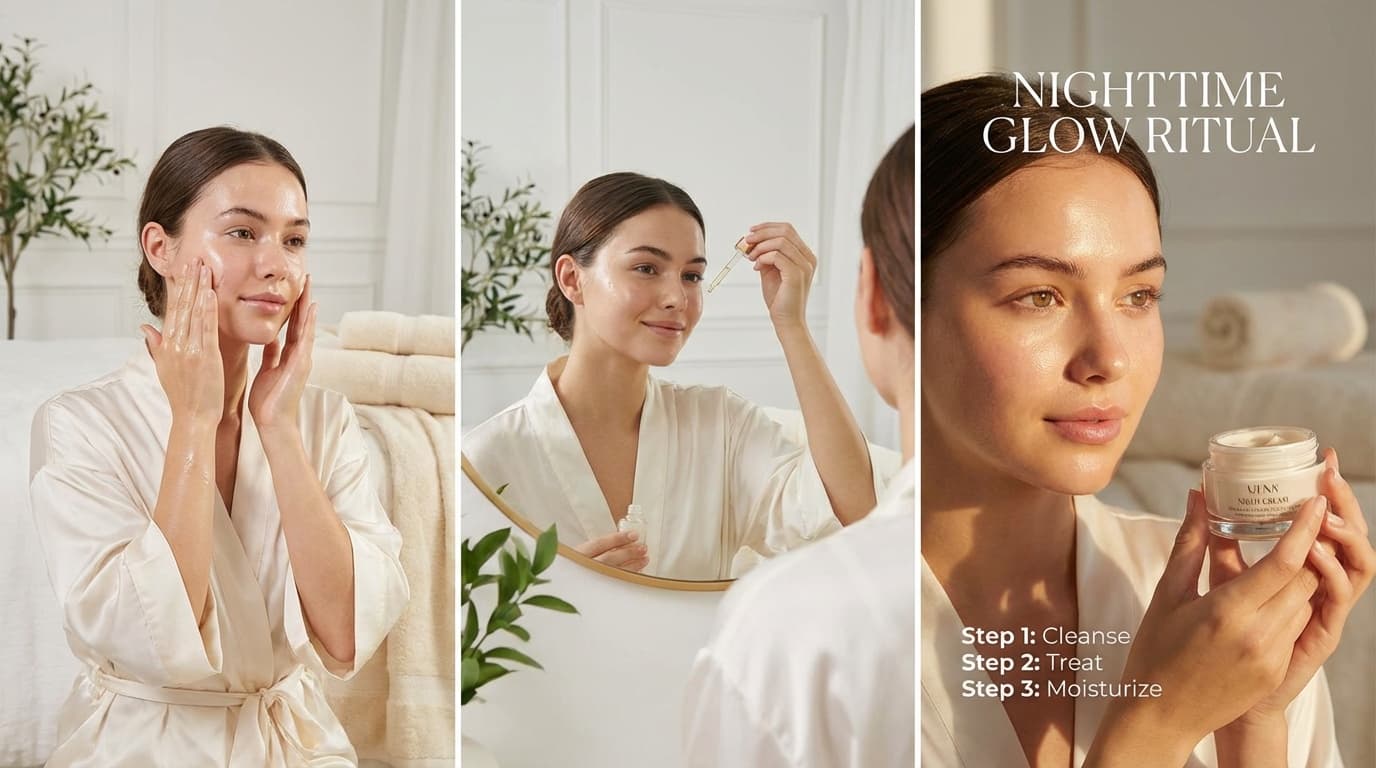
The best nighttime skincare routine steps are: cleanse, treat, moisturize, and protect your skin barrier. This order works because it removes buildup, delivers active ingredients when your skin repairs itself at night, and locks in hydration. Here's exactly how to build a routine that actually makes a difference by morning.
Quick Takeaways
- The ideal nighttime skincare routine steps are: cleanse → treat → moisturize → optional extras
- Night is the best time for retinoids, exfoliating acids, and richer creams
- Double cleansing helps if you wear sunscreen or makeup; one gentle cleanse is enough for bare skin
- Apply products from thinnest to thickest texture so they absorb properly
- Consistency beats complexity: 3-4 good products used nightly will outperform a 10-step routine you hate
Why Nighttime Skincare Matters More Than You Think

Your nighttime skincare routine is when you do the heavy lifting: repair, restore, and gently resurface. During sleep, your skin’s cell turnover and blood flow both increase, and transepidermal water loss (aka moisture escaping) also goes up.
So, night is the perfect time to:
- Use retinoids and other treatment serums
- Replenish your skin barrier with a moisturizer or night cream
- Support hydration with hyaluronic acid or other humectants
Honestly, when my patients commit to a simple, consistent nighttime routine for 8-12 weeks, that’s when I see the biggest changes in texture, fine lines, and acne.
The Core Nighttime Skincare Routine Steps
Here are the basic nighttime skincare routine steps most people need, in the correct order:
- Remove makeup and sunscreen (if needed)
- Cleanse with a gentle face wash
- Apply treatment products (retinoids, acne meds, or serums)
- Moisturize to lock everything in
- Optional: target extras (eye cream, spot treatments, slugging)
Let’s break down what each step should actually look like.
Step 1: Remove Makeup and Sunscreen (Double Cleanse If Needed)
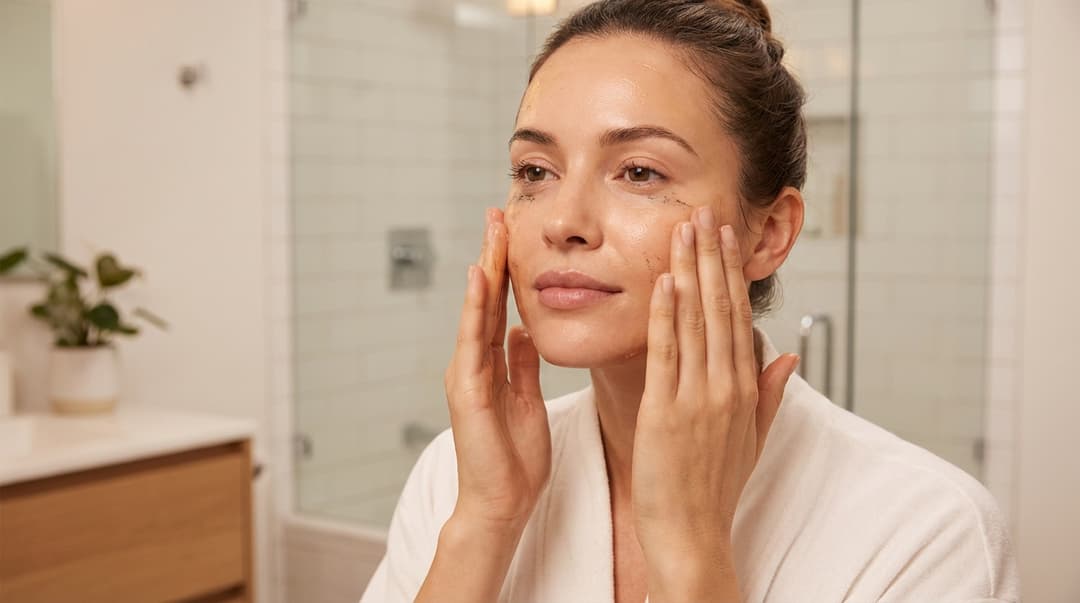
If you wear sunscreen (you should) or makeup (no judgment if it’s a full beat), you need to remove that first. A basic splash of water won’t cut it.
- Oil cleanser or cleansing balm: Great for waterproof mascara, long-wear foundation, or heavy SPF.
- Micellar water: Nice for light makeup or as a quick first step if you’re exhausted.
So, how to do it:
- Apply your oil cleanser or balm to dry skin.
- Massage for 30–60 seconds, including along the hairline and jaw.
- Emulsify with a bit of water and rinse.
- Or, if using micellar water, soak a cotton pad and gently swipe until makeup is gone.
If you don’t wear makeup and only have light sunscreen, you can skip a dedicated makeup remover and go straight to a gentle cleanser that removes SPF.
Step 2: Cleanse With a Gentle Face Wash
Your second step (or first, if you’re bare-faced) is a gentle cleanser that removes sweat, oil, and pollution without wrecking your skin barrier.
Look, over-cleansing is one of the top issues I see in clinic. If your face feels tight or squeaky after washing, that’s a red flag.
How to wash at night:
- Use lukewarm water (hot water strips your natural oils)
- Use a nickel-sized amount of cleanser
- Massage for about 30 seconds
- Rinse well and gently pat dry with a clean towel
Good cleanser types:
- Gel cleanser: Best for normal to oily or acne-prone skin
- Cream or lotion cleanser: Best for dry, sensitive, or mature skin
- Non-foaming hydrating cleanser: Great if your barrier is compromised or you’re using strong actives like retinoids
If your skin is very dry or sensitive, washing once at night and just rinsing with water in the morning is often enough.
Step 3: Apply Treatment Products (The “Workhorse” Step)
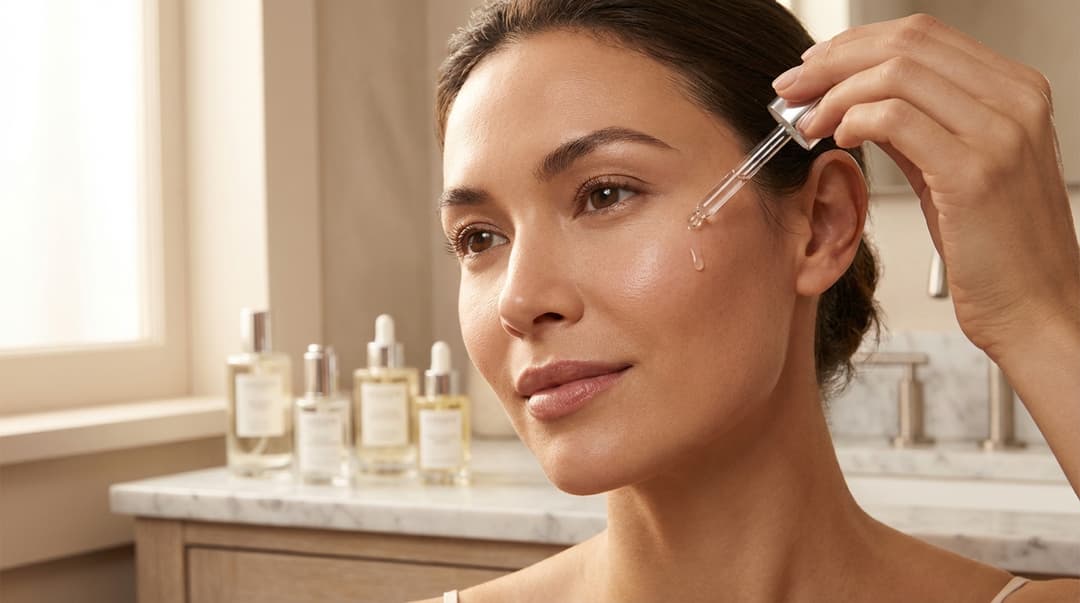
This is the step that really makes nighttime skincare worth it. After cleansing, while skin is still slightly damp, apply your treatment product. This might be:
- A retinoid (retinol, retinal, adapalene, tretinoin)
- A chemical exfoliant (AHA/BHA like glycolic, lactic, or salicylic acid)
- A targeted serum (niacinamide, azelaic acid, peptides, brightening serums)
You generally don’t need all of these in one night. In fact, please don’t.
How to choose your main nighttime treatment
- Acne-prone / oily skin:
- Nightly or every-other-night retinoid
- Occasional salicylic acid (1–3x/week)
- Dark spots / uneven tone:
- Retinoid
- Azelaic acid or niacinamide serum
- Fine lines / texture / dullness:
- Retinoid
- Gentle AHA 1–2x/week
- Sensitive / rosacea-prone:
- Skip strong acids at first
- Use barrier-supporting serums (niacinamide, centella, panthenol)
How to layer treatments correctly
Apply from thinnest to thickest texture:
- Watery toners or essences (optional, not required)
- Serums (like niacinamide or azelaic acid)
- Retinoid (if it’s a cream, it may go last before moisturizer depending on the formula)
If you’re using a prescription-strength retinoid and your skin is sensitive, I’ve found the “sandwich method” can really help:
- Apply a light moisturizer
- Apply a pea-sized amount of retinoid to the whole face (not just spots)
- Apply another thin layer of moisturizer on top
This buffers the retinoid and cuts down on irritation.
Step 4: Moisturize and Support Your Skin Barrier
Your nighttime moisturizer is like a cozy blanket for your skin. Its job is to:
- Replenish moisture you lost during the day
- Support your skin barrier
- Lock in your treatments so they can work overnight
What type of night moisturizer should you use?
- Gel-cream moisturizer:
- Best for combination or oily skin
- Lightweight but hydrating
- Cream moisturizer / night cream:
- Best for normal to dry or mature skin
- Look for ceramides, cholesterol, fatty acids, glycerin, hyaluronic acid
- Ointment or balm (occlusive):
- For very dry, irritated, or compromised skin
- Can be used as a thin layer over moisturizer on dry areas only
If you’re very acne-prone, stick to non-comedogenic labeled moisturizers and avoid heavy oils or balms all over the face.
How to apply:
- Use a nickel-sized amount for face and neck
- Gently massage until absorbed, don’t aggressively rub
- Bring the excess down to your neck and (if not using actives) eyelids
Honestly, this is the step people skip the most, and it’s usually why their actives feel “too harsh.” A good moisturizer can make almost every routine more tolerable.
Step 5: Optional Extras (Eye Cream, Spot Treatments, Slugging)
You don’t need a 10-step routine, but a few optional steps can be helpful if you’re targeting specific concerns.
Eye cream
Is eye cream mandatory? No. But if your under-eyes are dry or you’re using retinoids close to the eye area, it can be useful.
- Use a hydrating eye cream with ingredients like hyaluronic acid, peptides, or ceramides
- Apply a grain-of-rice amount using your ring finger, gently tapping
- Do this after treatments but before or after moisturizer depending on texture (thinner goes first)
Spot treatments
- Use benzoyl peroxide or sulfur spot treatments on active breakouts
- Apply after cleansing, before moisturizer, and only on the pimple
- Don’t layer strong acids and benzoyl peroxide on the same area unless directed by your derm
Slugging (for very dry or irritated skin)
Slugging = applying a thin layer of an occlusive ointment as the last step to reduce water loss.
- Best for: very dry, compromised, or post-procedure skin
- Not ideal for: acne-prone or very oily skin (can worsen breakouts)
- If you try it, slug only the driest areas (like around the nose or cheeks), not the entire face
I usually recommend slugging only a few nights a week, not nightly, unless your skin is extremely dry.
How to Customize Nighttime Skincare for Your Skin Type
So this is where the magic happens: tailoring the same basic nighttime skincare routine steps to what your skin actually needs.
Oily or acne-prone skin
- Gentle gel or foaming cleanser
- Retinoid at night (start 2–3x/week, work up as tolerated)
- Lightweight gel-cream moisturizer
- Optional: salicylic acid 1–3x/week instead of retinoid that night
Dry or sensitive skin
- Cream or lotion cleanser
- Hydrating serum (glycerin, hyaluronic acid, panthenol)
- Barrier-supporting moisturizer with ceramides
- Retinoid only 1–2x/week at first, using the sandwich method
Combination skin
- Gentle gel or lotion cleanser
- Retinoid or niacinamide serum at night
- Medium-weight moisturizer, gel-cream or light cream
- Spot treat oily areas with salicylic acid as needed
Mature or photo-damaged skin
- Hydrating, non-stripping cleanser
- Retinoid as your main nighttime treatment
- Peptide or antioxidant serum (optional)
- Richer cream moisturizer or night cream
Remember: your skin might change with seasons, hormones, or medications. It’s normal to tweak your nighttime routine a few times a year.
How Often Should You Use Each Nighttime Step?
To keep things simple, here’s a quick guideline:
- Makeup/sunscreen removal: Every night if you wore them
- Cleanser: Every night
- Treatment (retinoid, acids, targeted serums):
- Retinoids: Start 2–3 nights/week, increase as tolerated
- Exfoliating acids: 1–2 nights/week for most people
- Other serums (niacinamide, hydrating): Can be nightly
- Moisturizer: Every single night
- Extras (eye cream, slugging, spot treatments): As needed
If your skin feels more irritated, red, or flaky, pull back on the treatment nights and focus on cleanser + moisturizer only for a week or two. Barrier repair first, fancy actives second.
A Sample Nighttime Skincare Routine You Can Start Tonight
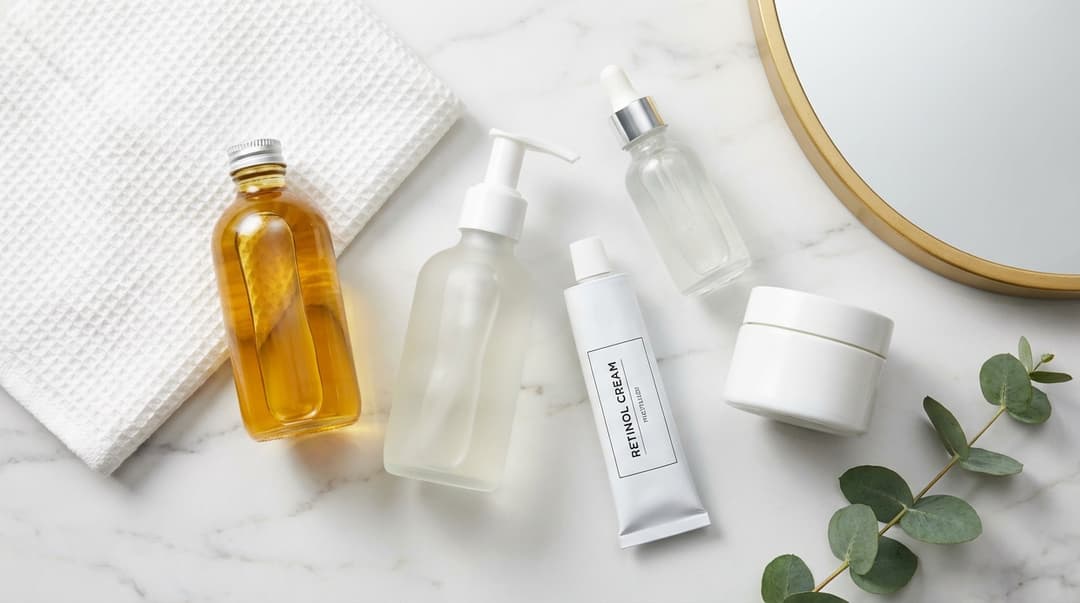
Here’s an example routine using common product types (not specific brands) that works for a lot of people with normal to combination skin:
- Oil-based cleanser or micellar water to remove makeup/SPF
- Gentle gel or lotion cleanser
- Niacinamide serum (for redness, pores, and oil control)
- Pea-sized amount of retinol cream (2–3 nights per week to start)
- Cream moisturizer with ceramides and hyaluronic acid
On nights you don’t use retinol, you can:
- Use a hydrating serum instead
- Or use a gentle lactic acid serum 1 night/week if your skin tolerates it
That’s it. Five steps, 5–7 minutes, and your future skin will genuinely thank you.
The Bottom Line
A good nighttime skincare routine doesn’t have to be complicated. If you cleanse well, use one solid treatment, and moisturize properly, you’re already ahead of most people.
Start with the basic nighttime skincare routine steps—cleanse → treat → moisturize → optional extras—then tweak based on how your skin responds over 4–8 weeks. Consistency, not perfection, is what actually changes your skin.
If you want more derm-backed tips plus exclusive beauty deals, sign up for Insider Beauty’s weekly newsletter—we share new routines, ingredient breakdowns, and the best sales I’d actually recommend to my own friends.
Want more tips and exclusive beauty deals delivered to your inbox? Pop your email in the box below and join thousands of insiders who save big every week.