
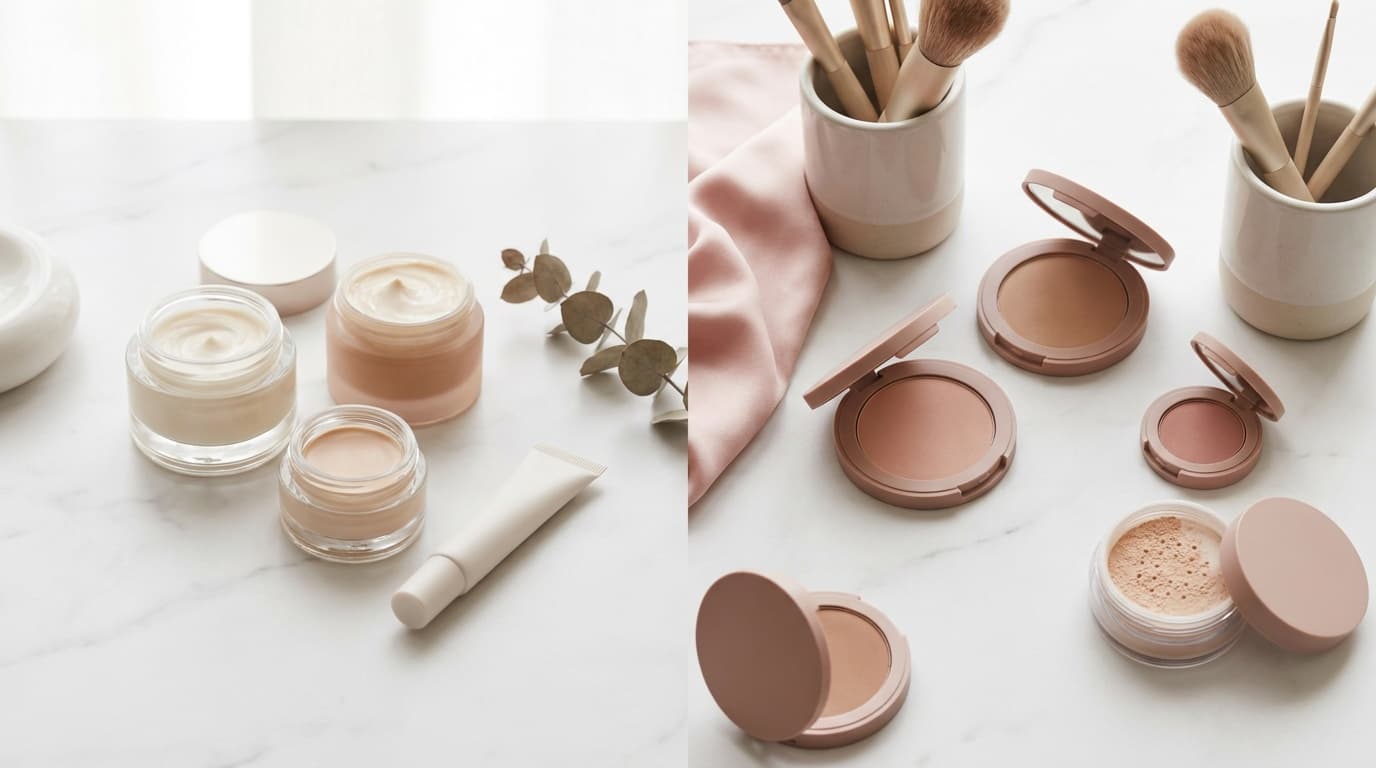
For cream vs powder products, which is better? Cream formulas are generally best for dry or mature skin and a dewy finish, while powders tend to suit oily skin, humid weather, and longer wear. Neither is universally better; your skin type, desired finish, ingredients, and application habits should decide.
Quick Takeaways
- Choose cream for moisture and glow: Cream blush and similar formulas blend easily into dry or textured skin without emphasizing flakes.
- Choose powder for oil control and wear: Powder bronzer and pressed setting powder can absorb shine and usually hold up better in heat.
- Consider your climate: Creams feel comfortable in dry weather, while powders are often more reliable in humidity.
- Check the full ingredient list: Creams may need more preservatives because they often contain water, while powders can contain talc, mica, silica, or starches.
- You can use both: Applying cream first and a light layer of powder second can provide natural dimension with better staying power.
Is Cream or Powder Better for Your Skin Type?
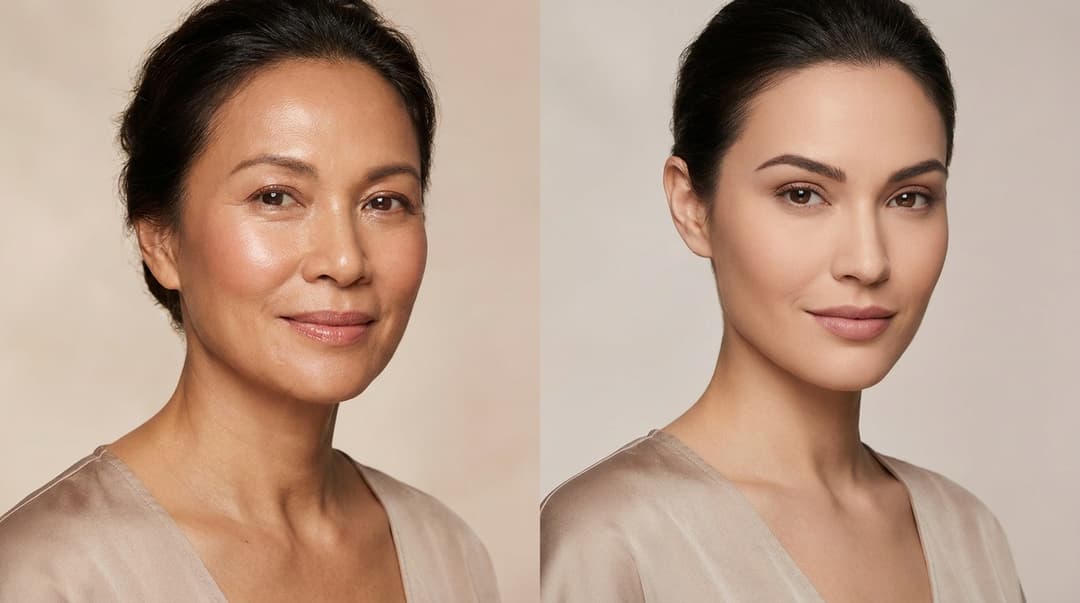
Your skin type is the easiest place to start when comparing cream vs powder products: which is better for your routine.
Dry skin usually prefers cream. Cream formulas often contain emollients such as squalane, jojoba oil, shea butter, or plant-derived esters. These ingredients help the product glide over dry areas instead of catching on flakes. A cream blush tapped onto moisturized skin can look much fresher than a heavy layer of powder.
Oily skin often does better with powder. Ingredients such as silica, kaolin, rice starch, and cornstarch can absorb excess sebum and reduce shine. A pressed setting powder is especially useful around the forehead, nose, and chin, where oil tends to appear first.
Combination skin can use both textures strategically. Try cream on the cheeks, where skin may be drier, and powder through the T-zone. You don't have to commit to one formula across your entire face.
Mature or textured skin often benefits from thin cream layers. Heavy powder can settle into fine lines, particularly beneath the eyes. That said, a finely milled powder used sparingly can still set makeup without looking dry. I've found that pressing on a tiny amount with a small puff works better than sweeping on a thick layer with a large brush.
Sensitive and acne-prone skin can wear either texture. Look for fragrance-free formulas and consider avoiding heavy essential oils if your skin is reactive. If you're prone to clogged pores, check whether rich butters or waxes feel too occlusive for you rather than assuming every cream will cause breakouts.
How Do Cream and Powder Formulas Differ?
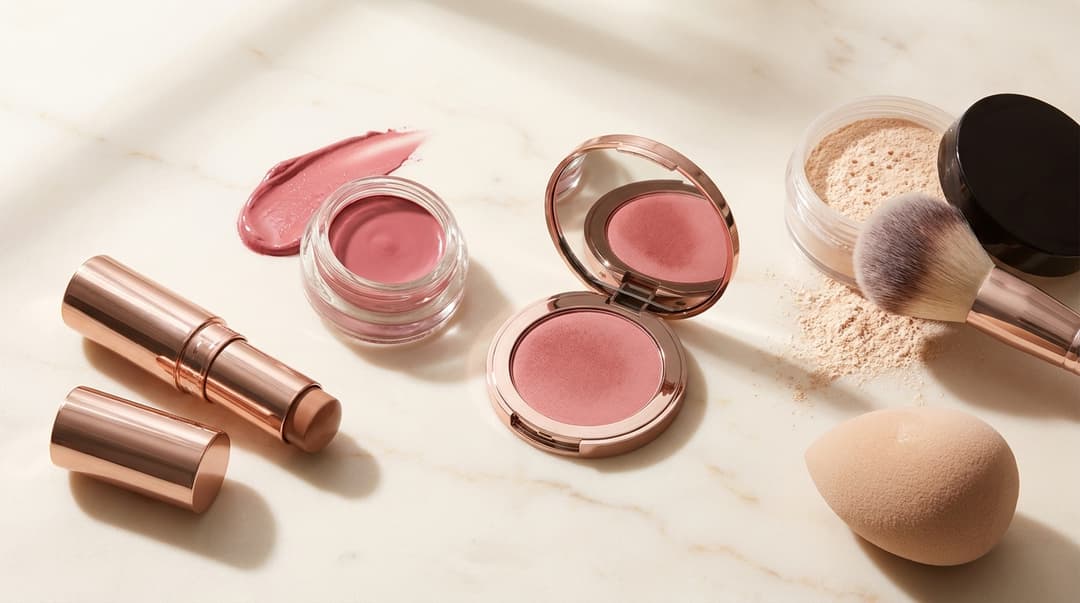
Cream makeup contains oils, waxes, emollients, or water that create a flexible, blendable texture. It tends to melt into the skin and produce a dewy, satin, or skin-like finish. The trade-off is that cream can move around, fade, or collect in creases, especially when the weather is warm.
Powder makeup is made primarily with dry pigments, minerals, starches, and texture-enhancing ingredients. It sits closer to the skin's surface and typically creates a matte, soft-focus, or velvety finish. Powders are easy to build but can look cakey if they're applied over dry skin or layered too heavily.
Here are the practical differences:
- Texture: Cream is soft and emollient; powder is dry and finely milled.
- Finish: Cream usually looks luminous; powder generally looks matte or softly blurred.
- Pigment: Cream can be sheer and buildable, while powder can offer quick, concentrated color.
- Blend time: Cream may set after a short working period; powder can usually be blended longer.
- Portability: Pressed powders are tidy but can crack, while creams won't shatter but may soften in heat.
- Shelf life: Water-based creams often expire sooner than dry powders because they face a greater risk of microbial growth.
Look, packaging matters too. Cream products in jars expose the formula to fingers, air, and moisture every time they're opened. Sticks or pump containers are usually more hygienic. Powders can last longer when kept dry, but brushes still need regular washing to prevent oil and bacteria from building up on the surface.
How Should You Apply and Layer Cream and Powder?
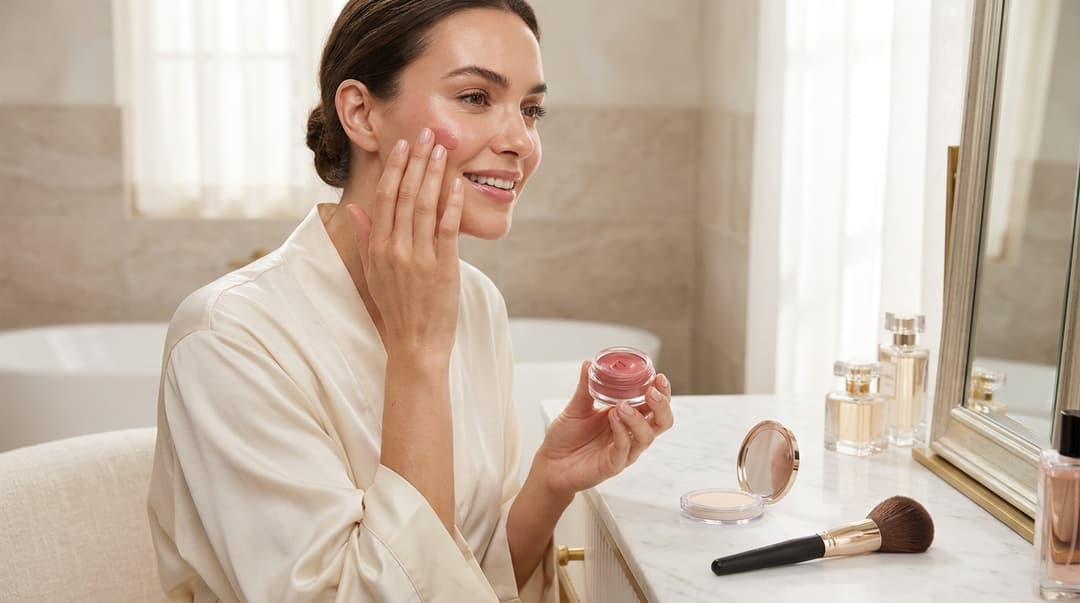
The basic makeup rule is cream before powder. Applying a wet or creamy product over a fully powdered surface can cause skipping, patchiness, or pilling. Powder grips quickly, so the cream may become difficult to blend.
Use this simple routine for smooth, lasting results:
- Prep your skin with a moisturizer suited to your skin type and let it absorb for two to five minutes.
- Apply liquid or cream complexion products in thin layers rather than one heavy coat.
- Tap on cream blush with clean fingers, a damp sponge, or a dense synthetic brush.
- Let the cream settle for about 30 seconds before adding powder.
- Press setting powder only where you get shiny or notice creasing.
- Add powder bronzer with a soft brush, using light circular motions around the face.
- Mist lightly with a hydrating setting spray if the final result looks too powdery.
Honestly, fingers are underrated for cream products. Their warmth helps soften waxes and oils, making the formula easier to spread. Just wash your hands first. For powder, tap excess product off the brush before it reaches your face. It's much easier to add another layer than to remove a muddy patch.
If you want a monochromatic look, a cream blush can sometimes be tapped onto the lips as well, but only when the product is specifically approved for lip use. Color additives permitted around the cheeks aren't automatically approved for every part of the face.
Which Texture Lasts Longer in Heat and Humidity?

Powder generally lasts longer on oily skin and in humid conditions because it can absorb sebum and help reduce movement. A pressed setting powder is useful for workdays, events, or any situation where you won't have much time for touch-ups.
Cream can perform beautifully in cool or dry climates, where a powder-heavy routine may look flat. For better cream wear, use a thin layer, press it into the skin, and avoid overly rich skin care underneath. You can also top cream blush with a whisper of translucent powder rather than covering it with another pigmented product.
So, when considering cream vs powder products: which is better for longevity, think about both weather and your skin's oil production:
- Hot and humid weather: Powder usually has the advantage.
- Cold and dry weather: Cream is often more comfortable.
- Long events: Layer cream under a small amount of powder.
- Quick touch-ups: Pressed powder is convenient and less likely to leak.
- Fresh, minimal makeup: Cream creates a natural finish with fewer steps.
Carry blotting paper instead of repeatedly adding powder throughout the day. Removing oil first helps prevent buildup, patchiness, and that thick makeup look.
Which Ingredients and Packaging Are Better?
From a clean beauty perspective, texture alone doesn't tell you whether a product is gentle, safe, or sustainable. The full formula matters more than a cream or powder label.
Creams containing water need an effective preservative system. Preservatives such as phenoxyethanol, sodium benzoate, potassium sorbate, or organic acids help prevent the growth of yeast, mold, and bacteria. A preservative-free water-based cream isn't automatically cleaner; it may simply have a shorter safe-use window.
Powders typically need fewer preservatives because microbes require water to grow. Still, loose mineral particles can become airborne. Apply powders gently, avoid inhaling visible clouds, and keep them away from young children. Talc isn't automatically a harmful ingredient, but reputable sourcing and asbestos testing matter. Brands should be transparent about quality controls.
Mica creates shimmer in both creams and powders. If ethical sourcing is a priority for you, look for brands that disclose whether their mica is synthetic or independently audited. Synthetic fluorphlogopite can offer sparkle without the labor and traceability concerns associated with poorly monitored natural mica supply chains.
For lower-waste shopping, consider:
- Refillable pressed powder compacts that let you replace only the pan.
- Cream sticks in mono-material tubes when local facilities accept that plastic type.
- Products you'll finish completely instead of collecting several similar shades.
- Minimal secondary packaging without unnecessary plastic inserts, mirrors, or magnets.
I've found that the most sustainable product is usually the one that works well enough to use up. A theoretically eco-friendly compact isn't helpful if the formula irritates your skin or sits untouched in a drawer.
The Bottom Line
In the debate over cream vs powder products: which is better, cream wins for dry skin, a luminous finish, and flexible blending. Powder wins for oily skin, shine control, portability, and dependable wear. Combination or mature skin may get the best result by using both selectively rather than covering the whole face in one texture.
Start with one practical swap today: try cream blush on dry cheeks, powder bronzer where you want more definition, or pressed setting powder only through the T-zone. Use thin layers, check the ingredient list, and pay attention to how your makeup looks after several hours, not just immediately after application.
Want more ingredient-conscious picks without paying full price? Sign up for Insider Beauty's weekly deals for clean beauty offers, thoughtful product finds, and low-waste options delivered to your inbox.
Want more tips and exclusive beauty deals delivered to your inbox? Pop your email in the box below and join thousands of insiders who save big every week.