
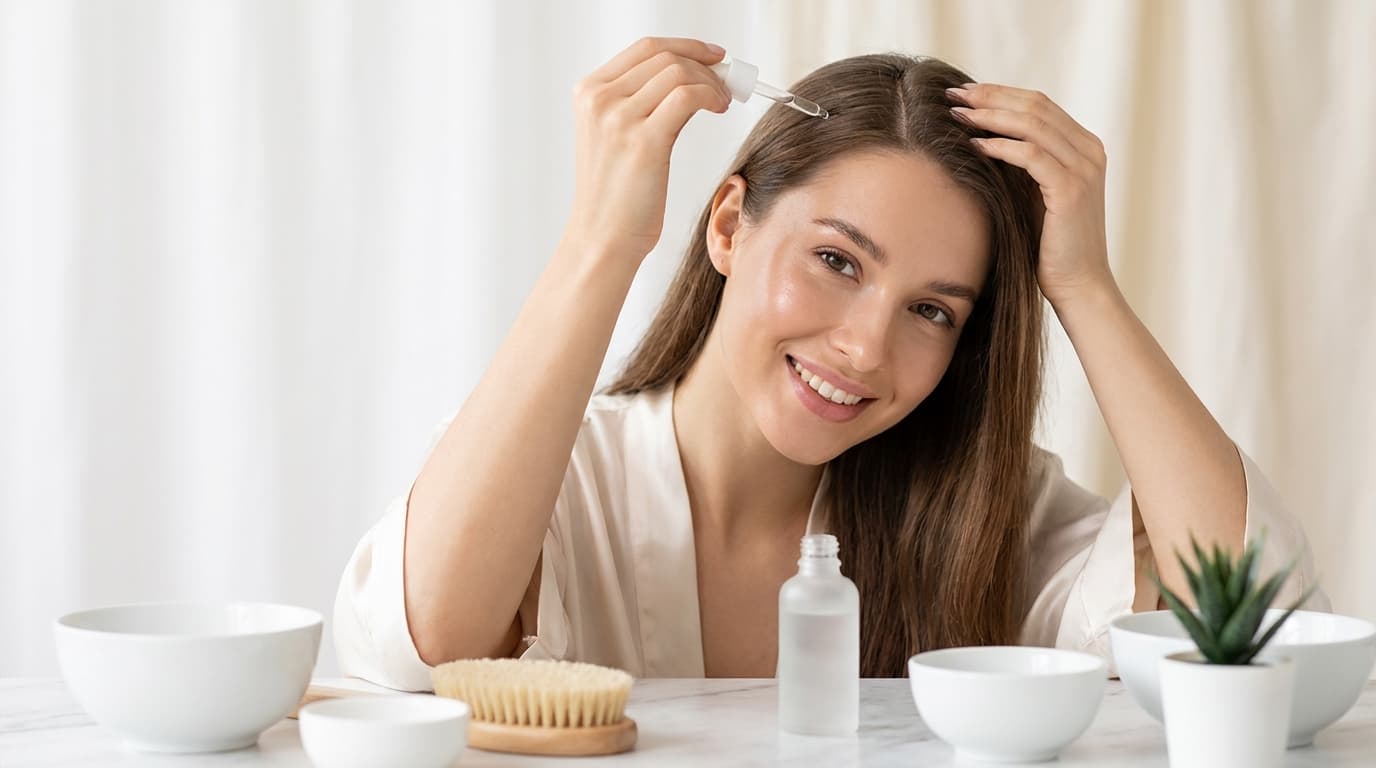
A scalp care routine for healthy hair should keep your scalp clean, comfortable, and balanced without stripping it. Wash according to your oil and buildup levels, massage gently, rinse thoroughly, and use targeted treatments for flakes or irritation. This creates a healthier environment for hair growth, though scalp care can't override genetics or treat medical hair loss by itself.
Quick Takeaways
- Wash based on your scalp: Oily scalps may need daily or every-other-day cleansing, while dry or coily hair may do better with one or two washes a week.
- Apply shampoo to the scalp: Concentrate cleanser at the roots instead of piling hair on top of your head and scrubbing the lengths.
- Use your fingertips, not your nails: A gentle 60-second massage helps loosen oil and buildup without scratching the skin.
- Choose treatments by concern: Clarifying ingredients address residue, while anti-dandruff actives target persistent flakes and itch.
- Keep it simple: A consistent scalp care routine for healthy hair doesn't require a shelf full of scrubs, oils, and gadgets.
Why Does Scalp Care Matter for Healthy Hair?
Hair grows from follicles within the scalp, so the condition of that skin matters. Sebum, sweat, dead skin cells, dry shampoo, styling products, and environmental debris can collect around the roots. When buildup sticks around, the scalp may feel greasy, itchy, tight, tender, or flaky.
That doesn't mean every speck of oil is bad. Sebum helps protect the scalp and hair, and aggressively removing it can leave some people feeling even drier or more irritated. The goal is balance, not a squeaky-clean sensation.
A comfortable scalp generally has no persistent itching, thick scale, sores, or burning. It may still get oily between washes—that's normal. And while good scalp care can reduce breakage caused by rough handling, it won't necessarily make follicles grow faster. Hair density and growth rate are influenced by genetics, hormones, nutrition, age, health conditions, and medications.
Honestly, I've found that treating the scalp like facial skin makes the concept much easier. Cleanse it, address specific concerns, protect it from irritation, and resist the urge to throw five strong actives at it at once.
How Often Should You Wash Your Scalp?
There isn't one perfect shampoo schedule. Wash when your scalp is oily, uncomfortable, sweaty, or coated with product, rather than following a rigid rule from social media.
People with fine hair or oily scalps may feel best washing daily or every other day. Those with dry, curly, coily, or chemically treated hair might wash once or twice a week because the lengths lose moisture more easily. If you exercise heavily, wear hats often, or use several styling products, you may need to cleanse more frequently.
Look, washing your hair doesn't cause true hair loss. Shed hairs often become visible in the shower because shampooing releases strands that had already finished their growth cycle. If you wash less often, several days of normal shedding may appear at once and look alarming.
Between washes, dry shampoo can absorb oil, but it isn't a replacement for cleansing. Repeatedly layering it onto the roots may add residue and make itching worse. Try not to let it sit for days without eventually washing your scalp.
How Do You Build a Scalp Care Routine?
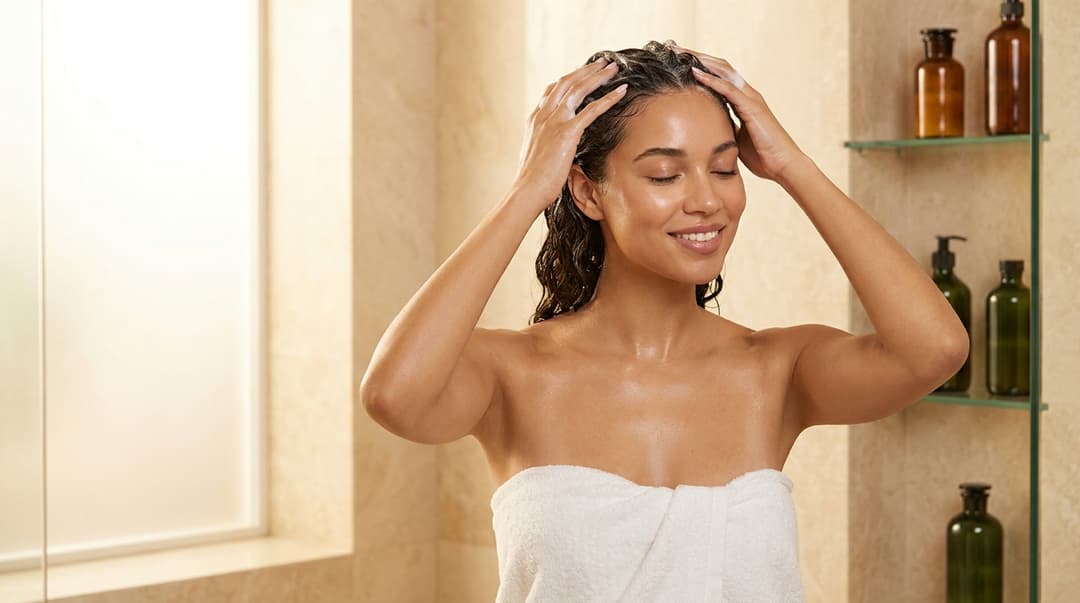
A practical scalp care routine for healthy hair can be completed in six straightforward steps. You can use this framework on every wash day, then adjust the products and frequency to suit your scalp.
Check your scalp before washing. Notice whether it feels oily, dry, itchy, tender, or coated. This quick check helps you decide whether you need a gentle cleanse, a deeper clarifying wash, or a treatment for flakes.
Wet the scalp thoroughly. Let lukewarm water run through the roots for about 30 seconds. Very hot water can feel satisfying, I know, but it may worsen dryness and irritation.
Apply shampoo directly to the roots. Use enough to distribute across the scalp, adding a little water if it isn't spreading well. You usually don't need to scrub the ends; the rinsing lather is enough to clean them.
Massage with your fingertips for 60 seconds. Use the pads of your fingers and small circular motions. Keep the pressure comfortable and skip your nails, which can create tiny scratches. Scalp massage may feel relaxing, but evidence that it significantly speeds hair growth is still limited.
Rinse completely and condition the lengths. Leftover shampoo can contribute to itching or dull roots. Apply conditioner mainly from the mid-lengths to the ends unless its directions specifically say it's suitable for the scalp.
Dry gently and apply treatment if needed. Blot rather than rub with a towel, then use a leave-on scalp treatment according to its label. Avoid tight ponytails or braids while wet hair is more vulnerable to stretching and breakage.
Which Scalp Care Products Should You Use?
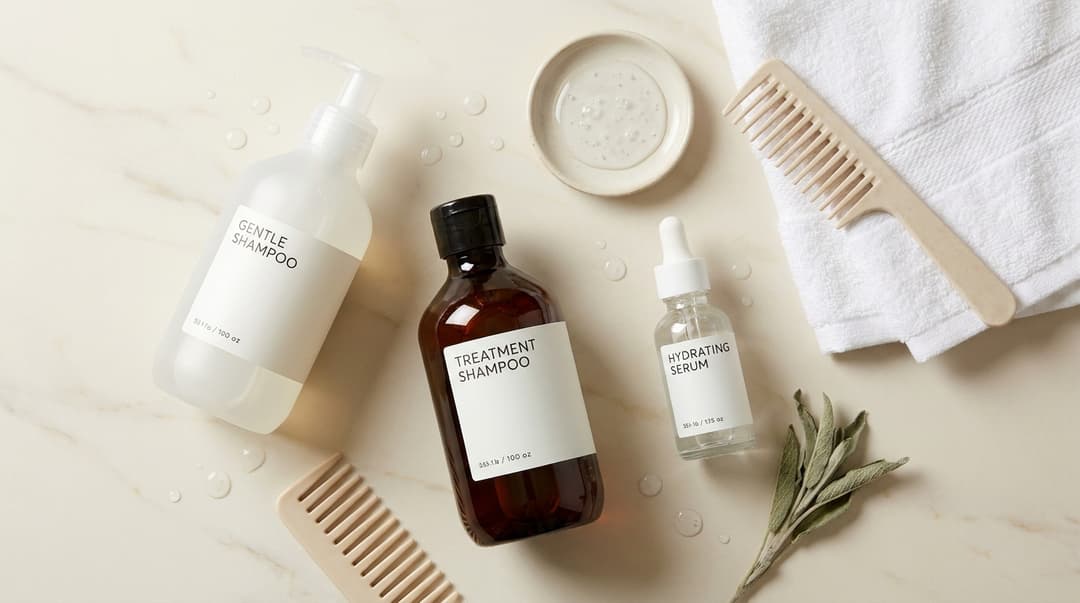
You don't need a complicated routine. For most people, these three product types cover the basics:
- Gentle shampoo: Choose this for regular washing. A well-formulated shampoo should remove oil and residue without leaving your scalp tight, burning, or intensely itchy. Sulfates aren't automatically bad, but a milder cleanser may feel better if your scalp is dry or sensitive.
- Treatment shampoo: Pick the treatment based on the problem. A clarifying formula can remove heavy styling residue, while anti-dandruff shampoos containing ingredients such as ketoconazole or selenium sulfide help manage dandruff. Salicylic acid can loosen stubborn scale. Follow the label because contact time and frequency vary.
- Leave-on scalp serum: Lightweight formulas containing ingredients such as niacinamide, panthenol, glycerin, or hyaluronic acid may help a dry scalp feel more comfortable. These are moisturizers, not proven treatments for genetic hair loss.
So, where do scalp scrubs and oils fit? Physical scrubs can be too abrasive, especially if you already have inflammation or sores. Heavy oils may also trap residue, and they don't treat dandruff at its source. If you enjoy a pre-shampoo oil on your hair lengths, keep it away from a flaky or acne-prone scalp unless your dermatologist recommends otherwise.
Introduce one new product at a time and patch test if you're sensitive. That way, if your scalp starts protesting—and wow, it can be dramatic—you'll have a better idea of what caused it.
How Should You Adjust for Oil, Dryness, or Flakes?
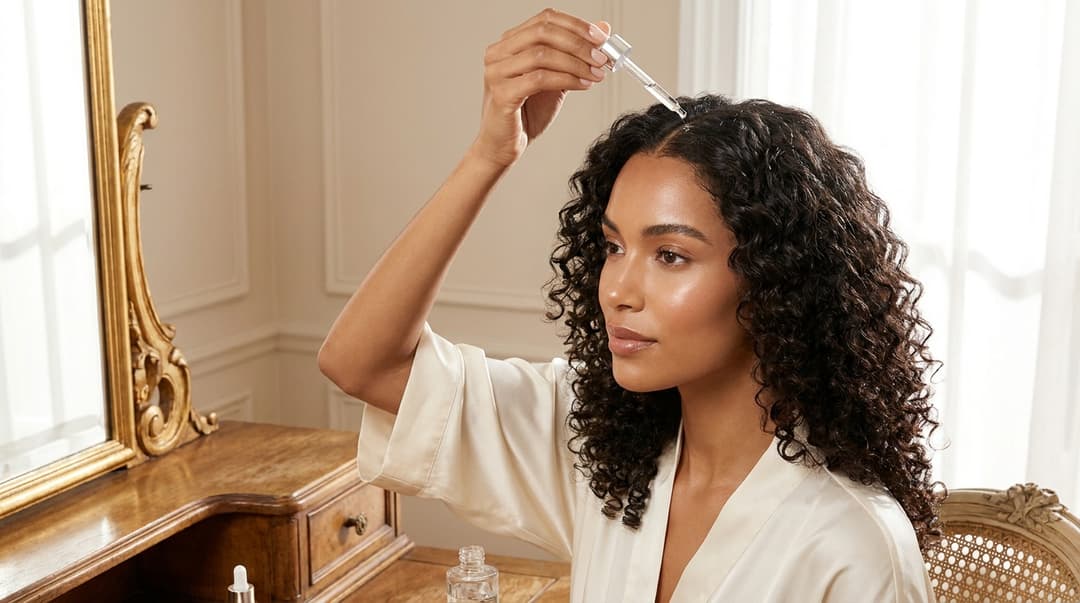
Your symptoms can point you toward the right adjustment:
- For an oily scalp: Wash a little more frequently, use a thorough but comfortable shampoo, and avoid applying conditioner or heavy oils directly to the roots.
- For product buildup: Use a clarifying treatment occasionally rather than every day. Swimmers may also benefit from a formula designed to remove mineral or chlorine residue.
- For a dry or tight scalp: Reduce very hot water, harsh scrubbing, and frequent clarifying. A gentle shampoo and hydrating scalp serum may help.
- For dandruff: Try an anti-dandruff shampoo as directed, allowing it to remain on the scalp for the labeled contact time before rinsing. Dandruff often needs ongoing management rather than a single wash.
- For a protective style: Keep accessible parts of the scalp clean, avoid excessive tension, and don't ignore pain or bumps. A style that hurts is too tight.
If your part or hairline is exposed outdoors, protect it from the sun with a hat or a sunscreen formulated for scalp use. Sunburn can happen there surprisingly fast, especially with thinning hair.
When Should You See a Dermatologist?
At-home scalp care has limits. Book an appointment with a board-certified dermatologist if you notice:
- Sudden, patchy, or rapidly increasing hair loss
- Persistent redness, burning, pain, or thick scale
- Pus-filled bumps, open sores, crusting, or bleeding
- Severe itching that doesn't improve with an appropriate treatment shampoo
- A widening part, receding hairline, or noticeably thinner ponytail
- Flaking that spreads to the eyebrows, ears, or face
These symptoms may be related to conditions such as psoriasis, seborrheic dermatitis, folliculitis, fungal infection, alopecia areata, or pattern hair loss. Getting the correct diagnosis early is far more useful than cycling through random scalp products.
The Bottom Line
The best scalp care routine for healthy hair is consistent, gentle, and tailored to what your scalp is actually doing. Cleanse often enough to control oil and buildup, massage without scratching, rinse well, and use targeted products only when there's a clear reason.
Start today by checking your scalp, washing with lukewarm water, and spending a full minute gently working shampoo around the roots. Small habits tend to beat elaborate routines here. I've found that when the scalp feels calm and clean—not stripped—the rest of hair care gets much easier, too.
For more practical beauty advice and products worth watching, sign up for Insider Beauty's weekly deals.
Want more tips and exclusive beauty deals delivered to your inbox? Pop your email in the box below and join thousands of insiders who save big every week.