
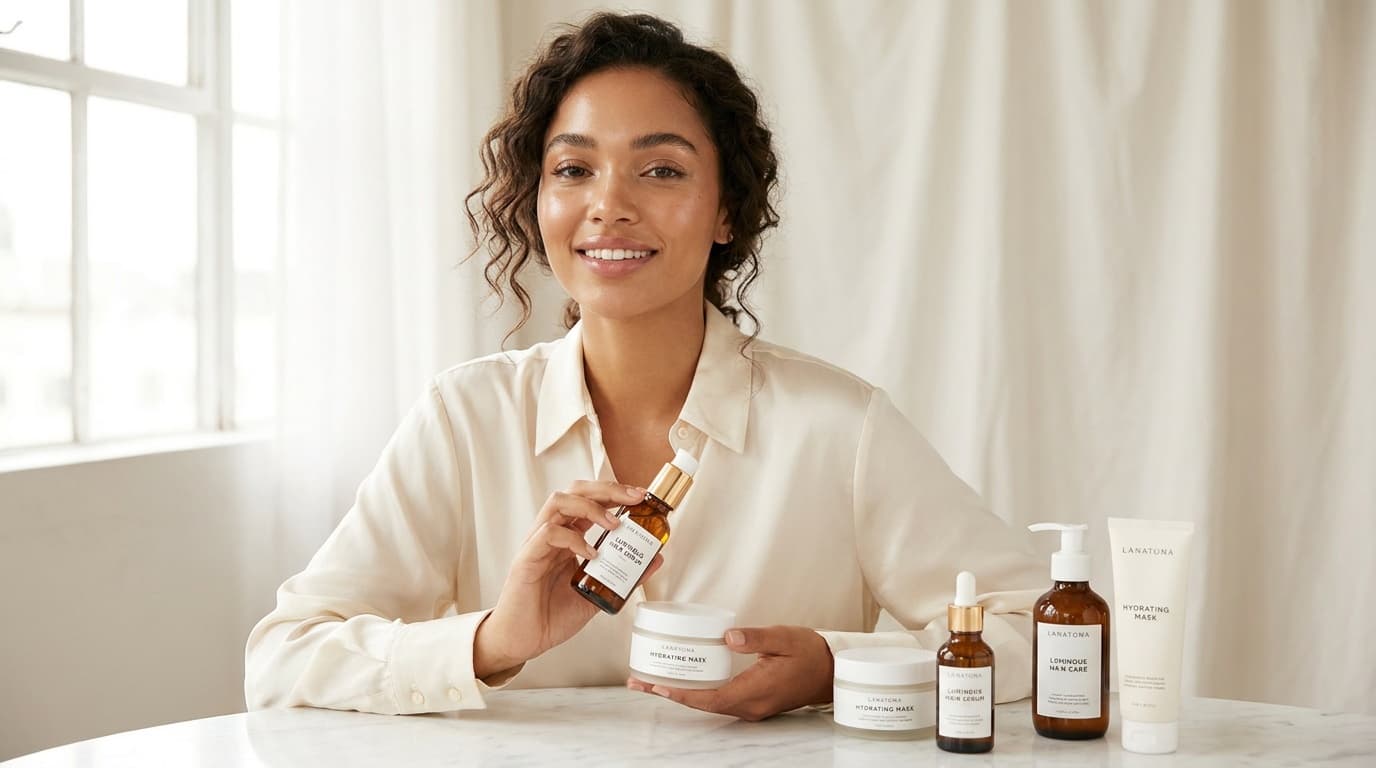
The best products for frizzy hair are usually a mix of a gentle sulfate-free shampoo, a rich conditioner or hair mask, a leave-in conditioner, and a lightweight anti-frizz serum or oil. These work because frizz often comes from dryness, lifted cuticles, heat damage, or humidity pulling moisture into the hair shaft. If you want smoother, softer hair fast, the right product combo matters more than loading on random styling creams.
Quick Takeaways
- Best overall product types: leave-in conditioner, anti-frizz serum, and deep conditioning mask
- For humid weather: silicone-based serums and humidity-blocking creams tend to work best
- For dry, damaged hair: look for glycerin, fatty alcohols, ceramides, squalane, and plant oils
- For fine hair: use lightweight sprays, milky leave-ins, and a tiny amount of serum
- For curly or thick hair: richer creams and masks usually give better frizz control
What causes frizzy hair?
Frizz happens when the hair cuticle lifts and lets outside moisture sneak in. That can happen for a bunch of reasons: dryness, bleach damage, rough towel drying, over-washing, hot tools, or plain old weather.
I've found that people often blame their hair texture when the bigger issue is actually moisture imbalance. Hair that's thirsty will grab water from humid air, swell up, and puff out. So when you're shopping for the best products for frizzy hair, you want formulas that do two things: add moisture and seal the cuticle.
Ingredients that usually help include:
- Glycerin: draws moisture into hair, though super humid weather can make it tricky for some people
- Ceramides: help support the hair barrier and reduce roughness
- Fatty alcohols: like cetyl alcohol and behentrimonium methosulfate, which soften without drying
- Silicones: such as dimethicone or amodimethicone, which smooth and block humidity
- Plant oils and butters: like argan, jojoba, shea, or avocado for softness and shine
- Proteins: useful in moderation for damaged hair, but too much can leave hair stiff
Which product types are best for frizzy hair?
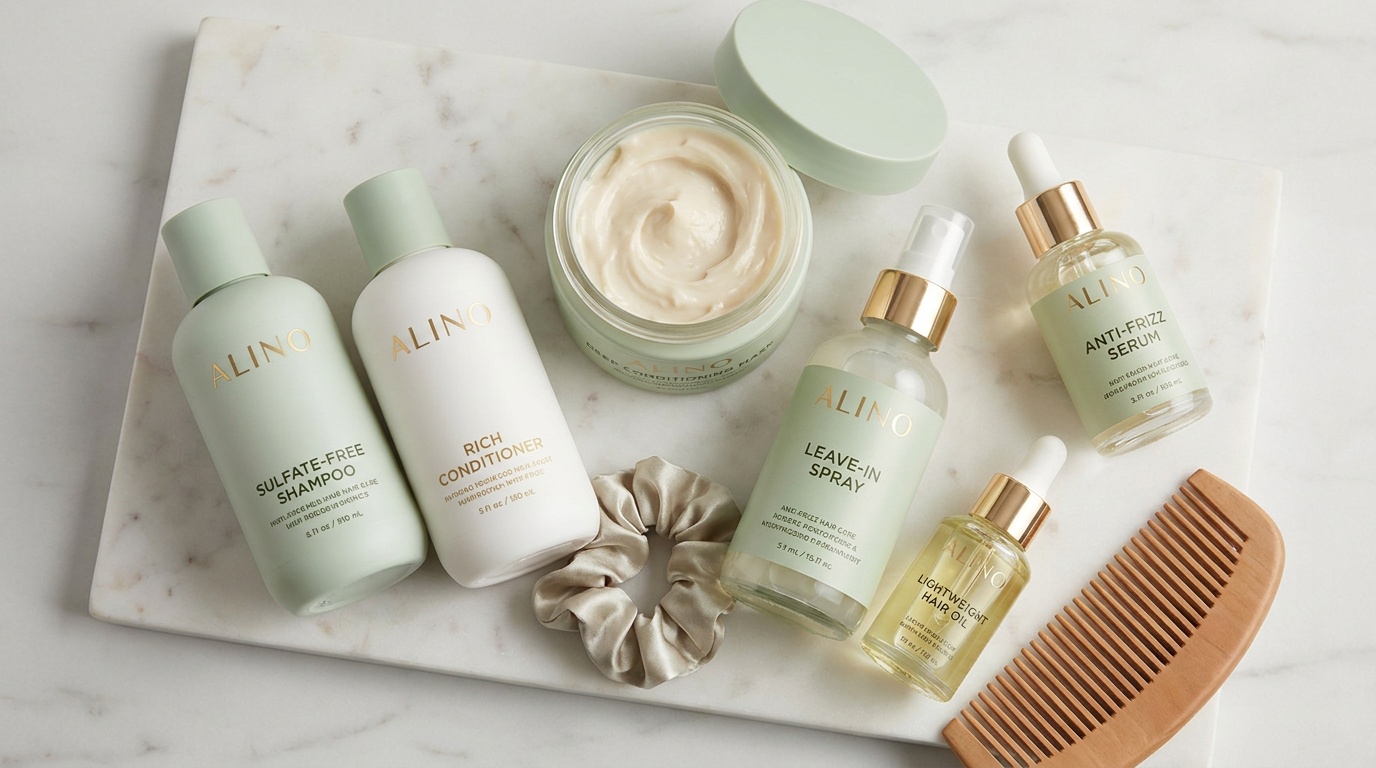
If you only want the short answer, start with these three product types:
- Leave-in conditioner for daily hydration and slip
- Anti-frizz serum or lightweight hair oil to smooth the cuticle and add shine
- Deep conditioning mask once or twice a week to repair dryness
So, yes, you can absolutely build a simple routine without buying ten different things. Honestly, most frizz routines fall apart because the products don't match the hair type.
Here are the product types worth considering:
- Sulfate-free shampoo: Better if your hair is dry, color-treated, curly, or easily puffs up after washing
- Rich conditioner: Helps flatten the cuticle and reduce tangles that lead to breakage
- Leave-in cream or spray: Great for ongoing moisture and easier styling
- Serum: Best for shine, humidity protection, and finishing
- Hair oil: Helps seal ends and soften coarse or thick strands
- Deep mask: Gives a stronger moisture hit than daily conditioner
How to choose the best products for frizzy hair by hair type
Not all frizz is the same. Fine hair frizz behaves very differently from coarse, curly, or chemically treated hair.
Fine hair
Go for lightweight formulas. Heavy butters and thick creams can make fine hair limp fast.
Look for:
- Milky leave-in sprays
- Lightweight serums
- Conditioners with panthenol, aloe, or a little silicone
Avoid overdoing oils. I've found that one drop too many can make fine hair look stringy instead of sleek.
Thick or coarse hair
This hair type usually needs richer moisture and stronger sealing ingredients.
Look for:
- Creamy leave-ins
- Hair masks with shea butter or avocado oil
- Serums with dimethicone or amodimethicone
Curly or wavy hair
Curly hair naturally frizzes more because the cuticle tends to sit less flat along the bends of the strand.
Look for:
- Leave-in conditioners with slip
- Curl creams with humectants and oils
- Masks with fatty alcohols and ceramides
Color-treated or heat-damaged hair
Damage creates rough, porous spots that let moisture move in and out too easily.
Look for:
- Bond-supporting treatments
- Protein in moderation
- Ceramides, amino acids, and smoothing serums
What ingredients should you look for in anti-frizz products?
When people search for the best products for frizzy hair, they're usually really asking: what ingredients actually work? That's the part that matters most.
Here are the ones worth seeing on the label:
- Dimethicone or amodimethicone: Smooth the hair surface and help block humidity
- Behentrimonium methosulfate: A conditioning ingredient that softens and detangles
- Cetyl alcohol or cetearyl alcohol: Fatty alcohols that moisturize and improve texture
- Argan oil or jojoba oil: Lightweight oils that add softness without feeling too greasy
- Squalane: Great for softness and shine, especially if your hair gets brittle
- Ceramides: Helpful for damaged or porous hair
- Panthenol: Supports softness and moisture retention
And a few ingredients to be careful with if your hair is already dry:
- Harsh sulfates: Can strip natural oils from fragile hair
- High alcohol styling products: Some quick-dry formulas can make frizz worse
- Too much protein: This can make some hair types feel rough or straw-like
Look, silicones get a bad rap in some clean beauty circles, but I think nuance matters. For frizz, certain silicones are incredibly effective because they literally coat the strand and reduce moisture exchange. If your hair gets poofy the second you step outside, a well-formulated serum can make a very real difference.
How to use anti-frizz products for the best results
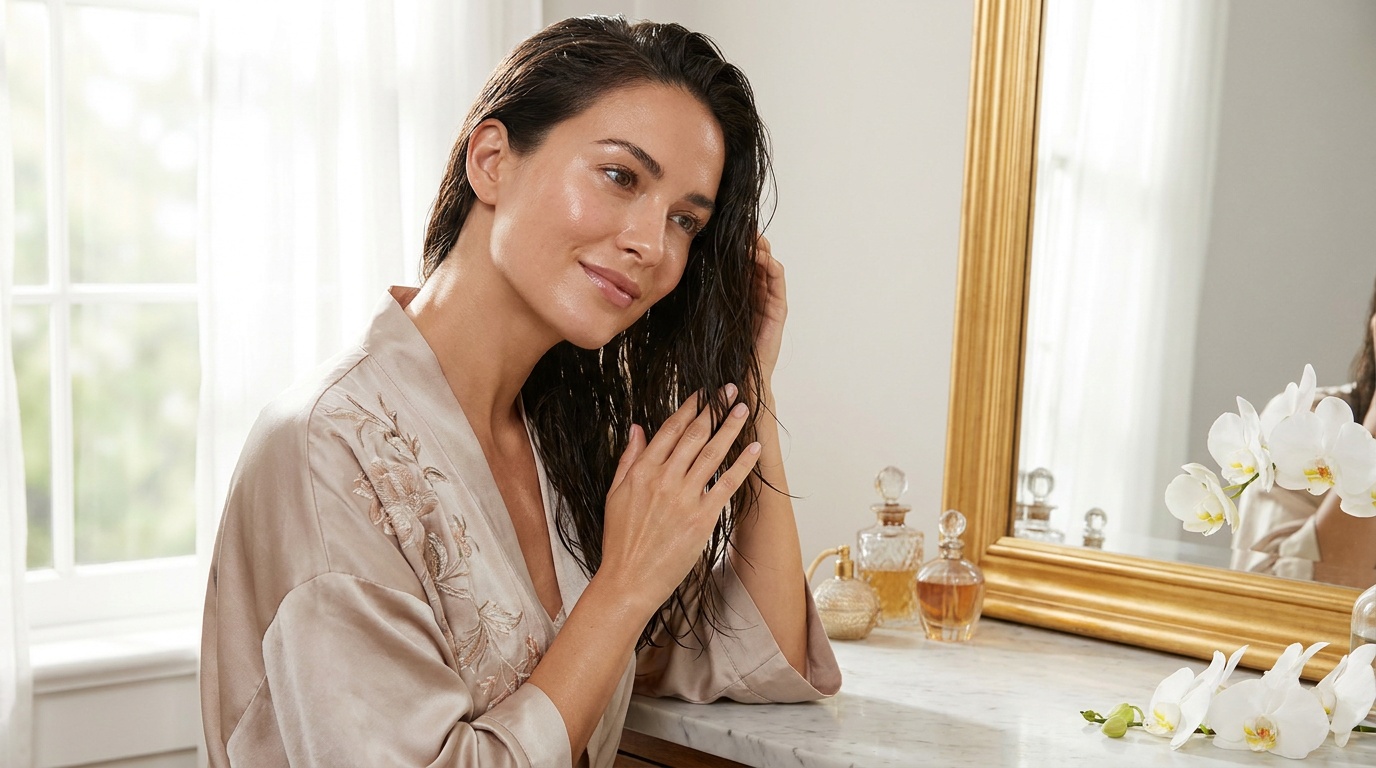
Even the best products for frizzy hair won't do much if they're used in the wrong order. Application changes everything.
Use this routine after washing:
- Gently squeeze out water with a microfiber towel or soft T-shirt
- Apply leave-in conditioner to damp hair, focusing on mid-lengths and ends
- Add a small amount of anti-frizz serum or oil over the leave-in
- Comb through with a wide-tooth comb for even distribution
- Air-dry or blow-dry with a heat protectant and a downward airflow
- Finish with a tiny bit more serum on dry ends if needed
A few everyday habits help too:
- Sleep on a satin or silk pillowcase
- Avoid rough terry cloth towels
- Don't brush dry curls unless you're going for volume
- Turn down the heat on styling tools
- Trim split ends regularly so frizz doesn't travel upward
Honestly, one of the fastest fixes is just applying product to properly damp hair, not soaking wet and not half dry. That sweet spot helps leave-ins and serums cling better.
Are natural oils enough to tame frizz?
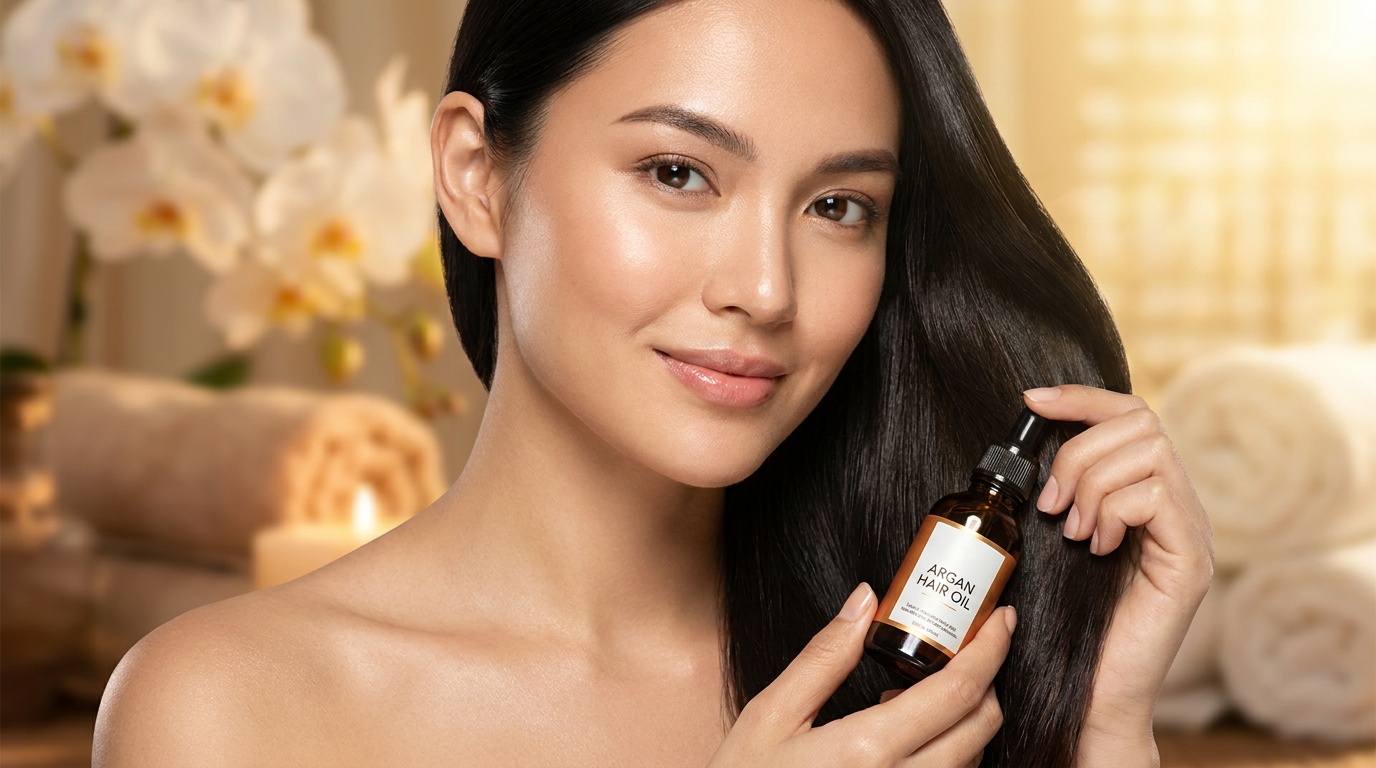
Sometimes, but not always. Natural oils can soften hair and seal the ends, but they don't always provide the same humidity shield as a serum.
If your frizz is mild, a few drops of argan, jojoba, or coconut-derived oil might be enough. If your hair frizzes aggressively in humid weather, you'll probably get better results from a formula that combines oils with film-forming ingredients or silicones.
I've found that oils are best for:
- Smoothing dry ends
- Softening coarse hair
- Adding shine after styling
- Sealing in moisture from a leave-in
They're less reliable on their own for:
- High humidity
- Severely damaged hair
- Frizz at the crown or hairline
So, if you're trying to find the best products for frizzy hair, think of oils as supportive, not always the full answer.
What mistakes make frizzy hair worse?
Sometimes the problem isn't that you need more products. It's that a few habits are undoing the products you already use.
Common mistakes include:
- Washing too often and stripping natural oils
- Using a shampoo that's too harsh for your texture
- Skipping conditioner
- Blow-drying without a nozzle attachment
- Touching hair too much while it dries
- Using too much product and causing buildup
- Applying serum only to the top layer instead of through the lengths
So if your routine isn't working, check technique before buying something new. A decent leave-in plus a good serum, used consistently, usually beats a cluttered shelf.
The Bottom Line
The best products for frizzy hair are the ones that match your texture, damage level, and climate. For most people, the smartest routine includes a sulfate-free cleanser, a nourishing conditioner or mask, a leave-in conditioner, and an anti-frizz serum or lightweight oil to seal everything in.
Look for ingredients like ceramides, fatty alcohols, silicones, squalane, and plant oils, and be careful with anything overly drying. Start simple, use products on damp hair, and adjust based on how your hair responds. That's usually when the smooth, shiny days start showing up a lot more often.
If you want more ingredient-focused picks and smart savings, sign up for Insider Beauty's weekly deals and get the good stuff sent straight to your inbox.
Want more tips and exclusive beauty deals delivered to your inbox? Pop your email in the box below and join thousands of insiders who save big every week.