
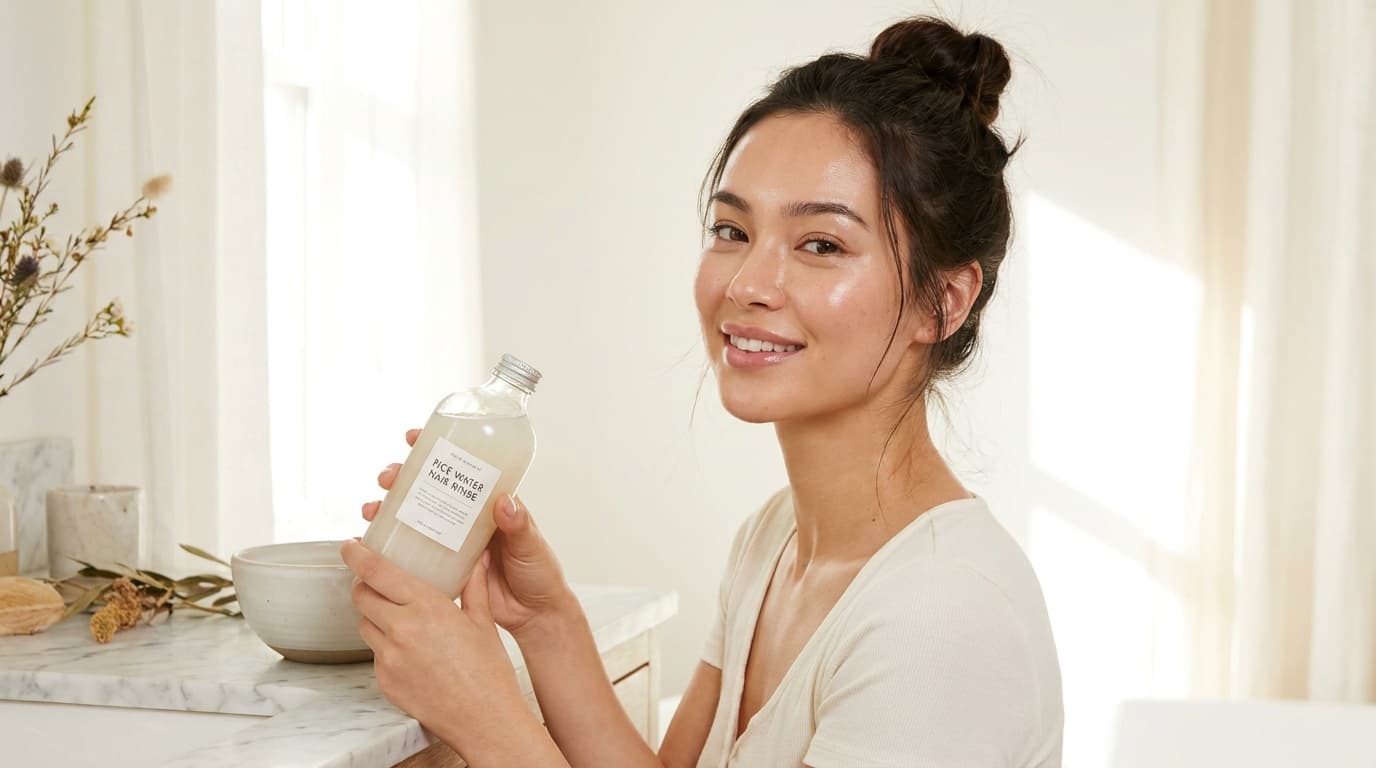
Rice water for hair growth can help support longer-looking, stronger hair by reducing breakage, smoothing the cuticle, and keeping the scalp in better shape. It won't magically speed up your genetics overnight, but used the right way, it may help hair retain length because strands snap less and feel healthier.
Quick Takeaways
- Rice water for hair growth works best as a supportive treatment: It may strengthen strands, reduce breakage, and improve shine.
- The starch, amino acids, and antioxidants matter: These can coat the hair shaft and help hair feel smoother and more resilient.
- Use it 1-2 times a week: Too much can leave hair stiff, dry, or protein-overloaded, especially on low-porosity hair.
- Apply it to scalp and lengths for 5-20 minutes: Then rinse well and follow with a moisturizing conditioner or hair mask.
- Patch test and watch your hair's response: Fine, curly, color-treated, and damaged hair may all react a little differently.
Does rice water for hair growth actually work?

Yes, rice water for hair growth may help indirectly, mostly by making hair less likely to break before it gets longer. That's the key distinction. Hair growth starts at the follicle, but what most people really want is to keep the length they grow. I've found that when a rinse improves softness and cuts down on tangles, hair just survives wash day better.
Rice water contains starch, small amounts of amino acids, B vitamins, minerals, and antioxidants. One compound people talk about a lot is inositol, a carbohydrate linked to improved hair flexibility in some lab discussions around hair care. The research on rice water itself is still limited, so I wouldn't call it a miracle. But as a simple DIY rinse, it can make sense if your hair is breaking, frizzing, or feeling rough.
So, if you're asking whether rice water can make hair grow faster, the honest answer is: probably not dramatically. If you're asking whether it can help you retain more length over time, possibly, yes.
What does rice water do for hair and scalp?
Rice water is basically water infused with rice starch and water-soluble nutrients. That gives it a few practical benefits.
- Helps reduce breakage: The coating effect can make strands feel stronger and less rough.
- Adds slip and shine: Hair often feels smoother, which can mean less friction during detangling.
- Supports a healthier scalp environment: A clean, calm scalp is always better for growth retention.
- May improve hair's appearance fast: Even after one use, hair can look glossier and a bit fuller.
- Can tame frizz temporarily: Especially helpful in humid weather or after heat styling.
Honestly, the biggest win is often manageability. Less snagging, less snapping, less dryness at the ends. That's where a lot of "growth" progress gets lost.
How to make rice water for hair growth at home
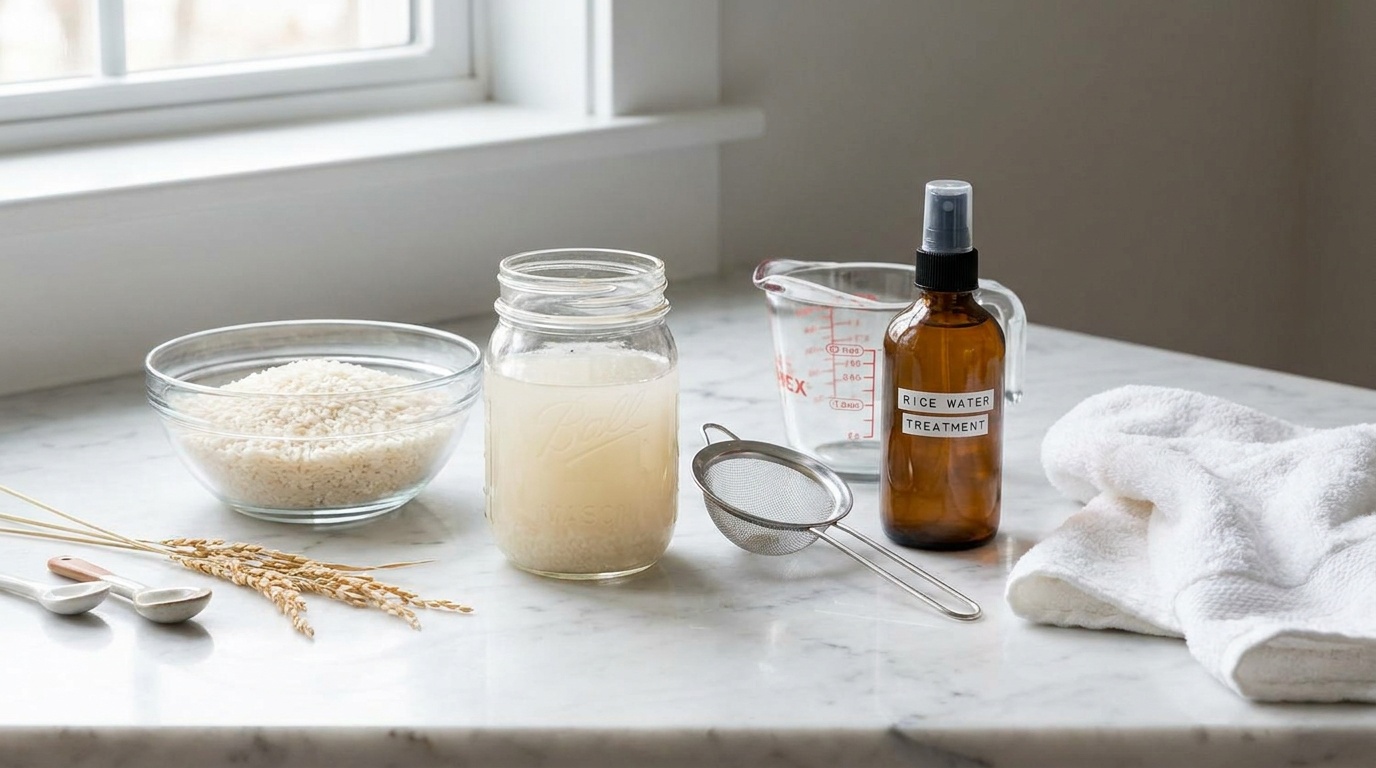
You don't need anything fancy. Plain white rice works well, and brown rice can work too, though it may smell stronger when fermented.
- Rinse 1/2 to 1 cup of uncooked rice quickly to remove surface dirt.
- Add the rice to 2-3 cups of water in a bowl or jar.
- Let it soak for 30 minutes, stirring once or twice.
- Strain the liquid into a clean container.
- Use it right away, or leave it at room temperature for 12-24 hours if you want fermented rice water.
- Once it smells slightly sour, refrigerate it and use within 5-7 days.
- Before applying, dilute fermented rice water with plain water if it feels too strong for your hair.
I've found that simple soaked rice water is easier for beginners. Fermented versions can feel more potent, but they can also be more drying or irritating if your scalp is sensitive.
How to use rice water on hair the right way
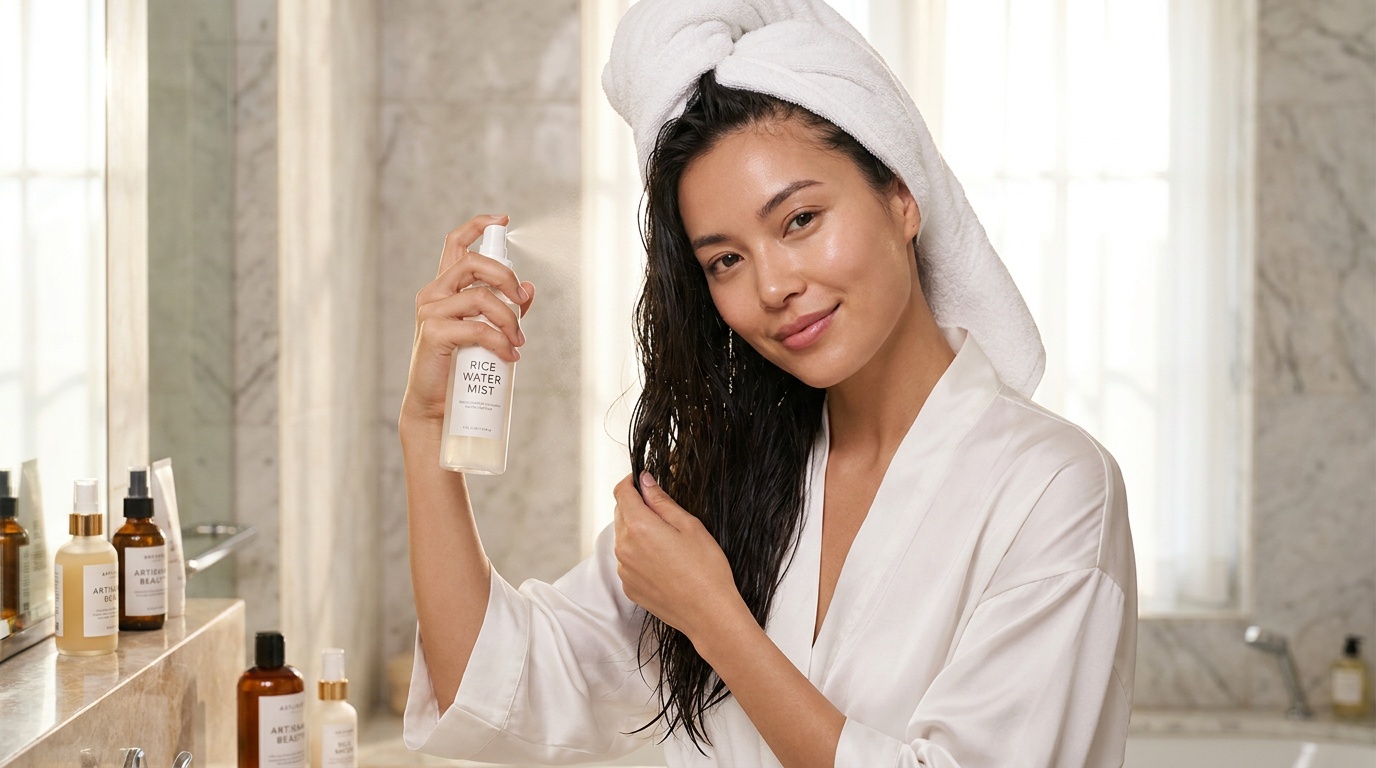
The best method depends on your hair type, but the general routine is pretty straightforward.
- Shampoo your hair first so the rice water can contact the scalp and strands better.
- Pour or spray rice water onto your scalp and through mid-lengths to ends.
- Massage gently for 1-2 minutes.
- Leave it on for 5-20 minutes.
- Rinse thoroughly with lukewarm water.
- Follow with a moisturizing conditioner or deep conditioning mask.
- Repeat 1-2 times per week, not daily.
A few practical tips:
- For dry or curly hair: Keep the treatment shorter, around 5-10 minutes, then always follow with a rich conditioner.
- For fine hair: Use a lighter application so it doesn't leave buildup or stiffness.
- For oily scalp types: Focus a bit more on the scalp, but still rinse really well.
- For damaged or color-treated hair: Start once a week and watch for dryness.
Look, rice water is not one of those "more is better" things. If your hair starts feeling straw-like, coated, or oddly hard, pull back.
Who should try rice water and who should skip it?
Rice water can work well for a lot of people, but not every scalp loves DIY treatments.
You may like it if you have:
- Breakage from heat styling or rough detangling
- Dull hair that needs shine
- Frizz-prone strands
- Fine hair that needs light strengthening
- A healthy scalp with no active irritation
You may want to skip or be cautious if you have:
- A very sensitive scalp
- Eczema, psoriasis, or active scalp inflammation
- Very low-porosity hair that gets stiff easily
- Protein-sensitive hair
- Heavy product buildup already on the scalp
I've seen people assume every natural remedy is automatically gentle, and yeah, not always. Even simple ingredients can irritate skin or throw off your balance if overused. A patch test behind the ear or along the scalp line is worth the extra minute.
What mistakes make rice water backfire?
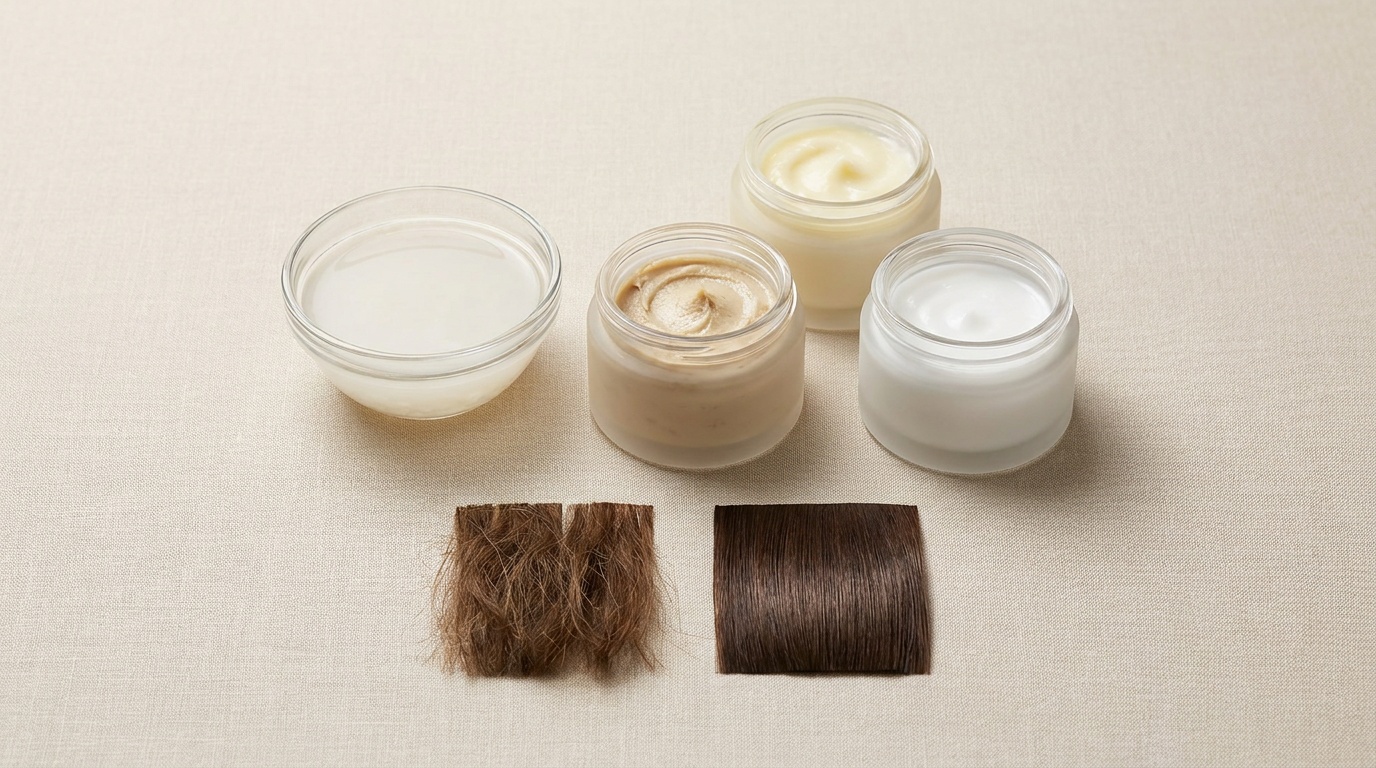
This is where things usually go sideways. Rice water can be helpful, but only if you avoid the common mistakes.
- Using it too often: More than 2 times a week can dry out some hair types.
- Leaving it on too long: Longer isn't always better. Twenty minutes is usually plenty.
- Skipping moisture afterward: Rice water can feel strengthening, but your hair still needs hydration.
- Using overly fermented rice water: If it smells really intense, dilute it or toss it.
- Applying to a dirty scalp: Buildup can block the treatment from doing much.
- Ignoring your hair type: Curly, bleached, and low-porosity hair often need a gentler approach.
So, if your hair feels rough after trying it, pair back the frequency and follow with a leave-in conditioner or a nourishing mask. That usually helps rebalance things.
What else helps hair grow longer besides rice water?
Rice water works best as part of a bigger routine, not as the whole strategy. If your goal is visible length retention, these habits matter just as much.
- Trim split ends before they travel upward and cause more breakage.
- Use a gentle scalp scrub or clarifying shampoo occasionally to remove buildup.
- Massage your scalp for a few minutes several times a week to support circulation.
- Limit high heat and always use a heat protectant.
- Sleep on a silk or satin pillowcase to reduce friction.
- Eat enough protein, iron, zinc, and omega-3 fats for overall hair health.
- See a dermatologist if you're noticing sudden shedding, thinning patches, or scalp pain.
Honestly, this is the stuff that tends to move the needle. A healthy scalp, less friction, enough moisture, and fewer broken ends. That's the boring answer, but it's usually the real one.
The Bottom Line
Rice water for hair growth is best thought of as a length-retention treatment, not a miracle growth hack. It may help hair look fuller, shinier, and stronger by reducing breakage and improving manageability, especially when used 1-2 times a week with a good conditioner or hair mask.
If you want to try it, start simple: make a small batch, use it after shampooing, leave it on for 5-10 minutes, and see how your hair responds. That's usually the sweet spot.
And if you want more ingredient-focused tips, plus smart savings on beauty finds, sign up for Insider Beauty's weekly deals.
Want more tips and exclusive beauty deals delivered to your inbox? Pop your email in the box below and join thousands of insiders who save big every week.