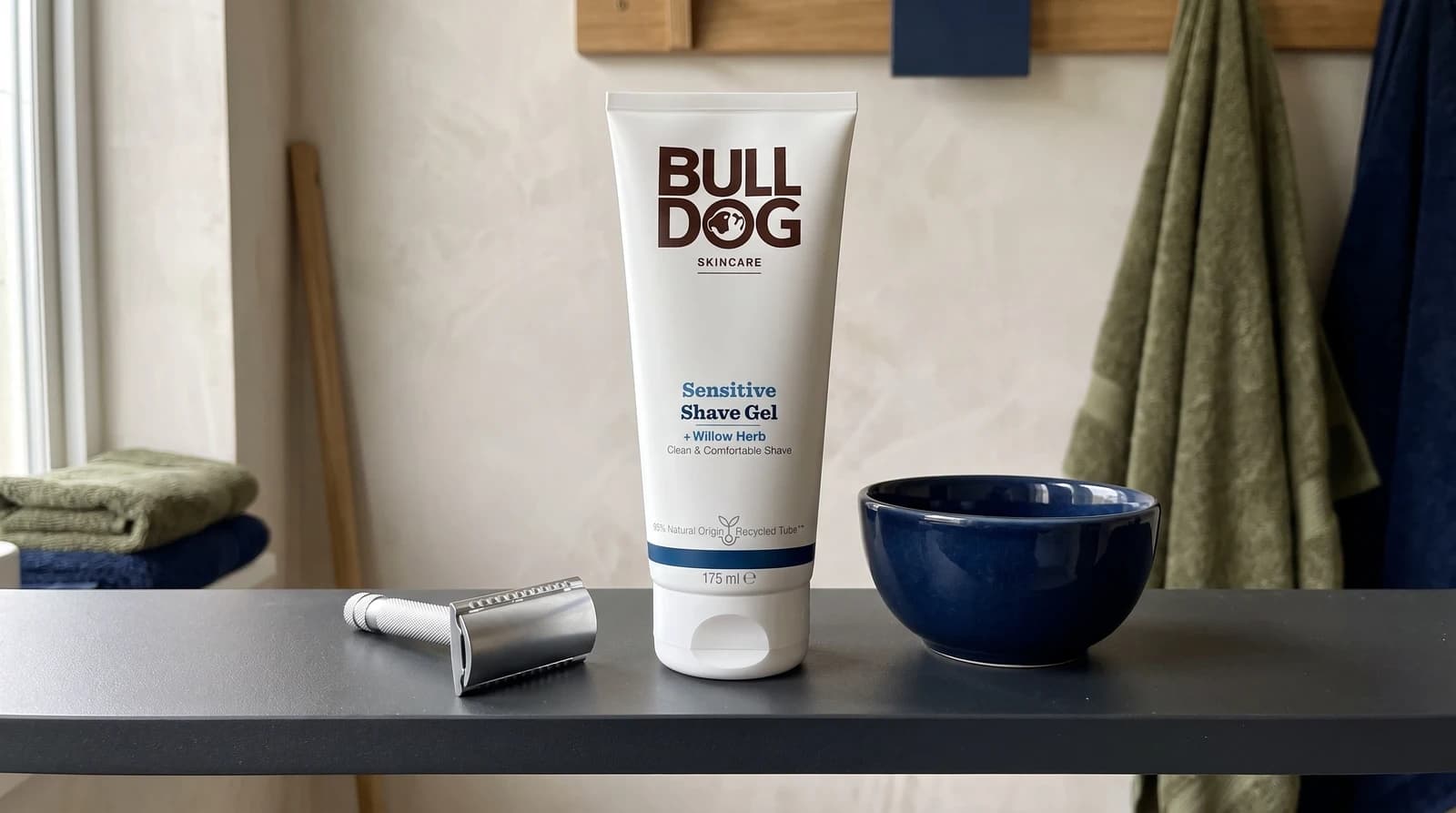
A comfortable shave may mean accepting a little visible stubble. That's a practical trade I'd consider before another round of products promising a smoother finish.
Check that you're addressing the right problem
Ingrown hairs can produce itchy, raised bumps, sometimes with a trapped hair visible. They are more likely with coarse or curly hair. Redness can be less obvious on darker skin, so colour alone isn't a reliable way to decide how irritated an area is. Those are features described by the NHS, not a diagnosis of every bump after shaving.
Don't pick or squeeze the bumps. The NHS warns that doing so can damage the skin and lead to infection. A pharmacist can advise on irritation and suitable products; recurrent or more severe symptoms deserve medical attention.
I'd make a note of where the problem occurs: the entire shaved area, a particular neck patch, or just the boundary you keep tidying. That gives a clinician a clearer description if you need advice, and helps you notice which part of the shave you're repeatedly going over.
Work out the direction of growth
Facial hair does not necessarily point downwards everywhere. The AAD advises identifying the direction in each area and shaving with it. The stroke that follows growth on your cheek may cut against it under your jaw. AAD razor-bump prevention.
I'd check the direction in good light before beginning. Don't stretch the skin taut while shaving to chase a closer result. The AAD's more detailed guidance advises avoiding both stretching the skin during shaving and plucking hairs out of bumps. AAD razor-bump remedies.
This is a more useful change to test than buying a sharper-looking razor and keeping the same repeated passes across the same patch.
Prepare the hair and keep the passes light
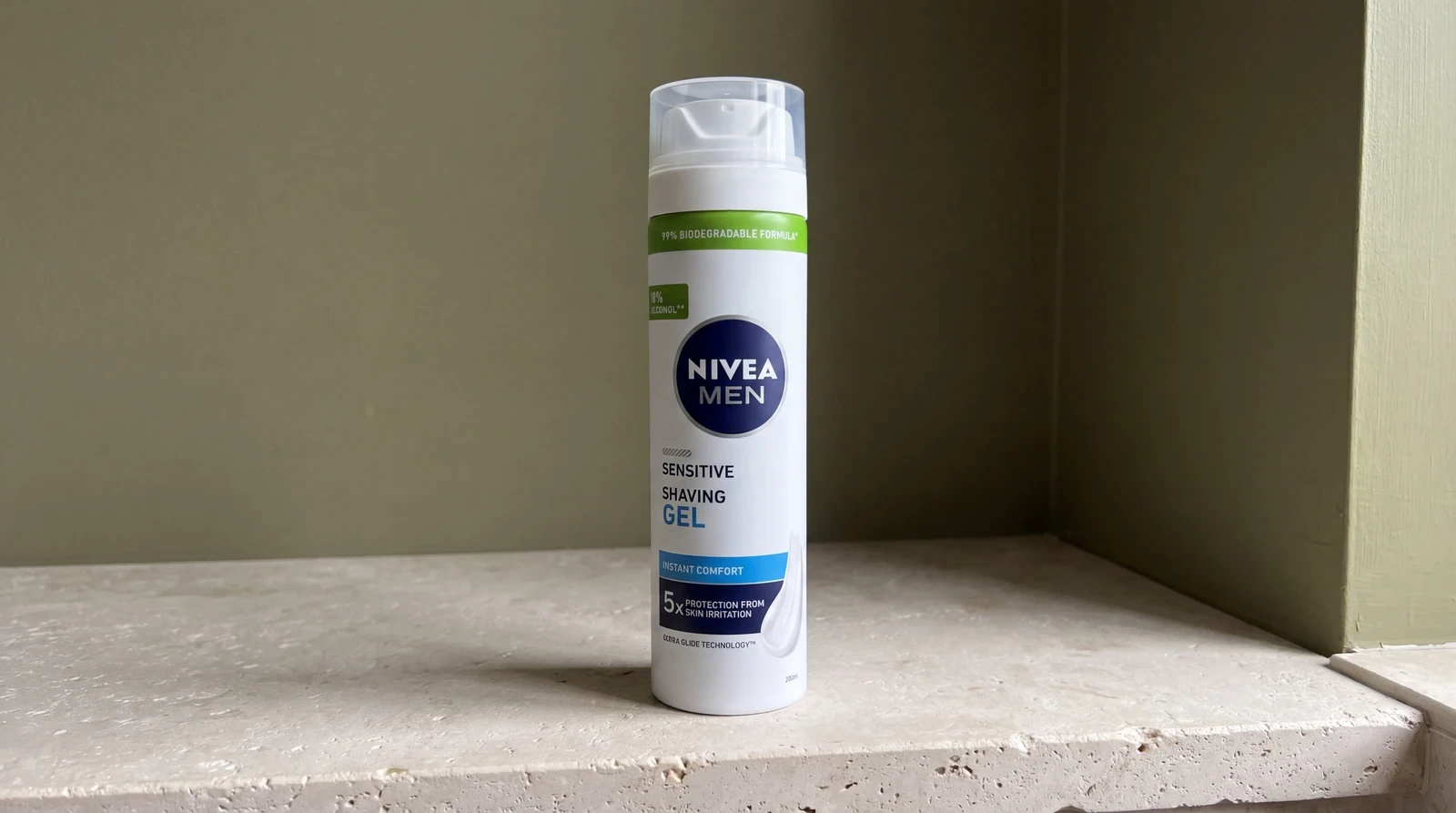
The AAD recommends wetting skin and hair before shaving, using shaving cream or gel, and rinsing the razor after each swipe. Shaving after a shower is one way to do that preparation. It also advises replacing disposable razors or blades after five to seven shaves and storing them somewhere dry. AAD shaving instructions.
I'd stop repeatedly checking a sore patch for the last trace of roughness. If the aim is less irritation, a perfectly smooth feel in every direction may be the wrong target for that morning.
For an electric device, use its own instructions. A tool designed for dry use should not automatically receive shaving gel because a general wet-shaving guide mentions it. Wet-and-dry labels, cleaning instructions and replacement heads are model-specific details.
How often to shave is less straightforward
You can find apparently conflicting advice here. The NHS advises avoiding daily shaving if possible. The AAD's guidance aimed at men with darker skin and razor bumps describes regular shaving, daily or every two to three days, as part of a specific technique intended to limit hairs curling back into the skin.
I wouldn't merge those into a rule that everyone should shave more often, or tell everyone to follow one fixed interval. The sources address the problem with different practical approaches. Both place limits on closeness and irritation. If recurrent bumps make it difficult to find a routine, ask a clinician what makes sense for your hair and skin.
Stopping shaving is another option discussed by both organisations when it is practical. It isn't the same as simply waiting a day and then repeating an uncomfortable close shave.
Keep the surrounding skincare uncomplicated
I'd avoid turning the same week into a trial of a new razor, scrub, fragranced balm and acid serum. If something makes the skin less comfortable, several simultaneous changes give you little help identifying it.
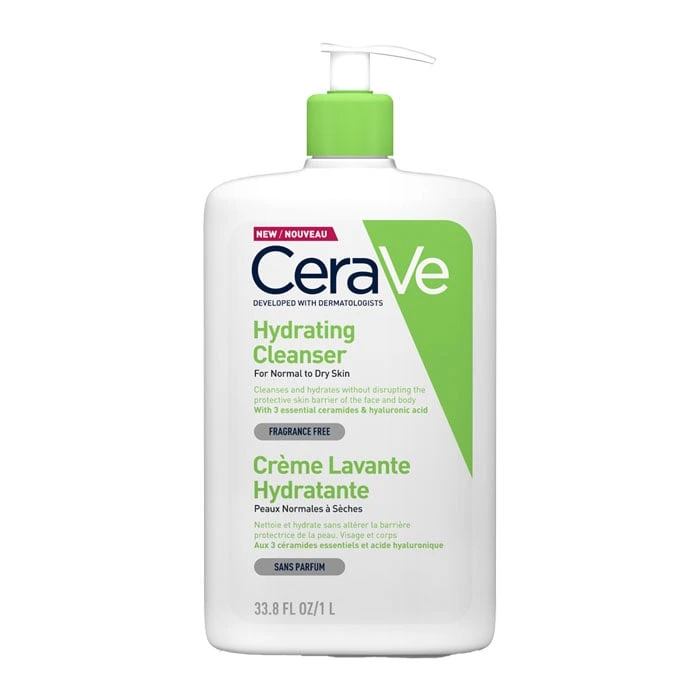
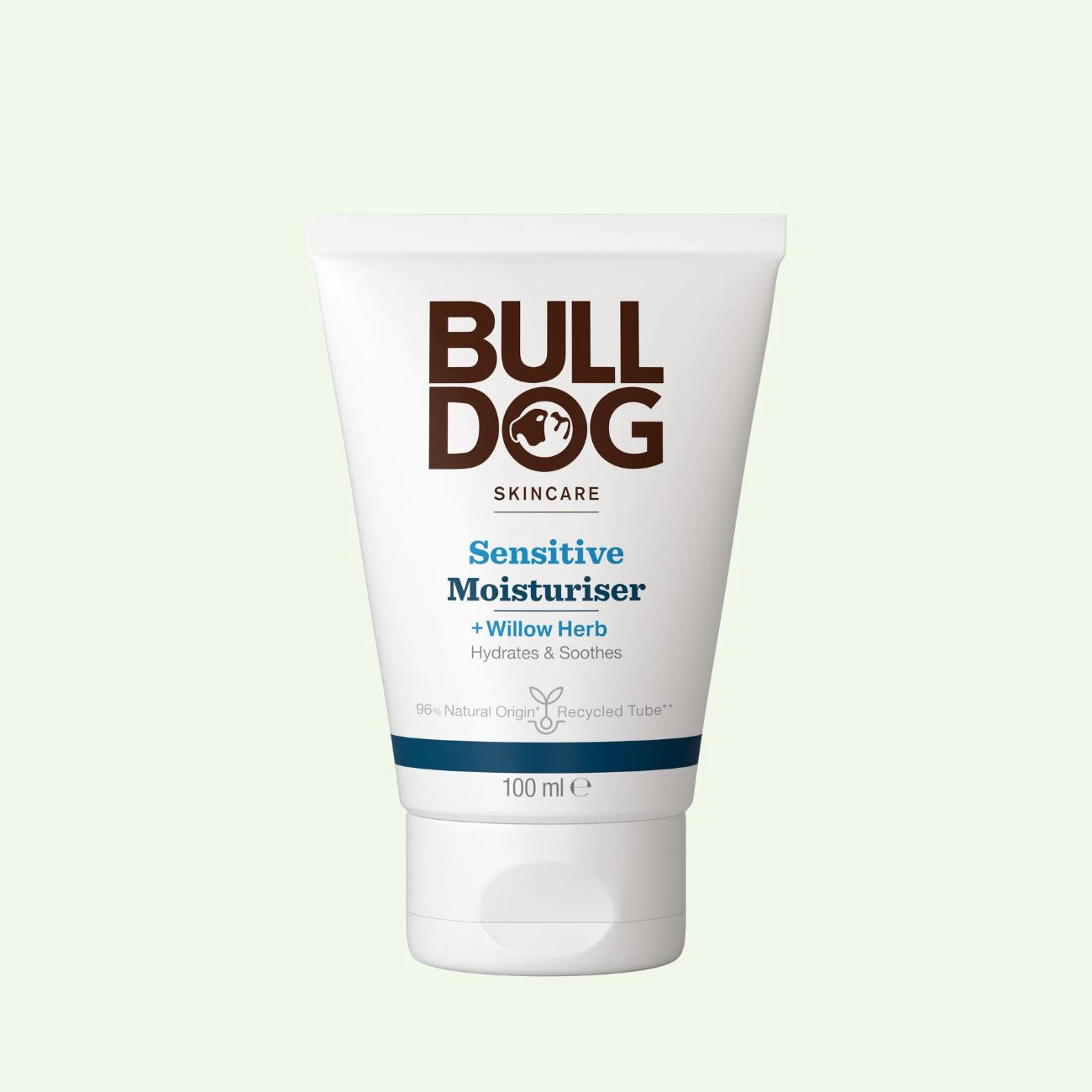
For sensitive skin, the AAD recommends mild, fragrance-free products. Read the ingredient list rather than relying on the word Sensitive. Our shaving-product shortlist shows why: the three products use that positioning, but they don't all leave out fragrance. AAD skincare advice.
Exfoliation also needs some judgment. The NHS mentions exfoliating products, and pharmacists can advise on them. That doesn't justify scrubbing an already painful area harder or adding several exfoliants at once. Ask for help if you're unsure which product is appropriate.
Know when the next step is help
Persistent razor bumps can leave lasting changes to the skin. The AAD recommends seeing a dermatologist if adjusting shaving habits doesn't resolve them. A clinician can distinguish ingrown hairs from other causes of bumps and choose treatment for the actual problem.
Seek GP advice promptly for a very painful, hot or swollen area, or an ingrown hair accompanied by a high temperature, chills or feeling very unwell, as the NHS advises. Don't try to release a trapped hair with a needle at home.
Bring the names of the shaving tool and products you use, and explain the pattern you've noticed. Include how often you shave and whether the bumps improve when you leave some stubble.
Sources and scope
This guide draws on the NHS and AAD pages linked beside the advice, checked on 29 October 2026. It provides general shaving guidance and identifies a real difference between published recommendations. It is not a diagnosis or a personalised treatment plan.