
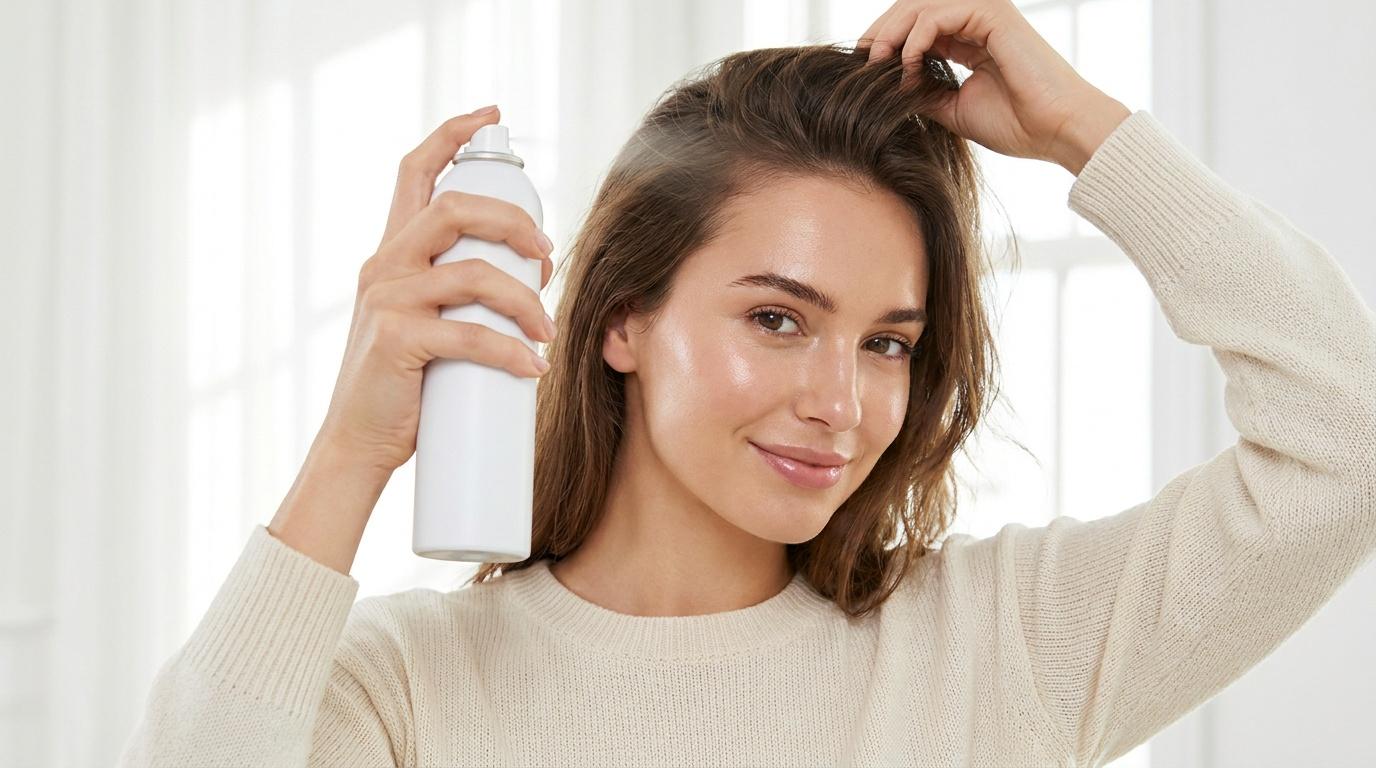
To learn how to use dry shampoo the right way, apply a small amount to dry roots from 6 to 10 inches away, let it absorb oil for two to five minutes, then massage and brush it through. This gives the starches or powders time to soak up sebum, helping you avoid the chalky, stiff finish that comes from spraying too much and blending too soon. Here's exactly how to do it.
I punti essenziali
- Apply dry shampoo only where your roots look or feel oily, rather than coating your entire head.
- Hold aerosol formulas 6 to 10 inches away and use short, controlled bursts.
- Wait two to five minutes before massaging, brushing, or styling your hair.
- Knowing how to use dry shampoo the right way can reduce white residue and unnecessary scalp buildup.
- Dry shampoo refreshes hair between washes, but it doesn't actually cleanse your scalp with water and surfactants.
How Does Dry Shampoo Work?
Dry shampoo works by depositing oil-absorbing ingredients onto the hair and scalp. Depending on the formula, those ingredients may include rice starch, corn starch, tapioca starch, silica, clay, or finely milled powders. They bind to some of the sebum around your roots, making hair look less greasy and often adding a little texture and volume.
Aerosol dry shampoos usually combine absorbent powders with alcohol and propellants, which help distribute the formula in a fine mist. Loose powder versions skip the aerosol and offer more precise application, while dry shampoo foams use a mousse-like texture that dries down after being worked through the roots.
Look, dry shampoo isn't shampoo in the traditional sense. It doesn't remove sweat, dead skin, pollution, styling products, or microorganisms the way washing and rinsing can. Think of it as an oil-control and styling product, not a replacement for cleansing.
How Do You Use Dry Shampoo Step by Step?
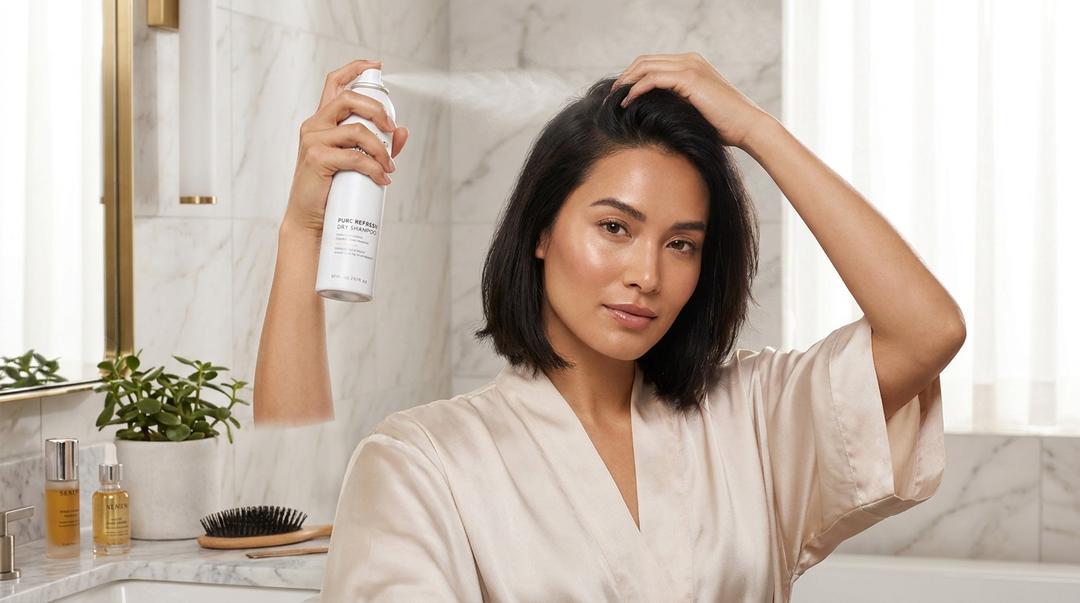
The best technique is targeted, light-handed, and patient. I've found that most dry shampoo mishaps happen because we spray until the hair already looks white, then immediately start rubbing. By that point, there's usually far more product than the roots need.
Start with completely dry hair. Unless you're using a foam specifically designed for damp hair, standard dry shampoo should go onto dry roots. Water can make powders clump and leave uneven residue.
Brush out tangles first. This makes it easier to section your hair and distribute the product later without tugging.
Divide your hair into sections. Create sections around the hairline, crown, temples, and anywhere oil tends to show. Sections about one to two inches wide are usually enough.
Aim at the roots. Hold an aerosol can 6 to 10 inches from your head and spray in short bursts. For loose powder, tap a tiny amount onto the roots with the applicator or a clean makeup brush.
Use less than you think you need. Apply a light layer, then add more only if the area still looks greasy after blending. Saturating your scalp won't make the product work better.
Wait two to five minutes. This pause gives the absorbent ingredients time to interact with oil. If your roots are particularly greasy, you can wait closer to five minutes.
Massage and blend. Use clean fingertips to gently massage the roots. You can also use a brush or a cool-air blow-dryer to spread the product and remove visible excess.
Style as usual. Once the residue is blended, fluff the roots with your fingers, add a loose wave, or pull your hair into a ponytail. The added texture can make styles hold better.
For very dark hair, apply especially small amounts and blend with a boar-bristle or mixed-bristle brush. A tinted powder may also be easier to disguise, though you'll want to protect light clothing and pillowcases from transfer.
When Should You Apply Dry Shampoo?

You can apply dry shampoo in the morning when your roots need refreshing, but using it before bed can work even better. The product has several hours to absorb oil, and normal movement against your pillow helps distribute visible powder. I often wake up with softer, more natural-looking volume than I get from a rushed morning application.
Dry shampoo is particularly useful:
- After a workout, once your scalp and hair are fully dry
- On the second or third day after washing
- Before creating braids, updos, or curls that need extra grip
- Before bed if your roots tend to become oily overnight
- On clean hair when you want subtle volume and texture
If your scalp is sweaty after exercise, let it air-dry or use a blow-dryer on the cool setting first. Applying powder directly over sweat can create a sticky paste, which is, honestly, not the fresh-root effect anyone is after.
You can also use dry shampoo proactively. A small amount applied before your hair looks visibly oily may absorb sebum as it's produced. Just keep the layer sheer so you don't end up stacking product on your scalp all day.
Which Type of Dry Shampoo Is Best for Your Hair?
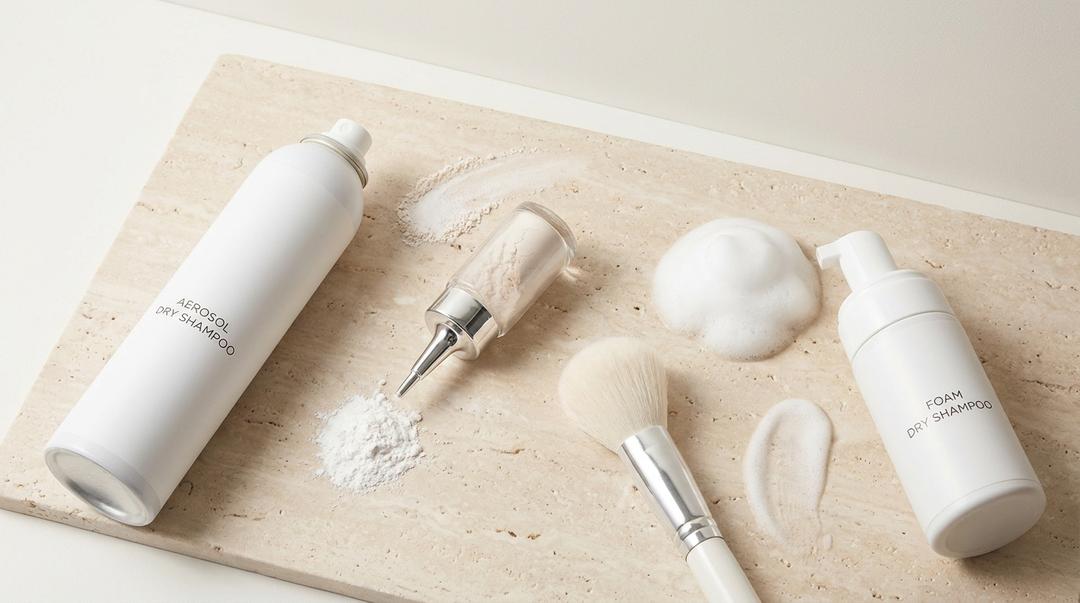
The best formula depends on your hair texture, oil level, color, and preferred application method. There's no single type that works perfectly for everyone.
- Aerosol dry shampoo: This is quick, lightweight, and easy to spread across a larger area. It's useful for fine or straight hair, but spray it in a ventilated space and avoid inhaling the mist.
- Loose dry shampoo powder: This offers precise placement and strong oil absorption. It can work well for very oily roots, thick hair, or anyone who wants a non-aerosol option, though it's easier to overapply.
- Dry shampoo foam: This can refresh curls, coils, bangs, and thicker textures without leaving as much dusty residue. Follow the label carefully, since some foams are meant to be worked through hair and then dried.
For fine hair, look for lightweight starch-based formulas and keep product away from the mid-lengths, where it may flatten movement. For curly or coily hair, apply to the scalp in sections and massage gently without brushing through the curl pattern. A blow-dryer with a diffuser on low or cool can help finish the job.
If your hair is color-treated, check that the formula is intended for colored hair. And if fragrance bothers you, fragrance-free powders are available and may feel more comfortable on a sensitive scalp.
How Often Can You Use Dry Shampoo Without Buildup?
There's no universal schedule, but many people do well using dry shampoo for one or two days between regular washes. Your ideal frequency depends on how oily your scalp gets, how much you sweat, and whether you use other styling products. If your scalp feels itchy, gritty, tender, or coated, it's time to wash rather than add another layer.
Common mistakes that can contribute to buildup include:
- Spraying the same areas several days in a row without cleansing
- Applying product all over the lengths instead of targeting oily roots
- Holding an aerosol can too close to the scalp
- Skipping the two-to-five-minute absorption time
- Scratching aggressively to blend the product
- Using dry shampoo over a wet or sweaty scalp
Regular shampoo removes most residue, but people who use lots of dry shampoo, hairspray, or texturizing products may benefit from an occasional clarifying shampoo. For many hair types, that might mean once every one to four weeks, though dry, curly, bleached, or sensitive hair may need clarifying less often. Follow with conditioner on the mid-lengths and ends.
So, pay attention to your scalp rather than following a rigid rule. Flaking, persistent redness, soreness, pimples, or worsening itchiness are signs to pause use. If symptoms continue after washing, a dermatologist can help rule out dandruff, contact dermatitis, folliculitis, or another scalp condition.
Il nostro consiglio
The key to how to use dry shampoo the right way is simple: target oily roots, apply a light layer from the proper distance, wait a few minutes, and blend thoroughly. Dry shampoo can stretch the time between washes and add useful volume, but it shouldn't replace regular scalp cleansing.
Honestly, the waiting step makes the biggest difference. Give the formula time to work before deciding you need more, and you'll usually get cleaner-looking roots with less residue.
Want more practical hair tips and genuinely good beauty buys? Sign up for Insider Beauty's weekly deals for editor-picked savings delivered to your inbox.
Vuoi altri consigli e offerte beauty esclusive nella tua casella di posta? Inserisci l’e-mail qui sotto e unisciti alle migliaia di lettori che ogni settimana trovano occasioni per risparmiare.