
Knowing when to throw away expired makeup comes down to two things: how long it has been open and whether its smell, color, texture, or performance has changed. Discard makeup immediately if it smells off, has separated permanently, changes color, causes irritation, or was used during an eye or skin infection—even if the package says it should still be good.
Das Wichtigste auf einen Blick
- Mascara and liquid eyeliner need frequent replacement: Mascara generally lasts about three months after opening, while liquid eyeliner may last three to six months.
- Texture and odor matter: Toss makeup that smells unusual, looks discolored, dries out, becomes lumpy, or separates and won't blend back together.
- Water-based formulas expire sooner: Liquid foundation, concealer, and cream blush usually have shorter shelf lives than dry powders.
- The PAO symbol is your guide: The open-jar icon marked 6M, 12M, or 24M tells you how many months a product should last after opening.
- Storage affects safety: Heat, humidity, dirty fingers, and shared applicators can introduce microbes or weaken preservatives faster.
When Should You Throw Away Expired Makeup?
You should throw away makeup once it passes its recommended period after opening, develops signs of contamination, or can no longer be applied hygienically. A printed date isn't the only factor. How you use and store the formula matters, too.
Most cosmetics display a Period After Opening, or PAO, symbol. It looks like a small open jar with a number and the letter M. For example, 12M means the product is intended to be used within 12 months of opening. I've found that writing the opening month on the bottom of the container with a fine-tip permanent marker is much easier than trying to remember when I bought it.
There are also a few situations where the normal timeline no longer applies. Throw a product away right away if:
- You used it while you had conjunctivitis, a stye, a cold sore, or an active skin infection.
- Someone else used it, especially an eye or lip product applied directly from the container.
- The packaging cracked, leaked, or no longer closes securely.
- Water or another product was added to change the consistency.
- The applicator fell on an unclean surface and can't be properly washed or replaced.
Look, expiration guidelines aren't designed to bully you into replacing a barely used lipstick. They're there because repeated exposure to air, fingers, brushes, and skin can introduce bacteria, yeast, or mold. Preservatives help control that growth, but they don't work indefinitely.
What Are the Signs Makeup Has Gone Bad?
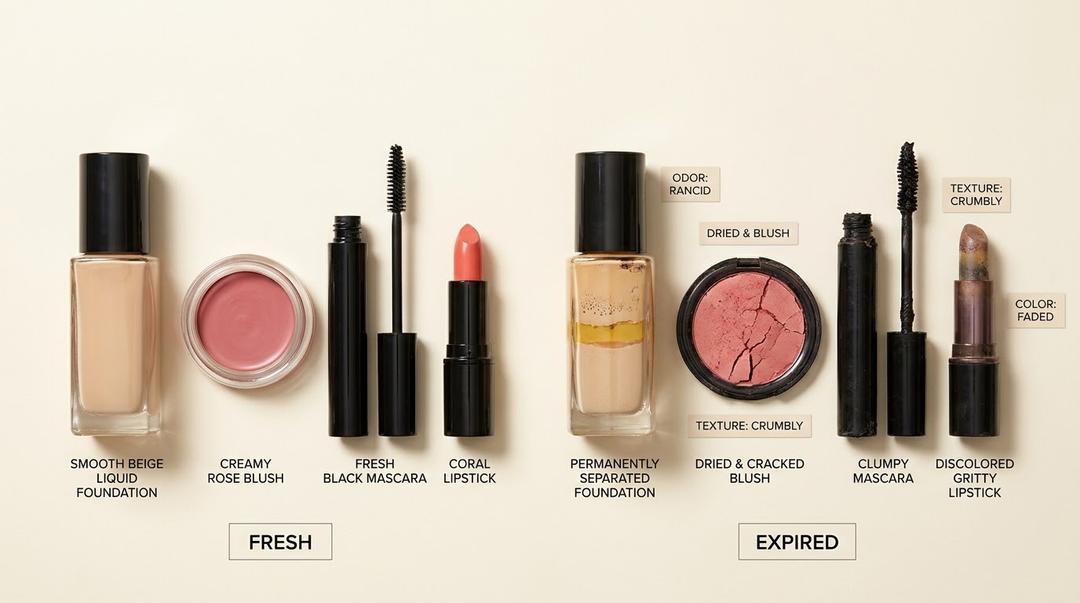
When deciding when to throw away expired makeup, trust visible and sensory changes rather than relying only on the purchase date. A product can become compromised before its PAO period ends, particularly if it has been stored in a hot car or steamy bathroom.
Watch for these warning signs:
- A different smell: Sour, waxy, rancid, or chemical odors can indicate that oils or other ingredients have degraded.
- Color changes: Unexpected yellowing, darkening, fading, or spots may signal oxidation or contamination.
- Texture changes: Lumps, graininess, stringiness, unusual thickening, or a watery consistency are reasons to let it go.
- Persistent separation: Some formulas naturally separate and can be shaken. If the layers won't recombine, discard the product.
- Poor performance: Mascara that flakes excessively, foundation that applies unevenly, or lipstick that drags may have dried out or deteriorated.
- Irritation: New burning, itching, redness, swelling, or watering is a hard stop. Wash the product off and don't use it again.
- Visible growth: Any fuzz, film, or unexplained speckling means the product belongs in the trash, not on your face.
Don't sniff a suspicious product deeply or put it on your skin to test it. Inspect it in good lighting, and when in doubt, toss it. The cost of replacing one item is usually lower than the cost and hassle of treating an irritated eyelid or infected blemish.
How Long Does Makeup Last After Opening?
Shelf life varies by formula, packaging, and preservative system. The manufacturer's PAO symbol should take priority, but these general timelines can help you audit a makeup bag with missing or unreadable labels.
- Mascara: About 3 months. The moist tube and repeated contact with eyelashes make mascara more vulnerable to contamination. Never pump the wand, since that pushes extra air into the tube.
- Liquid eyeliner: About 3 to 6 months. Replace it sooner if the tip dries out, frays, smells different, or was used during an eye infection.
- Liquid foundation and concealer: About 6 to 12 months. Pump bottles typically limit direct contact better than open jars, though both should be monitored for separation and odor.
- Cream blush, bronzer, and eyeshadow: About 6 to 12 months. Products repeatedly touched with fingers may need earlier replacement.
- Lipstick and lip gloss: About 12 to 24 months. Toss them after a cold sore, and replace any formula that develops a rancid smell or gritty texture.
- Powder blush, bronzer, and eyeshadow: About 18 to 24 months. Dry formulas tend to last longer because microbes grow less readily without water, but dirty brushes can still contaminate the surface.
- Makeup with sunscreen: Follow the printed expiration date. Sunscreen filters must remain stable to provide the labeled protection, so don't rely on appearance alone.
Unopened makeup can also expire. A sealed product generally lasts longer because it hasn't been exposed to fingers and applicators, but heat, sunlight, and time can still degrade oils, pigments, and preservatives. If you can't remember when an unopened item was purchased, check for a batch code and ask the manufacturer. For sunscreen makeup, the labeled expiration date is the safest cutoff.
What Happens If You Use Expired Makeup?
Using an older product doesn't guarantee that you'll develop a problem. Still, the risk rises as the preservative system weakens and the formula is repeatedly exposed to microbes.
Potential reactions include irritant contact dermatitis, which can cause burning, dryness, or redness, and allergic contact dermatitis, which may produce itching, swelling, or a rash. Contaminated eye makeup may also contribute to conjunctivitis, eyelid inflammation, or a stye. People with eczema, sensitive skin, or a weakened skin barrier can be more reactive.
Expired formulas may simply stop working well, too. Foundation can oxidize or become patchy, mascara may crumble into the eyes, and cream products can lose their smooth texture. Honestly, if you're fighting the formula every morning, that's often your clue that it's time to replace it.
Seek medical care if you develop significant eye pain, light sensitivity, vision changes, rapidly increasing swelling, drainage, or a rash that doesn't improve after you stop using the product. Those symptoms deserve more than a wait-and-see approach.
How Can You Make Makeup Last Safely?
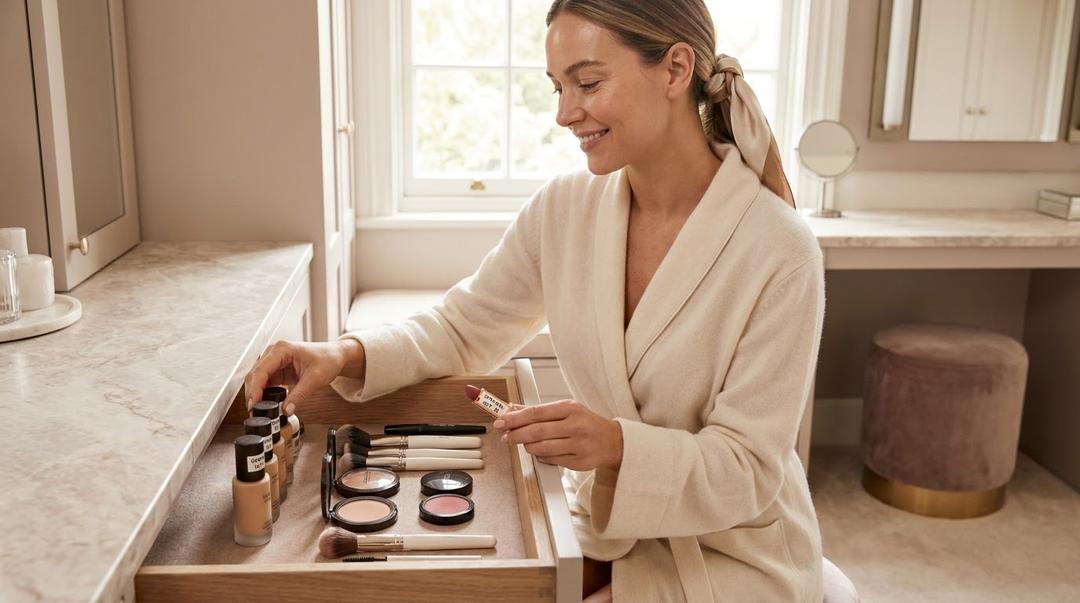
You can't make cosmetics last forever, but a few habits can help them remain stable and hygienic throughout their intended shelf life.
- Label the opening date. Add the month and year to the package as soon as you begin using it.
- Store makeup somewhere cool and dry. A bedroom drawer is generally better than a humid bathroom, sunny windowsill, or hot car.
- Wash brushes regularly. Clean frequently used complexion brushes about once a week and allow them to dry completely before putting them away.
- Use clean, dry hands. This is especially useful for cream products packaged in jars or pots.
- Close every container tightly. Secure caps help limit air exposure, evaporation, and environmental contamination.
- Don't add water or saliva. Diluting mascara, eyeliner, or foundation can disrupt the preservative balance and introduce microbes.
- Avoid sharing makeup. Direct-contact eye and lip products are particularly personal. Testers should be applied with fresh disposable applicators.
- Clean your makeup bag. Wipe down containers and wash the bag every few months so residue doesn't build up around caps and applicators.
So, do a five-minute audit today. Check your mascara first, then inspect liquid and cream products for dates, smells, and texture changes. Powders can come last, but they still deserve a look.
Das Fazit
The clearest answer to when to throw away expired makeup is this: follow the PAO or printed expiration date, but discard the product sooner if its smell, color, texture, packaging, or effect on your skin changes. Replace mascara about every three months, be cautious with water-based and eye-area formulas, and immediately toss anything used during an infection.
I've found that a simple opening-date label removes most of the guesswork. Your makeup doesn't have to look obviously moldy to be past its useful life, and keeping a questionable product usually isn't worth the risk.
For more practical beauty advice and carefully selected savings, sign up for Insider Beauty's weekly deals.
Möchtest du weitere Tipps und exklusive Beauty-Angebote per E-Mail? Trage unten deine Adresse ein und schließe dich Tausenden Insidern an, die jede Woche kräftig sparen.