

The best way to fix hard water hair damage is to remove mineral buildup with a chelating shampoo, then restore slip and moisture with a rich conditioning mask. Chelators bind calcium, magnesium, iron, and copper so they can rinse away, while conditioning reduces the friction that contributes to tangling and breakage. You may feel a difference after one wash, but prevention matters if hard water keeps flowing from your shower.
Das Wichtigste auf einen Blick
- Use a chelating shampoo: Look for ingredients such as disodium EDTA, tetrasodium EDTA, phytic acid, or sodium gluconate.
- Start slowly: Chelate once every two to four weeks, increasing to weekly only if buildup returns quickly and your hair tolerates it.
- Condition immediately: Follow with a deep-conditioning mask to improve softness and reduce friction between hair fibers.
- Limit additional stress: Turn down the water temperature and minimize bleach, hot tools, and tight hairstyles while your hair feels brittle.
- Address the water source: A true water softener reduces calcium and magnesium; many standard shower filters do not.
What Does Hard Water Do to Your Hair?
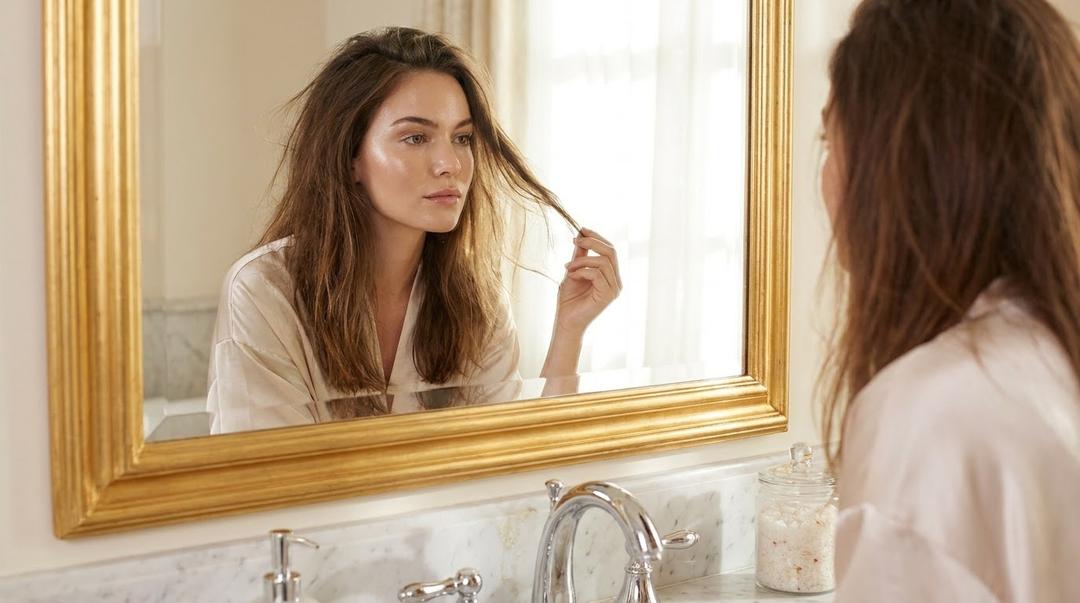
Hard water contains relatively high levels of dissolved minerals, mainly calcium and magnesium. Iron and copper may also enter the water through the local supply or household plumbing. The U.S. Geological Survey classifies water above 120 milligrams per liter of calcium carbonate as hard and water above 180 milligrams per liter as very hard.
These minerals can collect on the hair shaft and interact with shampoo, natural oils, and styling-product residue. Research suggests mineral deposition may increase surface roughness and friction, making strands more likely to tangle and snap during brushing. It can also prevent conditioner from spreading evenly.
Common signs include:
- Hair that feels coated, waxy, rough, or unusually stiff
- Dullness or reduced shine
- Frequent knots and increased breakage
- Shampoo that doesn't lather or rinse as expected
- A dry, tight, or flaky scalp
- Yellow, orange, or green discoloration, especially on gray, blonde, or bleached hair
Look, these signs aren't exclusive to hard water. Heat damage, overprocessing, product buildup, dandruff, and some medical conditions can look similar. Check your municipal water report or use a home hardness test strip before blaming every bad hair day on the faucet.
How to Fix Hard Water Hair Damage at Home
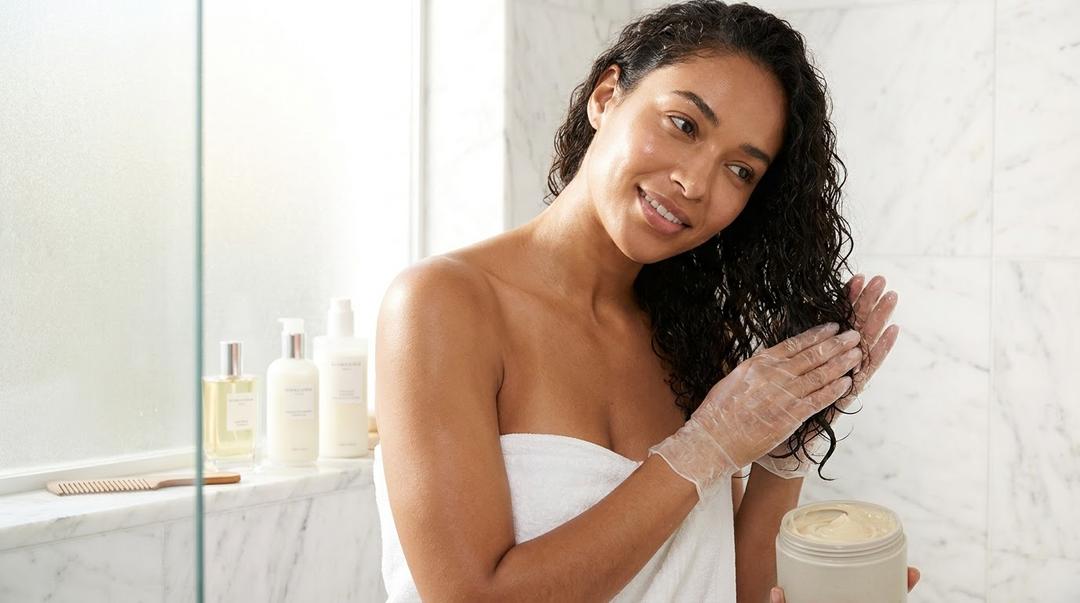
A reset routine should remove deposits without repeatedly stripping the hair. Here's the approach I generally recommend:
- Confirm that your water is hard. Review your local utility report or use a test strip. Testing is especially useful if you notice chalky residue around faucets or soap scum in the shower.
- Wet your hair thoroughly with lukewarm water. Very hot water can increase dryness and scalp irritation, so keep the temperature comfortable rather than steamy.
- Wash with a chelating shampoo. Massage it into the scalp, then distribute the lather through the lengths where minerals collect. Follow the label's contact time, which is often one to five minutes.
- Rinse longer than usual. Dense or curly hair can hold onto cleanser, so gently separate sections and let the water move through them.
- Apply a deep-conditioning mask. Focus on the mid-lengths and ends, leave it on for the directed time, and detangle gently with your fingers or a wide-tooth comb.
- Blot instead of rubbing. Use a soft towel or cotton T-shirt and press out excess water. Aggressive towel drying adds mechanical friction when wet hair is vulnerable.
- Use a leave-in conditioner with heat protection. This improves slip and reduces damage if you blow-dry. Keep the dryer on low or medium heat and stop once the hair is dry.
I've found that people often make the mistake of chelating several times in one week because their hair doesn't feel perfect immediately. More isn't better. Frequent strong cleansing can remove too much oil, fade color, and leave textured or chemically treated hair even more brittle.
Skip harsh DIY treatments such as baking soda or undiluted lemon juice. Their extreme pH can irritate the scalp and roughen the cuticle. A diluted vinegar rinse may remove some residue and temporarily improve shine, but vinegar isn't a reliable substitute for a properly formulated chelating shampoo.
Which Products Remove Hard Water Buildup?
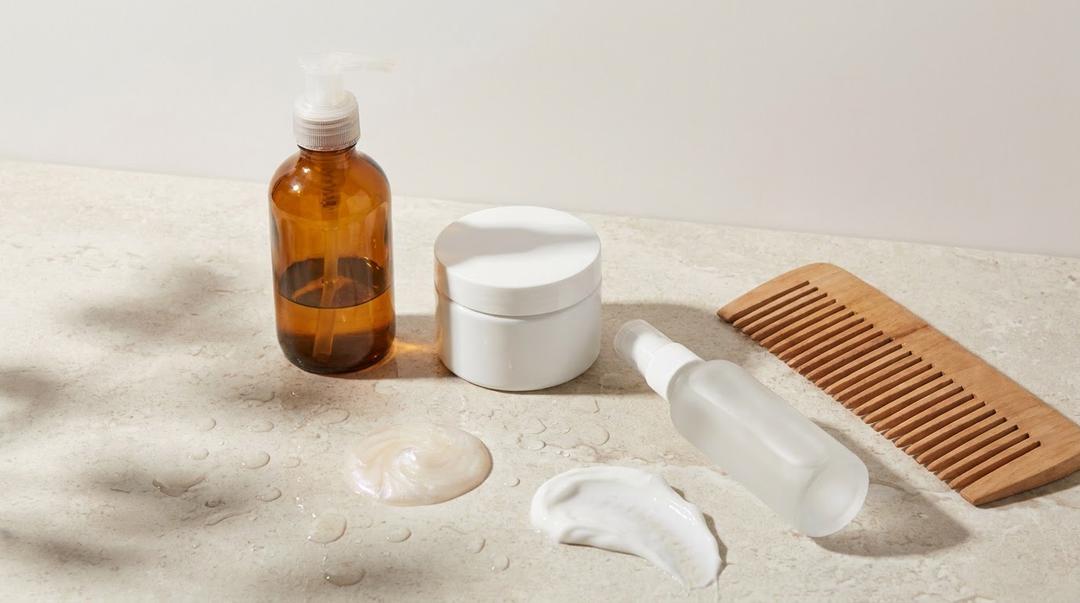
Three product types are particularly useful when you're trying to reverse the look and feel of mineral buildup:
- Chelating shampoo: Choose a formula containing EDTA, phytic acid, sodium gluconate, or another ingredient specifically marketed for mineral removal. A regular clarifying shampoo is designed mainly for oil and styling residue and may not bind metal ions effectively.
- Deep-conditioning mask: Look for fatty alcohols such as cetyl or cetearyl alcohol, conditioning agents such as behentrimonium chloride, and emollients that improve softness. These ingredients don't remove minerals, but they help reduce roughness after cleansing.
- Leave-in conditioner with heat protection: A lightweight leave-in provides slip for detangling and creates a buffer against brushing and heat. Fine hair usually does best with a spray, while coarse or curly hair may prefer a cream.
If your hair is bleached, relaxed, permed, or freshly colored, confirm that the chelating product is compatible with chemical services. Chelation can fade some dyes or alter toners. When in doubt, test it on a small hidden section first.
How Long Does Hard Water Hair Take to Recover?
Mineral buildup may improve after one chelating wash, especially if the main symptoms are dullness, stiffness, or poor lather. Softness and manageability often continue to improve over two to four weeks with careful conditioning and less heat.
Actual structural damage takes longer. Hair fibers are biologically dead, so split ends and severe breakage can't truly heal. Conditioners can temporarily smooth the cuticle and reduce friction, but damaged ends may still need a trim. New hair will grow at an average rate of roughly half an inch per month.
Honestly, sudden shedding, bald patches, scalp pain, sores, or persistent itching aren't typical signs of mineral buildup. See a board-certified dermatologist if those symptoms appear or if breakage continues despite changing your routine. There may be another scalp or hair disorder that needs treatment.
How Can You Prevent Hard Water Buildup?
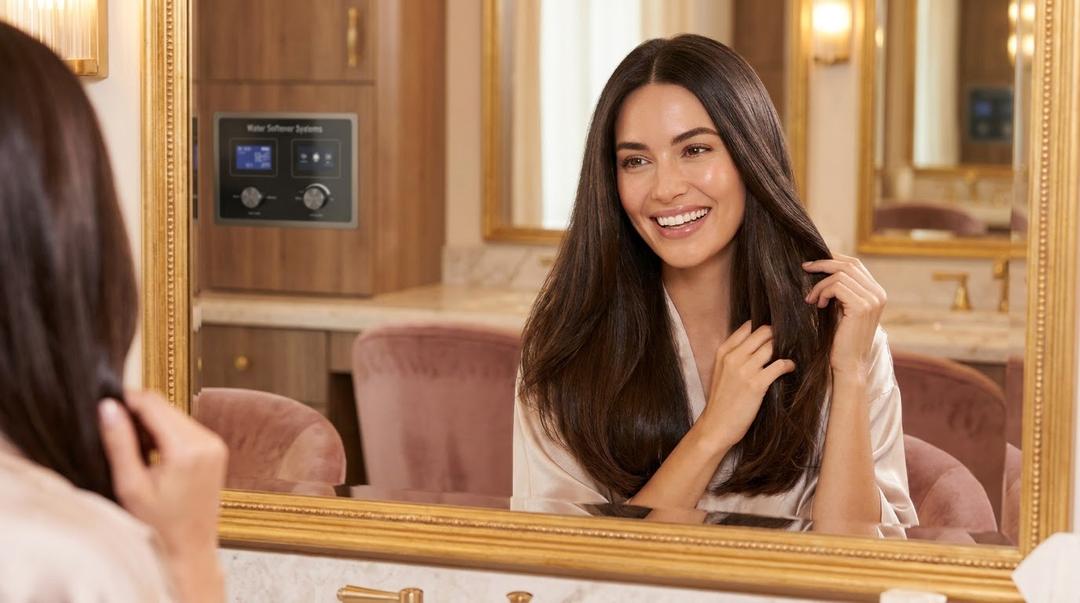
Prevention doesn't require a complicated 12-step routine. A few practical changes usually make the biggest difference:
- Chelate on a schedule: Start every two to four weeks. Weekly use may suit swimmers or people with very hard water, but dry, curly, bleached, and color-treated hair may need longer intervals.
- Use lukewarm water: This won't remove minerals, but it can reduce dryness and irritation compared with very hot showers.
- Try a final filtered-water rinse: Pouring a small amount of distilled or demineralized water over the lengths can reduce fresh deposits. It's not the most convenient fix, but it's useful after coloring or before a special event.
- Clean showerheads regularly: Mineral scale can restrict water flow. Follow the manufacturer's cleaning directions rather than soaking finishes that may be damaged by acid.
- Consider a true water softener: Ion-exchange systems replace calcium and magnesium ions, addressing hardness at the source. Standard carbon shower filters mainly reduce chlorine and odors; they usually don't soften water.
- Reduce overlapping damage: Space out bleach and chemical services, use heat protection, and avoid tight styles that pull on already fragile strands.
So, don't assume any filter labeled for better hair will fix the problem. Check independent specifications for calcium and magnesium reduction. If the product only mentions chlorine, sediment, or odor, it probably isn't a true hard-water solution.
Das Fazit
To fix hard water hair damage, use a chelating shampoo at sensible intervals, follow it with a deep-conditioning mask, and protect fragile strands from excess heat and friction. Most mineral-related dullness and stiffness can improve fairly quickly, but split ends and severe breakage may require trimming and time.
The lasting fix is reducing mineral exposure with a genuine water-softening system or, if that's not practical, consistent chelating and conditioning. Start gently, watch how your hair responds, and adjust the frequency rather than piling on stronger treatments.
For more dermatologist-backed hair-care advice and product savings, sign up for Insider Beauty's weekly deals.
Möchtest du weitere Tipps und exklusive Beauty-Angebote per E-Mail? Trage unten deine Adresse ein und schließe dich Tausenden Insidern an, die jede Woche kräftig sparen.