

The short answer on vitamin C serum benefits and how to use it: this topical antioxidant can brighten dull skin, fade the look of dark spots, support collagen production, and help defend against environmental damage. Apply a few drops after cleansing and before moisturizer, ideally in the morning under broad-spectrum SPF 30 or higher. Start with a lower concentration two or three times weekly if your skin is sensitive.
Quick Takeaways
- Vitamin C is an antioxidant: It helps neutralize free radicals created by UV exposure and pollution, but it doesn't replace sunscreen.
- Morning application works well: Vitamin C and sunscreen provide complementary environmental protection.
- Start with 5% to 10%: Beginners and sensitive skin types may tolerate this range better than a strong 20% formula.
- Apply it before moisturizer: Use vitamin C after cleansing and before thicker creams, face oils, and sunscreen.
- Watch for oxidation: Dark orange or brown serum may have degraded and should usually be replaced.
What Are the Main Vitamin C Serum Benefits?

Vitamin C is one of the better-studied topical antioxidants in skincare. While it won't transform your complexion overnight, regular use can make skin look brighter, smoother, and more even over time.
The most notable benefits include:
- Brighter-looking skin: Vitamin C can reduce the dull appearance associated with environmental stress and uneven tone.
- Fewer visible dark spots: It can interfere with excess pigment production, helping post-acne marks and sun spots gradually look lighter.
- Antioxidant protection: Vitamin C helps neutralize unstable molecules called free radicals, which contribute to visible skin aging.
- Collagen support: Your body needs vitamin C to produce collagen, the structural protein that helps skin feel firm and resilient.
- Softer-looking fine lines: By supporting collagen and limiting oxidative stress, vitamin C may improve the appearance of fine lines with consistent use.
Look, pigmentation takes patience. Many people need eight to 12 weeks of regular application before seeing a meaningful improvement, and stubborn discoloration can take longer. Daily sunscreen matters here, since unprotected UV exposure can keep triggering new pigment.
When people research vitamin C serum benefits and how to use it, they sometimes expect the serum to act like an exfoliating peel. It doesn't usually remove dead skin cells directly. Its main jobs are antioxidant protection, pigment support, and helping maintain collagen.
How Do You Choose the Right Vitamin C Serum?
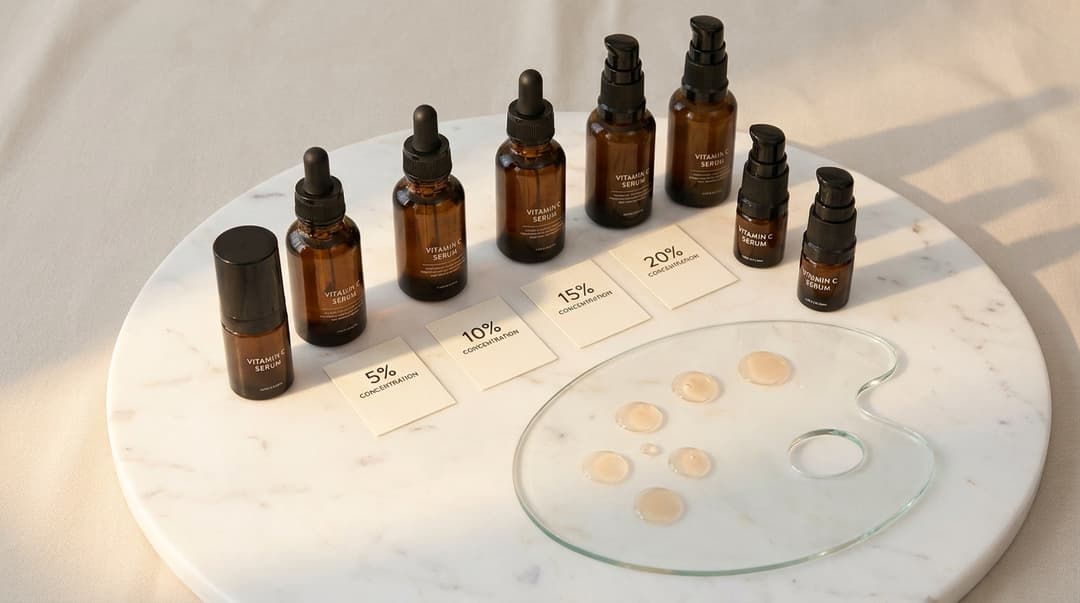
The ingredient name and concentration matter more than a fancy bottle. L-ascorbic acid, also called pure vitamin C, has the strongest body of research, but it can be unstable and potentially irritating.
A helpful concentration guide is:
- 5% to 10%: A sensible starting point for dry, reactive, or first-time users.
- 10% to 15%: A good middle range for many normal, combination, and oily skin types.
- 15% to 20%: Better suited to experienced users whose skin already tolerates active ingredients.
More isn't automatically better. Concentrations above 20% may increase stinging and irritation without providing a proportionate boost in results.
If pure vitamin C bothers your skin, consider a derivative such as sodium ascorbyl phosphate, magnesium ascorbyl phosphate, or tetrahexyldecyl ascorbate. These forms tend to be gentler and more stable, though the research behind them isn't as extensive as the evidence for L-ascorbic acid.
You can also choose among a few product types. A water-based L-ascorbic acid serum feels lightweight and layers easily, while an anhydrous vitamin C serum contains little or no water and may be more stable. A vitamin C moisturizer can be convenient for dry or sensitive skin, although it may offer a lower concentration than a dedicated serum.
I've found that packaging is a surprisingly useful quality check. Look for an opaque or dark bottle with an air-restrictive pump or a dropper that closes securely. Clear jars expose the formula to more light, air, and finger contact, which can speed up degradation.
How Do You Use Vitamin C Serum Step by Step?

Here's the practical routine for getting the benefits without turning your bathroom shelf into a chemistry lab:
- Cleanse your skin with a gentle face wash, then pat it dry.
- Apply toner or a hydrating essence if you use one, keeping the layer light.
- Dispense two to four drops of vitamin C serum for your face and gently spread it over the skin.
- Avoid the eyelids and broken skin unless the product specifically says it's safe for those areas.
- Let the serum settle briefly until it no longer feels very wet or tacky; you don't need to wait a precise number of minutes.
- Apply moisturizer to reduce dryness and support your skin barrier.
- Finish with broad-spectrum SPF 30 or higher every morning, using roughly two finger lengths for the face and neck.
So, should vitamin C go on wet or dry skin? Applying it to dry skin is usually the safer option, especially with L-ascorbic acid. Damp skin can increase ingredient penetration, which sounds appealing but may also make stinging more likely.
Morning is popular because vitamin C complements sunscreen's protection against UV-related free radicals. You can use it at night instead if that fits your routine better. Consistency matters more than forcing yourself into a schedule you won't maintain.
For beginners, use it two or three mornings per week for the first couple of weeks. If your skin stays comfortable, increase to every other day and eventually daily use. You generally don't need to apply it twice a day.
Can You Combine Vitamin C With Other Ingredients?
Vitamin C pairs nicely with several everyday skincare ingredients. Vitamin E and ferulic acid are especially common companions because they can improve the antioxidant stability and performance of L-ascorbic acid. Hyaluronic acid, ceramides, glycerin, and squalane can add hydration without interfering with it.
And despite an old skincare rumor, vitamin C and niacinamide can be used in the same routine. Modern formulations are generally compatible. If the combination causes flushing or pilling, use one in the morning and the other at night rather than giving up on both.
Take more care when combining vitamin C with potentially irritating actives:
- Retinoids: Use vitamin C in the morning and a retinoid at night if applying both together causes dryness.
- AHA or BHA exfoliants: Alternate days at first, particularly if you use pure L-ascorbic acid.
- Benzoyl peroxide: Separating them into morning and evening routines can reduce irritation and avoid possible formula compatibility issues.
Honestly, your skin barrier gets the final vote. A routine can be technically compatible and still be too much for your individual skin. Burning, persistent redness, or tight, flaky patches are signs to simplify.
What Side Effects and Storage Mistakes Should You Avoid?
Mild tingling can happen with acidic vitamin C, but strong burning isn't a sign that the product is working better. Stop using it if you develop swelling, hives, intense itching, or ongoing irritation, and consult a dermatologist if the reaction is severe or doesn't settle.
Patch-test a new serum on a small area near the jaw or behind the ear once daily for several days. This isn't a perfect guarantee, but it can reveal an obvious sensitivity before you apply the formula all over your face.
Storage also makes a real difference. Keep the bottle tightly closed in a cool, dark cabinet away from direct sunlight, radiators, and steamy showers. Some unstable L-ascorbic acid formulas may last longer in the refrigerator, but follow the label because not every serum needs refrigeration.
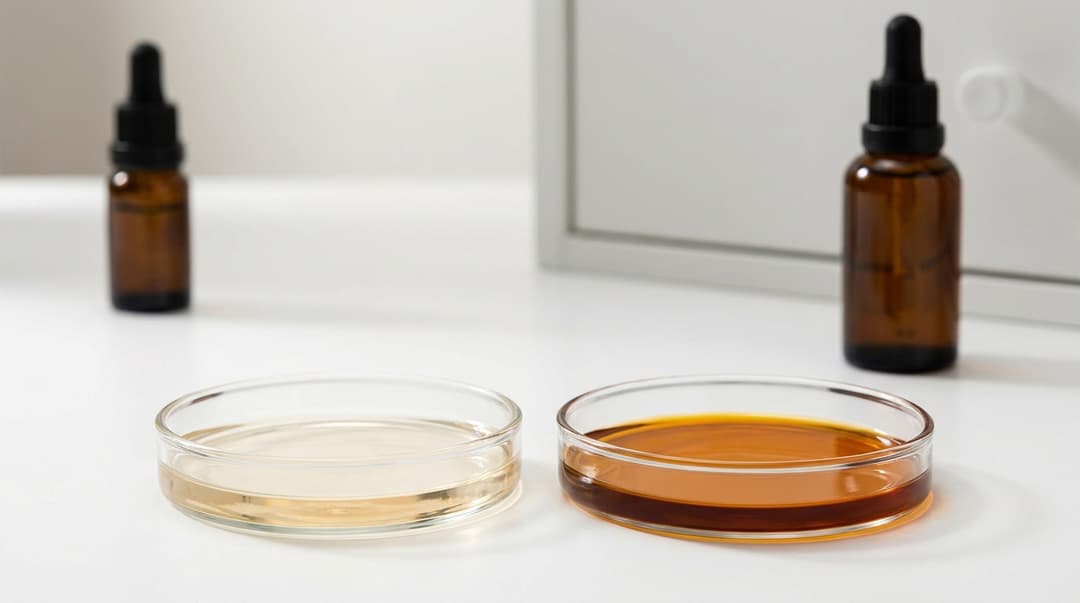
A fresh L-ascorbic acid serum is often clear, pale yellow, or light champagne. If it turns deep orange or brown, smells noticeably different, or changes texture, oxidation is likely. Oxidized vitamin C becomes less effective and may be more irritating, so replacing it is usually the sensible move.
The Bottom Line
When it comes to vitamin C serum benefits and how to use it, the winning approach is pretty simple: choose a suitable strength, apply a few drops before moisturizer, wear sunscreen, and stay consistent. Expect brighter, more even-looking skin gradually rather than after a handful of applications.
Start slowly if you're sensitive, don't pile on every active at once, and replace a formula that has turned dark brown. I've found that a comfortable 10% serum used regularly tends to be far more useful than a powerful formula that leaves skin too irritated to continue.
Want smart skincare finds without constantly checking sale pages? Sign up for Insider Beauty's weekly deals for editor-picked offers delivered straight to your inbox.
Want more tips and exclusive beauty deals delivered to your inbox? Pop your email in the box below and join thousands of insiders who save big every week.