
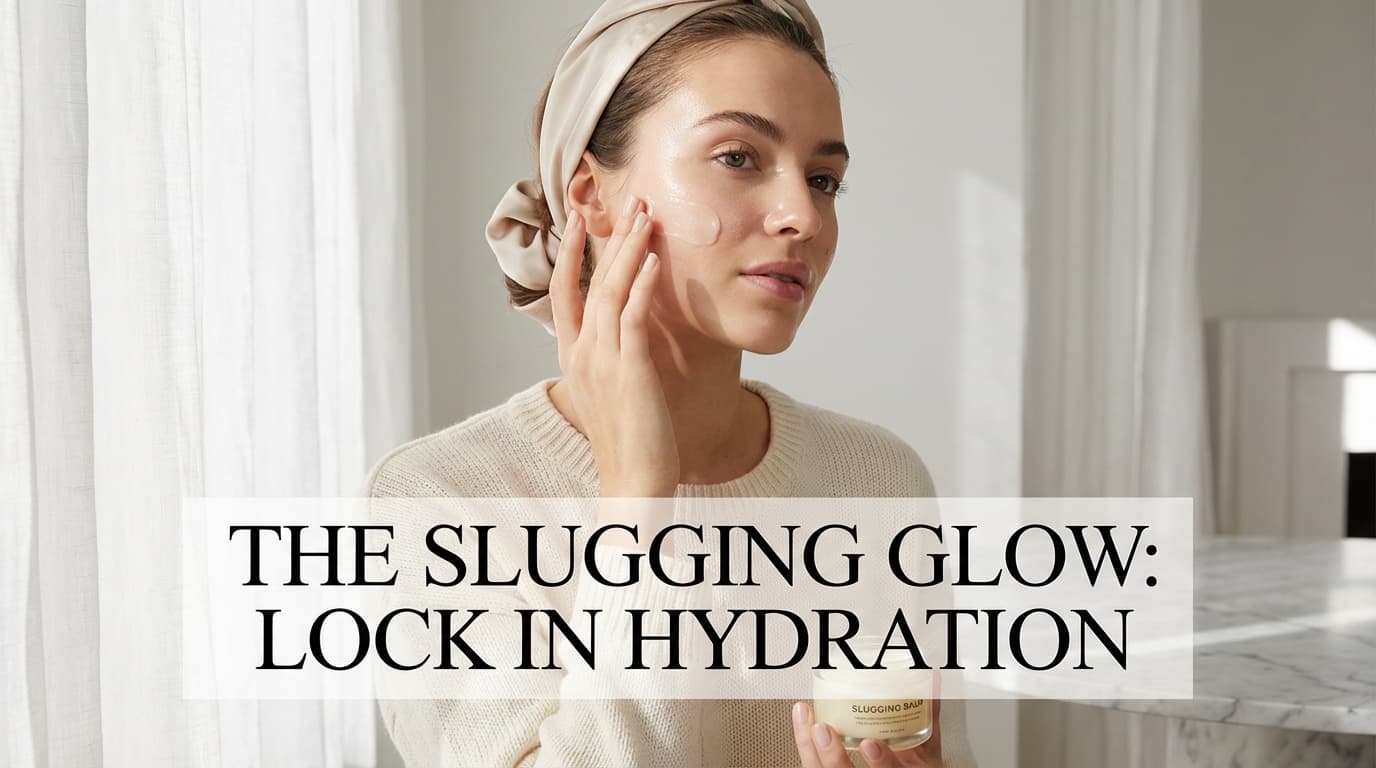
The slugging skincare trend explained in simple terms: it’s the practice of sealing your nighttime skincare with an occlusive layer, usually a petrolatum-based ointment, to reduce water loss and support the skin barrier. It works best for dry, dehydrated, or overtreated skin, but it’s not ideal for everyone, especially if you’re acne-prone or using strong actives.
Quick Takeaways
- Slugging means applying an occlusive as the last step in your evening routine to lock in moisture.
- It helps reduce transepidermal water loss (TEWL), which can leave skin feeling softer and less tight by morning.
- Dry, sensitive, and barrier-damaged skin usually benefits the most from slugging.
- Oily or acne-prone skin should be cautious, since heavy occlusives can feel too rich and may worsen congestion for some people.
- The safest way to start is 1-2 nights a week over a simple moisturizer, not over harsh exfoliants or retinoids.
What is slugging in skincare?
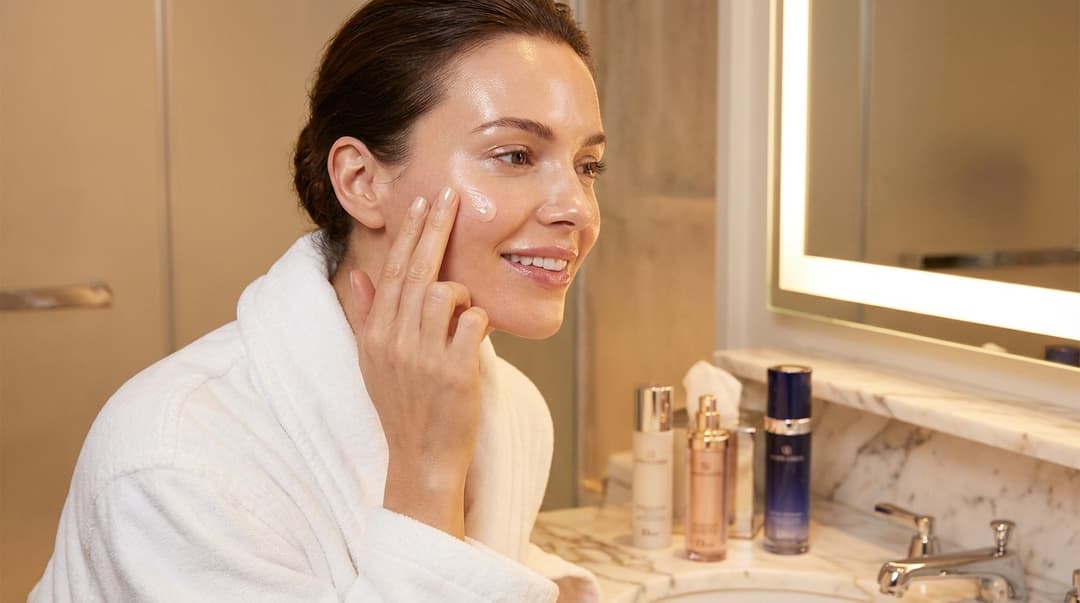
Slugging is a K-beauty-inspired skincare technique where you apply a thin layer of an occlusive product over your moisturizer as the final step in your nighttime routine. The goal isn’t to “add” hydration on its own. It’s to trap the water and moisturizing ingredients already in your skin and products so they don’t evaporate overnight.
That shiny, slightly sticky finish is where the name comes from. You look, well, kind of like a slug. Not glamorous, but honestly, your skin may wake up pretty happy.
I’ve found that people often confuse slugging with using a thick moisturizer. They’re not exactly the same. A regular cream usually contains a mix of humectants, emollients, and some occlusives. Slugging uses a more heavily occlusive layer on top, usually something ointment-like.
How does slugging work for dry skin?
Slugging works by limiting transepidermal water loss, often shortened to TEWL. That’s the natural process where water escapes from the surface of your skin. When your barrier is compromised from cold weather, over-exfoliation, acne treatments, or just naturally dry skin, that water loss can increase.
An occlusive layer helps by creating a physical seal over the skin. Petrolatum is especially well known for this. In dermatology, petrolatum can reduce water loss by up to 98%, which is why it shows up so often in barrier repair routines.
So if your face feels tight after cleansing, gets flaky around the nose, or stings when you apply products, slugging can be a pretty practical fix.
Here’s what slugging may help with:
- Dry patches and flaking
- A weakened skin barrier
- Tightness after washing
- Irritation from weather or indoor heating
- Moisture loss after using drying treatments
That said, slugging doesn’t treat every skin issue. It won’t exfoliate, unclog pores, or replace a balanced routine. It’s more like a protective topcoat.
Who should try slugging and who should skip it?

The best candidates for slugging are usually people with dry skin, sensitive skin, mature skin, or a damaged moisture barrier. If your skin tends to drink up moisturizer and still feel dry, this trend may actually make sense.
You may want to try slugging if:
- You have dry or dehydrated skin
- Your skin barrier feels compromised
- You use prescription acne treatments that cause peeling
- Winter weather leaves your skin raw or flaky
You may want to skip or modify slugging if:
- You’re very oily
- You’re prone to clogged pores or milia
- You have active breakouts in the areas you want to slug
- You’re applying strong retinoids, acids, or benzoyl peroxide underneath
Look, this is where nuance matters. Petrolatum itself is generally considered non-comedogenic, but a fully sealed routine can still trap heat, sweat, and whatever else is sitting on your skin. If you’re breakout-prone, I’d patch test first and maybe slug only on dry areas instead of your whole face.
How to do slugging step by step
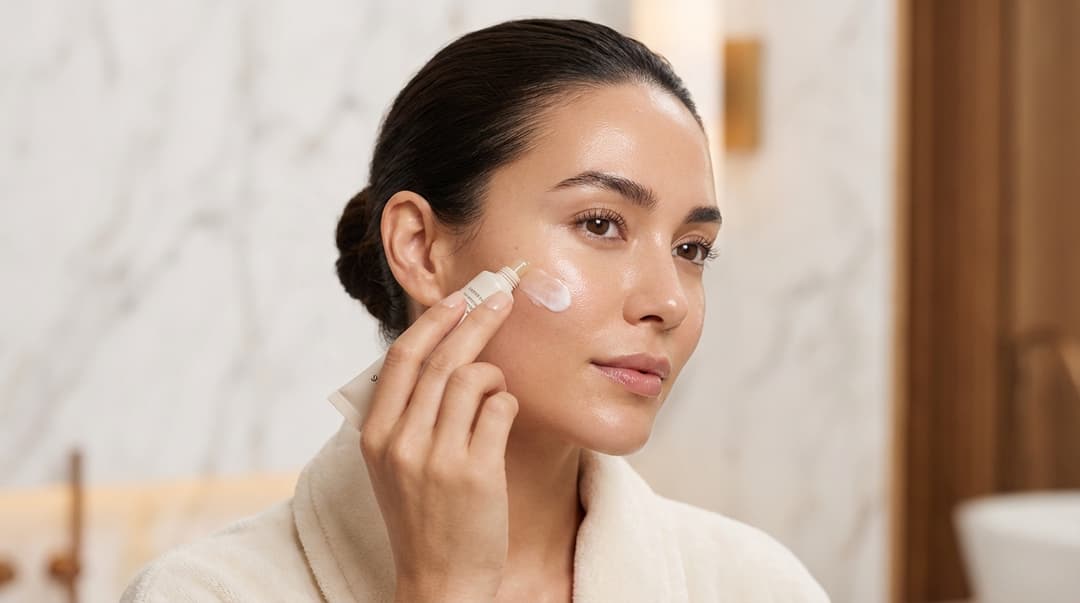
If you want the slugging skincare trend explained in a way you can actually use tonight, here’s the easiest method.
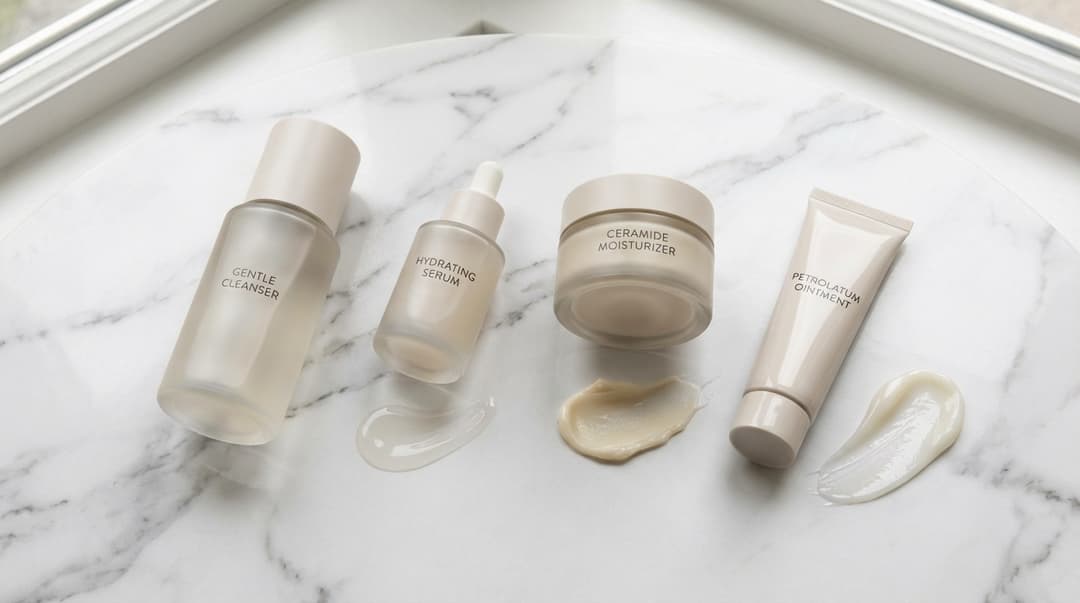
- Cleanse with a gentle, non-stripping cleanser.
- Apply hydrating products to slightly damp skin, like a hyaluronic acid serum or a glycerin-based essence.
- Use a basic moisturizer with barrier-supportive ingredients such as ceramides, squalane, or panthenol.
- Wait a minute or two so your skincare settles.
- Press a pea-size amount of occlusive ointment over the skin as your final step.
- Stick to nighttime, and start with 1-2 times per week.
A few practical tips:
- Use less than you think: More product doesn’t mean better results. Too much can feel greasy and end up on your pillow.
- Apply on damp, not wet, skin: This helps trap hydration without making the layer slide around.
- Keep your pillowcase in mind: I usually recommend an older pillowcase the first few times. Real life stuff.
- Spot slug if needed: You can apply only to dry zones like around the mouth, cheeks, or under the eyes.
What products are best for slugging?
The most common slugging product is a petrolatum ointment, but it’s not the only option. The best choice depends on your skin type and how heavy you want the finish to feel.
Here are a few product types that work well:
- Petrolatum-based ointments: Best for very dry, irritated, or barrier-damaged skin because they’re highly occlusive.
- Ceramide-rich balms: A good middle ground if you want something protective but a little more elegant.
- Squalane or shea butter balms: Better for people who want a richer plant-based feel, though they may not be as occlusive as petrolatum.
Ingredient-wise, I like seeing combinations that support the barrier underneath the occlusive layer. Think ceramides, cholesterol, fatty acids, glycerin, panthenol, and allantoin. These don’t replace the occlusive step, but they give your skin more of what it needs before you seal everything in.
Honestly, I’d avoid fragranced balms for slugging, especially if your skin is already irritated. Fragrance plus a sealed environment can be a lot.
Can slugging cause acne or irritation?
It can, depending on your skin and what’s underneath the occlusive layer. Slugging itself isn’t automatically bad, but it can amplify whatever is already on your skin.
Here’s when problems tend to happen:
- You slug over exfoliating acids and wake up irritated
- You apply it on unwashed skin and trap sweat, sunscreen, or grime
- You use too much product and feel congested
- You already struggle with clogged pores and use it all over your face
One thing I’ve found helpful is keeping slugging routines very simple. On slugging nights, skip the intense actives. Use a gentle cleanser, a hydrating serum, a plain moisturizer, and then your occlusive. That’s it. No need to get fancy.
If you’re using retinoids, tretinoin, or strong acids, you can still experiment carefully, but not everyone should layer an occlusive directly over them. That can increase penetration and irritation. If your skin is sensitive, alternate nights instead.
What are the biggest slugging mistakes?
The slugging skincare trend explained properly also means talking about what not to do, because this trend gets oversimplified a lot online.
Common mistakes include:
- Using too much ointment and suffocating the skin with a thick coat.
- Slugging over potent actives like AHAs, BHAs, retinoids, or benzoyl peroxide.
- Trying it every night right away instead of easing in.
- Using it on acne-prone areas without patch testing.
- Expecting slugging to replace moisturizer or fix dehydration on its own.
So, yes, technique matters. Slugging is more of a barrier-support method than a one-step cure. If your skin is dehydrated because your routine is too harsh, you’ll still want to address the root issue.
Is slugging worth trying?
For the right skin type, yes. If your skin is dry, sensitive, flaky, or stressed out, slugging can be a low-cost, low-effort way to make your routine work harder. The results are usually temporary but noticeable: less tightness, smoother texture, and that cushy feeling by morning.
If your skin is oily or easily congested, you don’t need to force this trend just because it’s all over social media. A lighter barrier cream may give you similar comfort without the heavy finish.
Look, not every trend deserves the hype, but this one does have real skin science behind it. The trick is using it strategically instead of treating it like a universal rule.
The Bottom Line
The slugging skincare trend explained simply: it’s a nighttime technique that uses an occlusive layer to lock in moisture and protect the skin barrier. It can be genuinely helpful for dry, dehydrated, or irritated skin, especially during winter or after overdoing actives, but it’s not a must for everyone.
Start small, keep your routine simple, and pay attention to how your skin responds. If it feels calmer and looks less flaky, you’re probably on the right track.
If you want more ingredient-smart skincare tips and soft deals on beauty finds, sign up for Insider Beauty’s weekly deals newsletter.
Want more tips and exclusive beauty deals delivered to your inbox? Pop your email in the box below and join thousands of insiders who save big every week.