
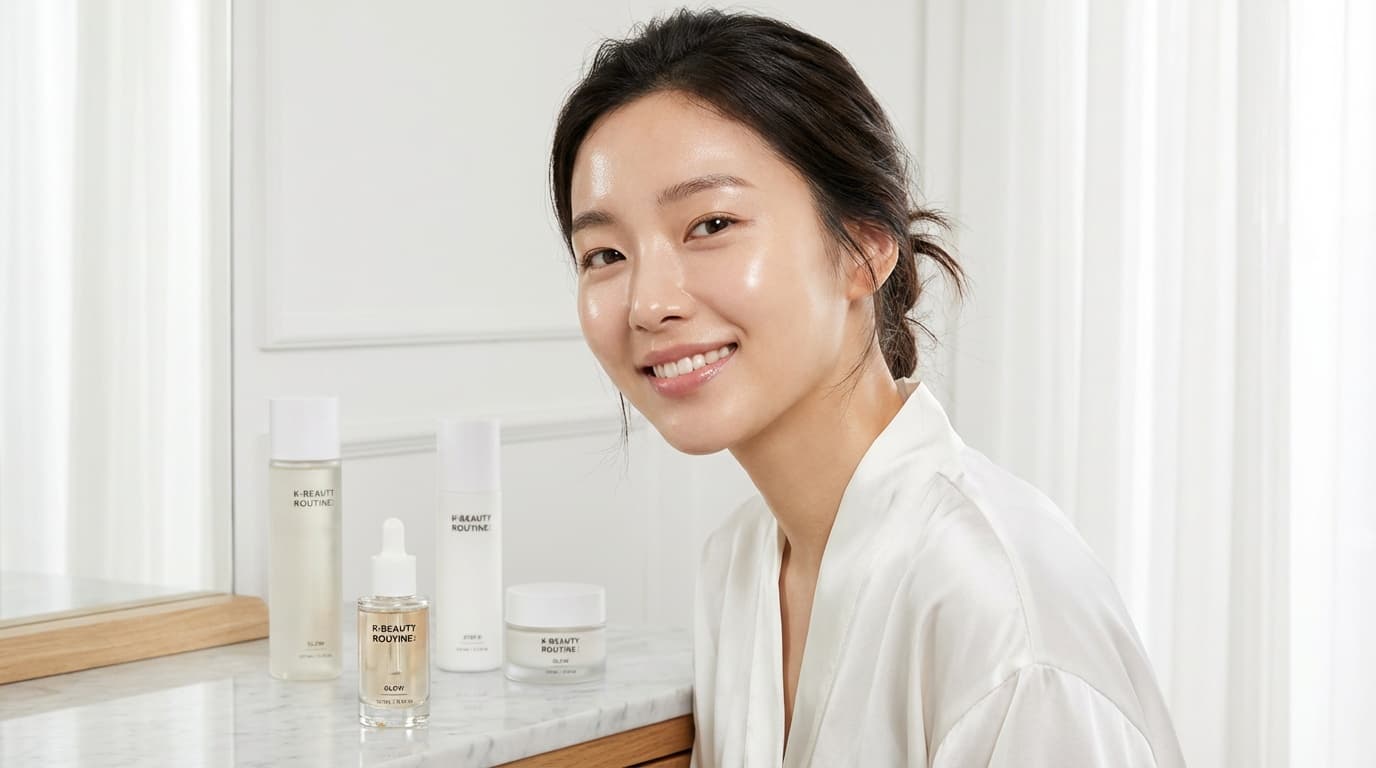
A korean skincare routine for beginners should be simple: start with 4 to 5 basic steps, focus on hydration, and add products slowly. This works because Korean skincare is less about using a ton of products and more about layering gentle, skin-supporting formulas in the right order.
Quick Takeaways
- Start with 4 to 5 steps: cleanser, moisturizer, sunscreen, and one or two treatment products
- Use products from thinnest to thickest: watery formulas first, creams last
- Add only one new product at a time: this helps you spot irritation fast
- Look for barrier-friendly ingredients: glycerin, ceramides, centella asiatica, and hyaluronic acid are great for beginners
- Wear sunscreen every morning: even the fanciest routine won't do much if UV damage keeps undoing your progress
What is a Korean skincare routine for beginners?
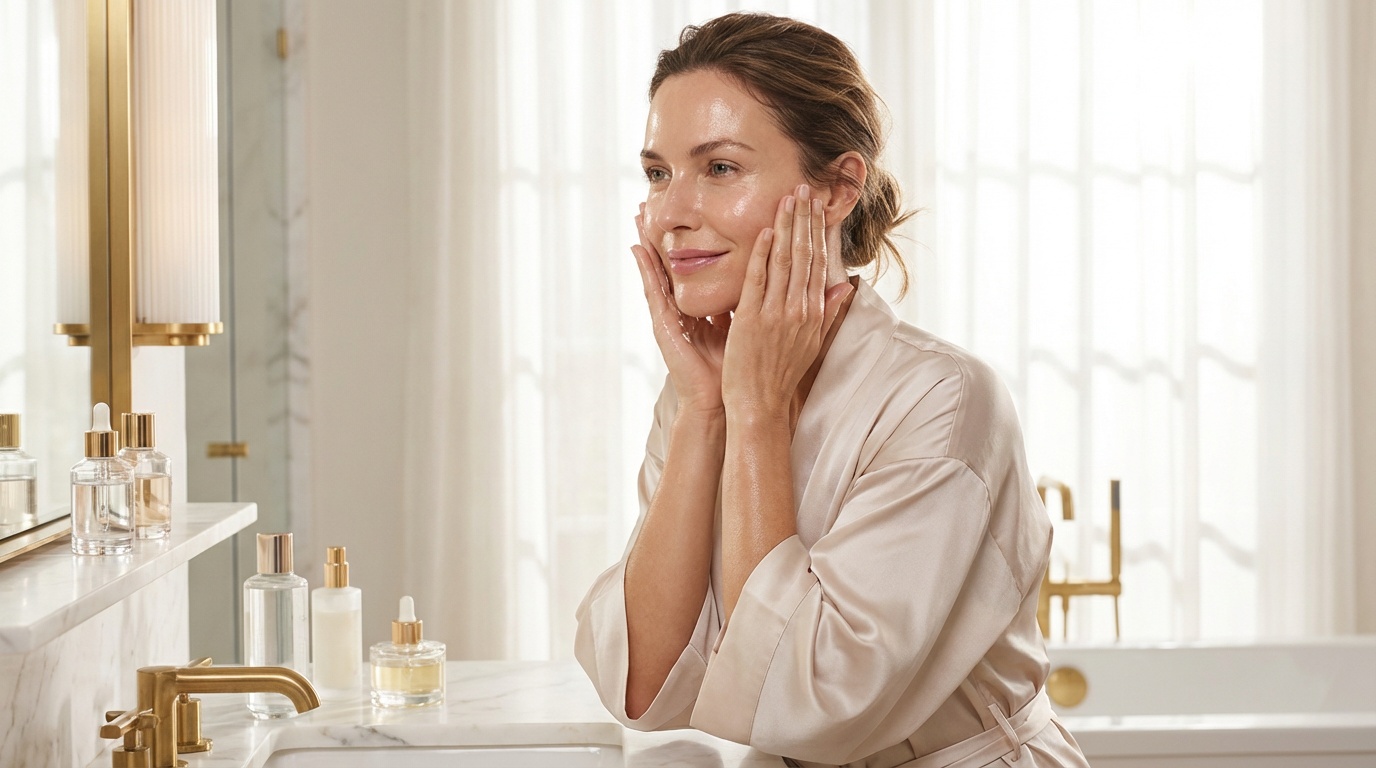
A korean skincare routine for beginners is a gentle, step-by-step approach to skincare that prioritizes cleansing, hydration, and skin barrier support. Honestly, a lot of people think it has to mean a 10-step ritual, but that's not really the best place to start.
For beginners, I've found that less is usually better. Your skin needs time to adjust, and using too many active ingredients at once can leave it irritated, flaky, or weirdly oily. A beginner-friendly Korean routine usually includes:
- Oil-based cleanser at night
- Water-based cleanser
- Hydrating toner or essence
- Moisturizer
- Sunscreen in the morning
If your skin is sensitive, you can even start with just cleanser, moisturizer, and SPF. That's still a real routine.
How many steps do you actually need?
So, the sweet spot for most people is 4 to 6 steps, not 10. Korean skincare is built around customizing your routine based on what your skin needs that day, season, or age.
Here's a simple way to think about it:
- Must-have steps: cleanser, moisturizer, sunscreen
- Helpful extras: toner, essence, serum
- Occasional add-ons: exfoliator, sheet mask, sleeping mask
If you're acne-prone, dehydrated, or dealing with redness, adding one treatment step can help. But if your skin already feels overwhelmed, strip it back.
Look, skin doesn't get better because you used more products. It gets better when you use the right formulas consistently.
What are the basic Korean skincare steps in order?
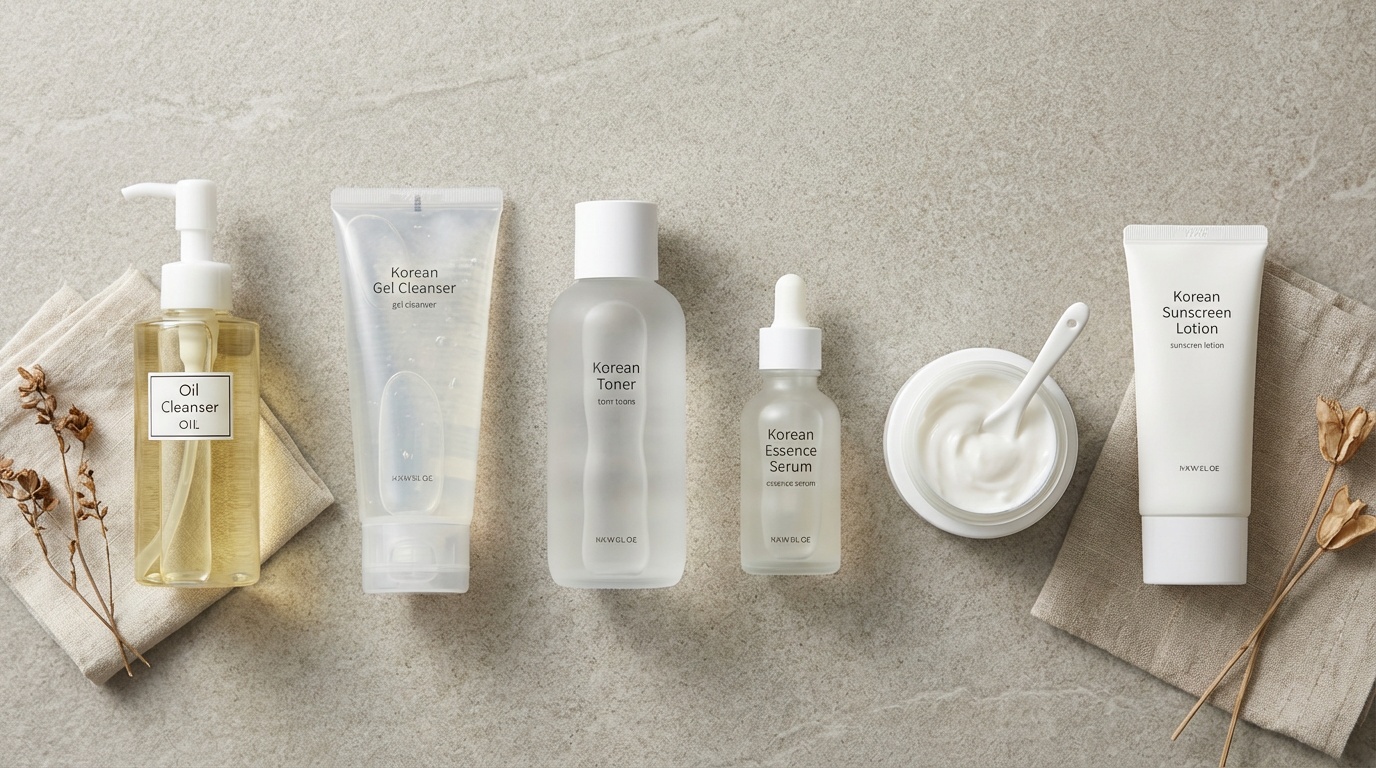
The correct order matters because lighter products absorb best before heavier ones. In a korean skincare routine for beginners, the easiest rule is thinnest to thickest.
- Oil cleanser: Use at night to break down sunscreen, makeup, and excess sebum.
- Water-based cleanser: Follow with a gentle gel or cream cleanser to remove sweat and residue.
- Toner: Choose a hydrating toner, not a harsh alcohol-heavy one.
- Essence or serum: Pick one based on your skin concern, like dullness, dehydration, or redness.
- Moisturizer: Seal everything in with a lotion or cream.
- Sunscreen: Apply every morning as the last step.
At night, you can skip sunscreen and keep the rest. If you want to exfoliate, do it after cleansing and before toner, just 1 to 2 times a week.
Which ingredients are best for beginners?

This is where Korean skincare really shines. A lot of formulas focus on hydration and calming ingredients instead of aggressive actives, which is ideal when you're just starting out.
Here are some beginner-friendly ingredients worth looking for:
- Glycerin: A classic humectant that pulls water into the skin
- Hyaluronic acid: Helps skin feel plump and hydrated
- Ceramides: Support the skin barrier and reduce moisture loss
- Centella asiatica: Great for calming redness and irritation
- Panthenol: Soothing and barrier-supportive
- Green tea extract: Offers antioxidant support and can help calm stressed skin
- Snail mucin: Hydrating and smoothing for many skin types
And a few ingredients to be careful with at first:
- High-strength acids: like strong AHAs or BHAs used too often
- Retinol: effective, but it can be irritating if you jump in too fast
- Fragrance-heavy formulas: not always bad, but more likely to bother sensitive skin
- Drying alcohols: these can leave skin tight and stripped
I've found that when beginners focus on barrier health first, everything else gets easier. Your skin tends to look calmer, brighter, and more balanced without much drama.
How do you choose products for your skin type?
The best korean skincare routine for beginners depends on your skin type. You don't need a huge shelf of products, just a few that match how your skin behaves.
- Dry skin: Look for cream cleansers, milky toners, ceramide creams, and richer moisturizers
- Oily skin: Try lightweight gel cleansers, watery essences, and non-greasy gel moisturizers
- Combination skin: Use balanced, hydrating formulas and spot-treat oily areas only if needed
- Sensitive skin: Stick with fragrance-free products and soothing ingredients like centella, panthenol, and madecassoside
- Acne-prone skin: Choose non-comedogenic textures and add a gentle exfoliating product slowly
A few smart product types to start with are a gel cleanser, a hydrating toner, and a ceramide moisturizer. If your skin is dull, you can add a mild brightening serum later. If it's congested, a gentle BHA product once a week might help.
Honestly, don't buy a full routine all at once unless you already know your skin tolerates those formulas. That's how people end up with a bathroom full of half-used bottles.
What mistakes should beginners avoid?
Starting simple sounds easy, but there are a few common mistakes that can mess with your results.
- Using too many products at once: If your skin reacts, you won't know what's causing it
- Over-cleansing: Washing too often can weaken your skin barrier
- Exfoliating too much: More exfoliation doesn't mean smoother skin faster
- Skipping sunscreen: This one really matters, especially if you're using brightening or exfoliating products
- Changing routines constantly: Skin usually needs a few weeks of consistency
- Applying products in the wrong order: Heavy creams before watery layers can block absorption
So, if you're building your first routine, patch test new products on your jawline or behind your ear for a few days. It's boring advice, I know, but it can save you a lot of irritation.
What does a simple morning and night routine look like?
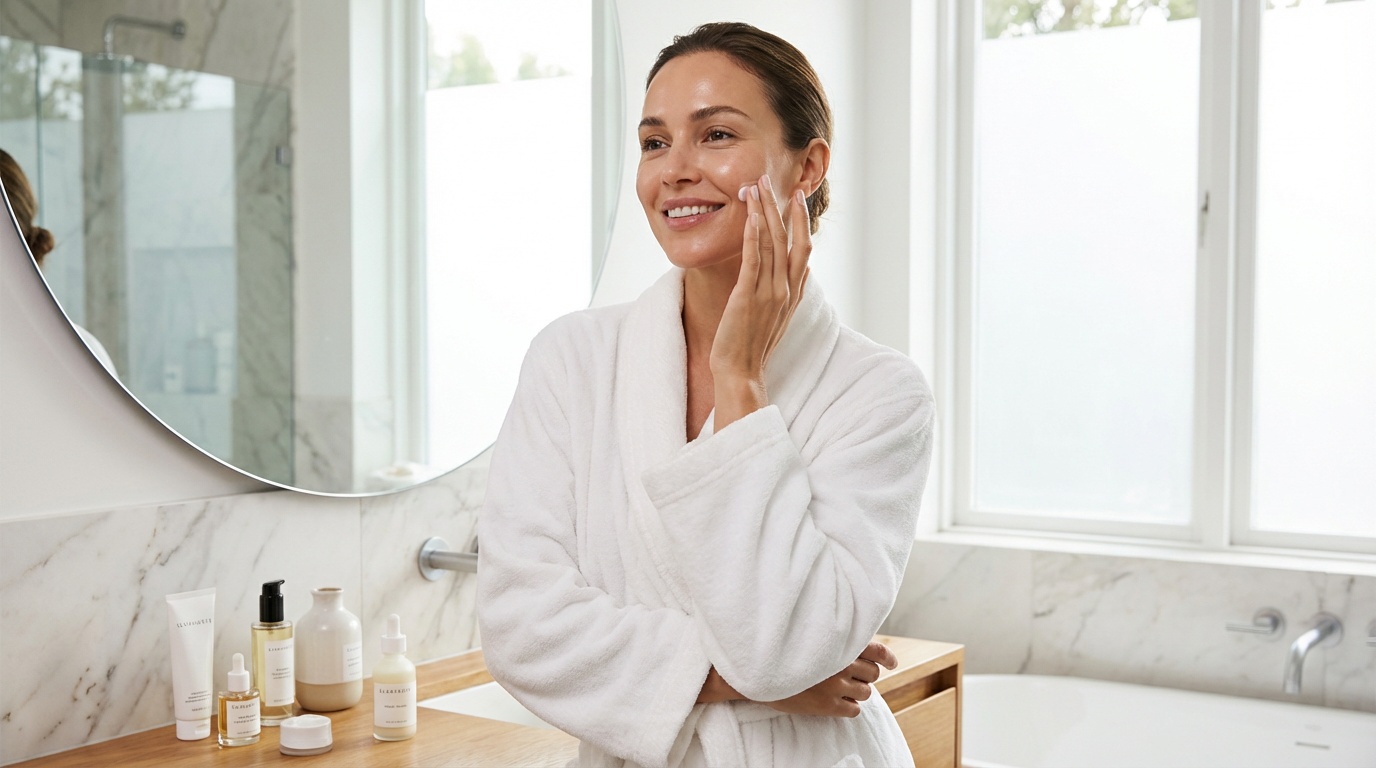
If you want something you can actually start today, here's a realistic beginner setup.
Morning routine
- Gentle cleanser or rinse with water
- Hydrating toner
- Lightweight moisturizer
- Sunscreen
Night routine
- Oil cleanser if you wore sunscreen or makeup
- Water-based cleanser
- Essence or serum
- Moisturizer
That's it. You can keep this routine for a few weeks before adding anything else.
If your skin feels tight, add a richer cream at night. If it feels greasy by midday, switch to a lighter moisturizer instead of skipping hydration altogether. Weirdly enough, dehydrated skin can produce more oil.
I've also found that consistency beats intensity every time. A basic routine you stick with is way more useful than an elaborate one you give up on after six days.
The Bottom Line
A korean skincare routine for beginners doesn't need to be complicated to work. Start with the basics, choose gentle ingredients that support your skin barrier, and build slowly based on your skin type and concerns.
Look, the best routine is the one you'll actually use. Cleanse gently, hydrate well, wear sunscreen every morning, and give your skin a little time before deciding something isn't working.
If you want more simple skincare tips and soft-on-your-wallet product picks, sign up for Insider Beauty's weekly deals and updates.
Want more tips and exclusive beauty deals delivered to your inbox? Pop your email in the box below and join thousands of insiders who save big every week.