
A retinol for beginners guide starts with one simple rule: go low, go slow, and protect your skin barrier. Most beginners do best with a low-strength retinol serum or cream used 1 to 2 nights a week, followed by moisturizer and daily SPF, because that lowers the risk of peeling, burning, and breakouts.
Quick Takeaways
- Start with a low strength: Beginners usually do well with a gentle retinol serum or cream in the 0.1% to 0.3% range.
- Use it at night only: Apply retinol after cleansing on dry skin, then follow with a moisturizer.
- Begin 1 to 2 nights weekly: Increase slowly only if your skin stays calm.
- Wear sunscreen every morning: Retinol makes skin more sun-sensitive, so SPF 30 or higher is non-negotiable.
- Skip harsh pairings at first: Avoid layering retinol with strong exfoliating acids or benzoyl peroxide until your skin adjusts.
What is retinol and why should beginners use it?

Retinol is a vitamin A derivative that helps speed up skin cell turnover and supports collagen production. In plain English, it can help with fine lines, uneven texture, post-acne marks, clogged pores, and dullness over time.
So, why all the fuss? Because retinol is one of the most well-studied skincare ingredients out there. I've found that when people use it consistently, patiently, and without overdoing it, they usually see smoother skin and fewer rough patches within a couple of months. Deeper changes, like softening fine lines or improving stubborn discoloration, often take longer.
For beginners, the big thing to remember is this: retinol works best when your skin can tolerate it. More product does not mean faster results. Usually it just means an angry face and regret, honestly.
How do you start retinol without irritation?
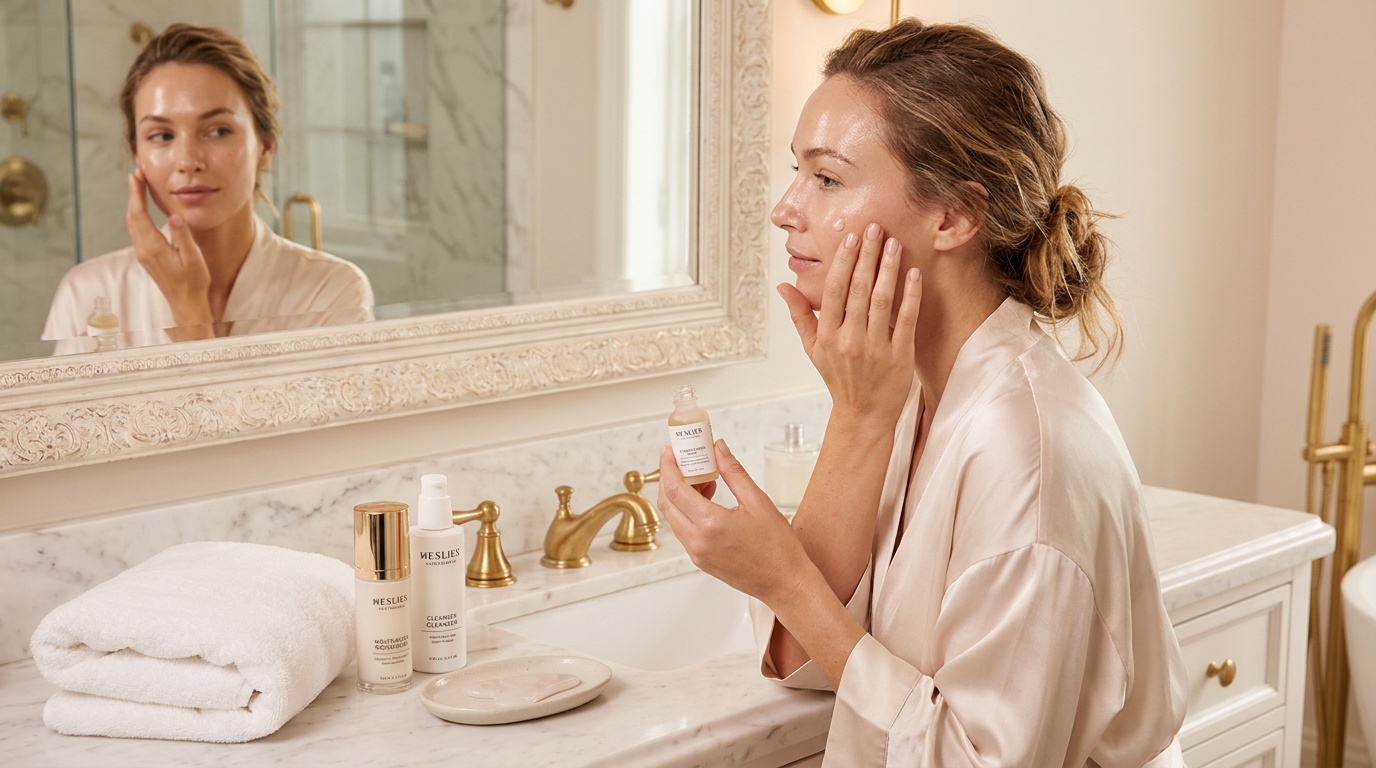
The safest way to start this retinol for beginners guide is with a simple routine and a slow schedule. Retinol can cause dryness, redness, flaking, and a tight feeling in the first few weeks, especially if your barrier is already stressed.
Here’s a beginner-friendly routine you can use tonight:
- Cleanse with a gentle, non-stripping cleanser.
- Pat skin fully dry and wait a minute or two.
- Apply a pea-sized amount of retinol to the whole face.
- Avoid the corners of the nose, lips, and immediate eye area at first.
- Follow with a plain, nourishing moisturizer.
- Use retinol only 1 to 2 nights per week for the first two weeks.
- If your skin feels comfortable, increase to every third night, then every other night.
- Apply broad-spectrum SPF 30 or higher every morning.
Look, the pea-sized rule matters. I know it sounds tiny, but that's usually enough for your full face. Spreading more on won't make collagen show up early.
What strength of retinol is best for beginners?
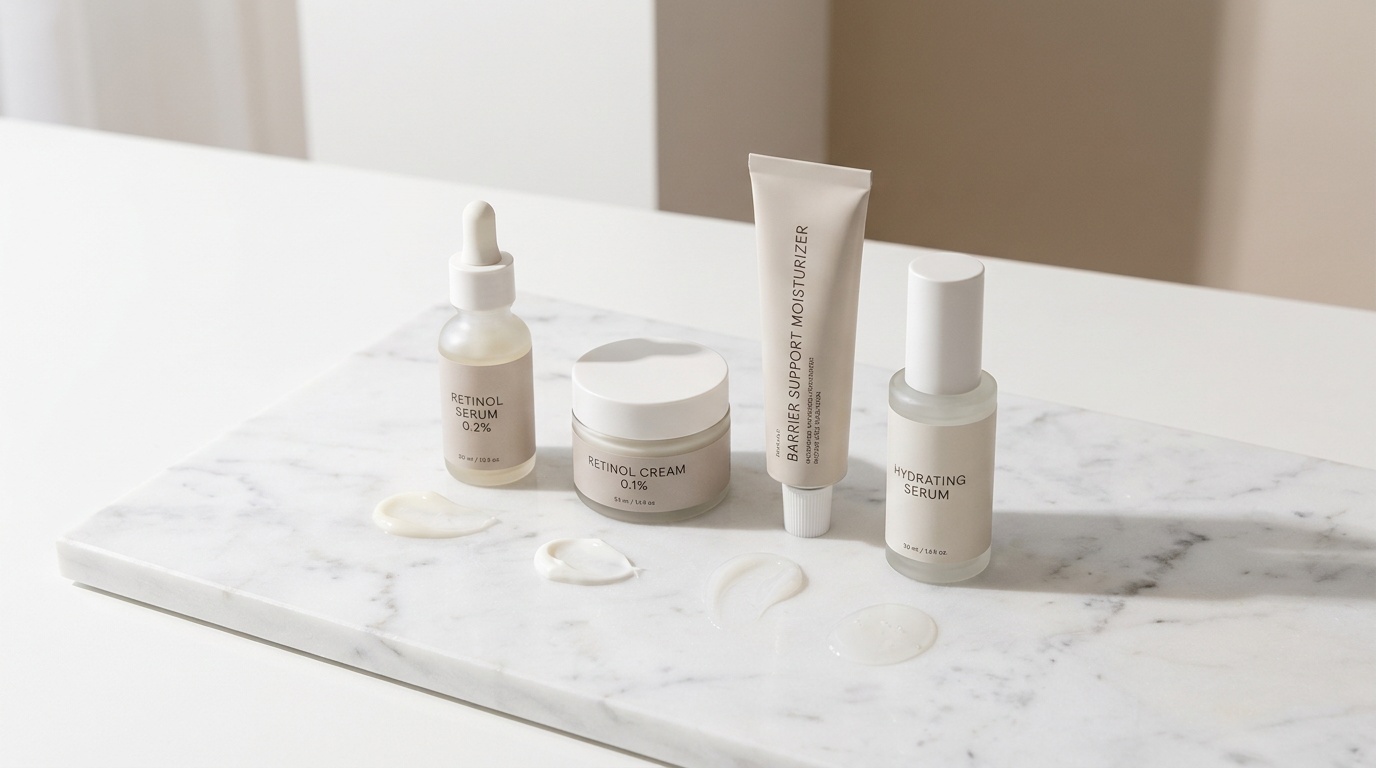
For most beginners, a low-strength retinol is the sweet spot. That usually means around 0.1% to 0.3% retinol in a cream or serum format. If your skin is dry, reactive, or eczema-prone, a cream base is often easier to tolerate than a fast-absorbing gel.
Good product types for beginners include:
- Retinol cream: Usually more moisturizing and better for dry or sensitive skin.
- Retinol serum: Lightweight and often a good fit for normal, oily, or combination skin.
- Barrier-support moisturizer: Great to pair with retinol, especially if it contains ceramides, glycerin, or squalane.
I've found that formulas with supportive ingredients like ceramides, hyaluronic acid, niacinamide, glycerin, or squalane tend to feel a lot friendlier on beginner skin. On the flip side, if a retinol product also contains lots of fragrance, alcohol, or strong exfoliating acids, I'd be cautious.
How often should beginners use retinol?
This is where most people mess up. They get excited, use retinol every night, and then assume the ingredient is "not for them" when their face starts stinging.
A better schedule looks like this:
- Weeks 1 to 2: 1 to 2 nights per week
- Weeks 3 to 4: Every third night if skin is calm
- Weeks 5 to 6: Every other night if tolerated
- After that: Nightly only if your skin truly handles it well
So, if your skin gets red, itchy, shiny-tight, or flaky, that's your sign to slow down. Take a few nights off, moisturize well, and restart at a lower frequency. Mild dryness can happen, but stinging that lingers is not something to push through.
And yes, purging can happen, especially if you're acne-prone. Retinol speeds up turnover, so clogged pores may come to the surface faster. Purging usually shows up in areas where you already break out and settles within a few weeks. If you're getting new irritation in unusual spots, that may be simple irritation, not purging.
What should you avoid mixing with retinol?
A smart retinol for beginners guide has to cover ingredient pairing, because this is where routines get messy fast.
When you first start retinol, try not to layer it in the same routine with:
- AHAs or BHAs: Glycolic acid, lactic acid, and salicylic acid can increase irritation when combined with retinol too soon.
- Benzoyl peroxide: This can be too drying for beginners and may make skin more reactive.
- Physical scrubs: These can create micro-irritation on already sensitive skin.
- Strong vitamin C formulas: Some people tolerate this combo, but beginners usually do better separating them.
What pairs well with retinol?
- Moisturizer with ceramides: Helps support the skin barrier.
- Hydrating serum: Think glycerin or hyaluronic acid for extra water content.
- Gentle cleanser: Keeps the routine simple and less irritating.
Honestly, one of the easiest beginner tricks is the moisturizer sandwich method:
- Apply a light layer of moisturizer.
- Use a pea-sized amount of retinol.
- Seal with another layer of moisturizer.
This buffers the retinol a bit, which can make a huge difference if your skin is sensitive.
How long does retinol take to work?
Retinol is not instant, and that’s probably the hardest part. You may notice some smoother texture or a little glow in 4 to 8 weeks, but more visible improvements in fine lines, pigmentation, and acne often take 8 to 12 weeks or longer.
Consistency matters more than intensity. A low-strength retinol used steadily for months usually beats an aggressive routine you quit after two weeks.
A few realistic timelines:
- Texture and dullness: 4 to 8 weeks
- Breakouts and clogged pores: 6 to 12 weeks
- Post-acne marks and discoloration: 8 to 12 weeks or more
- Fine lines: 3 to 6 months, sometimes longer
I've found that taking a quick photo every two weeks helps, because daily mirror-checking can make it feel like nothing's happening. Then suddenly you compare pictures and go, oh, okay, there it is.
Who should not use retinol right away?
Retinol isn't a fit for every skin moment. You may want to hold off or check with a dermatologist first if:
- You’re pregnant or breastfeeding
- You have rosacea, eczema, or a damaged skin barrier
- You recently had a chemical peel, laser treatment, or waxing on the face
- You’re using prescription acne or anti-aging treatments already
Look, if your skin is burning from a strong cleanser, windy weather, and three actives you saw on social media, retinol is not the first thing to add. Calm the barrier first. A simple routine with cleanser, moisturizer, and sunscreen can do a lot more than people think.
What does the best beginner retinol routine look like?

If you want a simple template, here’s a solid one.
Morning routine:
Gentle cleanser or just rinse with water
Hydrating serum if needed
Moisturizer
Broad-spectrum SPF 30 or higherNight routine on retinol nights:
Gentle cleanser
Retinol serum or retinol cream
Barrier-support moisturizer
Night routine on non-retinol nights:
- Gentle cleanser
- Hydrating serum or plain moisturizer
- Optional richer cream if skin feels dry
That’s it. No 10-step routine needed. The best beginner routine is usually the boring one you can actually stick to.
The Bottom Line
The best retinol for beginners guide is simple: choose a low-strength formula, use a pea-sized amount 1 to 2 nights a week, moisturize generously, and wear sunscreen every single morning. Retinol can help with texture, acne, fine lines, and tone, but only if you introduce it slowly and respect your skin barrier.
So, be patient with it. Start small, keep the rest of your routine gentle, and let consistency do the heavy lifting.
If you want more smart skincare tips and soft-on-your-wallet finds, sign up for Insider Beauty’s weekly deals and get the good stuff sent straight to your inbox.
Want more tips and exclusive beauty deals delivered to your inbox? Pop your email in the box below and join thousands of insiders who save big every week.