

The best moisturizer for dry skin in winter is a rich, fragrance-free cream with humectants, emollients, and occlusives like glycerin, ceramides, hyaluronic acid, squalane, shea butter, or petrolatum. These ingredients work because winter air pulls water out of skin, and a thicker moisturizer helps replace lost hydration while sealing it in. Here's how to pick one that actually helps dry, flaky, tight skin feel comfortable again.
Quick Takeaways
- Choose a cream, not a lightweight lotion, if your skin feels tight, flaky, or rough in winter.
- Look for barrier-supporting ingredients like ceramides, glycerin, hyaluronic acid, squalane, and petrolatum.
- Apply moisturizer on slightly damp skin within a minute or two after washing for better water retention.
- Avoid common winter triggers like hot water, harsh cleansers, and too many exfoliating acids.
- Use different textures if needed: a rich face cream by day and an occlusive balm on extra-dry spots at night.
What is the best moisturizer for dry skin in winter?
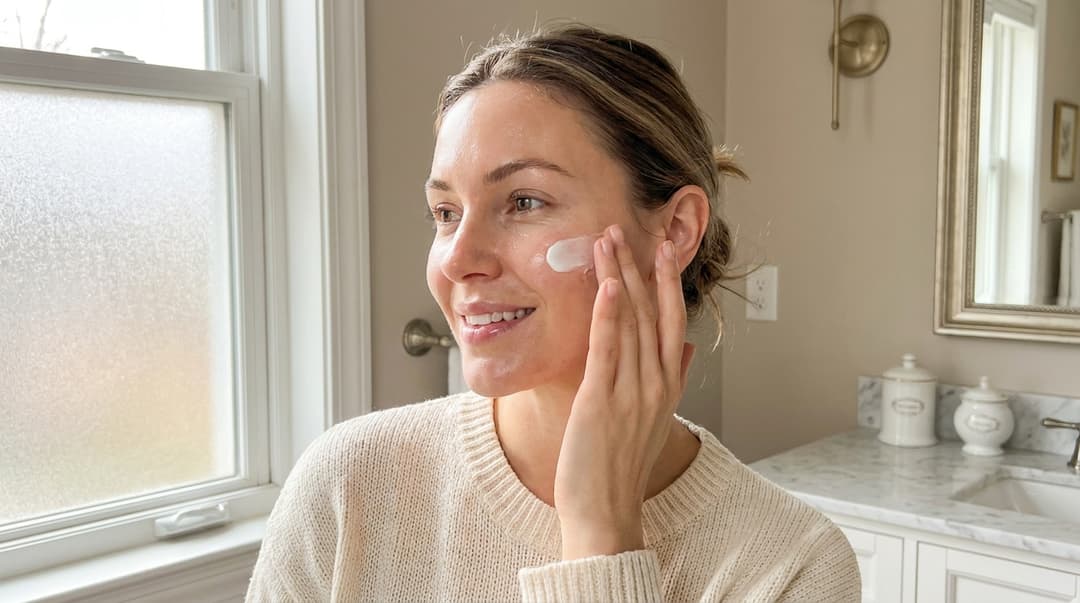
For most people, the best moisturizer for dry skin in winter is a thick cream moisturizer that does three jobs at once:
- Pulls water into the skin with humectants like glycerin and hyaluronic acid
- Softens rough, flaky skin with emollients like squalane, fatty acids, and shea butter
- Locks moisture in with occlusives like petrolatum, dimethicone, or rich plant butters
If your skin is only a little dry, a barrier cream may be enough. If it feels cracked, stings, or gets flaky around the nose and mouth, you'll probably do better with a thicker face cream or even an occlusive balm over moisturizer at night.
I've found that a lot of people think they need more water-based hydration in winter, but what they really need is more seal. Hydration matters, sure, but if your skin barrier is leaky, that water disappears fast.
Which ingredients help dry winter skin most?
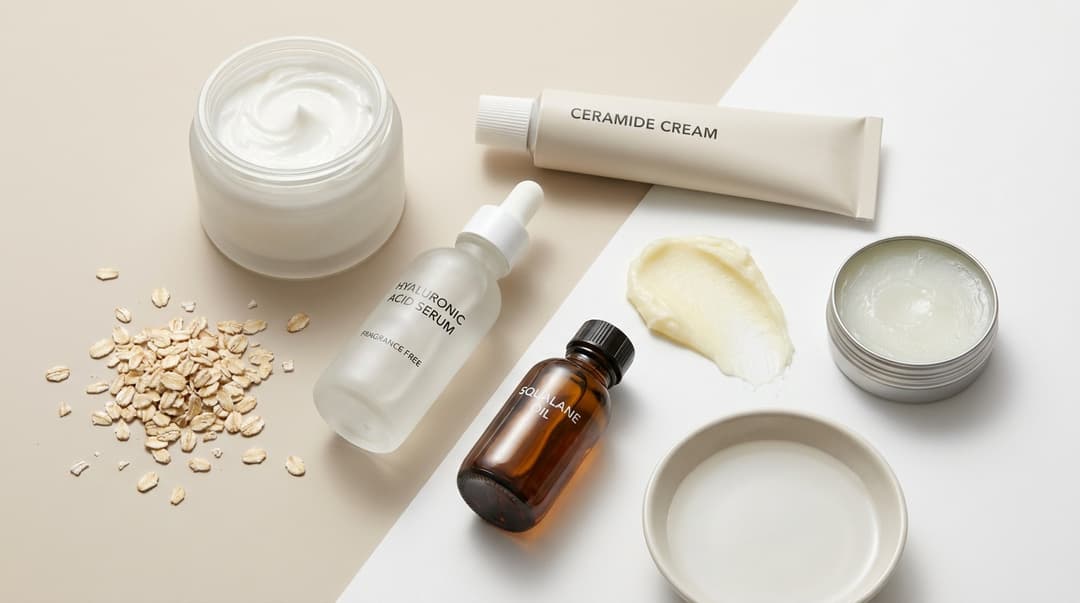
Look, ingredient lists can get overwhelming fast. If you want a quick shortcut, these are the ones worth spotting on the label.
- Glycerin: One of the best humectants for dry skin. It helps draw water into the outer layer of skin and is usually better tolerated than trendier ingredients.
- Ceramides: These are lipids naturally found in skin. They help repair the barrier and reduce moisture loss, which is a huge deal in cold weather.
- Hyaluronic acid: Helpful for hydration, especially when paired with richer ingredients. On its own, it may not be enough for very dry winter skin.
- Squalane: A lightweight emollient that smooths and softens without feeling too greasy.
- Shea butter: Rich and nourishing, especially nice for rough patches and cheeks that get windburned.
- Petrolatum: One of the most effective occlusives out there. It can reduce transepidermal water loss significantly and is great for severely dry areas.
- Dimethicone: A silky occlusive that helps protect skin and smooth flaking.
- Colloidal oatmeal: Great if your winter dryness comes with itching or sensitivity.
Ingredients to be cautious with if your skin is struggling: strong fragrance, high amounts of denatured alcohol, and too many exfoliating acids layered on top of already dry skin.
Should you use cream, lotion, or balm in winter?
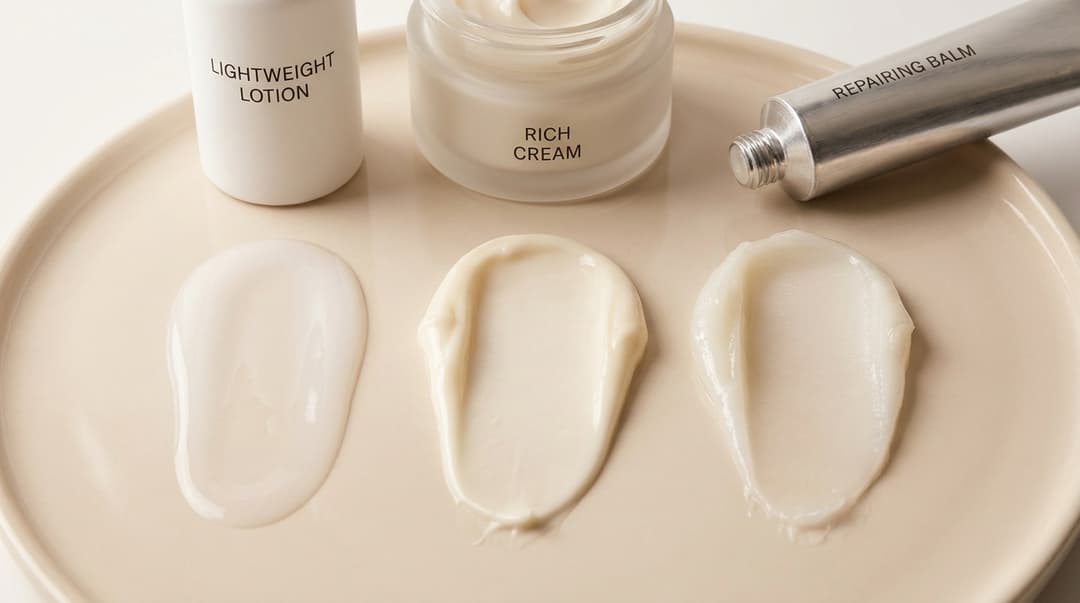
Honestly, texture matters more than people think.
- Lotion: Best for mild dryness or more humid climates. Usually has a higher water content and feels lighter.
- Cream: Usually the sweet spot for winter. Richer, more protective, and better at reducing that tight, stripped feeling.
- Balm or ointment: Best for very dry, cracked, or irritated spots. Think around the nose, lips, under the eyes, or flaky patches on the cheeks.
If you're trying to find the best moisturizer for dry skin in winter, start with a cream moisturizer first. Then add a balm only where you need extra protection. That way you don't end up feeling like your whole face is coated in candle wax. Been there.
How do you apply moisturizer for the best results?

A great moisturizer can still underperform if your routine is working against it. Here's the order that tends to help most.
- Wash with a gentle, non-foaming or low-foaming cleanser.
- Pat skin so it's slightly damp, not dripping wet.
- Apply any simple hydrating serum if you use one.
- Smooth on a rich moisturizer within 60 seconds of cleansing.
- Press a thin layer of balm or ointment over extra-dry spots at night.
- In the morning, finish with broad-spectrum sunscreen.
So, yes, timing matters. Moisturizer works best when it traps the water already sitting on your skin. If you wait until your face is bone dry, you're missing an easy win.
Why does skin get so dry in winter?
Winter dryness isn't just about cold air. It's usually a combo of things happening at once.
- Lower humidity outdoors: Cold air holds less moisture, so skin loses water faster.
- Indoor heating: Radiators and forced air can make the air inside super dry too.
- Hot showers: They feel amazing, but they strip oils from the skin barrier.
- Harsher routines: Over-cleansing, retinoids, and acids can hit harder in winter.
- Wind exposure: Wind can physically irritate skin and worsen redness and flaking.
When your skin barrier gets disrupted, you may notice tightness, dullness, rough texture, flakes, redness, or even stinging when you apply products. That's usually your cue to simplify and switch to a richer moisturizer.
What mistakes make winter dry skin worse?
I've found that dry winter skin often sticks around because of a few sneaky habits, not because someone picked the "wrong" moisturizer.
- Using a gel moisturizer only: Nice in summer, often not enough in January.
- Cleansing too often: Twice a day can be too much for some dry skin types in winter.
- Taking long, hot showers: This one gets almost everybody.
- Over-exfoliating: Scrubs, acids, and retinoids can pile up irritation fast.
- Skipping moisturizer in the morning: Dry air doesn't care that you stayed inside.
- Not applying enough product: A pea-size amount may not cut it for face and neck if your skin is really dry.
A practical fix: switch to a cream cleanser, use lukewarm water, and cut exfoliation back to once weekly or less if your skin is flaky or stingy.
What product types work best for very dry or sensitive skin?
If your skin is extra reactive in winter, simpler is usually better. These product types tend to work well:
- Fragrance-free barrier cream: Great for daily use and skin barrier support
- Ceramide-rich face cream: Helpful for dryness, sensitivity, and post-retinoid irritation
- Occlusive balm or ointment: Best as a nighttime top layer on cracked or flaky areas
If your skin burns when you apply almost anything, look for formulas with minimal ingredients and skip actives for a few days. Sometimes the best moisturizer for dry skin in winter is just the boring, reliable one your skin doesn't argue with.
Also, if you have eczema-prone skin, persistent cracking, or redness that won't calm down, it may be worth checking in with a dermatologist. Not every flaky patch is just "winter skin."
How can you keep skin hydrated all winter long?
The moisturizer matters, but the surrounding habits matter too.
- Use a humidifier in your bedroom if indoor heat is drying you out
- Wash with lukewarm, not hot, water
- Apply moisturizer after every cleanse
- Protect skin from wind with a scarf and a richer cream before heading outside
- Scale back acids and retinoids when your barrier feels stressed
- Moisturize hands and neck too, because they usually get neglected and show dryness fast
One little trick I love: keep a richer cream by the sink and another by the bed. That makes it way more likely you'll actually use it consistently.
The Bottom Line
The best moisturizer for dry skin in winter is usually a thick, fragrance-free cream packed with ingredients like glycerin, ceramides, squalane, shea butter, and petrolatum. It should hydrate, support the skin barrier, and reduce moisture loss, not just feel nice for five minutes. If your skin is flaky, tight, or irritated, switch from lightweight lotion to a richer cream and apply it on damp skin right after cleansing.
And if you want more smart beauty picks and low-key excellent finds, sign up for Insider Beauty's weekly deals so you don't miss the good stuff.
Want more tips and exclusive beauty deals delivered to your inbox? Pop your email in the box below and join thousands of insiders who save big every week.