
An Olaplex treatment explained simply: it’s a bond-building hair treatment designed to help reconnect broken disulfide bonds inside the hair shaft. That matters because bleaching, coloring, heat styling, and even rough brushing can weaken those bonds, leaving hair feeling dry, stretchy, frizzy, or prone to breakage.
Quick Takeaways
- Olaplex is a bond-building treatment: It helps support damaged hair by targeting broken bonds, not just coating strands with softness.
- It’s best for chemically treated or heat-damaged hair: Bleached, highlighted, relaxed, or overstyled hair usually sees the biggest difference.
- It’s not a conditioner replacement: You’ll still need moisture from products like a hair mask, leave-in conditioner, or lightweight hair oil.
- Results are cumulative: One treatment can help, but regular use tends to give the most noticeable improvement.
- Technique matters: Applying it to damp hair, leaving it on long enough, and following with moisturizing products can make a big difference.
What is an Olaplex treatment?

So, let’s get into the real Olaplex treatment explained answer. Olaplex is a hair repair treatment built around bond technology. Instead of only smoothing the outside of the hair like a traditional conditioner or silicone serum, it works on the internal structure of the strand.
Hair is made up of proteins held together by different kinds of bonds. The ones people talk about most with Olaplex are disulfide bonds, which help give hair strength, shape, and elasticity. When those bonds are damaged by bleach, permanent dye, hot tools, UV exposure, or mechanical stress, hair can start to feel weak and rough.
An Olaplex treatment is meant to help support those damaged areas so hair feels stronger, looks shinier, and breaks less easily. I’ve found that people often expect instant glass-hair results, but the real benefit is usually more about less breakage, better manageability, and improved resilience over time.
How does Olaplex work on damaged hair?
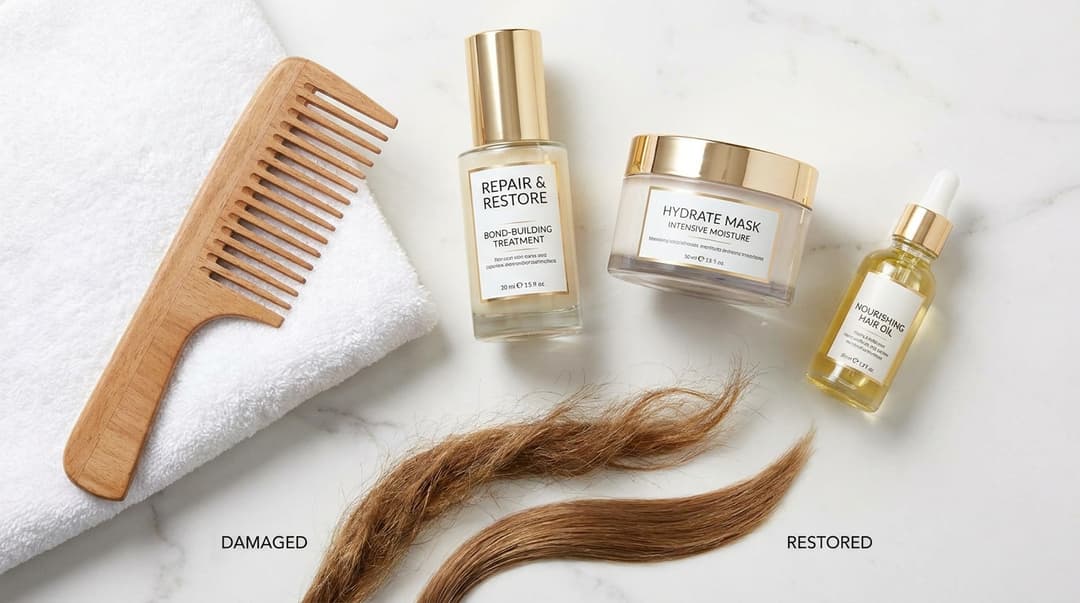
The short version: it’s a bond builder, not just a surface-level softener.
Here’s how it works in practical terms:
- Chemical services and heat can weaken the internal structure of hair.
- A bond-building treatment is applied to help reconnect damaged disulfide bonds.
- Stronger internal support can make hair feel less mushy, less brittle, and more elastic.
- Follow-up moisture helps the hair look and feel smoother afterward.
That last part gets overlooked a lot. Bond repair and moisture are not the same thing. If your hair is damaged, you usually need both. Honestly, this is where people get disappointed. They use a bond treatment once, skip a hydrating mask, and then wonder why their hair still feels dry. Dryness and structural damage often show up together, but they’re not identical problems.
Who should use an Olaplex treatment?
An Olaplex treatment can be helpful for a lot of hair types, but it tends to make the biggest difference for hair that’s been through a lot.
- Bleached or highlighted hair: Lightener is one of the fastest ways to weaken hair bonds.
- Color-treated hair: Repeated dye sessions can gradually stress the hair shaft.
- Heat-damaged hair: Daily flat ironing, curling, or blow-drying on high heat adds up.
- Relaxed or chemically straightened hair: These services can leave hair more fragile.
- Hair with breakage or excessive tangling: Especially if it feels stretchy when wet.
Look, if your hair is totally virgin, low-porosity, and already healthy, you may not notice dramatic results. You might still like the softness and shine, but the “wow” factor is usually stronger on compromised hair.
If your hair is fine, use bond treatments a little strategically. Fine hair can love repair, but too many rich styling layers afterward can weigh it down. In that case, pair the treatment with a lightweight conditioner and maybe a very small amount of leave-in cream.
What’s the difference between Olaplex and a deep conditioner?
This is probably the biggest point people search for when they want Olaplex treatment explained clearly.
A deep conditioner mainly focuses on moisture, softness, slip, and sometimes protein. It helps the outer layer of the hair feel smoother and more manageable.
An Olaplex treatment focuses on bond support inside the hair. It addresses structural damage rather than just dryness.
The easiest way to think about it:
- Bond treatment: Helps repair internal damage
- Deep conditioner: Helps restore moisture and softness
- Hair oil or serum: Helps seal, smooth, and add shine
You usually don’t need to choose one or the other. Most damaged hair routines work better when you combine them. I’ve found that the best results usually come from using a bond-building treatment first, then following with a moisturizing hair mask or nourishing conditioner.
How do you use an Olaplex treatment at home?

If you’re using an at-home bond treatment, technique matters more than people think. Here’s a simple routine you can try today.
- Start with slightly damp, towel-dried hair unless the product directions say otherwise.
- Section your hair so you can apply the treatment evenly from mid-lengths to ends.
- Add extra product to the most damaged areas, usually around the crown, front pieces, or bleached ends.
- Leave it on for the recommended time. If the instructions allow longer wear, that can be helpful for very damaged hair.
- Rinse if directed, then follow with a hydrating conditioner or hair mask.
- Finish with a leave-in conditioner or a small amount of hair oil to reduce friction and boost shine.
A few easy tips:
- Don’t pile on way more product than needed. Saturation matters, but drenching your hair won’t always improve results.
- Use a wide-tooth comb to distribute it gently.
- Keep heat styling low afterward if your hair is already fragile.
- Be consistent. Weekly or every other week is often more useful than one random treatment every few months.
How often should you use an Olaplex treatment?
This depends on your damage level.
For most people, a good starting point looks like this:
- Heavily bleached or very damaged hair: 1 to 2 times per week at first
- Moderately damaged hair: Once a week
- Mild damage or maintenance: Every other week or as needed
If your hair starts feeling stiff, coated, or just off, pull back and make sure your routine includes enough moisture. Sometimes the issue isn’t “too much repair” exactly, but an imbalance between repair, hydration, and cleansing.
Also, clarify your hair occasionally if you use lots of styling products. Build-up can stop treatments from performing their best. A gentle clarifying shampoo once every few weeks can help reset things, especially if you use dry shampoo, hairspray, or heavy creams.
What results can you realistically expect?

Let’s keep this honest. An Olaplex treatment explained the realistic way means knowing it can improve damaged hair, but it can’t magically turn severely broken hair into untouched virgin hair.
What you can usually expect:
- Less breakage over time
- Better elasticity, especially if your hair feels gummy when wet
- Smoother texture and easier detangling
- More shine because the hair surface sits better
- Improved manageability during styling
What it won’t do:
- Permanently fix split ends once they’ve fully split
- Replace regular trims
- Add enough moisture on its own for very dry hair
- Protect hair from future damage if you keep over-bleaching or using 450-degree tools daily
So yes, it can absolutely help. But your habits still matter. Lower heat, silk scrunchies, UV protection, and fewer back-to-back chemical services all make a difference.
Are salon Olaplex treatments better than at-home ones?
Usually, salon treatments feel stronger or more immediate because they’re often used during or alongside chemical services, when damage prevention is especially useful. A stylist can also customize the application based on your hair’s condition.
That said, at-home treatments are still worthwhile if you use them correctly and consistently. They’re especially good for maintenance between salon visits.
If you’re deciding between the two, here’s a simple way to think about it:
- Choose salon treatment if your hair is heavily bleached, freshly color-treated, or seriously compromised.
- Choose at-home treatment if you want ongoing maintenance and gradual improvement.
- Choose both if your hair has major damage and you’re trying to hold onto length.
Honestly, the combo tends to work best for frequent color clients.
The Bottom Line
An Olaplex treatment is a bond-building repair treatment that helps support damaged hair by reconnecting broken bonds inside the hair shaft. It’s most useful for bleached, color-treated, heat-damaged, or fragile hair, and it works best when paired with moisturizing products like a hair mask, leave-in conditioner, or lightweight oil.
If your hair feels weak, stretchy, frizzy, or breakage-prone, this is one of the more targeted options worth trying. Just keep your expectations realistic: stronger, healthier-feeling hair is the goal, not instant perfection.
And if you want more smart beauty breakdowns, plus editor-approved steals, sign up for Insider Beauty’s weekly deals newsletter. I’m always here for a good discount and better hair days.
Want more tips and exclusive beauty deals delivered to your inbox? Pop your email in the box below and join thousands of insiders who save big every week.