
The best products for frizzy hair are leave-in conditioners, anti-frizz serums, and nourishing hair masks that add moisture and seal the cuticle. These work because frizz usually happens when dry or damaged hair pulls moisture from the air, especially in humidity. Here’s how to choose the right formulas and use them for smoother, shinier hair.
Quick Takeaways
- Leave-in conditioner helps hydrate frizzy hair without weighing it down.
- Anti-frizz serum creates a lightweight barrier against humidity and flyaways.
- Hair masks with oils, ceramides, or proteins can smooth rough, porous strands.
- The best products for frizzy hair depend on your hair type, density, and how damaged your ends are.
- Application matters: even great products won’t do much if you’re using too much, too little, or applying them at the wrong step.
What causes frizzy hair?
Frizz is usually a moisture balance issue. When the hair cuticle is lifted or damaged, strands lose water easily and then grab moisture from the air. That swelling creates the fuzzy, puffy look a lot of us know too well.
Honestly, I’ve found that frizz gets worse when hair is dealing with one or more of these things:
- Dryness from heat styling or overwashing
- Humidity in the air
- Damage from bleach, color, or chemical treatments
- Rough towel-drying or aggressive brushing
- Naturally textured or high-porosity hair
So, shopping for the best products for frizzy hair isn’t really about finding the heaviest formula on the shelf. It’s about using products that hydrate, smooth, and protect without making your hair limp.
What are the best products for frizzy hair?
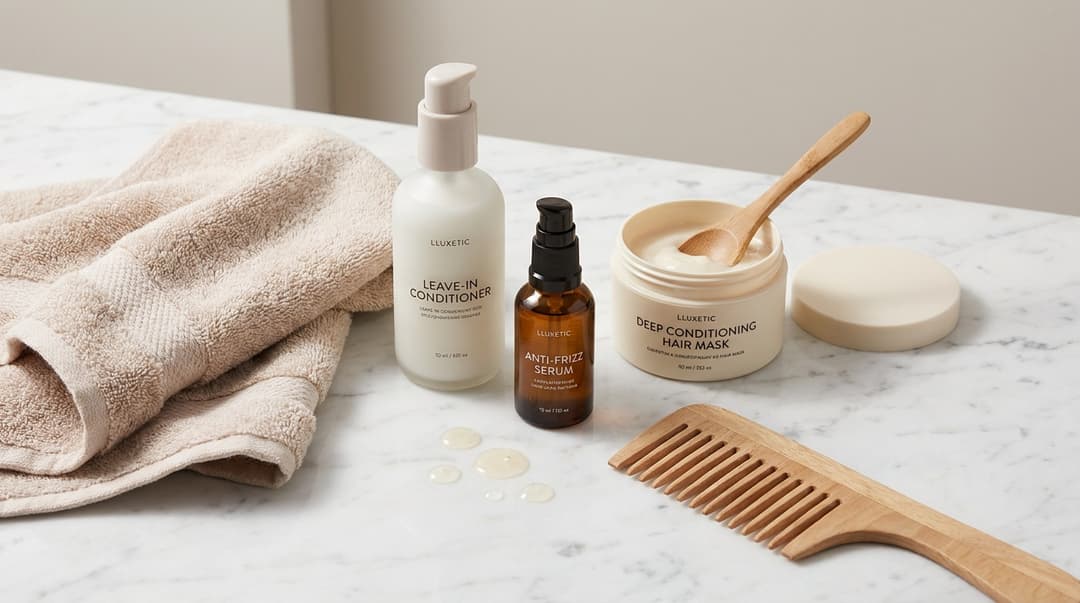
If you want a straight answer, start with these three product types:
- Leave-in conditioner for daily moisture and easier detangling
- Anti-frizz serum to smooth the cuticle and block humidity
- Deep conditioning mask once or twice a week to repair dryness and roughness
That trio covers most frizz concerns. If your hair is fine, go lighter on oils and richer on watery leave-ins. If it’s thick, coarse, curly, or bleached, richer creams and masks usually help more.
Look, you do not need a 12-step hair routine. A few smart products used consistently can make a visible difference.
How to choose the right anti-frizz products
The best anti-frizz products usually contain ingredients that either pull water into the hair, seal it in, or coat the surface so humidity can’t wreck your style.
Here’s what to look for on the label:
- Humectants: Ingredients like glycerin or panthenol help attract moisture. These can be great in dry climates, but in very humid weather, some people find they need to pair them with a sealing product.
- Silicones: Dimethicone, amodimethicone, and similar ingredients help smooth the hair shaft and reduce puffiness. Despite the internet drama, silicones can be really useful for frizz.
- Natural oils and butters: Argan oil, coconut oil, shea butter, and avocado oil can soften coarse or very dry hair.
- Ceramides and proteins: These help support damaged hair and fill in weak spots along the cuticle.
- Heat protectants: If you blow-dry or flat iron, this one matters a lot. Heat damage is a huge frizz trigger.
I usually tell friends to think about texture first. Fine hair tends to like sprays, lightweight milks, and a drop or two of serum. Thick or curly hair often does better with creams, richer leave-ins, and masks.
Best products for frizzy hair by product type
Leave-in conditioner
A leave-in conditioner is one of the easiest ways to make frizzy hair look better fast. It adds slip, helps with detangling, and gives dry strands a little cushion so they don’t puff up as they dry.
Best for:
- Fine to medium hair that needs lightweight hydration
- Curly or wavy hair that frizzes as it air-dries
- Color-treated hair that feels rough after washing
Tip: Apply leave-in to damp, not dripping wet, hair. I’ve found that if hair is too wet, the product can get diluted and you don’t get that smoothing effect as well.
Anti-frizz serum
Serums are classic for a reason. They coat the outer layer of the hair, which helps reduce flyaways, add shine, and keep humidity from sneaking in.
Best for:
- Blow-dried styles
- Straight or wavy hair prone to halo frizz
- Humid days when your hair expands the second you step outside
Tip: Start with less than you think you need. Rub it between your palms, then skim over mid-lengths and ends. Too much at the roots can make hair look greasy fast.
Deep conditioning mask
Hair masks are the repair step. If your frizz comes from bleach, hot tools, or split ends, a weekly mask can help smooth things out over time.
Best for:
- Thick, coarse, curly, or damaged hair
- Hair that feels straw-like or tangles easily
- Anyone seeing frizz plus dullness and breakage
Tip: Leave it on for at least 5 to 10 minutes. If your hair is really dry, comb it through in the shower with a wide-tooth comb for more even coverage.
How to use frizz products in the right order
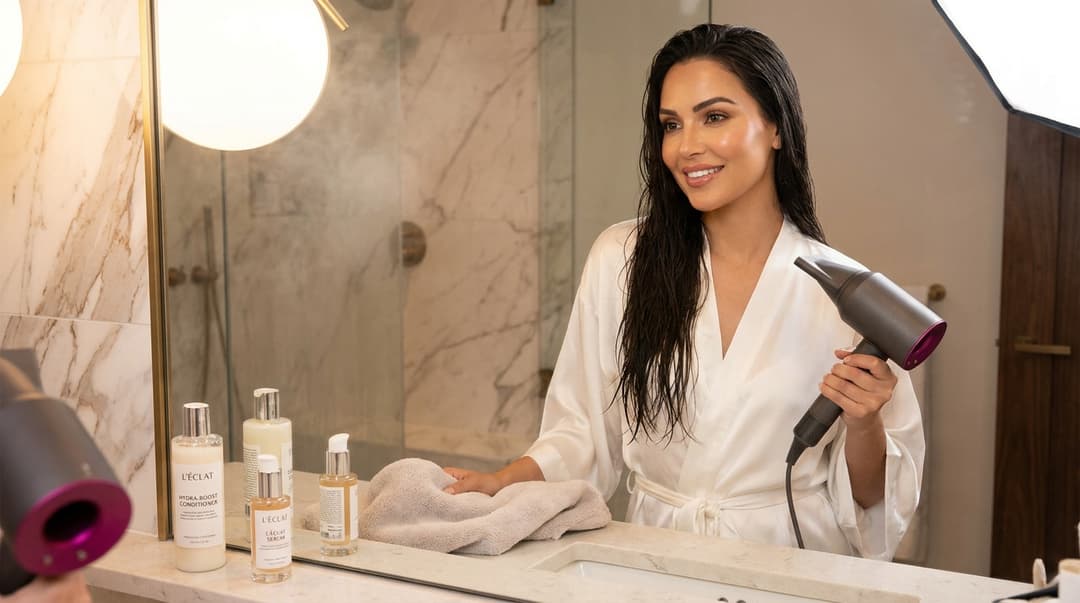
Even the best products for frizzy hair won’t work as well if you layer them randomly. Here’s a simple routine that works for most hair types:
- Wash with a gentle, moisturizing shampoo.
- Follow with a smoothing or hydrating conditioner.
- Apply a leave-in conditioner to damp hair.
- Add a small amount of anti-frizz serum on mid-lengths and ends.
- Use heat protectant before blow-drying or styling.
- Finish with one drop of serum or a light cream on dry ends if needed.
So, if your hair still feels frizzy after all that, the issue may be mechanical damage. Cotton towels, high heat, and rough brushing can undo a lot of good product work.
What helps frizzy hair besides products?
Products matter, but habits matter too. A lot, actually.
Try these practical fixes today:
- Swap your regular towel for a microfiber towel or soft T-shirt
- Use a wide-tooth comb instead of brushing wet hair aggressively
- Turn down the temperature on your blow-dryer and flat iron
- Sleep on a silk or satin pillowcase to reduce friction
- Don’t touch your hair constantly while it dries
- Trim split ends regularly so frizz doesn’t travel upward
I’ve found that one of the biggest mistakes is applying smoothing products and then blasting the hair with super high heat. That combo can leave hair looking sleek for an hour and fried by the end of the week.
Which frizz products work best for each hair type?
The best products for frizzy hair aren’t exactly the same for everyone.
- Fine hair: Choose lightweight leave-in sprays, fluid serums, and occasional masks. Heavy oils can flatten the roots.
- Thick hair: Rich creams, serums, and weekly masks usually work best because thicker strands often need more emollients.
- Curly hair: Layer moisture first, then seal. A leave-in plus cream or serum can help curls stay defined instead of fluffy.
- Color-treated or bleached hair: Focus on masks, bond-supporting treatments, ceramides, and heat protection.
- Wavy hair: Go easy on heavy butters. A light leave-in and anti-humidity serum usually give better bounce.
Look, sometimes frizz is just part of your natural texture, and that’s not a flaw. The goal doesn’t have to be pin-straight hair. It can simply be softer, healthier, more predictable hair.
The Bottom Line
The best products for frizzy hair are the ones that add moisture, smooth the cuticle, and protect against humidity without overwhelming your hair type. For most people, that means using a leave-in conditioner, anti-frizz serum, and deep conditioning mask consistently, plus a few smart styling tweaks.
Honestly, once you match the formula to your texture and stop overhandling your hair, frizz gets a lot easier to manage. If you want more beauty picks, smart product breakdowns, and editor-approved savings, sign up for Insider Beauty’s weekly deals.
Want more tips and exclusive beauty deals delivered to your inbox? Pop your email in the box below and join thousands of insiders who save big every week.