

The best way to repair damaged hair at home is to cut back on heat and chemical stress, use bond-building and moisturizing treatments, and handle your hair more gently day to day. This works because damaged hair usually has two problems at once: a weakened protein structure and a rough, dehydrated outer cuticle. Here's exactly how to repair damaged hair at home without making things worse.
Quick Takeaways
- Repair damaged hair at home by combining less heat, more moisture, and targeted protein or bond-repair treatments.
- Use a weekly hair mask and a leave-in conditioner to reduce dryness, frizz, and breakage.
- Wash less aggressively with a gentle shampoo, and focus conditioner on mid-lengths and ends.
- Trim split ends when needed because no product can fully seal a split end back together.
- Protect hair while sleeping and styling to prevent new damage while you fix the old stuff.
What causes damaged hair in the first place?
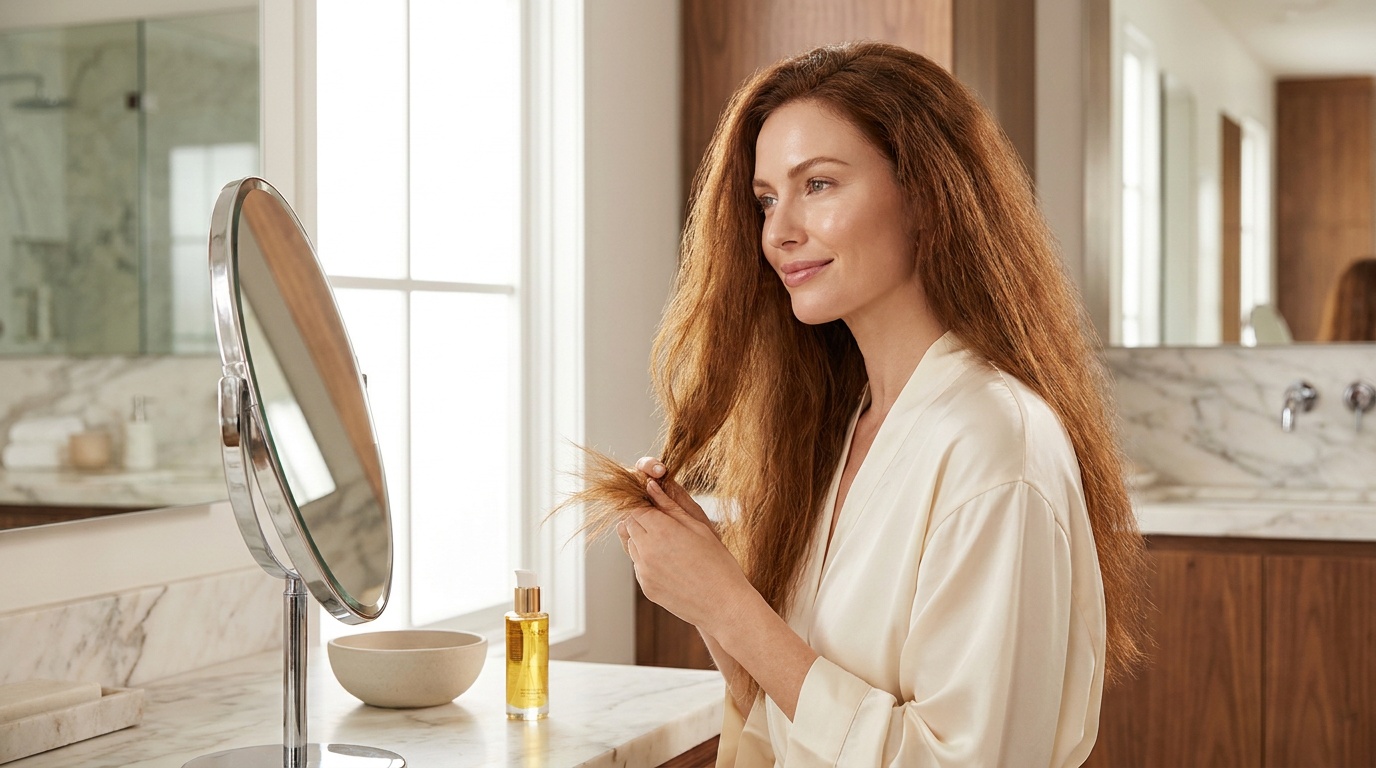
Damaged hair usually isn't from one thing. It's more like a pile-up of small habits plus maybe one big stressor, like bleach or daily hot tools. I've found that most people are dealing with a mix of protein loss, moisture loss, and cuticle damage.
Common causes include:
- Heat styling from flat irons, curling wands, and blow-dryers
- Bleaching, coloring, perms, or relaxers
- Rough brushing, tight hairstyles, and towel friction
- Overwashing or using harsh shampoos
- Sun exposure, chlorine, and hard water
- Skipping conditioner or using too much dry shampoo
So, what does damaged hair look like? Usually it feels rough, tangles easily, snaps when stretched, looks dull, and has frizzy or split ends. In more serious cases, hair can feel gummy when wet, which often points to major structural damage from overprocessing.
How to tell if your hair needs moisture, protein, or both
Before you start throwing products at the problem, it helps to know what your hair is asking for.
- Needs moisture: Hair feels dry, coarse, frizzy, and brittle, but not necessarily weak.
- Needs protein: Hair feels limp, overly stretchy, mushy when wet, or breaks easily.
- Needs both: Hair is dry and weak, which is honestly really common after coloring or frequent heat styling.
A simple at-home check: take one shed strand when it's wet and gently stretch it. If it barely stretches and snaps, you likely need more moisture. If it stretches a lot and doesn't bounce back, protein or bond support may help. It's not a perfect science, but it's a useful clue.
What products help repair damaged hair at home?
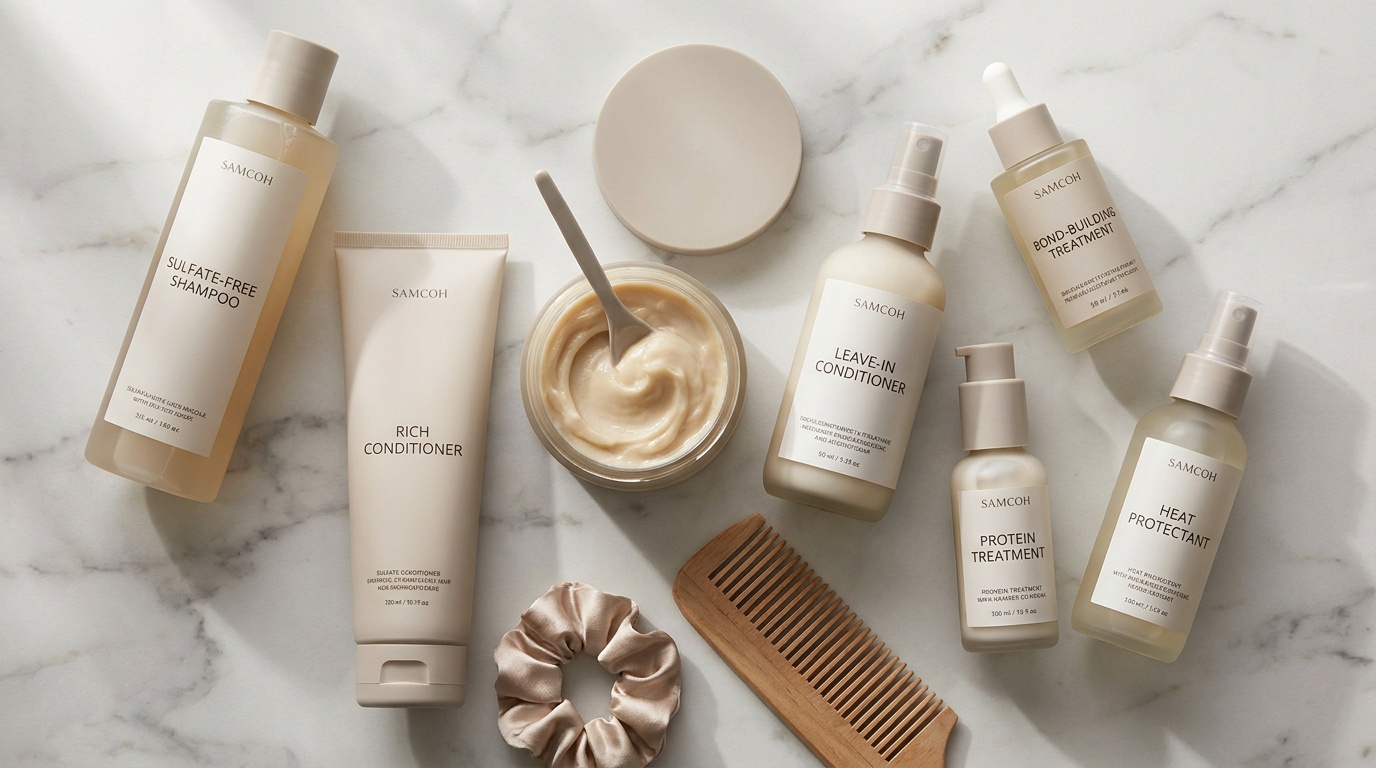
If you're trying to repair damaged hair at home, you do not need a shelf packed with 14 treatments. A few smart product types can do a lot.
Look for these:
- Gentle shampoo: Choose a sulfate-free or low-lather formula if your hair is very dry or color-treated.
- Rich conditioner: Look for ingredients like fatty alcohols, ceramides, glycerin, or plant oils.
- Hair mask: A weekly deep-conditioning mask helps soften rough cuticles and improve slip.
- Leave-in conditioner: Great for daily protection, detangling, and reducing friction.
- Bond-building treatment: Helpful for bleach, color, or heat damage because it supports broken internal bonds.
- Protein treatment: Best used occasionally if hair feels weak or overly elastic.
- Heat protectant: Non-negotiable if you're using any hot tool at all.
Honestly, the combination I've seen work best is gentle shampoo + rich conditioner + weekly mask + leave-in conditioner. Add a bond-building treatment if your hair has been through bleach or frequent heat.
How to repair damaged hair at home step by step
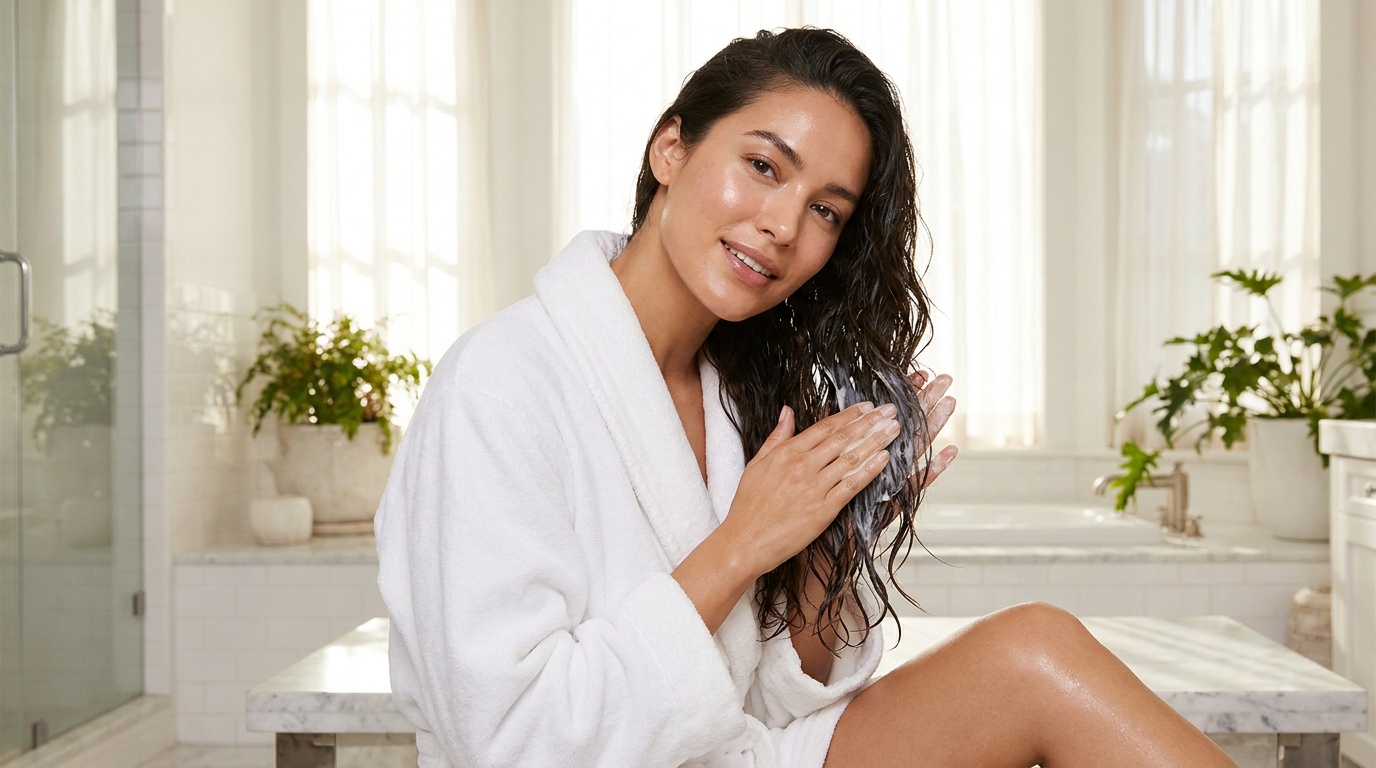
This is the part that actually matters: what to do, in order, every week.
- Wash less often if you can
- Use lukewarm water instead of hot
- Shampoo your scalp, not your ends
- Apply conditioner from mid-lengths to ends and let it sit for 3 to 5 minutes
- Swap in a hair mask once or twice a week
- Use a leave-in conditioner on damp hair
- Apply heat protectant before blow-drying or styling
- Air-dry partway before using hot tools
- Keep heat settings lower than 350°F when possible
- Sleep on a silk or satin pillowcase or use a soft hair wrap
Look, consistency matters more than perfection here. You probably won't see dramatic changes overnight, but within 2 to 4 weeks, hair often feels softer, tangles less, and looks shinier if you stick with it.
Can home remedies repair damaged hair?
Some home remedies can help hair feel better, but they don't truly rebuild severe damage. That's the part people don't always say out loud.
Here's the quick answer:
- Helpful: Coconut oil, aloe-based conditioners, and DIY masks that add softness or reduce friction
- Not enough on their own: Olive oil masks for heavily bleached or heat-fried hair
- Potentially risky: Raw egg masks, baking soda, lemon juice, or vinegar used too often
Coconut oil is one of the few kitchen ingredients with decent science behind it because it can reduce protein loss in hair. But even then, it's more supportive than curative. If your hair is snapping or feels gummy, a bond-building treatment or protein treatment is usually a better bet than raiding the pantry.
I've found that DIY treatments can be fine for mild dryness, but they can also leave buildup behind if you overdo them. So, keep it simple.
How to stop heat and styling damage fast
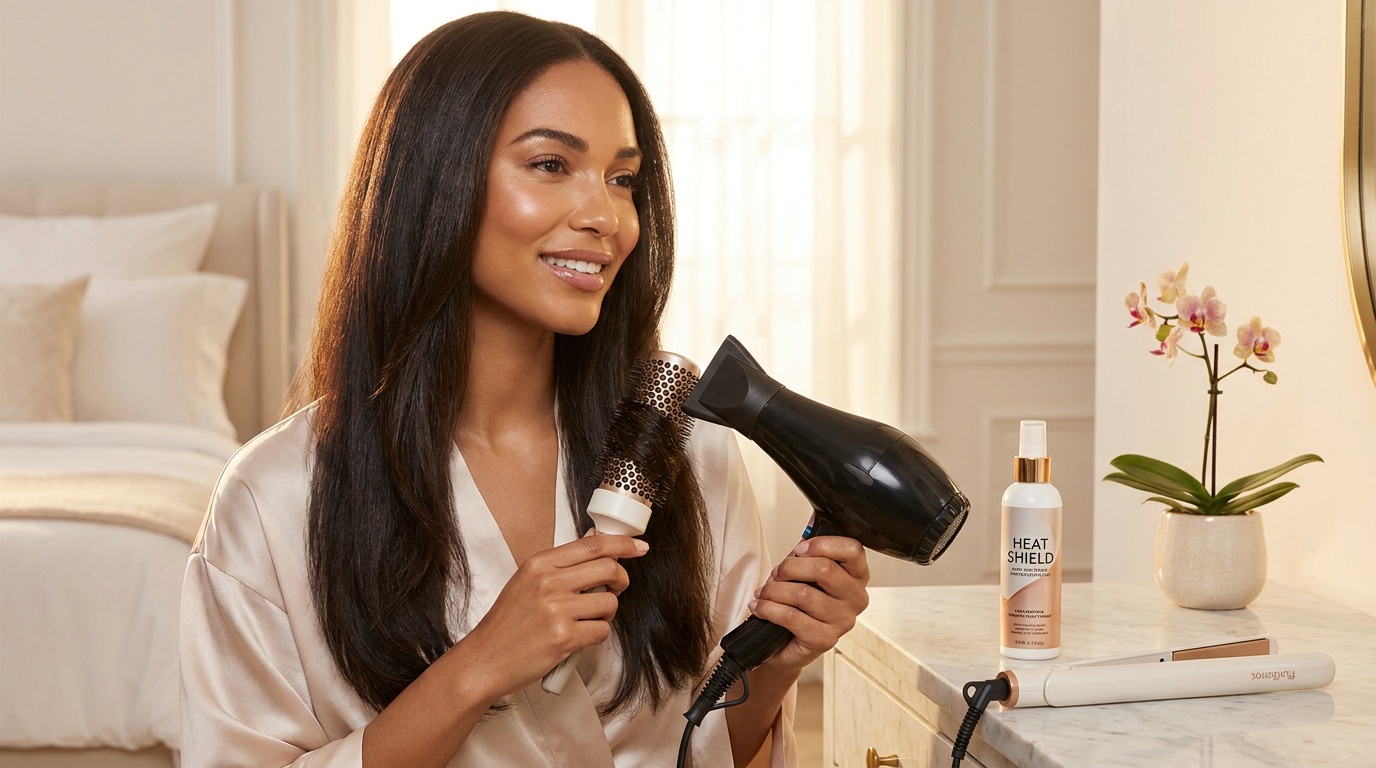
If you keep damaging your hair faster than you're repairing it, no mask is going to save the situation. A little dramatic, maybe, but true.
Try these fixes right away:
- Turn down the temperature: Fine or fragile hair usually does better at lower heat settings.
- Use one hot tool pass, not five: Multiple passes rough up the cuticle fast.
- Detangle gently: Start at the ends with a wide-tooth comb or flexible brush.
- Skip tight styles: Slick buns and tight ponytails can cause breakage around the hairline.
- Dry with a microfiber towel or T-shirt: Regular towels can create friction and frizz.
- Protect hair from sun and chlorine: Wear a hat outside and rinse hair before and after swimming.
So, if you want to repair damaged hair at home, the fastest win is usually reducing the daily habits that caused the damage in the first place.
Do you need to trim damaged ends?
Yes, sometimes you do. Products can temporarily smooth split ends, but they can't permanently fuse them back together.
If your ends look thin, frayed, or split upward along the shaft, a small trim will make your hair look healthier almost immediately. And weirdly, it can help you keep length in the long run because split ends tend to keep traveling.
A good rule: if your ends still feel crunchy after conditioning and leave-in products, or they knot constantly, it may be time for a dusting or trim.
How long does it take to repair damaged hair at home?
It depends on how damaged your hair is and whether the damage is mostly dryness or actual breakage.
Here's a realistic timeline:
- A few washes: Hair may feel softer and look shinier
- 2 to 4 weeks: Less tangling, less frizz, better manageability
- 1 to 3 months: Noticeable improvement in strength and breakage if you're consistent
- Longer for severe damage: Bleach damage and split ends often need ongoing care plus trims
Remember, hair is technically dead fiber once it grows out of the scalp. That means "repair" often means improving the feel, flexibility, and appearance of the hair fiber while preventing further breakage. New healthy growth starts at the scalp, but your lengths need protective care.
The Bottom Line
To repair damaged hair at home, focus on three things: less stress, more moisture, and targeted repair. Use a gentle shampoo, rich conditioner, weekly hair mask, leave-in conditioner, and heat protectant, and add a bond-building or protein treatment if your hair is weak from bleach or heat. Honestly, small routine changes can make a bigger difference than chasing trendy fixes.
If you want more smart beauty tips and editor-approved picks, sign up for Insider Beauty's weekly deals and get the good stuff sent straight to your inbox.
Want more tips and exclusive beauty deals delivered to your inbox? Pop your email in the box below and join thousands of insiders who save big every week.