
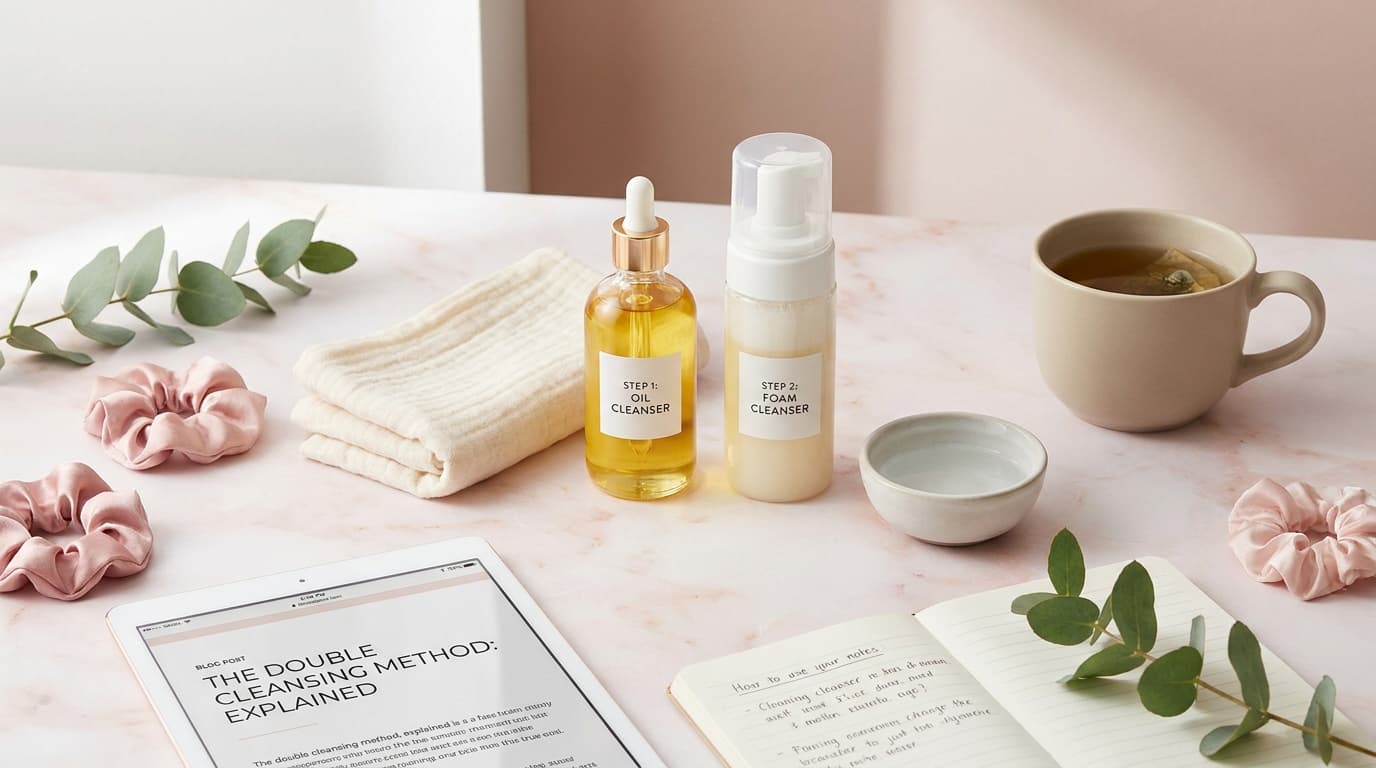
The double cleansing method explained in simple terms: you wash your face in two steps, first with an oil-based cleanser to break down sunscreen, makeup, and excess sebum, then with a water-based cleanser to remove sweat, dirt, and leftover residue. This works because many stubborn products are oil-soluble, while everyday grime is better lifted with a gentle second cleanse. Here's exactly how to do it without irritating your skin.
Quick Takeaways
- Double cleansing means two cleansers, used in order: oil-based first, water-based second.
- It’s most helpful at night if you wear sunscreen, makeup, or have oily skin.
- You don’t need harsh formulas: a cleansing balm, cleansing oil, or micellar oil followed by a gentle gel or cream cleanser usually does the job.
- It can improve product absorption by removing residue that may block your serums and moisturizer.
- Overdoing it can backfire: if your skin feels tight, stings, or flakes, your routine may be too aggressive.
What is the double cleansing method?

The double cleansing method is a two-step face-washing routine designed to clean the skin more thoroughly without relying on one harsh cleanser. Step one uses an oil-based formula to dissolve things that cling to skin, like long-wear makeup, water-resistant sunscreen, and excess oil. Step two uses a water-based cleanser to wash away sweat, debris, and anything left behind.
So, why not just use one cleanser? Because not all buildup behaves the same way. Oil dissolves oil, which is basic chemistry and a big reason this method makes sense. I've found that people often think their skin is "dirty" when really they're dealing with leftover sunscreen film or makeup residue that a single quick wash didn't fully remove.
In practical terms, the double cleansing method explained is less about scrubbing harder and more about cleansing smarter.
How do you double cleanse step by step?

Here’s the simplest way to do it at night:
- Start with dry hands and a dry face.
- Apply an oil-based cleanser, cleansing balm, or cleansing oil.
- Massage it in for 30 to 60 seconds, focusing on sunscreen-heavy areas, around the nose, and along the hairline.
- Add a little lukewarm water if the formula emulsifies, then rinse thoroughly.
- Follow with a gentle water-based cleanser, like a gel cleanser or cream cleanser.
- Massage for another 20 to 30 seconds.
- Rinse with lukewarm, not hot, water.
- Pat dry and apply the rest of your skincare while skin is slightly damp.
A few technique tweaks make a difference:
- Don’t rush the first cleanse: This is the step that loosens makeup and sunscreen.
- Use lukewarm water: Hot water can increase dryness and irritation.
- Keep contact time reasonable: Longer isn’t always better, especially if you have sensitive skin.
- Be gentle around the eyes: Tugging and rubbing can worsen irritation.
Honestly, most people don’t need to double cleanse in the morning. If your skin is dry or sensitive, a splash of water or one mild cleanser is usually enough after waking up.
Who should use double cleansing?
Double cleansing isn’t mandatory for everyone, but it can be really useful for certain skin types and routines.
You’re more likely to benefit if you:
- Wear daily sunscreen, especially water-resistant formulas
- Use makeup, particularly foundation, concealer, or long-wear products
- Have oily or acne-prone skin and tend to get congested pores
- Reapply sunscreen during the day
- Live in a city with heavier pollution exposure
You may not need it every night if you:
- Have very dry or eczema-prone skin
- Rarely wear sunscreen or makeup
- Already feel tight or irritated after cleansing
- Use prescription acne treatments or retinoids that make your barrier more reactive
Look, the best routine is the one your skin tolerates. I’ve seen patients with breakout-prone skin do beautifully with double cleansing, and I’ve seen others get red and flaky because they copied a routine that was too much for their barrier.
What products should you use for double cleansing?
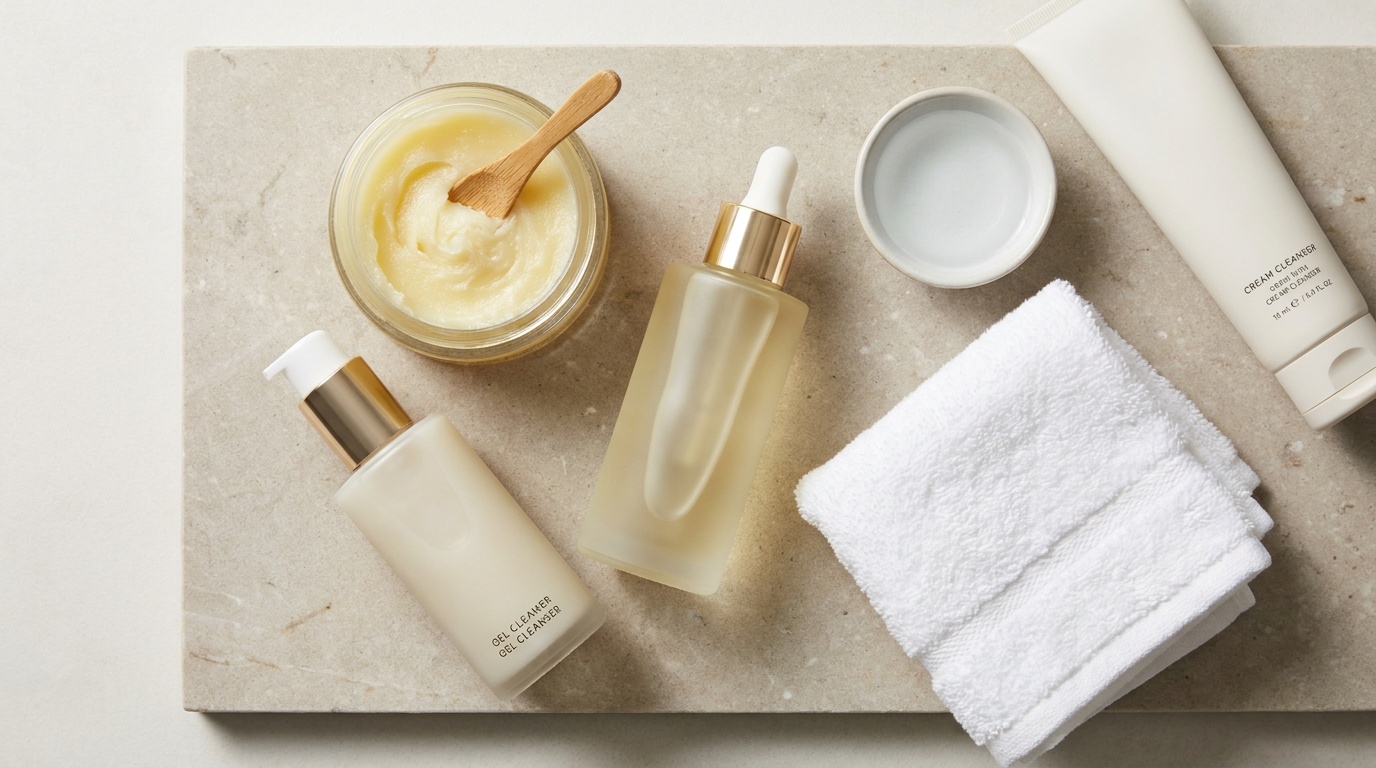
The first cleanser should be oil-based. The second should be water-based, gentle, and matched to your skin type.
Here’s a quick cheat sheet:
- For the first cleanse: cleansing balm, cleansing oil, or oil-infused micellar cleanser
- For the second cleanse if you’re oily: gentle gel cleanser or low-foam cleanser
- For the second cleanse if you’re dry or sensitive: cream cleanser, lotion cleanser, or very mild hydrating cleanser
- For acne-prone skin: fragrance-free gel cleanser with a simple formula; save strong actives for treatment steps, not both cleansers
A couple of ingredient notes:
- Good signs: glycerin, ceramides, squalane, mild surfactants
- Be cautious with: heavy fragrance, high amounts of essential oils, harsh sulfates, or exfoliating acids in both cleansers at once
The goal isn’t that squeaky-clean feeling. Squeaky usually means stripped. Clean skin should feel comfortable, not tight.
Can double cleansing cause breakouts or dryness?
Yes, it can, but usually because of the way it’s done, not because the concept itself is bad. When people say the double cleansing method explained sounds great but "made me break out," I usually look at three things: product choice, over-cleansing, and residue.
Common reasons it backfires:
- Your first cleanser is too heavy and doesn’t rinse clean
- Your second cleanser is too harsh, especially if it foams aggressively
- You’re cleansing twice a day when your skin only needs it once at night
- You’re using active ingredients in multiple steps, like acids in the cleanser plus a retinoid after
- You’re not rinsing fully, leaving film behind
If you’re getting dryness, try this:
- Double cleanse only at night.
- Switch your second cleanser to a cream or hydrating gel formula.
- Shorten cleansing time to under a minute per step.
- Apply moisturizer right away after patting skin dry.
- Pause exfoliants for a few days and see if your barrier calms down.
If you’re acne-prone, don’t assume any oil cleanser will clog pores. Many are formulated to emulsify and rinse clean. What matters more is the full formula and how your skin responds over 2 to 4 weeks.
Is double cleansing good for acne, sensitive skin, or dry skin?
It can be, but the answer depends on your skin barrier.
For acne-prone skin: double cleansing can help remove sunscreen, makeup, and excess oil more completely, which may reduce clogged pores for some people. But harsher is not better. A gentle cleansing oil followed by a mild gel cleanser is often enough.
For sensitive skin: you can still use this method, but choose fragrance-free formulas and keep the massage brief. If your skin stings regularly, start only on heavy sunscreen or makeup days.
For dry skin: this is where customization matters. A nourishing cleansing balm followed by a cream cleanser can work well, but every-night double cleansing may be too much if your barrier is already compromised.
So, yes, the double cleansing method explained for different skin types comes down to one rule: match the frequency and formulas to your skin, not to trends.
What mistakes should you avoid when double cleansing?
A few very common mistakes can make a good routine feel terrible.
- Using hot water: it strips lipids from the skin barrier
- Picking cleansers with strong fragrance: these are more likely to irritate sensitive skin
- Scrubbing too hard: cleansing should dissolve debris, not abrade skin
- Using exfoliating cleansers in both steps: that’s a fast track to dryness
- Double cleansing every morning and night without a reason: more washing doesn’t equal healthier skin
- Skipping moisturizer after cleansing: especially if you use acne treatments or retinoids
I’ve found that when someone says, "double cleansing ruined my skin," it’s often not the method. It’s the combination of over-washing, active overload, and a damaged barrier.
How often should you double cleanse?
For most people, once nightly is enough, and only if you wore sunscreen, makeup, or both. If you had a bare-skin day at home and your face doesn’t feel coated, one gentle cleanse may be totally fine.
A simple frequency guide:
- Every night: if you wear makeup or water-resistant sunscreen daily
- A few times a week: if you wear light sunscreen or have drier skin
- As needed: if your routine is minimal and your skin is sensitive
There’s no award for doing the most. The best cleansing routine leaves your skin clean, calm, and ready for the rest of your skincare.
The Bottom Line
The double cleansing method explained clearly: use an oil-based cleanser first to dissolve makeup, sunscreen, and excess oil, then follow with a gentle water-based cleanser to remove remaining sweat and debris. It’s especially useful at night for people who wear sunscreen or makeup, but it should never leave your skin tight, red, or irritated.
If you want to try it today, keep it simple: choose a cleansing balm or cleansing oil for step one, a gentle gel or cream cleanser for step two, and pay attention to how your skin feels after a week or two. Clean and comfortable is the goal.
For more dermatologist-backed skincare tips and soft little steals on products worth trying, sign up for Insider Beauty’s weekly deals.
Want more tips and exclusive beauty deals delivered to your inbox? Pop your email in the box below and join thousands of insiders who save big every week.