

The main signs of protein overload in hair are unusual stiffness, a straw-like texture, increased tangling, reduced elasticity, dullness, and breakage after using protein-rich products. The quickest fix is to pause protein treatments, wash away buildup with a clarifying shampoo, and focus on conditioning and gentle handling. Protein overload isn't a formal medical diagnosis, but it's a useful description for hair that has become rigid or coated after too much protein-based care.
Quick Takeaways
- Stiffness and snapping are key clues: Hair may feel hard, rough, or unusually brittle rather than soft and flexible.
- Protein products are often the trigger: Keratin masks, bond-supporting treatments, and products containing hydrolyzed proteins can contribute.
- The symptoms overlap with damage: Bleach, heat, hard water, and simple dryness can produce a similar texture.
- Recovery usually takes several washes: Stop protein temporarily, clarify once, and use a protein-free deep conditioner.
- Persistent shedding needs medical attention: Hair falling from the root isn't typically caused by a protein treatment alone.
What Are the Signs of Protein Overload in Hair?
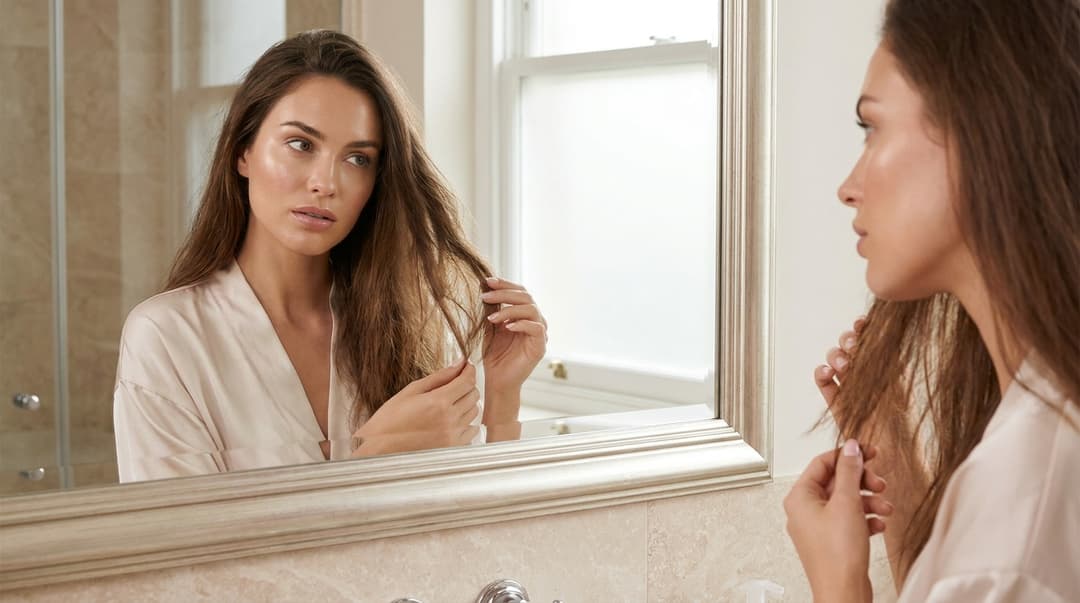
Hair is primarily made of keratin, a tough structural protein. But adding more protein to the outside of the hair doesn't always make it healthier. Cosmetic proteins generally form a temporary film around the cuticle, while some smaller hydrolyzed proteins may attach to damaged areas or penetrate the outer layers of the shaft.
That film can be helpful for porous, chemically treated hair. Too much of it, though, may leave strands less flexible and more prone to friction. Here are seven common warning signs:
- Your hair feels stiff or hard. Instead of moving naturally, strands may feel rigid, crunchy, or almost wire-like even when you haven't used styling gel.
- The texture is dry and straw-like. Hair can feel rough immediately after conditioning, as though the conditioner never really soaked in.
- Strands snap with very little stretching. Healthy wet hair has some elasticity. Hair that breaks almost instantly may be overly rigid, severely damaged, or both.
- You notice more tangles and knots. A rough cuticle creates friction between strands, which makes detangling harder and can lead to additional breakage.
- Your usual products stop improving softness. You may apply more conditioner, only to find that the hair still feels coated or brittle once it dries.
- Hair looks dull or overly coated. Buildup can reduce shine and leave curls or waves looking less defined.
- The problem started after frequent protein treatments. A sudden texture change after using keratin masks, rice-water rinses, or hydrolyzed-protein products is a useful clue.
Look, one rough wash day doesn't confirm protein overload. I become more suspicious when several of these changes appear together and clearly follow an increase in protein-heavy products.
What Causes Too Much Protein in Hair?
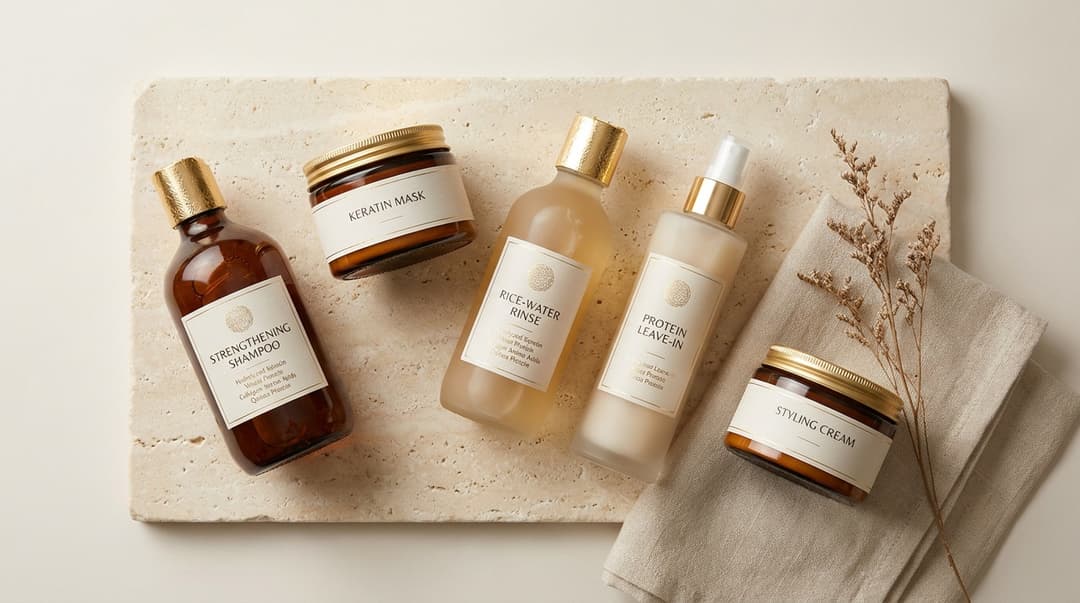
The most common cause is layering multiple protein-containing products without realizing it. You might use a strengthening shampoo, keratin mask, protein leave-in, and styling cream in the same routine. Each product may be perfectly reasonable on its own, but the combined effect can be too much for certain hair types.
Ingredients that may signal added protein include:
- Hydrolyzed keratin
- Hydrolyzed wheat, rice, oat, or soy protein
- Silk amino acids or hydrolyzed silk
- Collagen amino acids
- Quinoa protein
Fine, low-porosity, or relatively healthy hair may become coated more quickly because it doesn't need as much temporary reinforcement. Highly porous, bleached, relaxed, or heat-damaged hair often tolerates protein better, although it can still become stiff with excessive use.
Honestly, protein sensitivity isn't a precise scientific diagnosis. The hair shaft is biologically dead tissue, so it doesn't regulate protein or moisture the way living skin does. What people call overload is usually a mix of surface buildup, reduced flexibility, dryness, and preexisting cuticle damage.
How Can You Tell Protein Overload From Dryness?
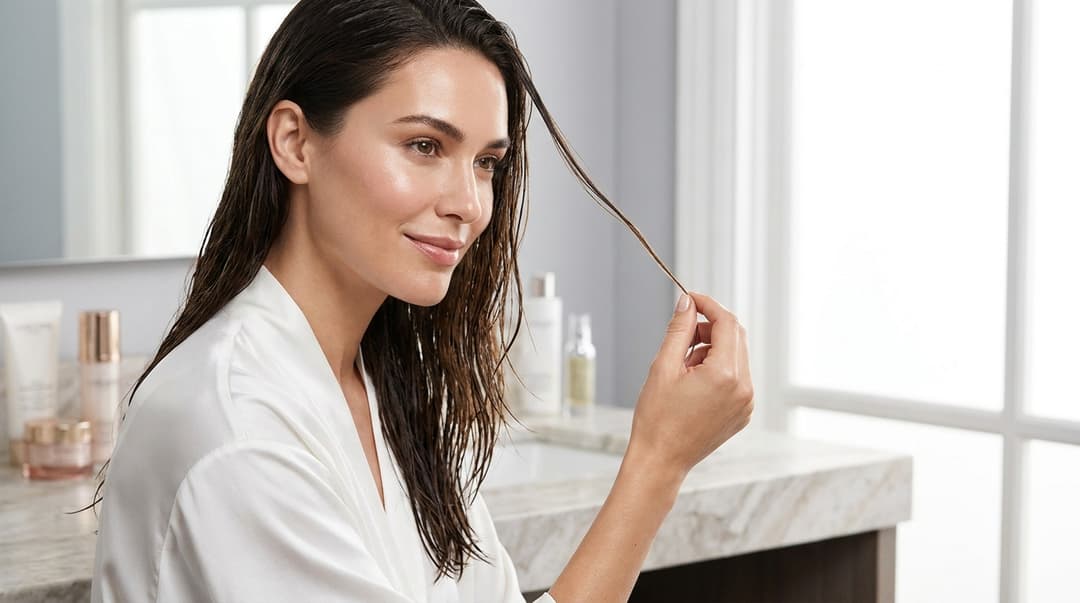
The signs of protein overload in hair can look almost identical to ordinary dryness, chemical damage, or mineral buildup. Your recent product history is often more useful than a single strand test.
Try this simple check at home:
- Review every hair product you've used during the past two to four weeks.
- Look for keratin, amino acids, collagen, or hydrolyzed proteins near the top half of each ingredient list.
- Think about timing: Did the stiffness begin after a strengthening mask or several rice-water rinses?
- Wet a shed strand and stretch it gently between your fingers without tugging hair from the scalp.
- Note whether it snaps immediately, stretches excessively, or returns somewhat toward its original length.
A strand that snaps quickly may lack flexibility, but this test can't diagnose protein overload by itself. Bleached and weathered hair can behave the same way. Hair that stretches dramatically and feels gummy is more suggestive of major structural damage, especially after bleaching, rather than a simple need for more protein.
Also check where the hair is separating. Short pieces with no bulb usually indicate breakage along the shaft. Full-length hairs with a small club-shaped bulb are shedding from the root, which may be related to stress, illness, hormonal changes, nutrition, medication, or a scalp condition.
How Do You Fix Protein Overload?
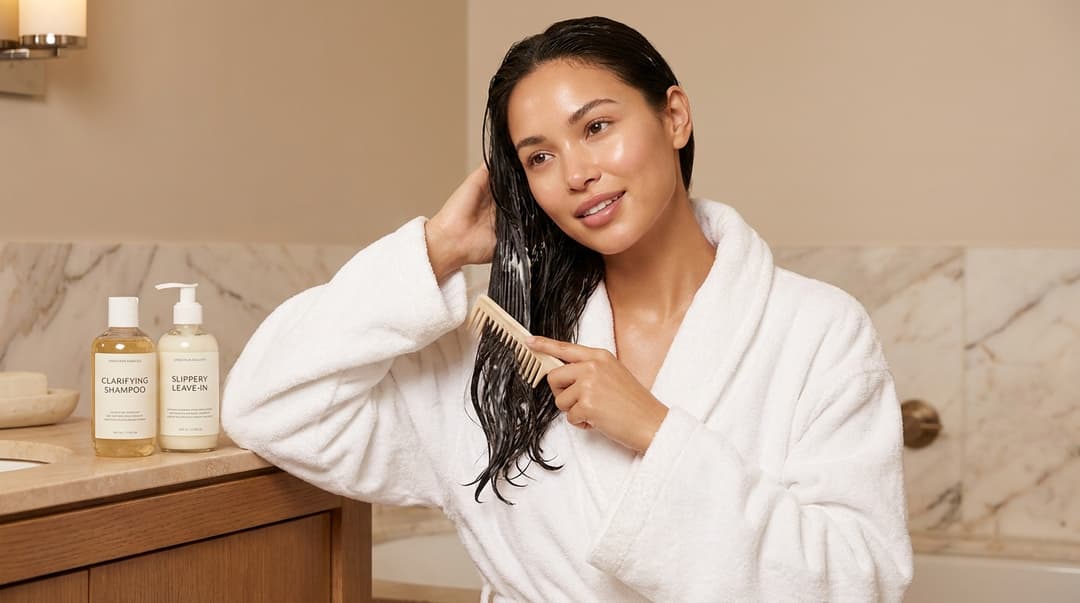
So, don't panic and scrub your hair five times in one shower. Aggressive washing can strip oils, increase friction, and make brittle strands feel even worse. A short, gentle reset usually makes more sense.
- Stop protein products temporarily. Pause strengthening masks, keratin treatments, rice-water rinses, and protein-rich stylers for about two to four weeks.
- Use a clarifying shampoo once. Apply it mainly to the scalp and let the lather travel down the lengths. One thorough wash may help remove product residue without excessive stripping.
- Follow with a protein-free deep conditioner. Look for conditioning ingredients such as fatty alcohols, glycerin, panthenol, aloe, or plant oils. Leave it on for the label's recommended time rather than overnight.
- Apply a slippery leave-in conditioner. A silicone-based leave-in can reduce friction and help protect fragile lengths while you detangle.
- Detangle gently. Work in sections, start at the ends, and move upward with your fingers or a wide-tooth comb.
- Reduce heat and tension. Lower your tool temperature, use heat protectant, and avoid tight ponytails or slicked-back styles until breakage settles.
- Reassess after three or four washes. Hair should gradually feel softer and move more naturally if product buildup was the main issue.
I've found that people often overcorrect by switching from constant protein to constant heavy moisturizing masks. That can create more buildup, especially on fine hair. Aim for a simpler routine and judge the result after several washes, not several hours.
Damaged ends can't biologically heal or fuse back together. Conditioners can smooth them temporarily, but persistent split ends generally need a trim to prevent splitting farther up the shaft.
How Can You Prevent It, and When Should You Get Help?
Once your hair feels normal again, add protein back only if it provides a clear benefit. Start with one protein-containing product every one to two weeks rather than using it at every step. Fine or low-porosity hair may need it even less often, while heavily processed hair may benefit from more regular use.
A few practical prevention tips:
- Keep one strengthening product in your routine at a time.
- Alternate protein masks with regular conditioning treatments.
- Follow the label instead of leaving treatments on longer for extra results.
- Track how your hair feels after washing, drying, and styling.
- Stop a product if stiffness or breakage consistently follows its use.
See a board-certified dermatologist if you're experiencing bald patches, scalp pain, burning, heavy scaling, or shedding that continues for more than six to eight weeks. You should also get help if your part is widening or your ponytail feels noticeably thinner. Those changes can point to alopecia or a scalp disorder rather than a cosmetic product issue.
The Bottom Line
The clearest signs of protein overload in hair are stiffness, roughness, tangling, loss of elasticity, and breakage that begins after frequent protein treatments. Pause protein for a few weeks, clarify once, condition well, and handle the hair gently. If there's no improvement after several washes—or you're losing full hairs from the root—check in with a dermatologist.
For more dermatologist-informed hair advice and product savings, sign up for Insider Beauty's weekly deals.
Want more tips and exclusive beauty deals delivered to your inbox? Pop your email in the box below and join thousands of insiders who save big every week.