Best shampoo for oily roots and dry ends: what I'd buy
 Published · Prices checked
Insider Beauty may earn a commission on purchases made through links in this article. See our disclosure.
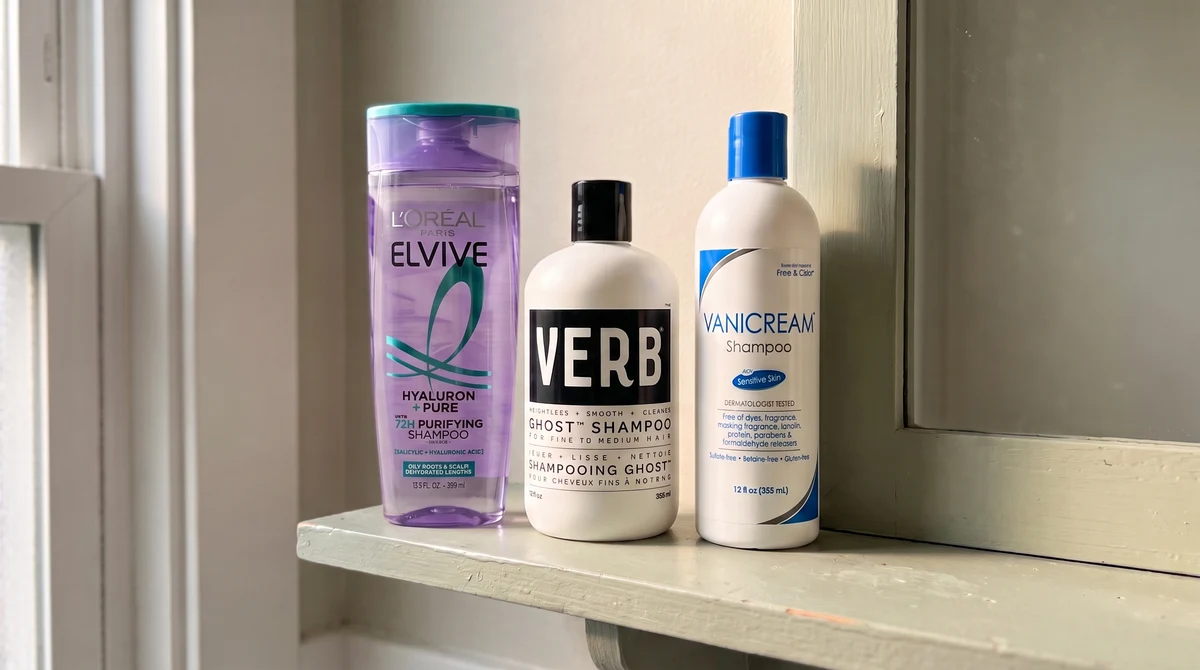
I'd start with L'Oréal Elvive Hyaluron + Pure if I wanted an inexpensive shampoo aimed at oily roots and dry lengths. For someone avoiding added fragrance, I'd choose Vanicream Shampoo. Verb Ghost is the option I'd consider for fine hair that feels weighed down, while Kérastase Bain Divalent is a much more expensive purchase for the same broad combination of concerns.
Jump to a section
Five quick takeawaysThe shampoos comparedL'Oréal Hyaluron + Pure: where I'd startVanicream: when fragrance is the deciding factorVerb Ghost: for fine to medium hairKérastase Bain Divalent: a premium preferencePut shampoo and conditioner where they are neededRegular washing versus clarificationWhen colour care changes the choiceThe shampoo is only part of this decision. Your scalp and ends do not need identical treatment. I would concentrate cleansing at the scalp, then choose where and how much to condition according to the lengths. Buying a more expensive shampoo cannot make that placement decision for you.
Five quick takeaways
- Lowest spend: L'Oréal Elvive Hyaluron + Pure, $6.99 for 13.5 fl oz on the US brand listing.
- Without added fragrance: Vanicream Shampoo, $12.99 for 12 fl oz at the Walgreens listing checked.
- Fine hair that feels weighed down: Verb Ghost, $22 for 12 fl oz.
- Premium option: Kérastase Spécifique Bain Divalent, $48 for 250 mL. I would need a clear personal preference to justify the difference.
- Change the routine as well as the bottle: cleanse the scalp and condition the areas that need it. A clarifying wash is a separate decision.
The shampoos compared
| Shampoo | US price and size | Approximate cost per fl oz | Why I'd consider it | Main reservation |
|---|---|---|---|---|
| L'Oréal Elvive Hyaluron + Pure | $6.99 / 13.5 fl oz | $0.52 | Low-cost option specifically aimed at oily roots and dehydrated lengths | Contains fragrance; the 72H claim is not a promise for every head of hair |
| Vanicream Shampoo | $12.99 / 12 fl oz | $1.08 | Avoiding added fragrance | Still needs a separate decision about conditioner |
| Verb Ghost Shampoo | $22 / 12 fl oz | $1.83 | Fine to medium hair that dislikes a heavy feel | Fragranced; lightweight positioning does not establish mildness |
| Kérastase Spécifique Bain Divalent | $48 / 250 mL | $5.68 | A premium option explicitly sold for oily roots and dry ends | A large price difference without direct comparative proof |
Prices were checked on 30 October 2026 and exclude offers. Unit costs are rounded; the Kérastase calculation converts 250 mL to US fluid ounces. Product recommendations here are based on current labels, directions and intended use, rather than a personal wash trial.
L'Oréal Hyaluron + Pure: where I'd start
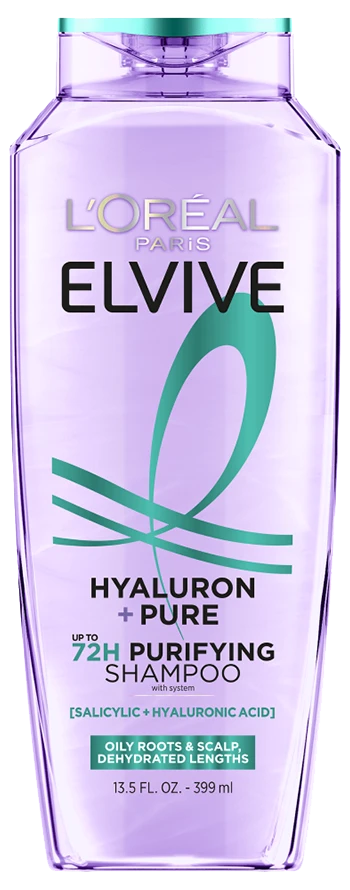
Elvive Hyaluron + Pure is the least expensive option here. The current US page lists $6.99, and its selected 13.5 fl oz pack targets oily roots and dehydrated lengths. The ingredient list includes sodium laureth sulfate, cocamidopropyl betaine, fragrance, salicylic acid and sodium hyaluronate.
I'd try this before committing to the $48 Kérastase bottle if price is the main constraint and I do not need to avoid fragrance. That is a spending judgment, not a claim that the two formulas perform identically.
The reservation is the promise printed on the front. “72H” is part of L'Oréal's product positioning, not a washing schedule I would prescribe or a result established by this article. I would judge it by how your scalp and lengths feel on your usual schedule. Dry ends still deserve their own conditioner decision.
Vanicream: when fragrance is the deciding factor
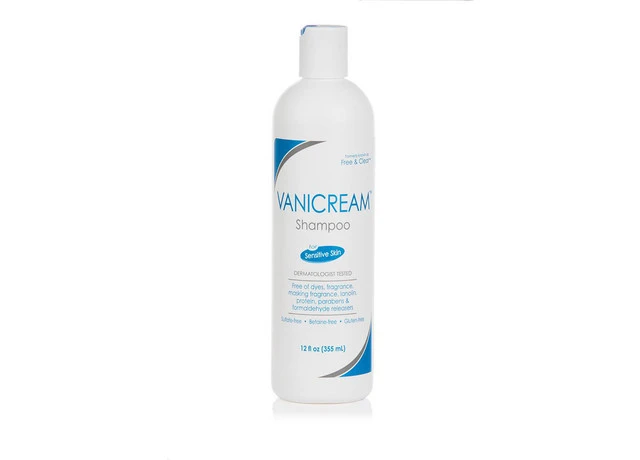
Vanicream Shampoo is the option I'd choose when avoiding added fragrance is a firm requirement. The brand identifies it as fragrance-free, including masking fragrance, and offers a 12 fl oz bottle. The Walgreens listing checked showed $12.99; local and retailer prices vary.
This recommendation is for the regular Shampoo. Vanicream also sells a medicated dandruff product, which is a different formula and buying question. Check the name and size instead of choosing by the brand alone.
My reservation is that removing fragrance does not turn shampoo into a conditioner or guarantee that every scalp will tolerate every ingredient. I'd pair it with a conditioner chosen for the lengths and evaluate those two products separately. If the ends feel rough, immediately buying a more expensive cleansing product may address the wrong part of the routine.
Verb Ghost: for fine to medium hair
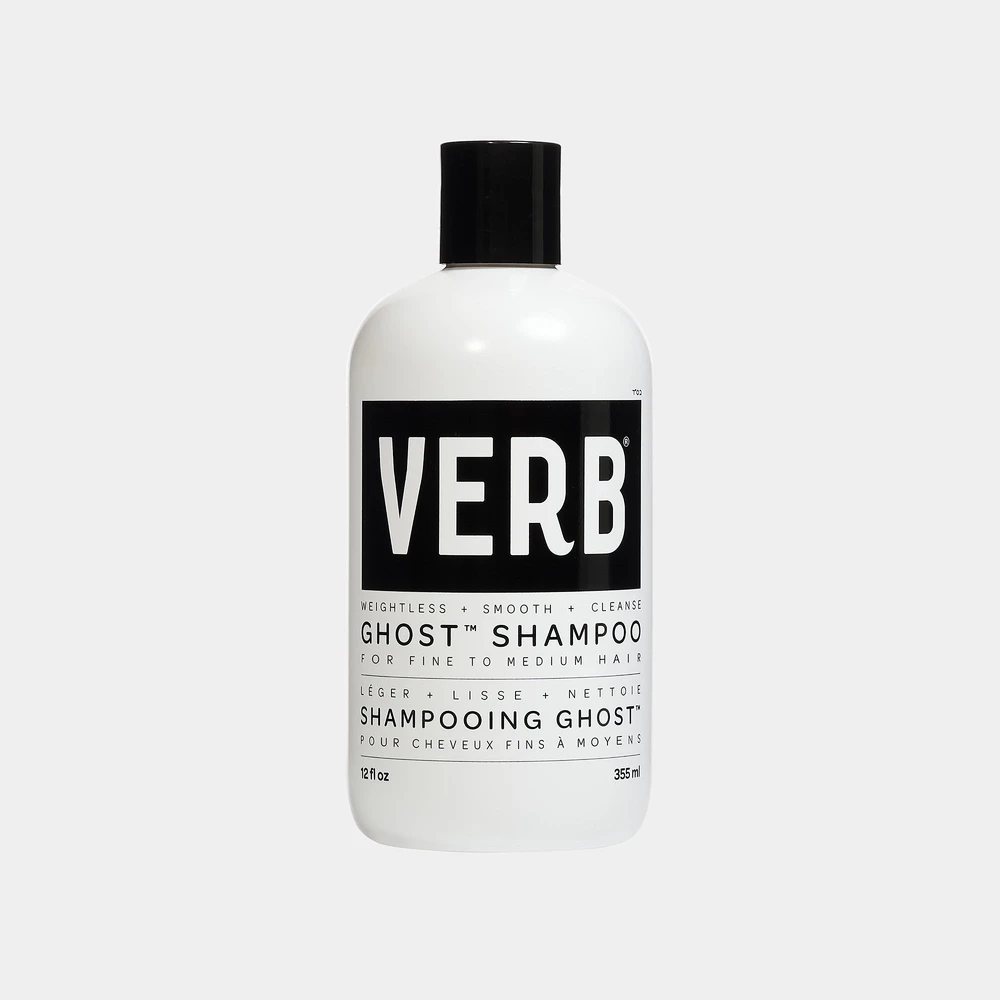
Ghost Shampoo costs $22 for 12 fl oz. Verb positions it as a lightweight cleanser for fine to medium hair and highlights moringa oil, green tea extract and proteins. The current ingredient list also includes fragrance and sodium C14-16 olefin sulfonate.
I'd consider it when the recurring complaint is that richer haircare leaves fine hair feeling flat. It has a more specific hair-weight brief than simply promising moisture. I would still look at how much conditioner and styling product reaches the roots before assuming that shampoo alone is responsible.
The limitation is what the label can tell us. A lightweight description does not prove a formula will be gentle enough for every scalp, and an oil in the ingredient list does not make it a heavy mask. The finished formula and your response matter. Verb also says ingredients can vary, so check the bottle when a particular ingredient is important to you.
Kérastase Bain Divalent: a premium preference
Spécifique Bain Divalent is explicitly aimed at oily roots and dry ends. At $48 for 250 mL, it is also the most expensive bottle here by a considerable margin.
I would consider it for someone who already likes this formula or has tried a sample and prefers the way it fits their routine. I would be slower to recommend it as the first experiment when the affordable L'Oréal option addresses the same broad concern.
The extra spend does not establish a longer interval between washes, less breakage or better colour retention. Those are outcomes that need appropriate comparative evidence. If you buy it, the useful question is whether the result on your own hair is worth repurchasing at this price. A premium brand name cannot answer that for you.
Put shampoo and conditioner where they are needed
The American Academy of Dermatology's hair-care guidance recommends washing according to how dirty or oily your hair becomes and applying shampoo to the scalp. It distinguishes conditioner placement too: fine or straight hair may need conditioner mainly at the ends, while dry or curly hair can need it throughout the length.
That is the routine I'd use to interpret this shortlist. Start with cleansing the scalp rather than repeatedly scrubbing the driest lengths. Then assess whether the ends need a different conditioner, more careful distribution or a change in the rest of the routine.
I would change one product at a time when possible. If you replace shampoo, conditioner and styling products together, it becomes harder to identify which change helped or made the hair feel worse. Keep a short note of root comfort, detangling and how the ends feel after drying.
Regular washing versus clarification
A regular shampoo choice and a buildup-removal decision can overlap, but they are not interchangeable. I would not automatically add a strong clarifying wash every time the roots look oily. First consider the ordinary wash routine and where conditioning or styling products are being applied.
If product buildup is the specific issue, our clarifying-shampoo comparison for colour-treated hair is the more relevant next read. It addresses a different job from finding a shampoo you are comfortable using regularly.
When colour care changes the choice
For freshly coloured or chemically treated hair, check the product directions against any care instructions from your colourist. I would not assume that a sulfate-free label alone settles gentleness or colour retention. Nor would I assume a product targeting oil is automatically the right choice for every salon treatment.
Our shampoo guide for colour-treated hair gives that concern more space. For this shortlist, my first decisions remain budget, fragrance preference and hair texture, followed by how the cleanser works alongside the conditioner you actually use.