

A silk press on natural hair temporarily straightens curls and coils with a blow-dryer and flat iron, creating a smooth finish without chemical relaxers. The safest approach is to work on clean, fully dry hair, use a heat protectant, and choose the lowest effective temperature. Here’s exactly how to get sleek results while limiting breakage and heat damage.
Quick Takeaways
- Start with clean hair: Oil, sweat, and styling-product buildup can interfere with an even finish.
- Never flat-iron damp hair: Trapped water can rapidly turn to steam and weaken the hair shaft.
- Use the lowest effective heat: Strand thickness and existing damage matter more than curl pattern.
- Limit repeat passes: One slow, controlled pass is usually safer than repeatedly ironing the same section.
- Expect the style to last one to two weeks: Humidity, exercise, scalp oil, and your curl pattern can shorten that window.
What Is a Silk Press on Natural Hair?

A silk press is a temporary straightening technique that typically combines a careful blowout with a flat iron. Unlike a relaxer, it doesn’t permanently break the chemical bonds responsible for your natural texture. Water and humidity allow the temporary hydrogen-bond changes to reset, so your curls should return after shampooing.
The word silk describes the desired movement and shine; it doesn’t mean the service requires actual silk. A good press should look light and bouncy rather than stiff, oily, or coated.
A silk press on natural hair can work across curl patterns, including tightly coiled type 4 hair. Still, not everyone is a good candidate at every moment. I’d postpone heat styling if you have:
- Active shedding or significant breakage
- Recently bleached or severely overprocessed hair
- Split ends traveling up the hair shaft
- An inflamed, painful, or infected scalp
- Hair that stays straight or smells burned after washing
Look, sleek hair isn’t worth pressing through obvious signs of damage. If your scalp is sore, intensely itchy, crusted, or developing bald patches, check in with a board-certified dermatologist before scheduling the service.
How Should You Prepare Hair for a Silk Press?
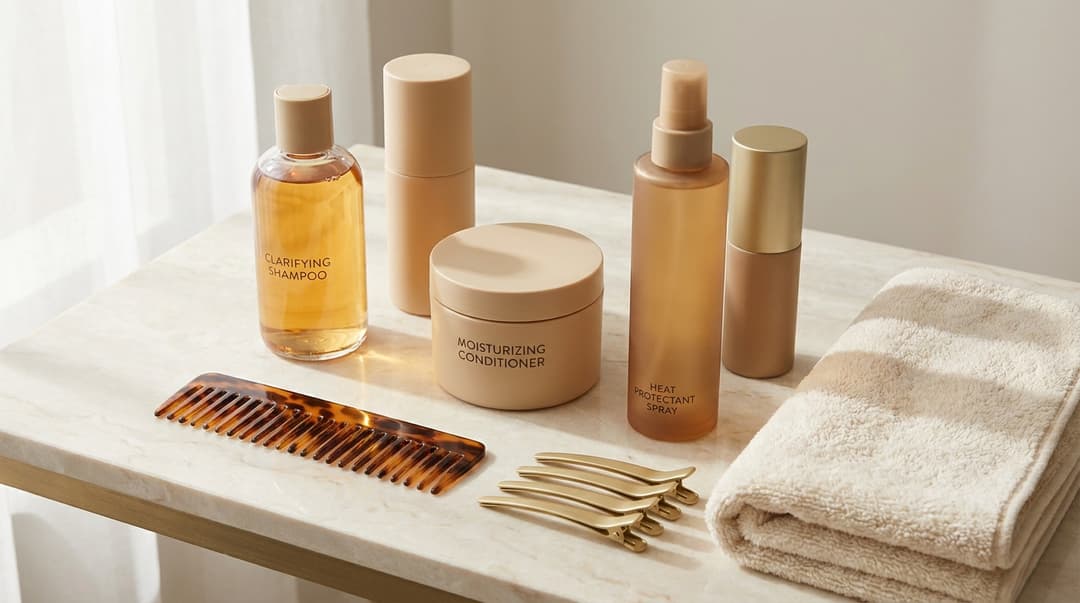
Preparation affects both the final result and how much heat you’ll need. Clean, conditioned, detangled hair generally straightens more efficiently than strands covered in heavy oils or old styling products.
- Cleanse thoroughly. Use a clarifying shampoo if you have substantial buildup, but don’t scrub aggressively or scratch your scalp before applying heat. Tiny abrasions can make the scalp more sensitive.
- Restore slip and flexibility. Follow with a moisturizing conditioner, concentrating it on the mid-lengths and ends. Hair is more prone to snapping when it’s tangled or excessively dry.
- Detangle gently. Work from the ends upward with your fingers or a wide-tooth comb while the conditioner provides slip.
- Rinse well. Leftover conditioner can weigh hair down or create residue. The goal is hydrated hair, not heavily coated hair.
- Apply heat protection. A lightweight silicone-based heat protectant can reduce friction and slow heat transfer. It lowers risk, but it can’t make very high temperatures harmless.
- Remove excess water carefully. Blot rather than rub with a towel. Rough drying lifts the cuticle and encourages tangles.
Honestly, I’ve found that people often try to create extra shine by applying a lot of oil before using hot tools. That can leave hair limp and may cause smoking at high temperatures. Stick with a product specifically formulated for heat styling, and follow its label rather than layering on kitchen oils.
How Do You Do a Silk Press Safely?
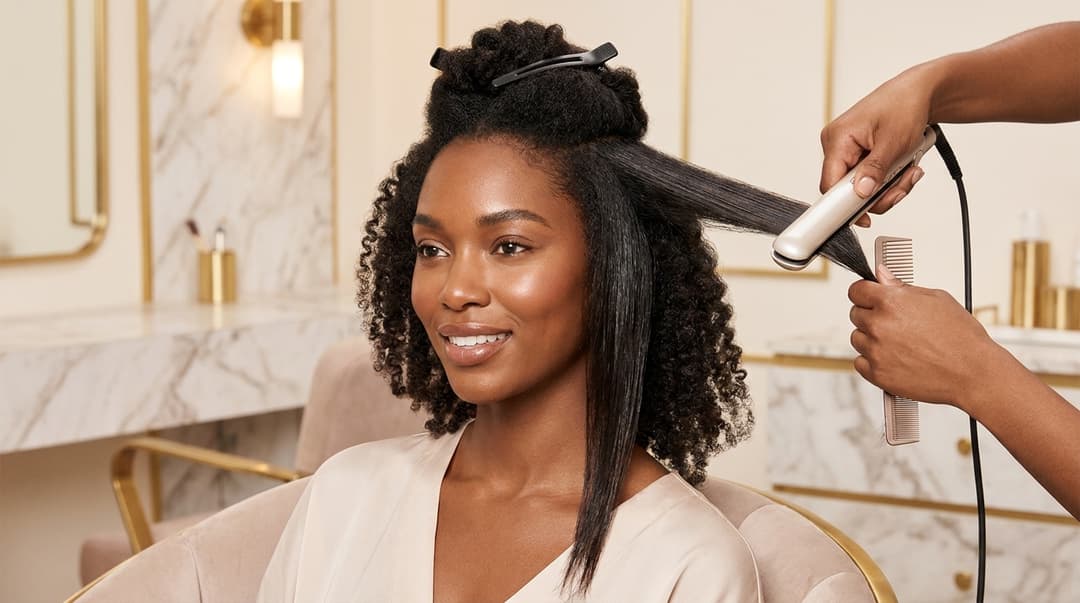
The key to a smoother silk press on natural hair is controlled tension and efficient technique, not cranking the flat iron to its maximum setting. There’s no single temperature that’s safe for every head of hair, because fine, gray, bleached, and previously damaged strands tolerate less heat.
- Divide hair into manageable sections. Smaller sections dry more evenly and reduce the temptation to repeat passes.
- Blow-dry from roots to ends. Keep the airflow pointed down the hair shaft and move the dryer continuously. Use moderate tension rather than pulling hard enough to hurt the scalp.
- Make sure hair is completely dry. If you hear sizzling or see steam during flat ironing, stop. Hair may still be damp or have too much product on it.
- Test a hidden section first. Begin around 300°F to 350°F for healthy hair and go lower for fragile, fine, color-treated, or damaged strands. Increase only if necessary.
- Flat-iron thin sections. Use one deliberate pass when possible. A fine-tooth comb immediately ahead of the iron can align strands, but don’t add excessive tension.
- Watch for warning signs. Smoke, a persistent burned odor, crispy ends, or hair that feels unusually rigid means something is wrong. Stop instead of finishing the section.
Coarse hair doesn’t automatically require the highest temperature. Curl tightness and strand thickness aren’t the same thing, and even dense type 4 hair can contain fine, vulnerable strands. A stylist should assess condition and porosity instead of choosing heat based only on curl type.
How Long Does a Silk Press Last and How Do You Maintain It?

A silk press commonly lasts one to two weeks, although humid weather, workouts, scalp oil, and water exposure can make curls revert sooner. Trying to keep it for several weeks may lead to buildup, odor, itching, or repeated heat touch-ups.
To maintain the style:
- Wrap hair at night: Smooth it around your head and secure it with a satin or silk scarf to reduce friction.
- Protect it in the shower: Use a shower cap and keep the bathroom well ventilated when possible.
- Minimize added heat: Don’t flat-iron the roots every morning. Repeated touch-ups can create more cumulative damage than the original service.
- Use minimal product: Heavy oils and creams can flatten the style and attract buildup.
- Keep exercising: You don’t need to avoid movement for your hair. Loosely wrap or secure it, let the scalp dry afterward, and accept that some reversion may happen.
- Wash when your scalp needs it: Don’t ignore itching, flaking, tenderness, or heavy oil just to preserve straight hair.
So, moisture exposure isn’t a failed silk press. It’s your hair’s reversible bonds responding normally to water. If a small area reverts, a loose bun or gentle wrap is usually kinder than another high-heat pass.
Can a Silk Press Damage Natural Hair?
Yes, a silk press on natural hair can cause damage when the temperature is too high, the hair is ironed while damp, or services are repeated before the strands recover. Heat can chip and crack the protective cuticle, weaken structural proteins, and reduce the hair’s ability to retain moisture. Damage is cumulative, and heat protectant reduces risk rather than eliminating it.
Possible signs of thermal damage include:
- Curls that don’t return after several washes
- Straight or limp sections among otherwise coily hair
- Increased split ends and mid-shaft breakage
- Roughness, excessive tangling, or tiny white nodes
- A burned smell that remains after shampooing
There’s no research-backed schedule that guarantees zero damage. As a practical guideline, spacing presses at least three to four weeks apart gives you time to wash, condition, and assess how your curl pattern rebounds. Someone with bleached or fragile hair may need a much longer break, while healthy hair may tolerate occasional professional pressing.
If your curls don’t return, conditioning can improve softness and reduce friction, but it can’t permanently repair a structurally altered strand. Trimming damaged portions is often the only way to remove them. I know that’s not the fun answer, but catching the problem early can prevent a small damaged area from becoming widespread breakage.
The Bottom Line
A successful silk press should give you smooth movement without sacrificing your curl pattern. Start with clean, conditioned hair, apply a heat protectant, dry every section completely, and use the lowest flat-iron temperature that produces an even result. Fewer passes and less frequent pressing are your best defenses against cumulative heat damage.
And remember, a little reversion is normal. Your hair responding to humidity doesn’t mean you did anything wrong—it usually means those temporary bonds are behaving exactly as expected.
For more dermatologist-informed hair tips and product savings, sign up for Insider Beauty’s weekly deals.
Want more tips and exclusive beauty deals delivered to your inbox? Pop your email in the box below and join thousands of insiders who save big every week.