

A korean skincare routine for beginners should be simple, gentle, and focused on hydration, barrier support, and daily sunscreen. The easiest way to start is with 4 core steps: cleanser, moisturizer, sunscreen, and one treatment, then add more only if your skin is happy with it.
Quick Takeaways
- Start with 4 basics: cleanser, moisturizer, sunscreen, and one treatment product
- You do not need 10 steps: most beginners do well with 4 to 6 steps
- Add products slowly: wait about 1 to 2 weeks before introducing another active
- Hydration matters: Korean skincare often centers on supporting the skin barrier, not stripping it
- Sunscreen every morning is non-negotiable: especially if you use exfoliants or retinoids
What is a korean skincare routine for beginners?
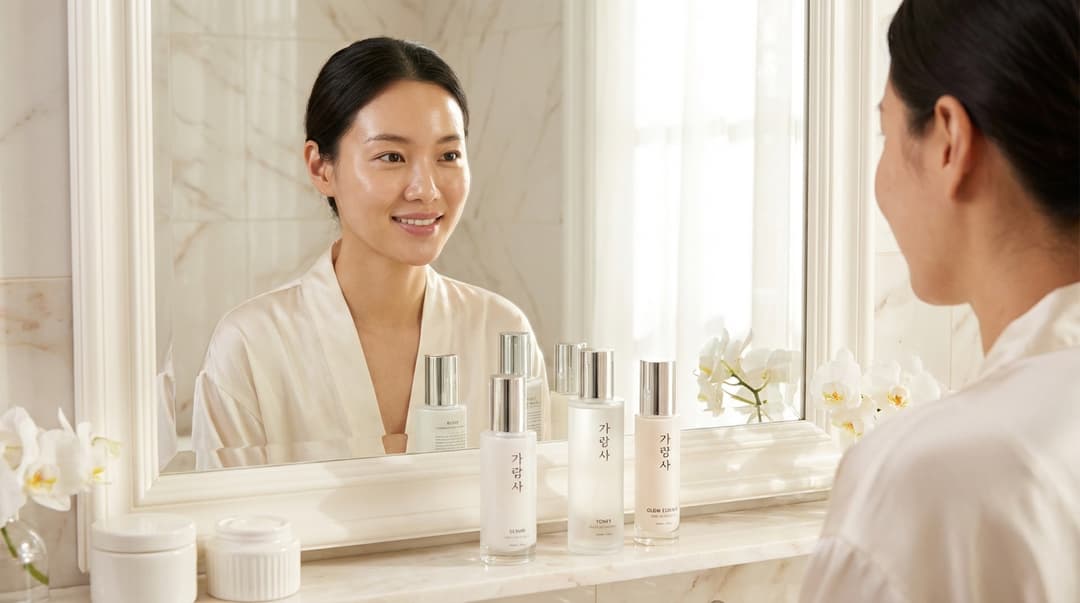
A korean skincare routine for beginners is a step-by-step approach that helps you care for your skin without overwhelming it. While people often think of the famous 10-step routine, beginners usually do better with a streamlined version that focuses on skin health first.
At its core, Korean skincare emphasizes:
- Gentle cleansing
- Lightweight hydration
- Layering products from thinnest to thickest
- Protecting the skin barrier
- Preventing damage with SPF
I've found that a lot of people quit skincare because they start with too much, too fast. Honestly, your skin usually prefers consistency over complexity.
How many steps do beginners actually need?
Most people starting a korean skincare routine for beginners only need 4 to 6 steps. That gives you enough structure to see results without setting your face up for irritation.
Here’s the simplest version:
- Cleanser
- Toner or essence
- Serum or treatment
- Moisturizer
- Sunscreen in the morning
At night, if you wear makeup or heavy sunscreen, you can add an oil-based cleanser before your regular cleanser. That’s the classic double cleanse, one of the most well-known parts of Korean skincare.
So, no, you do not need 10 products sitting on your bathroom counter by Friday.
What are the basic Korean skincare steps?
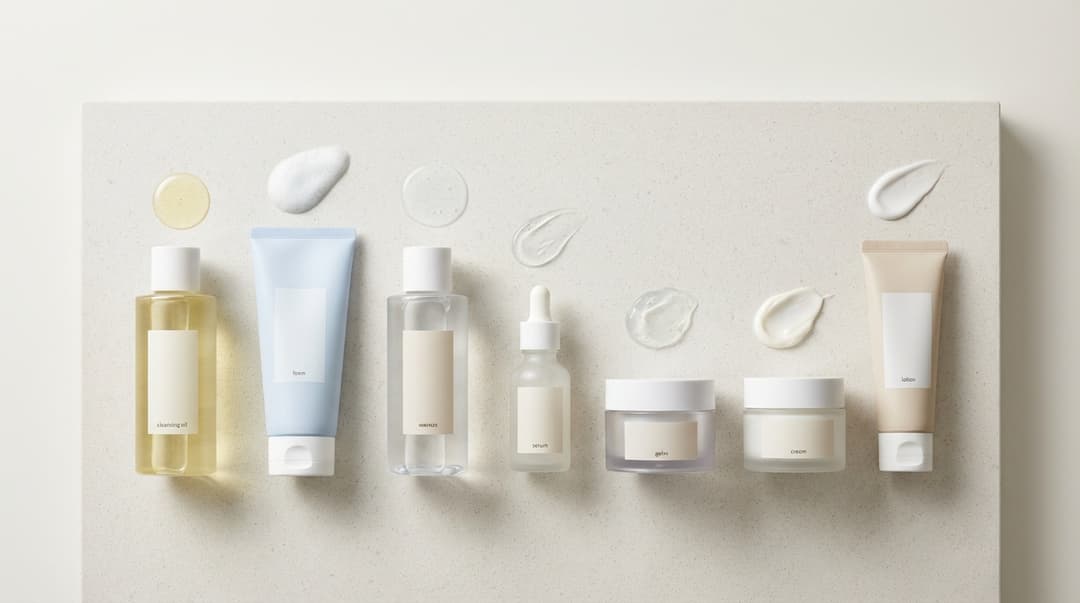
If you want a practical korean skincare routine for beginners, follow this order.
1. Oil cleanser at night if needed
Use an oil cleanser only in the evening if you wear makeup, water-resistant sunscreen, or live in a polluted city. Oil cleansers help dissolve sebum, foundation, and long-wear products more effectively than a water-based cleanser alone.
Look for a cleansing oil or cleansing balm with a simple formula and no heavy fragrance if you’re sensitive.
2. Water-based cleanser
This is your everyday face wash. In the morning, many people only need a gentle cleanser or even a rinse with lukewarm water if their skin is very dry. At night, this step removes sweat, debris, and any residue left after the first cleanse.
Choose a low-pH cleanser if possible. Skin’s natural pH is slightly acidic, usually around 4.7 to 5.75, and harsh alkaline cleansers can leave skin feeling tight and irritated.
3. Toner or essence
In Korean skincare, toner is often about hydration, not that squeaky-clean feeling people used to chase. A hydrating toner or essence can add water back into the skin and help the next layers spread more evenly.
Look for ingredients like:
- Glycerin
- Hyaluronic acid
- Panthenol
- Beta-glucan
- Centella asiatica
Honestly, if your skin is dry or easily irritated, this step can make your routine feel way more comfortable.
4. Serum or treatment
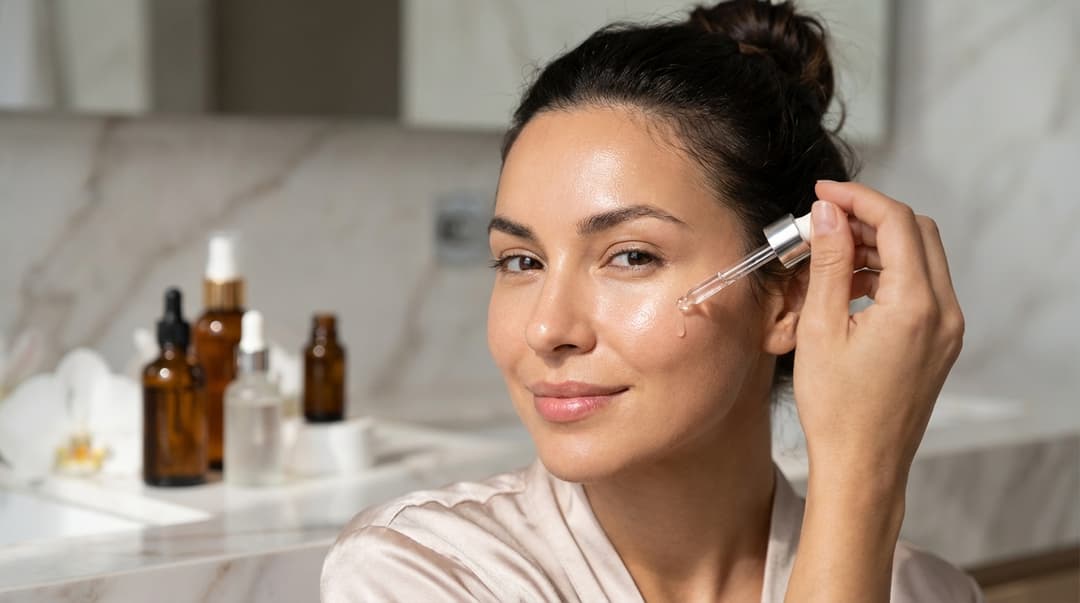
This is where you target a specific concern. Beginners should pick one concern first, not five.
A few beginner-friendly options:
- Niacinamide serum: Helps with oil control, redness, and uneven tone
- Vitamin C serum: Brightens dullness and helps with pigmentation, though some formulas can sting
- Gentle exfoliant: AHA, BHA, or PHA can help texture and clogged pores, but start just 1 to 2 nights per week
I usually tell patients to avoid stacking multiple strong actives right away. If you combine exfoliating acids, retinoids, and vitamin C all at once, your skin may throw a little tantrum.
5. Moisturizer
Moisturizer seals in hydration and supports the skin barrier. This is one step beginners should not skip, even if they’re oily.
Pick the texture based on your skin type:
- Gel moisturizer: Better for oily or acne-prone skin
- Lotion: Great middle-ground for combination skin
- Cream: Best for dry or sensitive skin
Look, oily skin still needs water and barrier support. When skin gets stripped, it can actually produce more oil to compensate.
6. Sunscreen every morning

If there’s one step that matters most in a korean skincare routine for beginners, it’s sunscreen. Daily UV exposure contributes to dark spots, collagen breakdown, redness, and worsening post-acne marks.
Use a broad-spectrum sunscreen with SPF 30 or higher every morning as the last step. If you’re outdoors for extended time, reapply every 2 hours.
Korean sunscreens are popular because many formulas feel lightweight and cosmetically elegant, which means people are more likely to actually use enough.
What products should beginners choose for their skin type?
The best routine depends on your skin type and sensitivity level.
- Dry skin: Use a creamy cleanser, hydrating toner, richer moisturizer, and avoid over-exfoliating
- Oily skin: Try a gentle foaming cleanser, lightweight gel moisturizer, and niacinamide or BHA if tolerated
- Combination skin: Stick with balanced, lightweight layers and spot-treat oily areas only if needed
- Sensitive skin: Choose fragrance-free formulas with soothing ingredients like centella, ceramides, and panthenol
- Acne-prone skin: Keep the routine simple, use non-comedogenic products, and add salicylic acid slowly
I've found that beginners do best when they stop shopping for trends and start shopping for their actual skin type. Sounds obvious, but yeah, it gets missed a lot.
How do you start without irritating your skin?
This is where a lot of routines go sideways. Korean skincare can be amazing, but layering too much too soon can cause burning, peeling, breakouts, or plain old confusion about what’s helping.
Follow these beginner rules:
- Start with the basics for at least 2 weeks
- Add only one new product at a time
- Patch test behind the ear or along the jawline first
- Introduce exfoliants just 1 to 2 times weekly
- Stop and simplify if your skin stings, flakes, or gets unusually red
A damaged skin barrier often looks like dryness, rough texture, sensitivity, and breakouts happening at the same time. So if your skin suddenly seems angry in every direction, pull back.
Morning and night routine example for beginners
Here’s a realistic routine you can use today.
Morning
- Gentle cleanser or rinse with lukewarm water
- Hydrating toner or essence
- Niacinamide or vitamin C serum
- Moisturizer
- Sunscreen SPF 30+
Night
- Oil cleanser if wearing makeup or sunscreen
- Gentle water-based cleanser
- Hydrating toner or essence
- Treatment serum or gentle exfoliant on select nights
- Moisturizer
That’s it. Simple, effective, and much easier to stick with than an elaborate shelf full of half-used bottles.
What mistakes should beginners avoid?
A few common ones come up all the time:
- Using too many active ingredients at once
- Exfoliating every day
- Skipping moisturizer because skin feels oily
- Forgetting sunscreen
- Expecting instant results after 3 days
Most skincare products need time. Hydration can improve within days, but pigment, acne, and texture often take 6 to 12 weeks of consistent use to show clearer changes.
So, be patient with your face. It’s skin, not a light switch.
The Bottom Line
The best korean skincare routine for beginners is one you’ll actually follow: cleanse, hydrate, treat, moisturize, and protect with sunscreen. Start with a few gentle products, add actives slowly, and focus on keeping your skin barrier calm and healthy.
If you want smart product picks and don’t mind a little help sorting through the hype, sign up for Insider Beauty’s weekly deals for editor-approved finds and skin-friendly steals.
Want more tips and exclusive beauty deals delivered to your inbox? Pop your email in the box below and join thousands of insiders who save big every week.