
The best way to treat hormonal acne is to lower pore congestion, calm inflammation, and support your skin barrier while addressing internal triggers like hormone shifts and stress. For most people, that means using ingredients like salicylic acid, benzoyl peroxide, and retinoids, plus a consistent routine that doesn’t strip the skin. Here’s exactly how to treat hormonal acne in a way that’s realistic, effective, and a little gentler on your face.
Quick Takeaways
- Hormonal acne often shows up on the chin, jawline, and lower cheeks, especially around your period, during stress, or after stopping birth control.
- The most helpful topical ingredients are salicylic acid, benzoyl peroxide, adapalene, sulfur, and niacinamide.
- A simple routine works better than piling on too many actives at once.
- Lifestyle factors like sleep, stress, high-glycemic foods, and picking can make breakouts worse.
- If acne is deep, painful, or leaves scars, a dermatologist can help with prescription options.
What does hormonal acne look like?
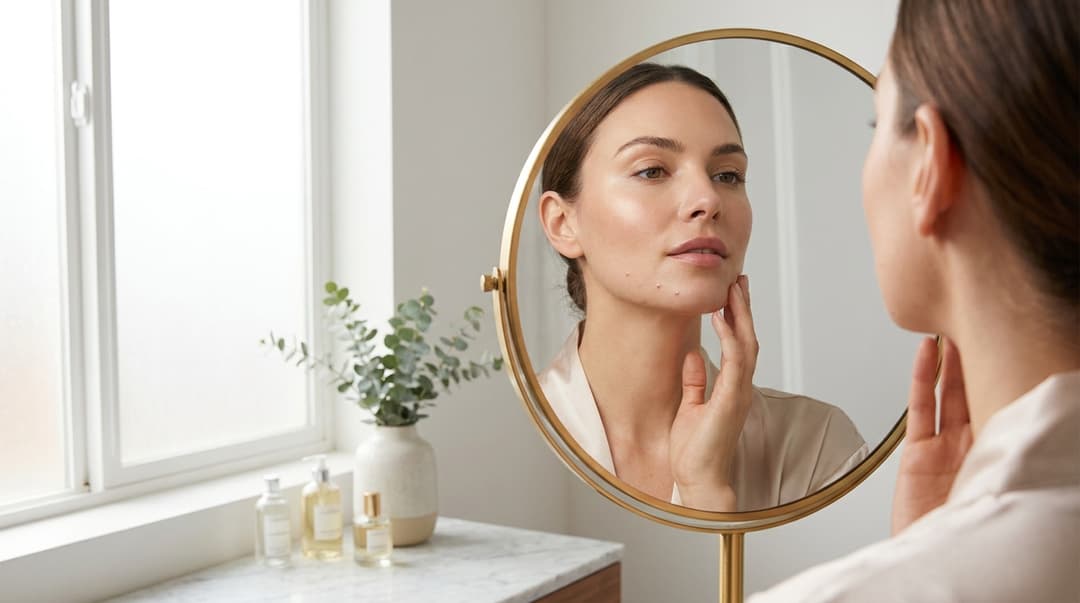
Hormonal acne usually looks like deep, tender bumps rather than tiny surface pimples. It tends to cluster around the jawline, chin, neck, and lower cheeks. You might also notice that it flares in a pattern, like:
- Right before or during your period
- During times of high stress
- In perimenopause or postpartum
- After changing or stopping hormonal birth control
Look, not every breakout on the chin is hormonal, but patterns matter. I’ve found that when acne is cyclical, inflamed, and stubborn, hormones are often part of the picture.
What causes hormonal acne?
Hormonal acne happens when shifts in hormones, especially androgens, increase oil production. More oil means pores are more likely to get clogged with dead skin cells and bacteria, leading to inflamed breakouts.
Common triggers include:
- Menstrual cycle changes
- PCOS or other hormone-related conditions
- Chronic stress and elevated cortisol
- Poor sleep
- Over-cleansing or using harsh products that disrupt the skin barrier
- Some medications or supplements
Honestly, one of the most frustrating parts of hormonal acne is that it’s not just about having “dirty skin.” You can have a very clean routine and still break out if your oil production and inflammation are ramped up.
How to treat hormonal acne at home
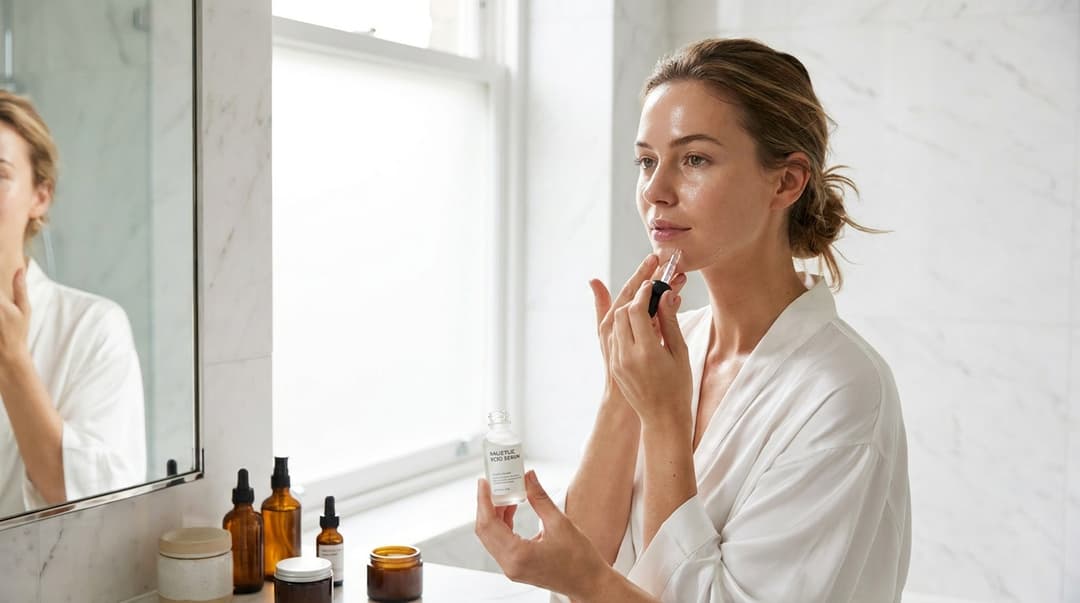
If you’re searching for how to treat hormonal acne, start with a routine that unclogs pores and reduces inflammation without wrecking your barrier. Here’s a solid place to begin.
- Cleanse with a gentle, low-foam face wash twice a day.
- Use a salicylic acid serum or cleanser 3 to 5 times a week to help clear pores.
- Apply benzoyl peroxide as a spot treatment or thin layer on breakout-prone areas if you’re very oily.
- Add a retinoid gel, like adapalene, at night to support cell turnover and prevent clogged pores.
- Follow with a non-comedogenic moisturizer to keep the barrier healthy.
- Wear broad-spectrum SPF 30 or higher every morning, especially if you use actives.
So, the key is consistency. You do not need a 12-step routine. In fact, too many exfoliating acids, scrubs, and “drying” treatments can make hormonal acne angrier.
Which ingredients help hormonal acne?
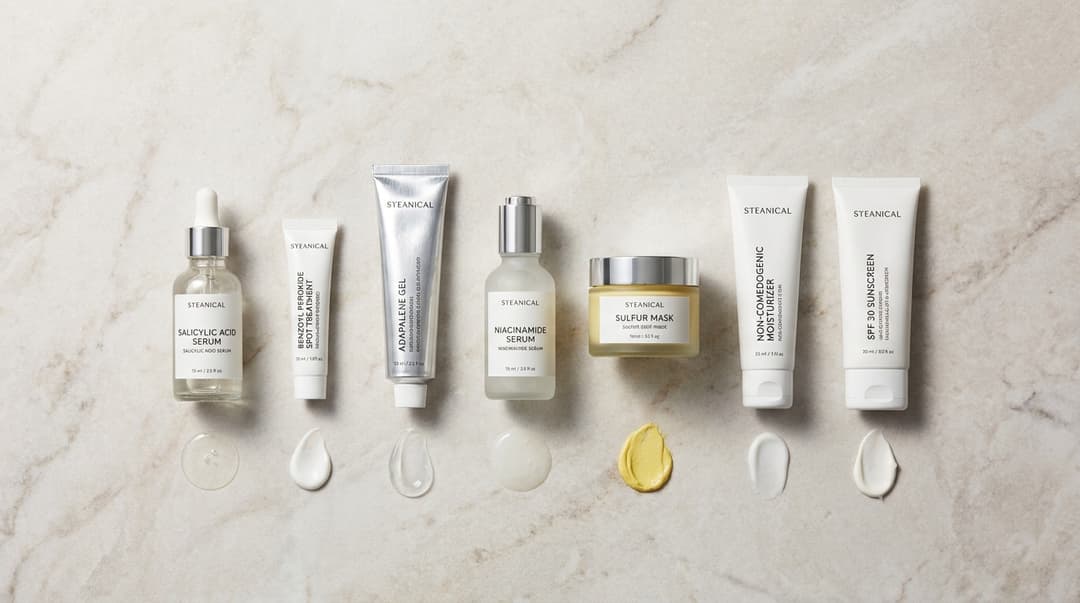
A few ingredients have the best track record for hormonal breakouts. If you’re building a routine, these are worth knowing.
- Salicylic acid: Oil-soluble, so it gets into pores and helps loosen buildup. Great for blackheads, whiteheads, and congestion.
- Benzoyl peroxide: Helps reduce acne-causing bacteria and inflammation. Best for red, active breakouts.
- Adapalene or other retinoids: Helps prevent clogged pores and can improve post-acne marks over time.
- Sulfur: A nice option if your skin gets irritated easily. It can absorb excess oil and calm inflamed spots.
- Niacinamide: Supports the skin barrier, helps regulate oil a bit, and can reduce redness.
- Azelaic acid: Helpful for acne plus post-inflammatory hyperpigmentation, especially if your skin tone marks easily.
I’ve found that barrier support matters just as much as acne treatment. When skin is stripped, it often gets more reactive, and then every breakout feels worse. A fragrance-free moisturizer with ceramides or glycerin can really help balance things out.
What should you avoid if you have hormonal acne?
Sometimes treating acne is partly about what you stop doing.
- Don’t over-wash: Twice a day is enough for most people.
- Skip harsh scrubs: Physical exfoliants can irritate inflamed breakouts.
- Don’t pile on actives: Using salicylic acid, glycolic acid, retinol, and benzoyl peroxide all at once can backfire.
- Avoid heavy, pore-clogging products: Especially around the chin and jawline, where residue from makeup, hair products, or rich balms can sit.
- Don’t pick or squeeze: This increases inflammation and raises the risk of dark marks and scarring.
Look, I know it’s tempting to attack acne with everything in your cabinet. Been there. But calmer, steadier skincare usually wins.
Can diet and lifestyle help hormonal acne?
Yes, sometimes quite a bit. Diet won’t fix every case, but daily habits can absolutely influence inflammation, oil production, and healing.
Here are a few practical things to try:
- Prioritize sleep: Aim for 7 to 9 hours when you can. Poor sleep can nudge stress hormones higher.
- Manage stress: Walks, breathwork, workouts, journaling, therapy — whatever actually helps you decompress.
- Watch high-glycemic foods: For some people, lots of sugary snacks, sweet drinks, and ultra-refined carbs may worsen breakouts.
- Notice dairy triggers: Some people find that skim milk in particular seems to line up with flare-ups.
- Change pillowcases often: A small thing, but it helps reduce buildup from oil, sweat, and hair products.
- Clean your phone and makeup tools: Easy habit, worth doing.
Honestly, I’m careful about making diet sound like the whole answer, because it usually isn’t. But if your breakouts are persistent, tracking flare-ups alongside food, sleep, and cycle changes can reveal patterns you’d otherwise miss.
When should you see a dermatologist for hormonal acne?
At-home care can help a lot, but some cases need more support. See a dermatologist if:
- You have painful cysts or nodules
- Your acne is causing scarring or dark marks
- Drugstore treatments haven’t helped after 8 to 12 weeks
- Your acne seems tied to irregular periods, excess facial hair, or sudden severe oiliness
- You feel stressed, embarrassed, or overwhelmed by your skin
Prescription options may include stronger retinoids, topical antibiotics paired with benzoyl peroxide, hormonal medications, or oral treatments. If PCOS or another hormone issue is suspected, your doctor may suggest additional evaluation.
So, if you’ve been doing all the “right” things and your skin is still flaring, that doesn’t mean you failed. It may just mean your acne needs a medical approach, and that’s totally valid.
How long does it take to clear hormonal acne?
This is the annoying answer: it takes time. Most topical acne treatments need 6 to 12 weeks of consistent use before you can judge whether they’re working. Retinoids in particular can cause a rough adjustment phase at first, sometimes called purging.
A few tips to make the process smoother:
- Start active treatments slowly, like every other night
- Moisturize generously if you’re getting dry or flaky
- Use sunscreen daily to protect healing skin
- Take photos every 2 weeks instead of checking your face every hour in the mirror
I’ve found that progress with hormonal acne is often uneven. One week your skin behaves, the next week it throws a tantrum. That doesn’t mean your routine is useless.
The Bottom Line
If you want to know how to treat hormonal acne, focus on a simple routine with proven ingredients, protect your skin barrier, and pay attention to internal triggers like stress, sleep, and your cycle. Salicylic acid, benzoyl peroxide, retinoids, and non-comedogenic moisturizer are a strong starting point, and deeper cystic acne may need prescription help.
Honestly, hormonal acne can feel personal in a way other skin issues don’t. But it is treatable, and you don’t need to punish your skin to make progress. If you want more ingredient-savvy skincare tips and a few very good finds, sign up for Insider Beauty’s weekly deals.
Want more tips and exclusive beauty deals delivered to your inbox? Pop your email in the box below and join thousands of insiders who save big every week.