

The safest way to remove dip powder nails at home is to file off the shiny topcoat, soak each nail in 100% acetone for 10 to 20 minutes, and gently slide away the softened product. Acetone breaks down the resin holding the dip powder in place, so you shouldn't need to peel, scrape, or force it off.
Quick Takeaways
- File first: Removing the glossy seal helps acetone penetrate the dip manicure faster.
- Use 100% acetone: Regular nail polish remover is usually too diluted for an efficient soak-off.
- Allow 10 to 20 minutes: Thick dip layers or added tips may need a second short soak.
- Never peel or pry: Pulling off dip powder can remove layers of your natural nail plate.
- Restore moisture afterward: Apply cuticle oil and hand cream once the removal is complete.
What Do You Need to Remove Dip Nails?
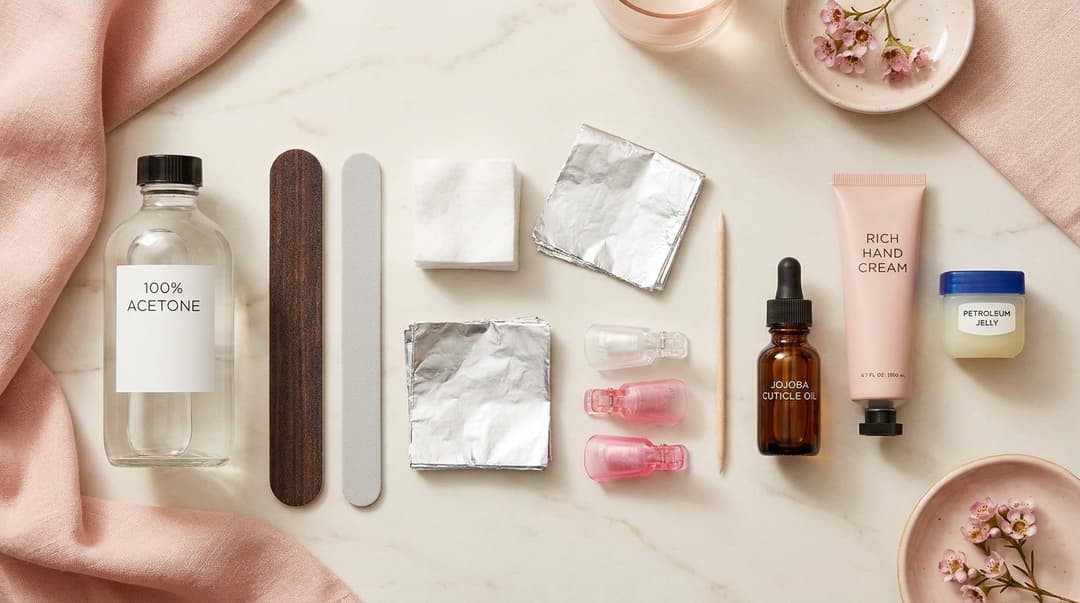
You don't need a professional nail station, but having the right supplies makes a huge difference. Look, I've tried removing a stubborn manicure with regular polish remover before, and it mostly resulted in dry fingertips and dip powder that refused to budge.
Gather these supplies before you begin:
- 100% acetone remover: Check the ingredient label. Acetone should be the only ingredient or the first ingredient listed.
- A coarse nail file: A 100- to 180-grit file can break through the topcoat and thin bulky product.
- Cotton pads or cotton balls: Cut them into nail-size pieces so you use less cotton and acetone.
- Aluminum foil or reusable soak-off clips: Either option holds the acetone-soaked cotton against each nail.
- A wooden cuticle stick: Use this only to nudge away product that's already soft and lifting.
- A fine nail buffer: Choose a gentle buffer around 220 grit or higher for smoothing small remnants.
- Cuticle oil and hand cream: A jojoba-based cuticle oil is especially useful because jojoba esters are lightweight and help soften dry skin.
You can also apply a little petroleum jelly or a thick plant oil around the cuticles before soaking. It won't completely prevent dryness, but it creates a light barrier between your skin and the acetone.
How to Remove Dip Powder Nails at Home Step by Step

Set aside about 30 to 40 minutes so you aren't tempted to rush. Work in a well-ventilated room, protect your table with an acetone-resistant surface, and stay away from candles, cigarettes, and other ignition sources because acetone is highly flammable.
- Trim excess length. If your dip manicure extends beyond your natural nails, clip the extra length carefully. Don't clip into attached product that could crack or tug on the nail plate.
- File away the shiny topcoat. Use a coarse file with light, even strokes until the glossy finish looks matte. Focus on removing the seal rather than filing down to your natural nail.
- Protect the surrounding skin. Rub a small amount of petroleum jelly or plant oil around each cuticle and fingertip, keeping it off the nail surface.
- Saturate the cotton. Soak one nail-size cotton piece per finger with 100% acetone. It should be wet enough to stay in close contact with the dip powder without dripping everywhere.
- Wrap each nail. Place the cotton directly on the nail and secure it with foil or a reusable soak-off clip. A snug fit slows evaporation and keeps the acetone working where it's needed.
- Wait 10 to 20 minutes. Start checking one nail after 10 minutes. The dip should look soft, flaky, or gummy rather than hard and smooth.
- Gently remove softened product. Slide the cotton off while applying light pressure. Use a wooden cuticle stick to nudge loose dip toward the free edge, but stop if you feel resistance.
- Re-soak stubborn areas. Apply fresh acetone and wrap the nail for another five minutes instead of scraping. Thick apex areas often need this second round.
- Buff and moisturize. Lightly smooth tiny remnants, wash your hands, and massage cuticle oil into the nails and surrounding skin. Finish with a fragrance-free hand cream.
Honestly, the re-soaking step is where patience pays off. If the dip isn't sliding away, it hasn't softened enough yet.
How Long Does Dip Powder Take to Soak Off?
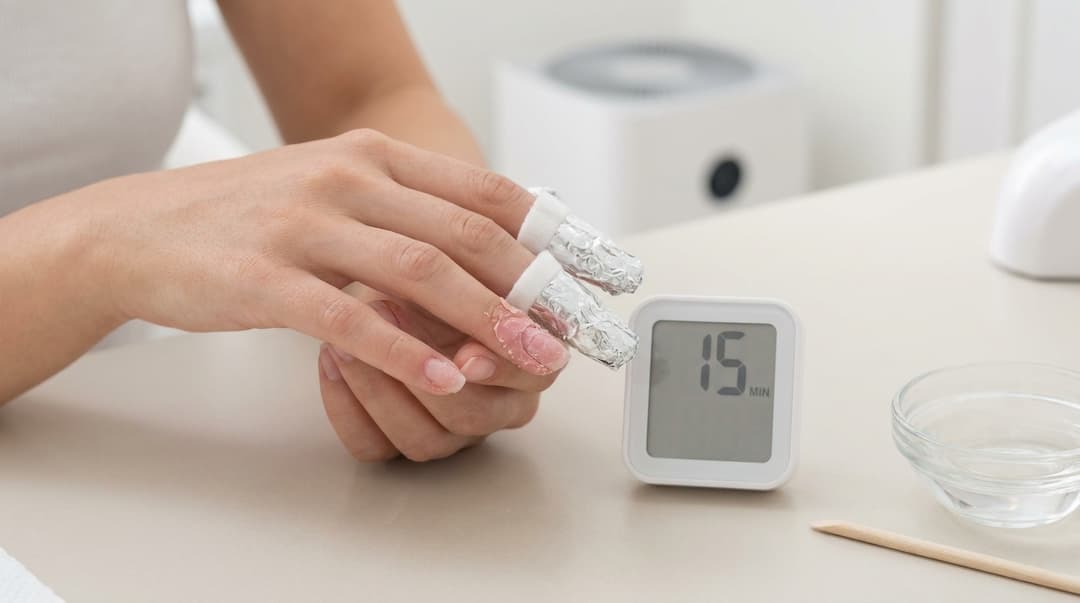
Most dip powder manicures take 10 to 20 minutes of direct acetone contact to soften. Your full removal session may last 30 to 40 minutes once filing, wrapping, and nail care are included.
Several factors can affect the timing:
- Thick application: Multiple color layers and a built-up apex take longer to dissolve.
- Gel topcoat: A durable top layer must be filed thoroughly before soaking.
- Insufficient acetone: Partly dry cotton can't maintain enough contact with the product.
- Loose wrapping: Gaps allow acetone to evaporate before it can soften the resin.
- Added nail tips: Extensions may require more filing and a longer soak than dip over natural nails.
To speed things up safely, cut cotton into nail-size pieces, saturate it well, and keep the wraps snug. Don't microwave acetone, place it near a flame, or heat it directly. The vapors ignite easily, and faster removal isn't worth that risk.
Can You Remove Dip Powder Without Acetone?
You may be able to thin dip powder by filing, but acetone-free polish remover usually won't fully dissolve a dip manicure. Dip systems combine acrylic powder with a resin-based adhesive, creating a harder coating than ordinary nail polish.
Some online methods suggest soaking nails in hot water, oil, dish soap, or vinegar. These mixtures may loosen product that's already lifting, but they don't reliably break down intact dip resin. Trying to pry off the softened edges can still peel away keratin layers from the natural nail.
If you want to avoid acetone, the lower-damage options are to let the manicure grow out while carefully shortening it or book a professional removal. Avoid mechanically filing all the way down unless you're experienced; it's easy to over-file and leave nails thin, tender, or uneven.
From an eco-conscious angle, use only the amount of acetone you need. Reusable soak-off clips can replace single-use foil, although the cotton itself should still be discarded after use. Don't pour leftover acetone down the sink. Keep used materials away from heat, place them in a closed container or bag, and follow your local household hazardous-waste guidance.
How Can You Prevent Damage and Care for Nails Afterward?
The biggest removal mistake is peeling the manicure off. When dip powder is pulled away before it dissolves, it can take microscopic layers of the nail plate with it. Aggressive scraping, drilling, and heavy buffing can cause similar damage.
For healthier post-removal nails:
- Skip immediate reapplication if nails feel sore: Give tender nails several days without enhancements.
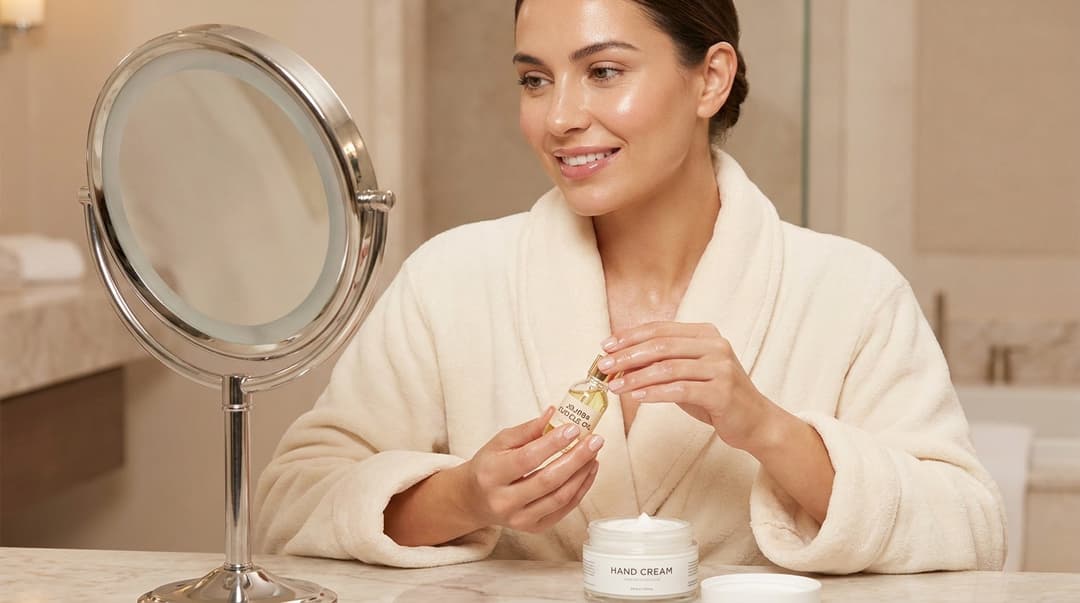
- Apply cuticle oil twice daily: Oils containing jojoba esters, sunflower seed oil, or squalane help reduce that dry, papery feeling.
- Seal in moisture: Follow oil with a hand cream containing glycerin, shea butter, or ceramides.
- Wear gloves for wet chores: Repeated water exposure makes nails swell and contract, which can worsen peeling.
- Keep nails short: A shorter shape reduces leverage and snagging while thin areas grow out.
- Avoid hard scraping tools: Metal pushers can gouge a softened nail plate when too much pressure is used.
I've found that applying cuticle oil at bedtime is the easiest habit to maintain. Leave it next to your hand cream or phone charger, and you're much more likely to remember it.
Pause home removal and contact a dermatologist or qualified nail professional if you notice significant pain, swelling, green or dark discoloration, bleeding, or separation of the natural nail. Those signs need more than another acetone soak.
The Bottom Line
Knowing how to remove dip powder nails at home comes down to three things: file the topcoat, give 100% acetone enough time to work, and never force resistant product off. A careful 30- to 40-minute removal is much kinder to your nails than peeling or aggressive scraping, even if waiting through that second soak feels a bit annoying.
So, keep the pressure light, use acetone sparingly in a ventilated space, and replenish moisture with cuticle oil and hand cream afterward. For more ingredient-conscious beauty advice and wallet-friendly finds, sign up for Insider Beauty's weekly deals.
Want more tips and exclusive beauty deals delivered to your inbox? Pop your email in the box below and join thousands of insiders who save big every week.