
The best answer for how to make makeup last all day is to prep your skin properly, apply thin layers, and lock everything in with the right setting products. This works because long wear starts with balanced skin, better grip between layers, and less excess makeup breaking apart during the day.
Quick Takeaways
- Prep matters most: Clean, moisturized skin helps makeup grip instead of sliding around.
- Use thin layers: Heavy foundation and concealer break down faster than light, buildable layers.
- Match products to your skin type: Oily skin usually needs oil control, while dry skin needs hydration first.
- Set strategically: Powder and setting spray work best when used on the areas that actually crease or get shiny.
- Hands off: Touching your face throughout the day wears makeup down way faster than most people realize.
How to prep skin so makeup lasts longer
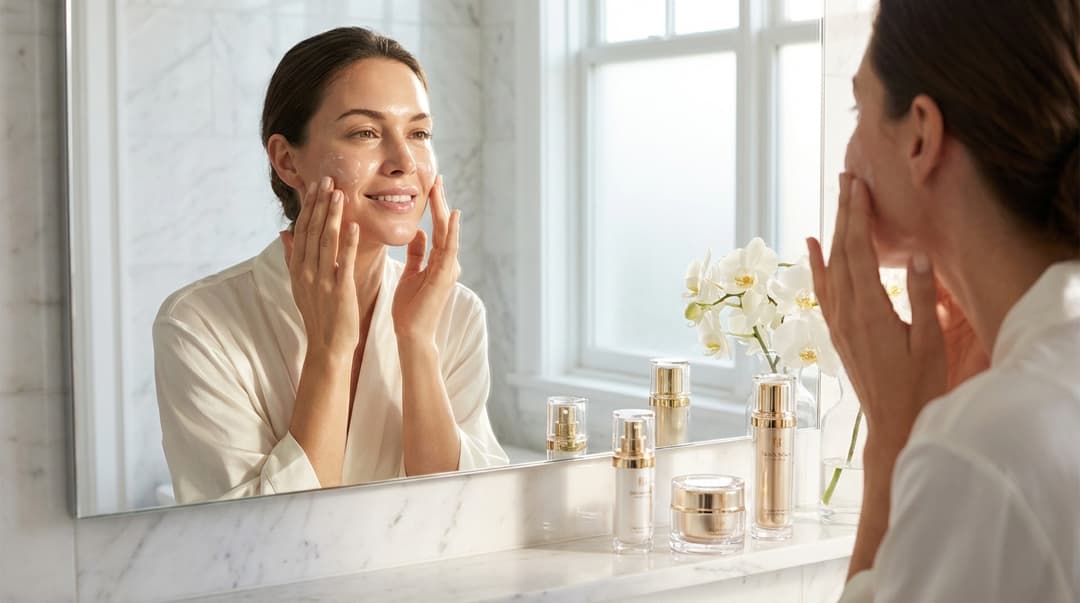
If you want to know how to make makeup last all day, start before foundation ever touches your face. I've found that makeup longevity is usually a skin prep issue, not a makeup issue.
A simple prep routine works best:
- Cleanse away oil, leftover skincare, and sweat.
- Apply a lightweight moisturizer and let it absorb for 2 to 5 minutes.
- Use sunscreen if you're heading out during the day.
- Add primer only where you need it, like the T-zone, cheeks, or around the nose.
So, here's the thing: skin that's too dry can make foundation crack, and skin that's too oily can make it slide. The goal is balanced skin, not a totally matte, stripped face.
Look, ingredient choice matters here too. If you're oily, a moisturizer with glycerin or hyaluronic acid can hydrate without feeling greasy. If you're dry, a formula with ceramides or squalane helps support the skin barrier so makeup doesn't cling to flakes. For primer, silicone-based formulas can smooth texture, while gripping gel primers can help makeup hold on longer.
What makeup products help makeup last all day?
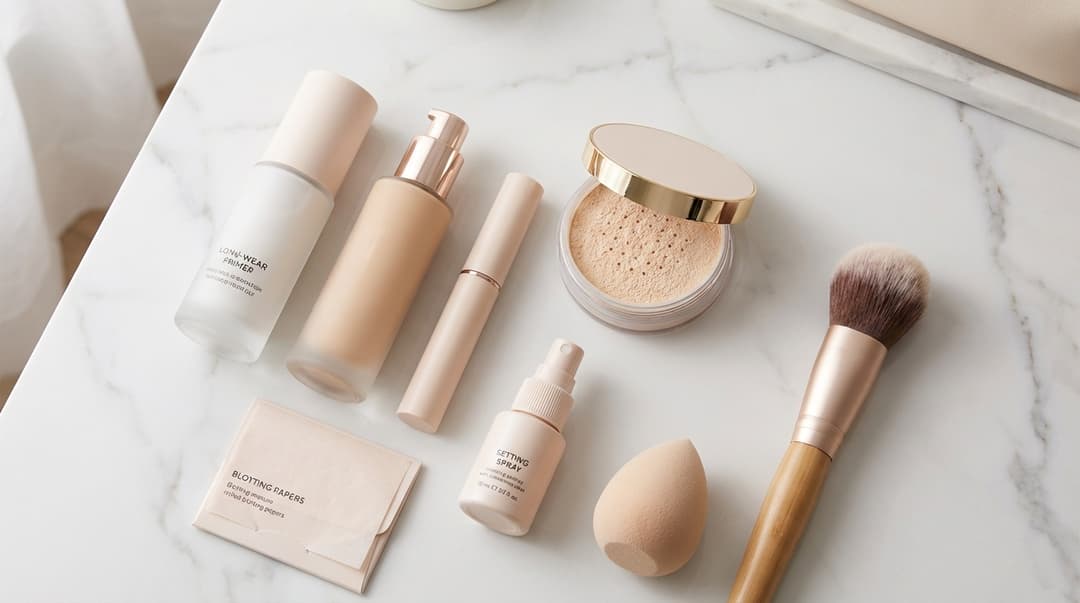
The product types you choose make a big difference. You don't need a 12-step routine, but you do need formulas that play nicely together.
The most helpful product types are:
- Primer: Helps create grip or smoothness depending on the formula.
- Long-wear foundation: Usually better at resisting oil, humidity, and transfer.
- Setting powder: Keeps shine and creasing in check, especially around the nose and under-eyes.
- Setting spray: Melts layers together and adds extra wear time.
Honestly, one mistake I see a lot is mixing super dewy skincare with ultra-matte makeup and expecting it to stay perfect for 12 hours. Sometimes it works, sometimes it gets patchy fast. Try to keep your formulas compatible. If your foundation is water-based, pairing it with a similar primer often helps prevent pilling.
Cream products can last beautifully too, especially when they're set properly. A cream blush topped with a light dusting of powder blush, for example, tends to wear longer than either one alone. Same idea with bronzer.
How to apply foundation so it stays put
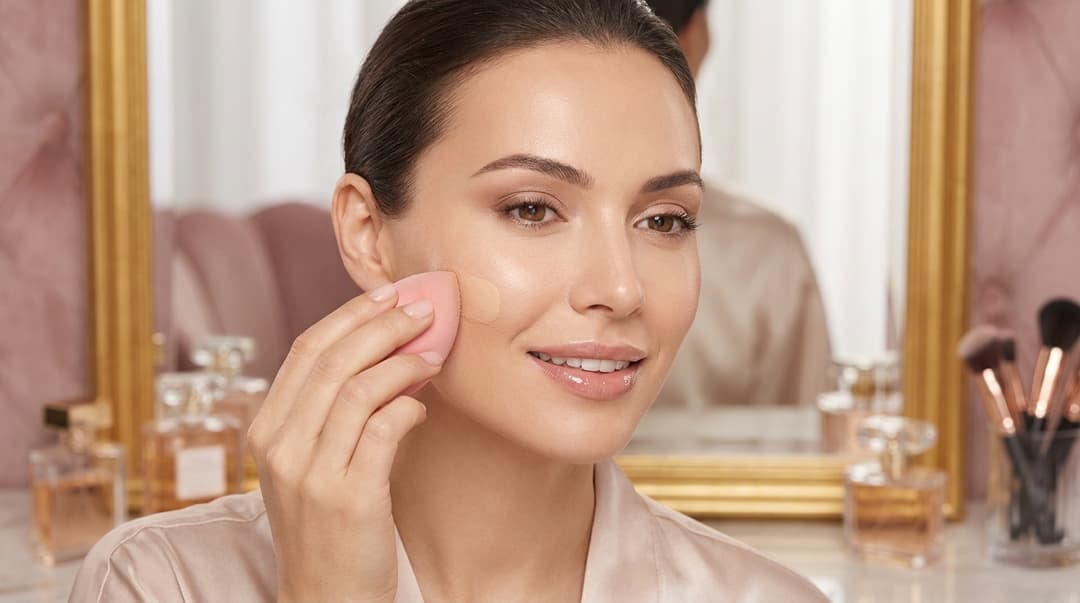
Application technique is where a lot of all-day wear gets won or lost. If you've been layering on too much at once, that's usually the first thing I'd tweak.
Use this order:
- Apply foundation in thin layers starting at the center of the face.
- Blend with a damp sponge or dense brush without overworking the product.
- Let the first layer sit for about 30 seconds before adding more where needed.
- Spot-conceal instead of covering the whole face with extra foundation.
- Press, don't rub, when blending around the nose, chin, and under-eyes.
Thin layers bond better to the skin. Thick layers separate faster, especially in heat, humidity, or if you naturally produce more oil through the day.
So if you're wondering again how to make makeup last all day, this is one of the biggest tips: build coverage only where you need it. Most faces don't need full coverage everywhere.
I've found that using less product around expression lines makes a huge difference. The smile lines, inner corners, and sides of the nose are where breakdown usually starts. Keep those areas light and flexible.
How to keep concealer and under-eye makeup from creasing
Under-eyes can be tricky because the skin there is thinner and moves constantly. More concealer is almost never the answer.
Try this:
- Apply a very small amount of concealer only to darkness or discoloration.
- Blend it out thinly with your finger, sponge, or small brush.
- Wait a few seconds before setting so excess product can settle.
- Use a tiny amount of finely milled setting powder.
- Press powder in lightly instead of baking heavily.
Look, baking can work for some people, but for everyday wear it often makes the under-eye area look dry or textured. A light set is usually enough.
Ingredients matter here too. Concealers with lots of emollients can look beautiful at first but may crease more on oily lids or under-eyes. If you're prone to creasing, look for long-wear or soft-matte formulas and keep the eye cream light during the day.
Where should you powder and set makeup?
A lot of people either skip powder completely or powder their whole face too heavily. The sweet spot is usually in the middle.
Focus powder on the areas that break down first:
- Around the nose
- Chin
- Center of the forehead
- Under the eyes
- Smile lines, if needed
If you have dry or mature skin, you may only need powder in two or three places. That's totally fine. Over-powdering can make makeup separate later because the skin starts trying to compensate with more oil or the surface gets too dry and flaky.
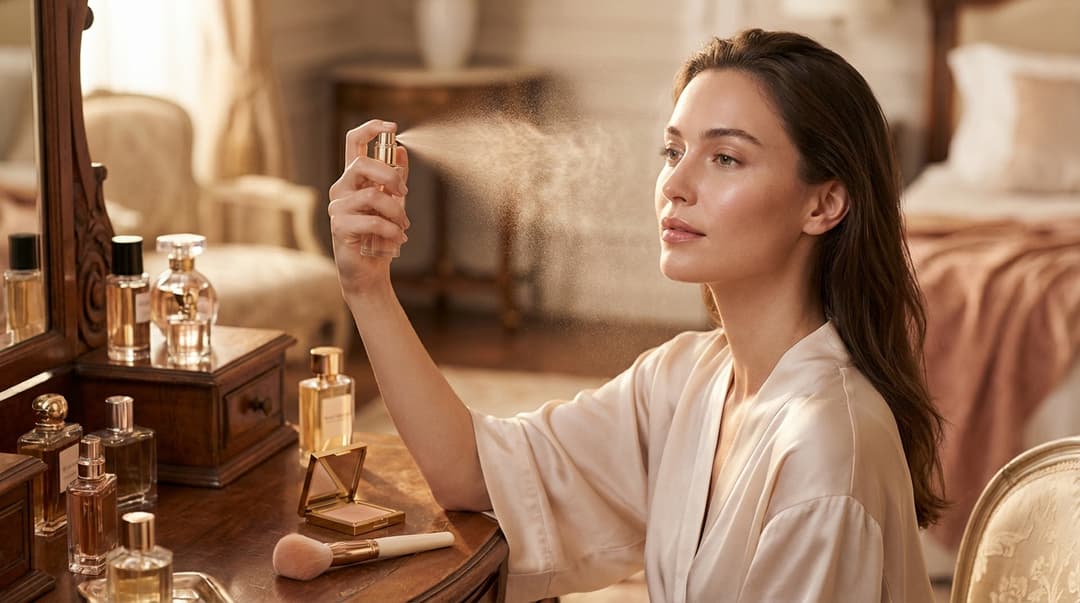
After powder, use a setting spray. This step helps take away the powdery look and seals the layers together. Hold the spray about 8 to 10 inches from your face and mist lightly in an X and T pattern.
Honestly, setting spray is one of the easiest answers to how to make makeup last all day if your makeup looks good at home but fades by lunch. It won't fix poor prep, but it absolutely helps extend wear.
How to stop makeup from melting in heat and humidity
Heat, sweat, and humidity change the whole situation. If you live somewhere sticky, you need a slightly different strategy.
- Keep skincare lightweight in the morning.
- Use a gripping or mattifying primer on sweat-prone areas.
- Choose long-wear or transfer-resistant base products.
- Set cream products with matching powder products when possible.
- Carry blotting papers instead of adding more powder all day.
- Reapply setting spray lightly after touch-ups, not before every single one.
Blotting papers are underrated, honestly. They remove oil without piling on texture. Piling powder over sweat can turn makeup cakey fast, and nobody wants that.
I've also found that letting each layer dry down for a few seconds helps more than people expect. Foundation, concealer, cream blush, even setting spray—give them a moment. Rushing can make everything move around.
What mistakes make makeup fade faster?
Sometimes the fastest way to better wear time is just avoiding the stuff that ruins it.
Common mistakes include:
- Using too much skincare: Rich creams and facial oils can break down foundation.
- Applying heavy makeup all over: More product usually means more slipping and creasing.
- Not waiting between layers: Wet layers can mix together and separate later.
- Powdering too much: This can look dry, heavy, and uneven after a few hours.
- Touching your face: Hands transfer oil and physically rub makeup away.
- Skipping skin prep: Makeup clings better to smooth, hydrated skin.
So, yes, technique matters just as much as product choice. That's why how to make makeup last all day isn't really about one magic item. It's the combination of prep, thin layers, smart setting, and leaving your face alone once you're done.
The Bottom Line
If you want makeup to stay fresh from morning to night, focus on balanced skin prep, lightweight layers, and targeted setting. Use a moisturizer that suits your skin type, apply foundation and concealer sparingly, set only where needed, and finish with setting spray for extra hold.
Look, makeup will still move a little after a long day, especially in heat or on oily skin. That's normal. But with the right routine, you can absolutely get smoother, longer wear without piling on a ton of product.
If you want more smart beauty tips and a heads-up on Insider Beauty's weekly deals, sign up for our newsletter and I'll send the good stuff your way.
Want more tips and exclusive beauty deals delivered to your inbox? Pop your email in the box below and join thousands of insiders who save big every week.