
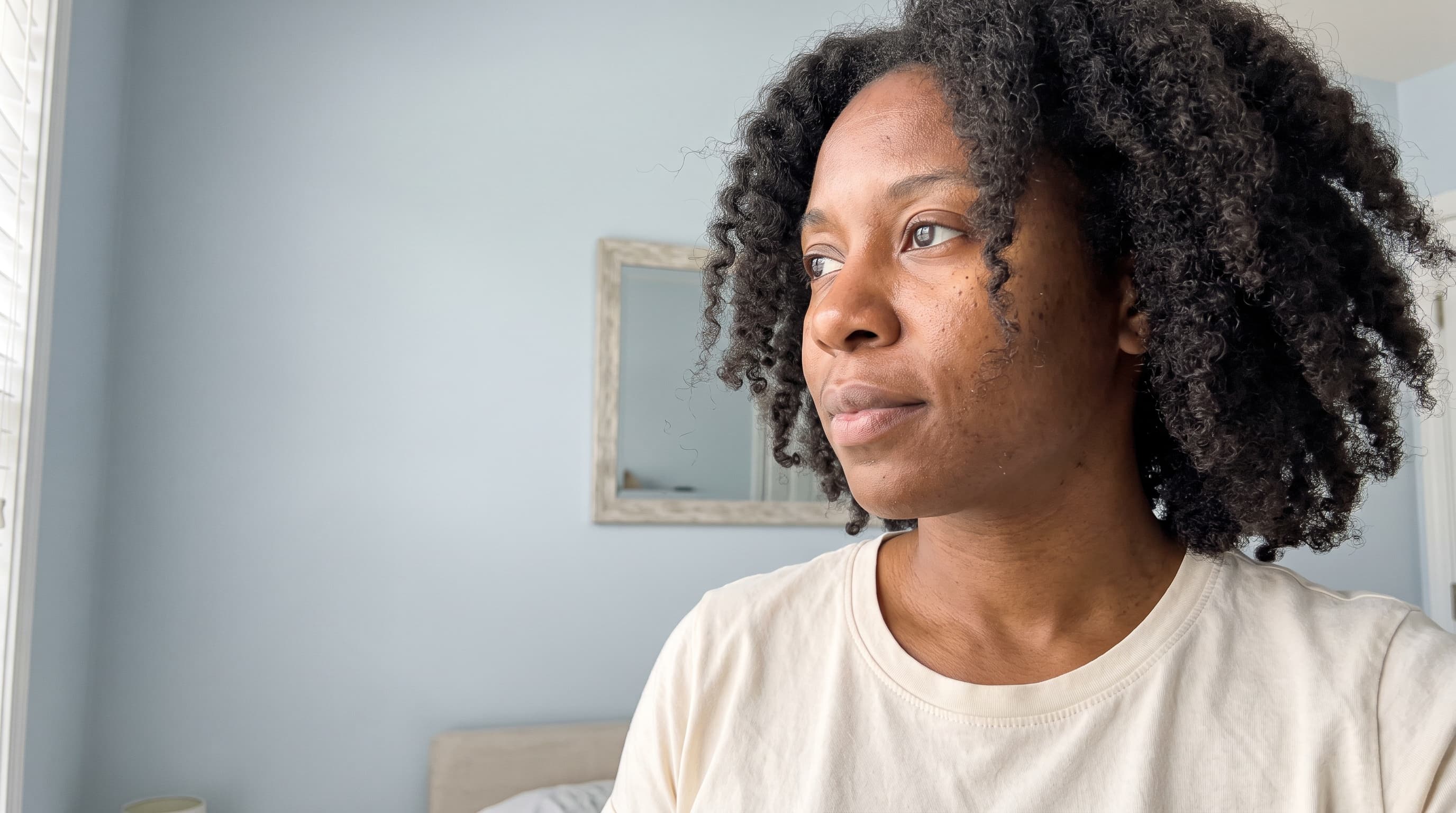
The haircare trends most likely to matter in 2027 are targeted scalp care, better damage management, and styling that works with your natural texture. Expect more specialized serums, but choose by the problem you have. OUAI Scalp Serum, K18 Leave-In Molecular Repair Hair Mask and Odele Air Dry Styler illustrate three different jobs: scalp care, a repair treatment and styling. You do not need all three.
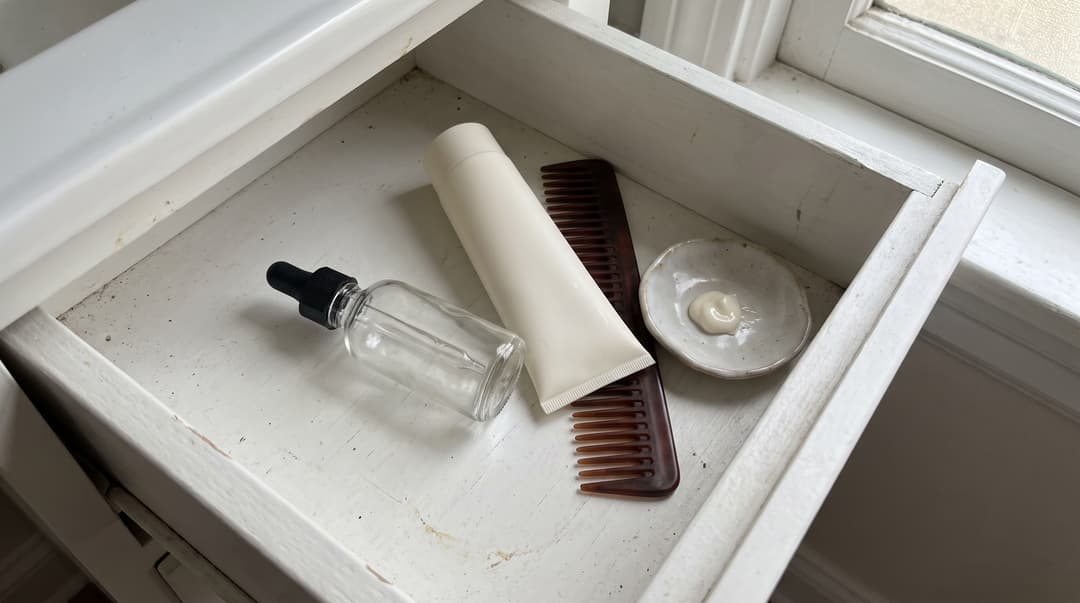
Images in this guide are AI-generated editorial illustrations, not product-test photographs.
This is our forecast based on evidence available through October 26, 2026. It covers haircare products and routines rather than predicting your next haircut.
Haircare trends 2027 at a glance
| Direction to watch | Who should pay attention | First decision | Main tradeoff |
|---|---|---|---|
| Concern-specific scalp care | People shopping for a particular scalp concern | Identify the concern before choosing a serum | Another daily step, with no universal solution |
| More precise damage care | Hair regularly colored or heat styled | Compare treatment instructions with your routine | Specialized products can be expensive and fiddly |
| Air-dry styling | Anyone wanting fewer styling steps | Decide how much definition and hold you need | A soft cream cannot promise a strong-hold finish |
| Lightweight leave-ins | Fine hair or ends that tangle | Start with a format you can distribute sparingly | Too much product can spoil the finish |
| Cleansing for a specific problem | Product users or people investigating hard water | Check what the shampoo is designed to remove | A stronger cleanse is not automatically a better everyday wash |
| Low-tension hairstyles | Anyone whose style pulls or hurts | Change the styling habit | You may need to give up a very tight finish |
| Smaller, more deliberate routines | Anyone with a crowded shelf | Give each product a distinct job | Fewer products means accepting some limits |
Why these are credible trends to watch
US prestige haircare sales rose 11% in the first half of 2026; hair-serum sales increased nearly 60%, according to Circana's August report.
Search and social behavior help explain that spending. Spate's Q4 haircare analysis reports growth around scalp concerns, serums and products addressing breakage. Its US Popularity Index combines Google, TikTok and Instagram interactions, comparing July 2025–June 2026 with the preceding year. It is not a Google search-volume table.
Our forecast combines those signals with product documentation and dermatology guidance. The practical buying advice is our editorial judgment. We have not conducted a comparative wear test for this article, and no published dataset can tell us the final ranking of 2027 searches.
In our 2027 beauty trends forecast, this focus on a specific need also runs through skincare, makeup and fragrance.
1. Scalp care gets more specific
A scalp serum should have a clearer purpose than “healthy hair.” Before browsing, finish this sentence: “I want help with…” Your answer might be dryness, an oily feeling, visible flakes or apparent thinning. Those descriptions should not send everyone to the same bottle.
OUAI Scalp Serum is a useful example of the category: the brand describes scalp hydration and balance, with daily application directly to the scalp. It is a leave-in product. That does not make it interchangeable with a finishing oil applied to the ends.
If you already use a treatment for a scalp condition, check its directions before adding another product. A complicated routine makes it harder to work out which step is helping or irritating you.
My buying rule: choose a scalp product only when its stated use matches your concern and its application schedule fits your life. An expensive daily serum is poor value if you will use it once a week.
Thinning deserves its own assessment. The American Academy of Dermatology advises identifying the cause of hair loss, rather than relying on changes to shampoo or supplements. Cosmetic fullness and treatment of an underlying condition are different goals.
2. Damage care becomes a choice between jobs
“Repair” on the front of a bottle is not enough information to build a routine. Read the instructions: is this a rinse-out conditioner, a pre-shampoo treatment or a leave-in? Does it replace a step, or add one?
For example, K18's Leave-In Molecular Repair Hair Mask has a particular sequence. The brand directs users to shampoo without conditioning first, towel-dry, apply the mask, wait four minutes and leave it in. Its claims concern damage from services such as coloring and heat styling; those are manufacturer claims, not results of testing for this article.
That format may suit someone who wants a treatment without another rinse. It can be inconvenient if their wash routine depends on conditioning and detangling immediately after shampoo. Read the complete directions before deciding it is a simple swap.
Start with the product you already own. If your complaint is that the ends feel difficult to comb, assess your conditioner and detangling routine before buying a second premium treatment. Our haircare buying guide separates treatment categories from everyday washing products.
3. Air-dry products compete on the finish
Air drying is a method; it does not specify the result you want. Write down whether you want soft movement, more defined curls or stronger hold. That choice is more useful than shopping for a product described simply as “effortless.”
Odele Air Dry Styler is positioned by the brand for light hold, including fine-to-medium hair. That makes it a category example for someone who dislikes a rigid finish. Someone seeking firm, lasting definition should compare hold claims rather than assume every air-dry cream behaves like a gel.
Try one change on a day when the result is low stakes. Follow the chosen product's wet-or-damp application directions, keep the amount modest, and judge the finished hair when it is dry. Note softness, definition and how the roots look. Add more next time only if you can identify what was missing.
If you want help assessing that particular formula, read our Odele Air Dry Styler review. A product's fit for your preferred finish matters more than a universal claim that it suits every texture.
4. Lightweight leave-ins earn a clearer place
For fine hair, the buying question is often how to get enough slip at the ends without applying an unnecessary layer everywhere. Compare a spray, a milk and a cream by the directions and intended use. The name alone does not establish weight or performance.
Treat application as a small experiment. Keep your shampoo and conditioner unchanged, use the new leave-in according to its label, and photograph the dry result in the same light. On the next wash, change the amount rather than adding an oil as well. You will learn more from that comparison than from replacing four products together.
Pay attention to overlapping claims. If your existing leave-in already offers the finish and labeled heat protection you need, a second “protective serum” needs a specific reason to join it. Conversely, do not assume a shine product provides heat protection when the manufacturer makes no such claim.
5. Cleansing becomes more problem-led
Spate's 2026 Hair Care & Styling report identifies interest in precise categories, including chelating shampoos, rather than only broad shampoo searches. The shopping lesson is to read what a cleanser actually targets.
If you suspect mineral deposits, look for an explicit hard-water or mineral-removal claim. Malibu C Hard Water Wellness Shampoo is one example of a product positioned for that job. “Detox” by itself tells you very little.
Before adding a specialist wash, check how much styling product you apply and how thoroughly you follow your current washing instructions. Avoid deciding that dull-looking hair automatically proves a mineral problem. If you do try a different cleanser, follow its frequency guidance and assess the result before making it your default.
The purchase tradeoff is simple: a specialized product may solve a specific problem, but a second shampoo takes money and shelf space when the first one already works.

6. Low-tension styling becomes part of haircare
This is one direction worth trying without buying anything. A style should not depend on discomfort to look finished. The AAD explains that repeated pulling from tight hairstyles can cause traction alopecia, which can become permanent.
Reconsider the tension in a ponytail or bun before trying to solve the consequences with a serum. Ask a stylist for alternatives if your preferred look requires persistent pulling. The concern is tension, not a blanket judgment about braids, locs or any other hairstyle.
For heat styling, useful basics remain unglamorous. The AAD's damage-prevention guidance recommends gentler handling, conditioning and lower heat. A new treatment is easier to assess when the rest of the routine is not repeatedly working against it.
7. Give every bottle a job before you buy it
Use this shelf audit before the next launch catches your eye:
| Product you are considering | Question that earns it a place |
|---|---|
| Scalp serum | Which scalp concern and application schedule does it address? |
| Repair treatment | What damage is it intended for, and what step does it replace? |
| Leave-in | What does it add that my rinse-out conditioner does not? |
| Styling cream or gel | Is its finish and hold what I want? |
| Finishing oil | Do I want the finish enough to add another step? |
| Specialist shampoo | What specific cleansing problem am I trying to solve? |
Choose one purchase with an answer you can check. Keep a short note after each use: amount, application, finish and any discomfort. Do not turn that note into a medical diagnosis; it is a way to notice whether a cosmetic product is worth keeping.
Haircare trends 2027: frequently asked questions
What is the biggest haircare trend for 2027?
Our strongest forecast is concern-specific scalp and haircare. Choose the problem first, then the format. That is more useful than buying a serum because serums are attracting attention.
Do I need a scalp serum?
No. A comfortable scalp and a routine that works do not need another product merely to follow a trend. Use a serum only for a clear purpose; seek assessment for hair loss rather than treating every change as a cosmetic shopping problem.
Is a hair serum the same as a hair oil?
The names do not establish the job. Check whether the instructions say scalp, lengths or ends, and whether the product is intended for conditioning, styling or another stated use. Do not substitute based on bottle shape.
Should I replace my whole hair routine for 2027?
No. Keep the steps that work and change one thing at a time. Compare a new product against a specific complaint, not against the promise of an entirely different head of hair.
Send corrections or updated product labels to hello@insiderbeauty.com.