
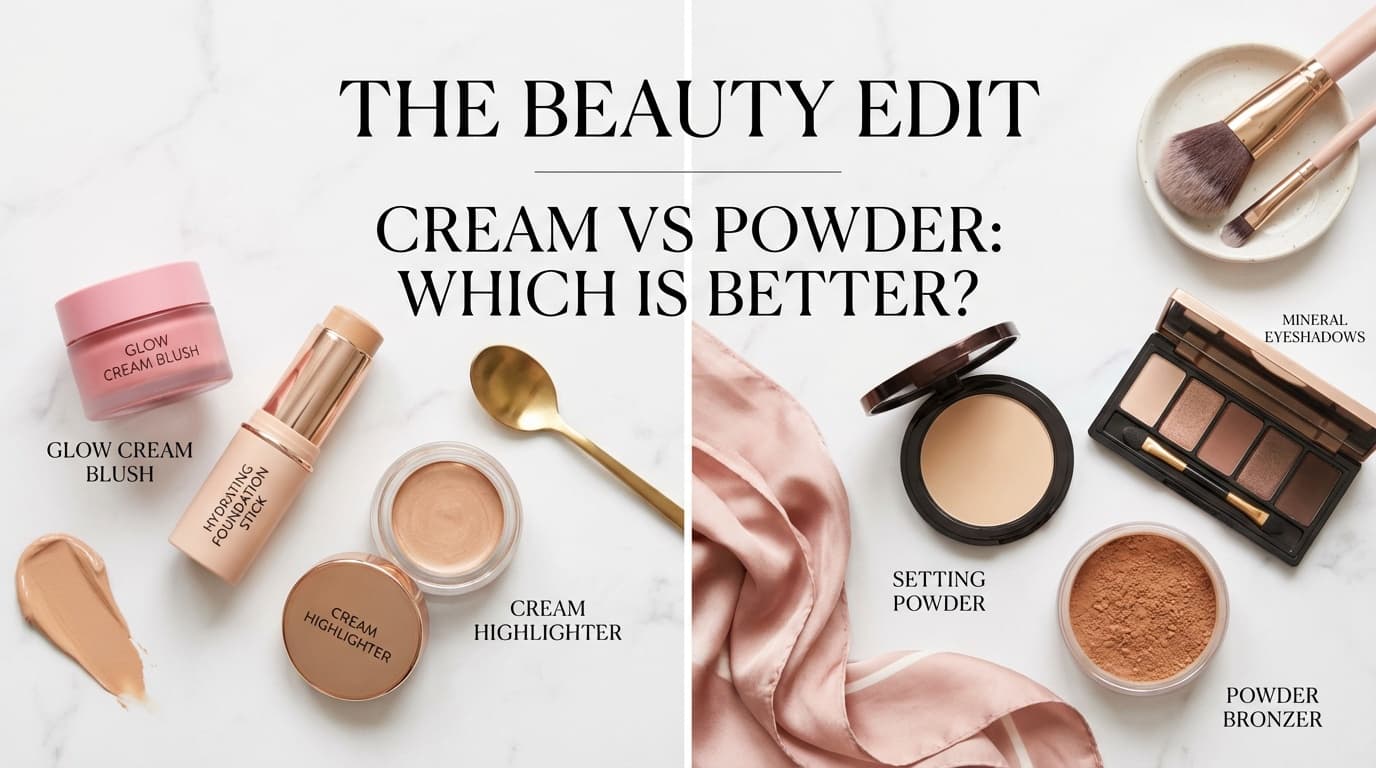
Cream vs powder products: which is better? Neither is universally better — cream products usually look more natural and dewy, while powder products tend to last longer and control shine better. The right choice comes down to your skin type, makeup style, and where you're applying the product.
Quick Takeaways
- Cream products are usually best for dry, mature, or textured skin because they add flexibility and a skin-like finish.
- Powder products are often better for oily skin, hot weather, and longer wear because they absorb oil and help makeup stay put.
- Cream vs powder products which is better depends on the category too — blush, bronzer, and foundation can all behave differently.
- Layering cream and powder together can give you the best of both: natural finish plus better longevity.
- Application technique matters almost as much as formula, honestly.
Is cream or powder makeup better overall?
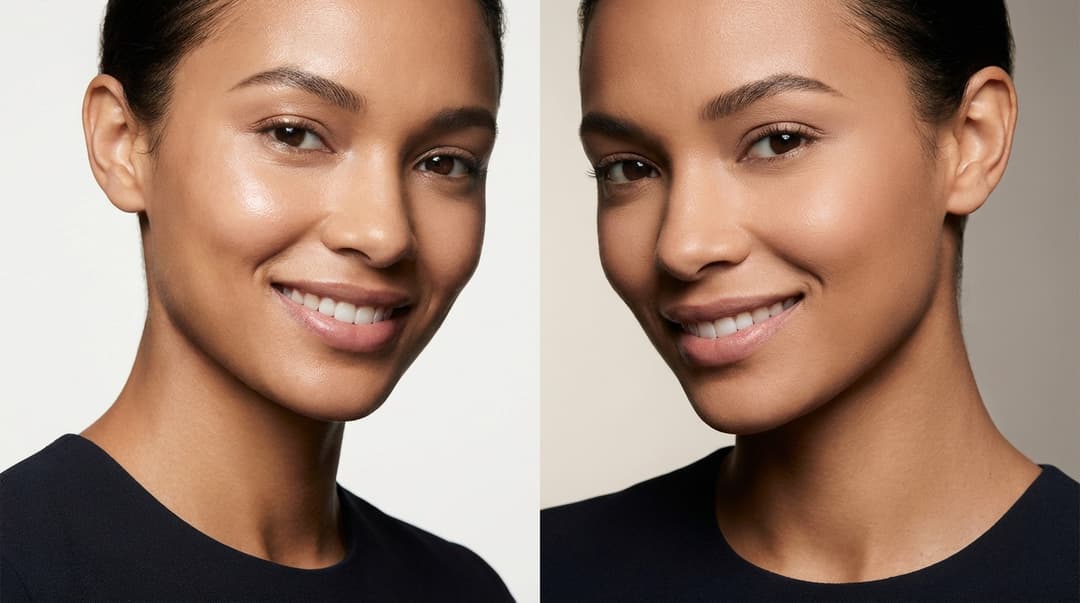
If you want the short answer, cream makeup is usually better for a fresh, skin-like look, and powder makeup is better for oil control and durability. I tell patients this all the time: the formula itself isn't the whole story. Your skin's oil production, hydration level, and even the climate you live in can completely change how a product performs.
So when people ask me, "cream vs powder products which is better," I usually answer with another question: better for what? Better for dry cheeks at 8 a.m.? Cream often wins. Better for a sweaty commute and a 10-hour workday? Powder may make more sense.
I've found that most people don't actually need to be loyal to one camp. A mixed routine is often the sweet spot.
Are cream products better for dry or mature skin?
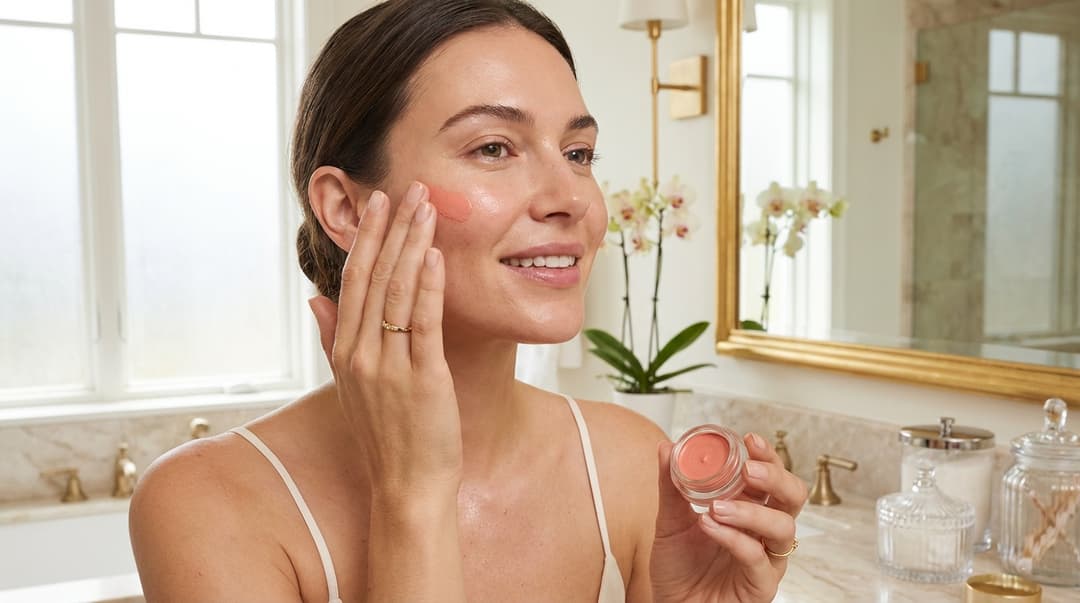
Usually, yes. Cream formulas tend to flatter dry, dehydrated, and mature skin because they don't cling as aggressively to flaky patches or settle into fine lines the way some powders can.
Here's why:
- Creams contain emollients that help soften the look of the skin.
- They reflect light in a way that makes skin look plumper and less flat.
- They move with facial expression a bit better, which can look more natural over time.
This is especially true for products like:
Look, powder isn't automatically bad for dry skin. But if your skin barrier is a little compromised, or you're dealing with seasonal dryness, powder can exaggerate roughness. That's one of the first things I notice in clinic when someone says their makeup suddenly looks "cakey." Often, the issue isn't the makeup skill — it's that the formula no longer matches the skin.
A practical tip: if your skin feels tight after cleansing, try using a cream blush or cream bronzer first and keep powder only in the T-zone.
Are powder products better for oily or acne-prone skin?
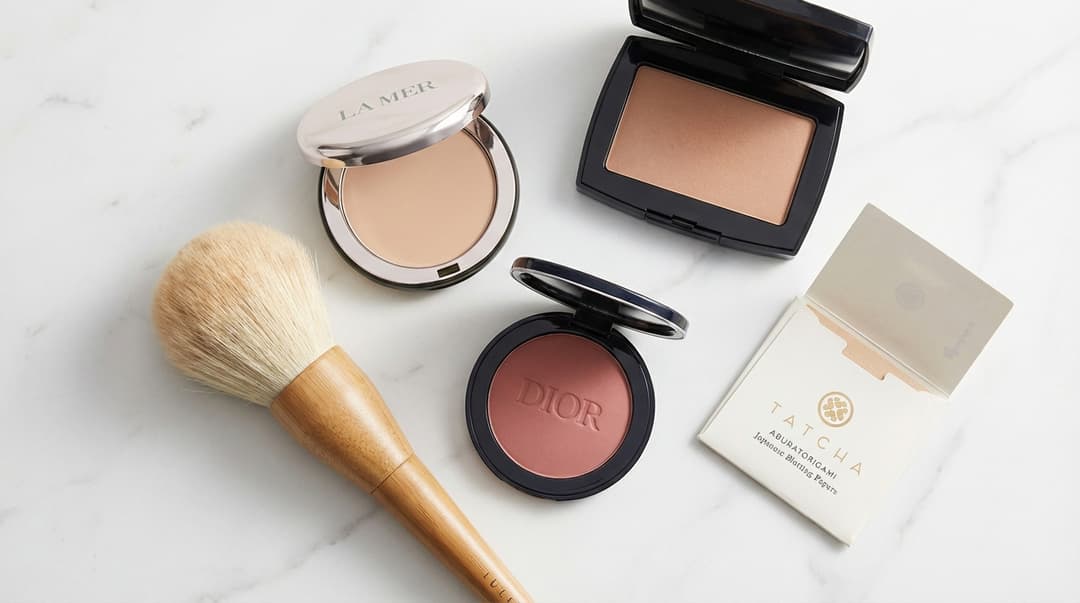
Often, yes. Powder products can be easier for oily skin because they absorb excess sebum and reduce shine, especially in the forehead, nose, and chin. That makes them useful for people who find that makeup slides off by midday.
Powder can also feel lighter to some acne-prone users, though that depends on the formula. Non-comedogenic claims can help, but texture and wear are still very individual.
Powder products tend to work well when you want:
- A more matte finish
- Less slip during the day
- Easier touch-ups
- More staying power in heat or humidity
That said, heavy powder over active breakouts can create a dry, crusty look. Honestly, that's where people get frustrated. The trick is to use thin layers and press product in rather than dusting on too much.
If you're oily but also dehydrated — which is super common — you may do better with a lightweight cream base and a small amount of powder in the areas that get shiny.
Does cream or powder last longer?
In general, powder products last longer on oily skin, while cream products can last beautifully on normal to dry skin when applied over a well-prepped base. Longevity isn't just about texture. It's about what the formula is sitting on.
Here's the simple breakdown:
- Powder lasts longer in oily conditions because it helps absorb oil that can break makeup apart.
- Cream lasts longer on balanced or dry skin because it adheres better when the skin isn't producing much excess oil.
- Layering often lasts longest — for example, cream blush topped with a matching powder blush.
- Skin prep changes everything — moisturizer, sunscreen, and primer can either help or sabotage wear time.
I've found that a lot of people judge a formula unfairly when the prep is off. If your sunscreen is very slippery, even the best powder bronzer may patch. If your skin is parched, a powder foundation can crack by lunch.
For all-day wear, a smart combo is often better than choosing one texture only.
Which looks more natural: cream or powder?
Most of the time, cream products look more natural up close. They melt into the skin and create that lived-in finish people usually mean when they say they want makeup to look "like skin."
Cream formulas are especially good for:
- Sheer blush placement
- Soft bronzing around the perimeter of the face
- Natural-looking highlight
Powder can still look natural, but it usually needs a lighter hand. Too much powder can sit on top of the skin rather than merging with it.
So if your main goal is a believable, fresh finish, cream often wins the cream vs powder products which is better debate. If your main goal is polished, shine-free makeup that holds up under bright lights or long days, powder may be the better pick.
A tiny technique tweak: apply cream with fingers, a dense brush, or a damp sponge, then tap the edges so there are no obvious borders. That makes a big difference.
How to choose cream vs powder by product type
Not every makeup category follows the exact same rules. Here's how I usually break it down.
- Foundation: Cream foundation tends to be better for dry or mature skin; powder foundation is often easier for oily skin and quick touch-ups.
- Blush: Cream blush gives a fresher, more youthful finish; powder blush usually lasts longer and is easier to build gradually.
- Bronzer: Cream bronzer looks more seamless on bare or lightly made-up skin; powder bronzer is great for setting and sculpting over foundation.
- Highlighter: Cream highlighter gives more of a glow; powder highlighter gives more visible shimmer and can emphasize texture if overapplied.
Honestly, blush is where I see people get the most immediate payoff from switching textures. If your powder blush always looks patchy, try cream. If your cream blush disappears in two hours, set it lightly with powder.
Can you use cream and powder together?
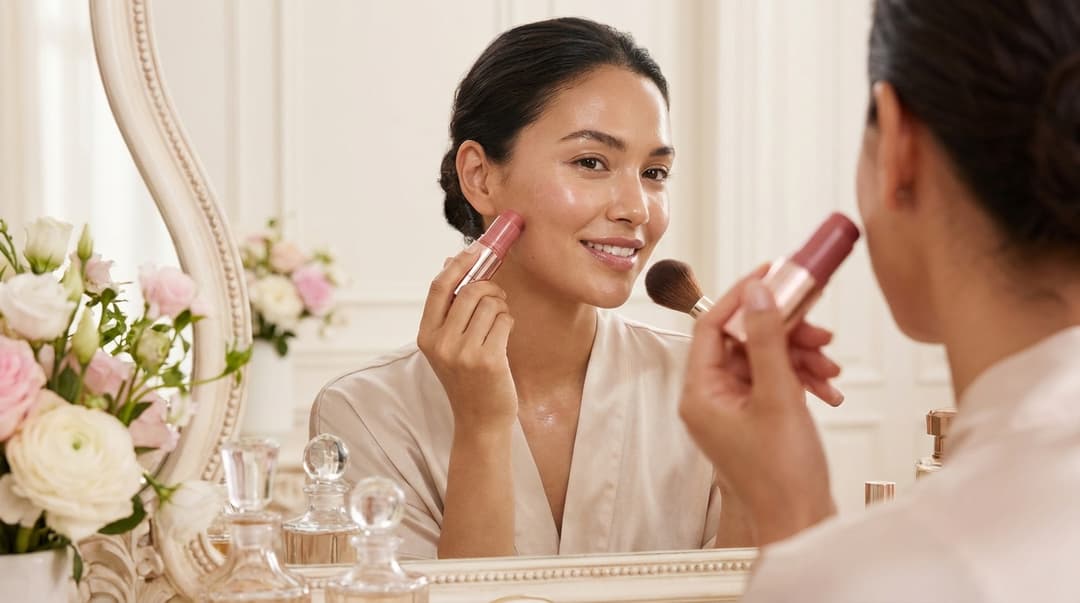
Yes — and for many people, this is the best answer to cream vs powder products which is better. Using both can improve finish and wear without forcing your whole routine into one texture family.
Try this simple method:
- Start with skincare and let it settle for a minute or two.
- Apply your base product in a thin layer.
- Use cream blush or cream bronzer where you want natural dimension.
- Set only the areas that crease or get oily.
- If needed, add a light layer of powder blush or powder bronzer on top for extra longevity.
This works well because the cream gives realism and the powder locks things in. So, kind of best of both worlds.
One caution: don't pile powder onto unset, very emollient cream formulas. That can grab unevenly. Let the cream sit briefly, then use a pressing motion with a brush or puff.
What are the biggest mistakes people make with cream and powder?
A few stand out, and they're fixable.
- Using too much product: Both cream and powder look better in thin layers.
- Choosing the wrong tool: Cream often blends better with fingers, a sponge, or dense synthetic brushes; powder usually prefers fluffy or angled brushes.
- Ignoring skin prep: Makeup sits on skin, not in a vacuum. Dry patches, excess oil, and heavy skincare all affect performance.
- Applying powder over wet cream: This can create patchiness and lifting.
- Using the same formula year-round: Your skin may need cream in winter and more powder in summer.
Look, makeup isn't static. Hormones, weather, retinoids, and age all change what works. If a formula you loved suddenly doesn't, that doesn't mean you're doing anything wrong.
The Bottom Line
When it comes to cream vs powder products which is better, the real answer is: cream is better for a natural, hydrated look, and powder is better for oil control and long wear. Dry or mature skin usually does best with more cream textures, while oily skin often prefers powder — but most people get the nicest result by combining both.
I've found that the easiest way to choose is to look at your skin by the end of the day. If you're shiny and makeup breaks apart, add more powder strategically. If your makeup looks flat, flaky, or tight, bring in more cream products.
If you want more smart beauty advice and a few really good steals, sign up for Insider Beauty's weekly deals.
Want more tips and exclusive beauty deals delivered to your inbox? Pop your email in the box below and join thousands of insiders who save big every week.